 Search


- Tajikistan and Uzbekistan launch testing of a multimodal transport corridor connecting China and Europe

With the increasingly fierce competition in the Eurasian trade channel, a test that may change the regional logistics map has quietly begun. Recently, Tajikistan and Uzbekistan jointly launched a test run of a multimodal transport corridor connecting China and Europe. The first batch of 10 freight trucks has departed from Uzbekistan, crossed Tajikistan and headed towards China. This cross-border corridor, which has been brewing for many years, is moving from planning to reality, marking the accelerated transformation of Central Asian countries from traditional "transit channels" to more strategic "hub nodes".
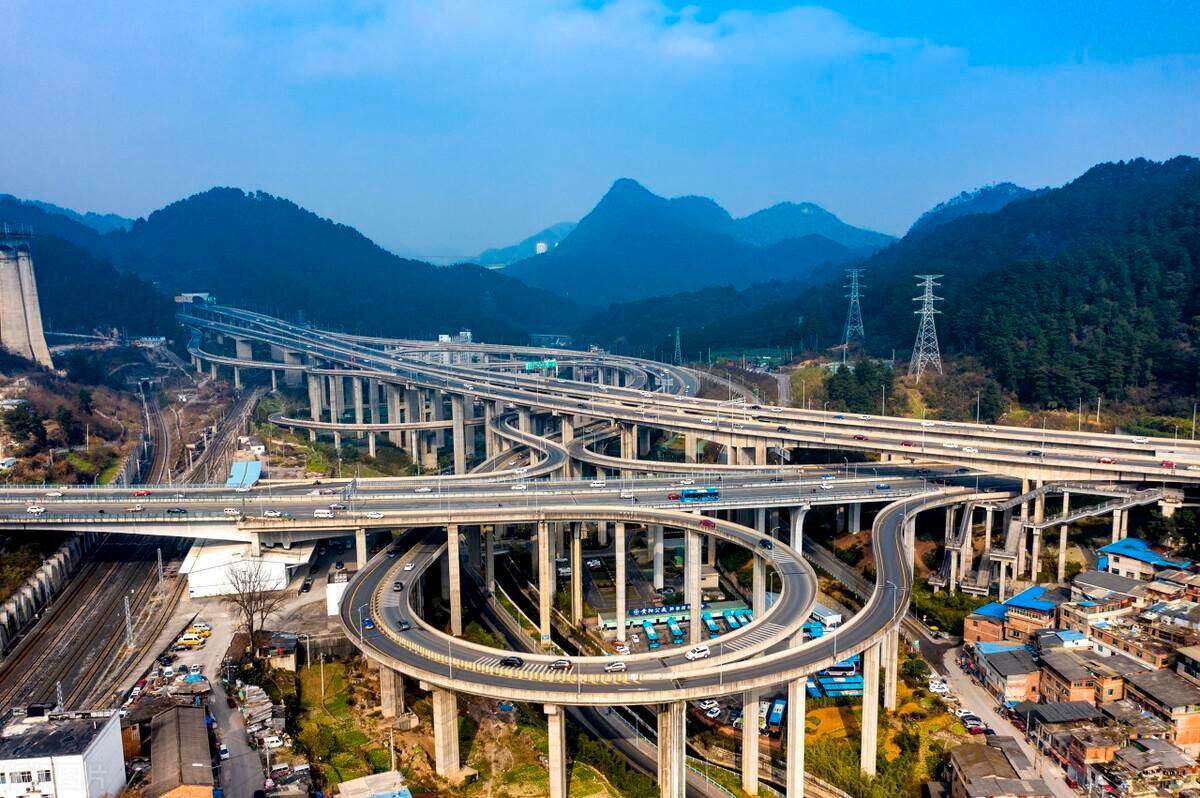
From conception to actual testing
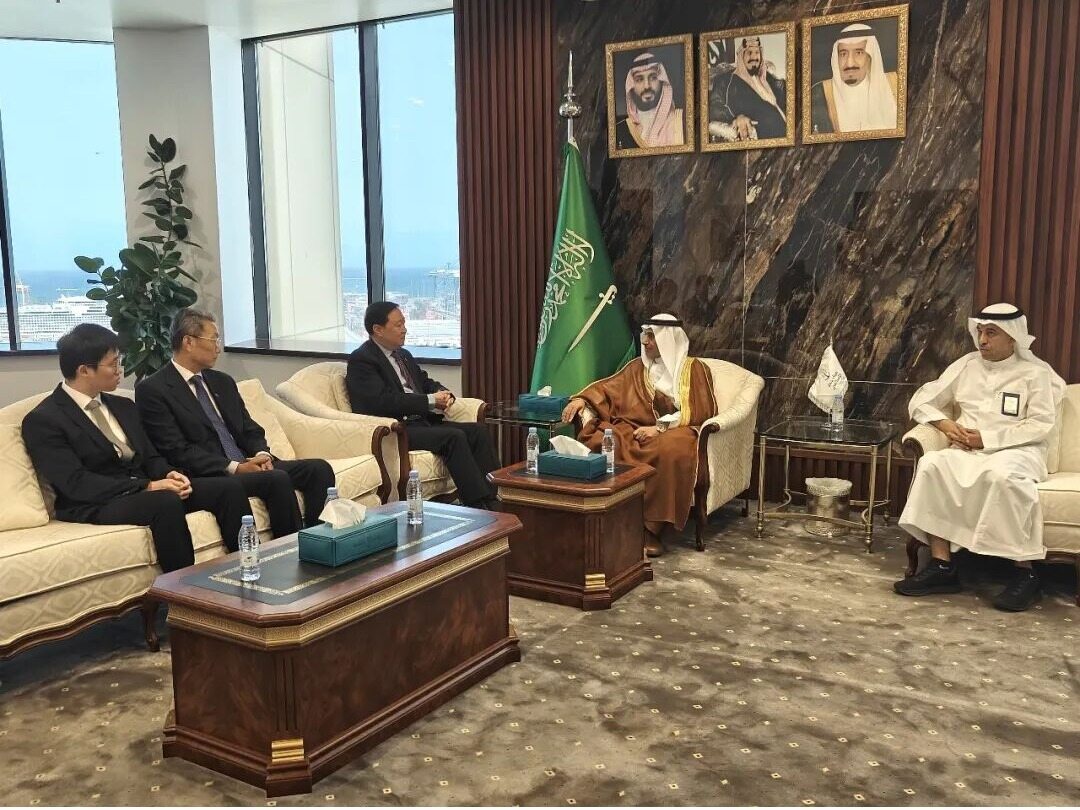
The first actual measurement of this cross-border logistics corridor was the result of direct talks between Tajikistan's Minister of Transport Azim Ibrahim and Uzbekistan's Minister of Transport Ilhom Mahakamov. During the meeting, the two countries not only finalized the specific arrangements for the test operation, but also reached a consensus on the electronic permit mechanism for international road transport, laying the foundation for the convenience of cross-border logistics in the future. The concept of this corridor can be traced back to the Dushanbe International Conference in 2022, and was further discussed during the Samarkand International Road Transport Joint Committee in December 2025. Now, it has finally entered the substantive testing stage.
The test fleet will pass through the carefully planned route of the two countries, and its ultimate goal is to verify the feasibility of a complete "China Tajikistan Uzbekistan Turkmenistan Iran Türkiye Europe" multimodal transport channel. The original intention of designing this corridor is to bypass the congested nodes of traditional routes, significantly shorten the transportation time of goods between China and Europe by optimizing the route combination, and effectively reduce overall logistics costs. Against the backdrop of the current global supply chain restructuring, the emergence of this new channel is expected to provide more competitive logistics options for Eurasian trade.
Corridor testing is not only a technical validation, but also an important milestone in the process of regional integration in Central Asia. By jointly promoting this cross-border infrastructure project, Tajikistan and Ukraine have demonstrated a clear willingness to strengthen regional cooperation and jointly enhance their international logistics discourse power. The test results will provide key data support for the subsequent formal operation and may attract more countries along the route to participate.
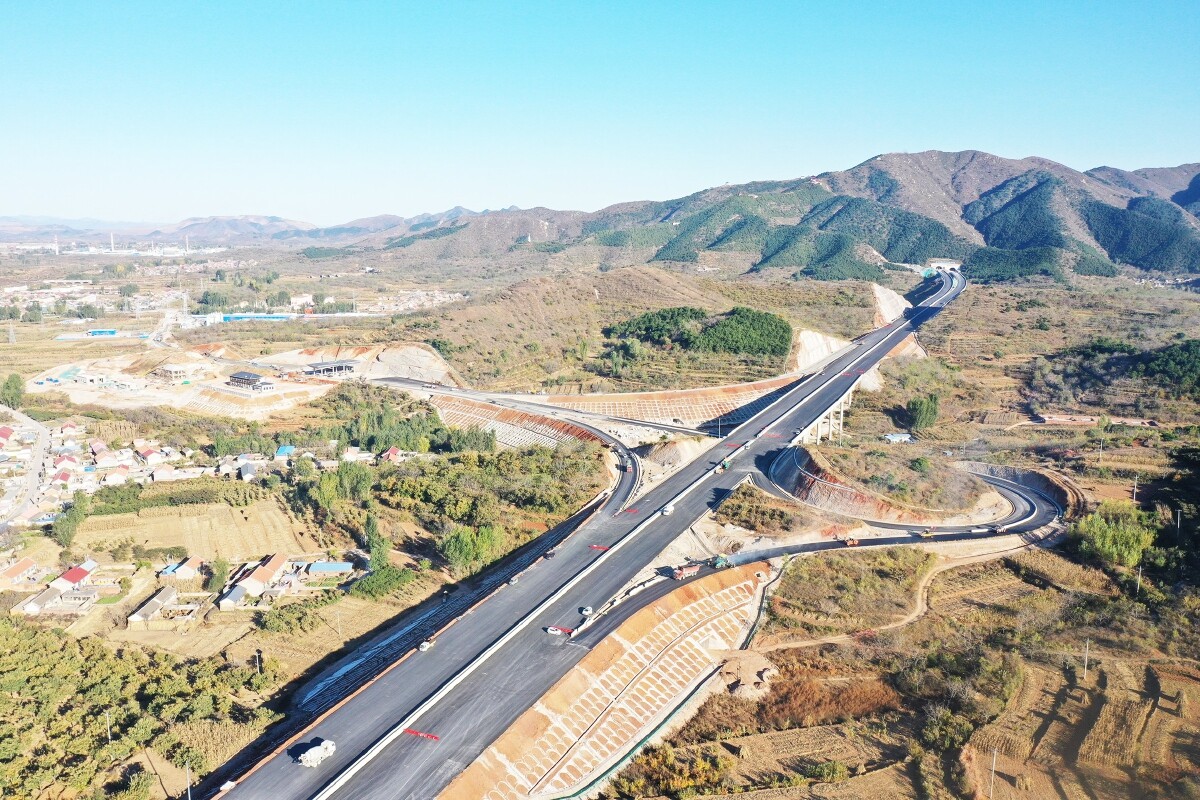
Comprehensive upgrade of border ports
To ensure the efficient operation of this new logistics corridor, Tajikistan and Ukraine are simultaneously advancing the modernization of their border ports. The Yaltpa Sarazm Port, located between Samarkand and Panjikent, has been selected as the core hub node and is planned to be expanded into a fully functional modern logistics center. According to the plan, the upgraded port will be able to handle the customs clearance needs of up to 100 freight trucks per day, and significantly shorten the document processing time through process optimization, achieving rapid circulation of goods.
The port upgrade plan is not limited to the improvement of logistics functions, but also includes the improvement of comprehensive supporting services. According to relevant plans, the hub will build a diagnostic center that can serve 150 to 200 people per day, providing medical support for passing drivers and staff. At the same time, a commercial complex that can accommodate 800 entrepreneurs will also be completed in the surrounding area, aiming to attract commercial and service enterprises to gather and form a port economic zone with logistics as the core and diversified business formats for coordinated development.
The construction of these supporting facilities reflects the profound consideration of the two governments in building a "channel economy". By transforming the simple transit point into a comprehensive hub integrating logistics, commerce, and services, Tajikistan and Ukraine hope to maximize the economic driving effect of the new corridor, create more job opportunities and economic growth points for the local area, and truly achieve the transformation from a "flow channel" to a "value hub".
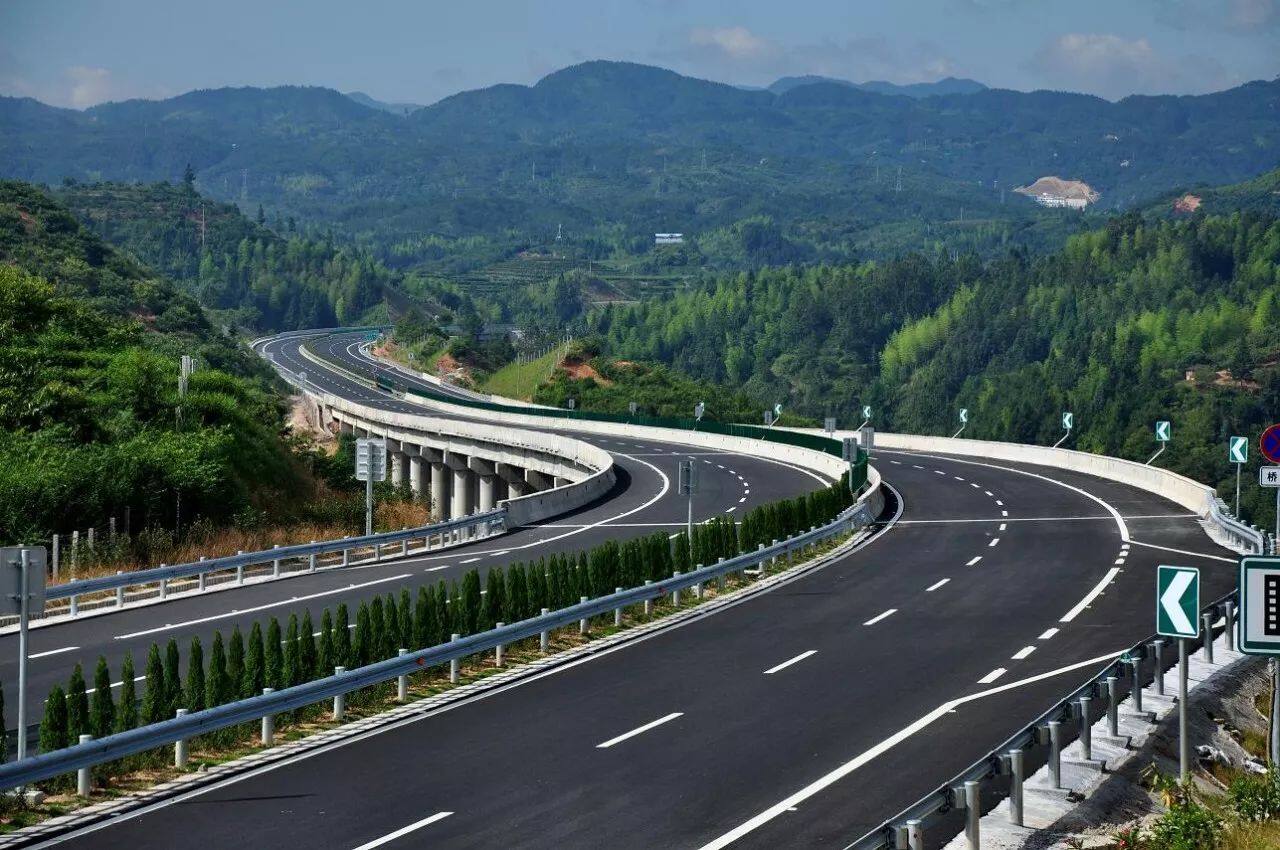
Competition for the right to speak in the Eurasian supply chain
The promotion of this multimodal transport corridor is essentially a proactive move by Central Asian countries to seek a higher strategic position in the global logistics landscape. With the intense competition in various trade channels across the Eurasian continent, Central Asian countries, traditionally serving as transit regions, are actively seeking to transition from passive "channels" to active "hubs". By creating independent and controllable international logistics routes, Tajikistan and Ukraine aim to enhance their bargaining power and node value in the Eurasian supply chain.
The successful operation of the corridor will directly enhance the hub position of Central Asia in global trade. By providing a faster and more economical logistics option, this corridor is expected to divert some of the traditional route's cargo flow and change the balance of regional logistics power. This can not only bring stable transit income to countries along the route, but also promote the development and upgrading of related industries, accelerating the process of regional economic integration. Keywords: interconnectivity news and information, interconnectivity latest news

From a broader perspective, the construction of this corridor is an important component of the Eurasian connectivity network. Against the backdrop of China's active promotion of international cooperation, this corridor is expected to become a new artery connecting the East and the West, promoting economic, trade, and cultural exchanges among countries along the route. For Tajikistan and Uzbekistan, this is not only an infrastructure project, but also a key part of their national development strategy, indicating that they are actively participating in shaping a new regional economic order and striving for a hub position in Central Asia in the Eurasian supply chain system. (This article is from the official website of Jian Dao www.seetao.com. Reproduction without permission is prohibited, otherwise it will be prosecuted. Please indicate Jian Dao website+original link when reprinting.) Jian Dao website interconnection column editor/Gao Xue
Comment




 Praise
 Collect
 Comment

 Share
Share


Write something~