 Search


- The core breakthrough of the new plan lies in cost restructuring. The Iraqi government abandons its obsession with 'all underground'
- If hybrid lines are the key to solving the problem of "being able to build", fully automated autonomous driving technology responds to the expectation of "running well"
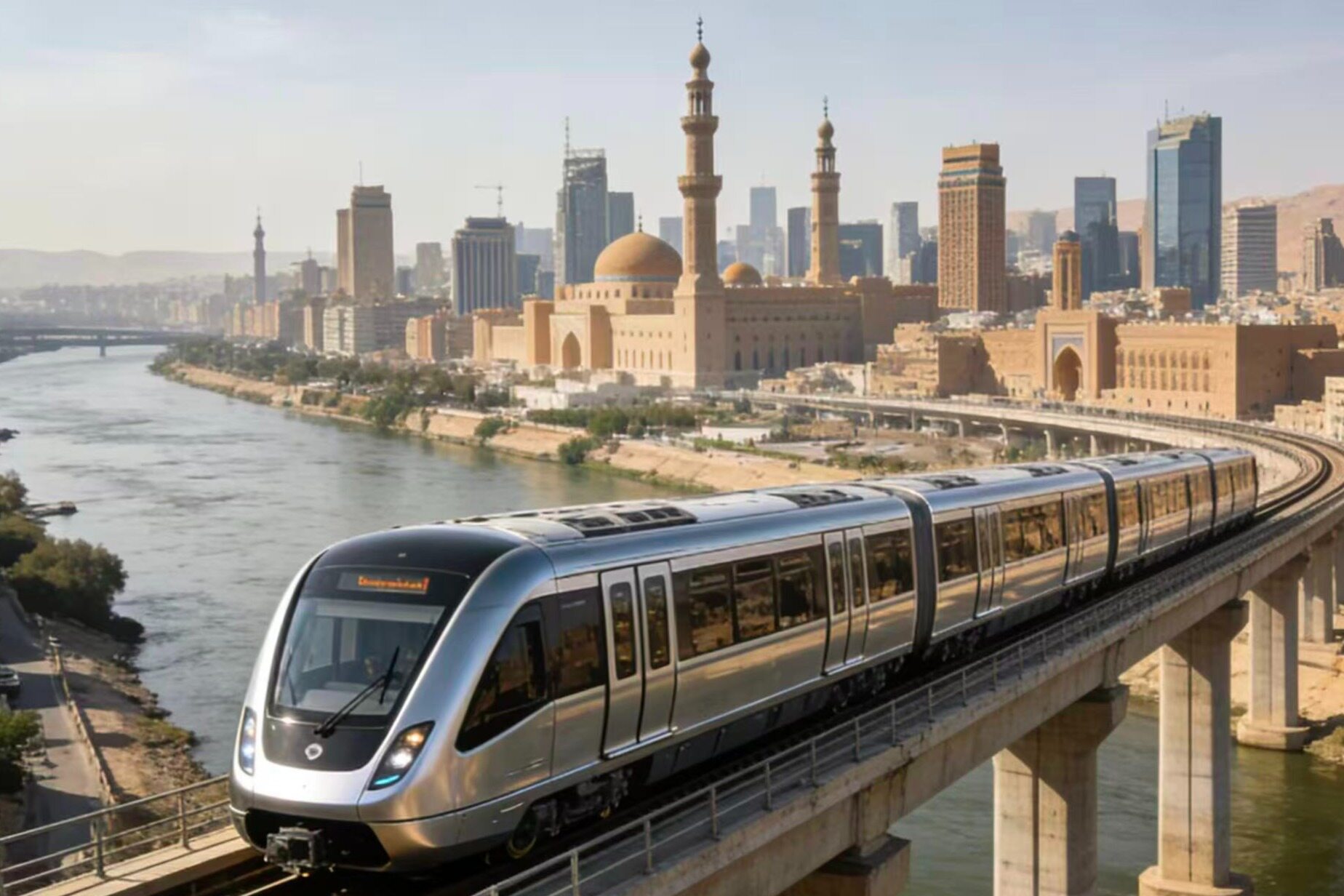
On January 7, 2026, this millennium old city plagued by traffic congestion is ushering in a historic turning point. In early January, the investment advisor to the Iraqi Prime Minister officially announced the bidding plan for the reconstruction of the Baghdad Metro, injecting new vitality into this super project that had been stagnant for decades with fully autonomous driving technology, a "ground+elevated+underground" hybrid line model, and a 30-year PPP franchise agreement. From the once sky high $18 billion plan to the current pragmatic reconstruction, Baghdad is using innovative models to solve the post-war infrastructure dilemma and outline a new picture of convenient transportation for nearly ten million citizens.

Cost logic of hybrid line reconstruction
Going back to the 1970s, Baghdad first proposed a subway plan, but it fell through due to war and sanctions. The underground dominant scheme that will restart in 2024, although carrying the expectation of urban recovery, has pushed the total investment to a high of 18 billion US dollars due to the underground line cost of 200 million US dollars per kilometer, and ultimately resumed due to financial conditions not meeting expectations. At the same time, the urban fabric of Baghdad has undergone tremendous changes: the population has skyrocketed from 3 million to nearly 10 million, and is expected to exceed 11 million by 2030. More than 4 million cars fill 60% of the damaged streets, with an average speed of only 20 kilometers per hour. The congestion index during peak hours is as high as 69%, and the commuting time of citizens has generally doubled.
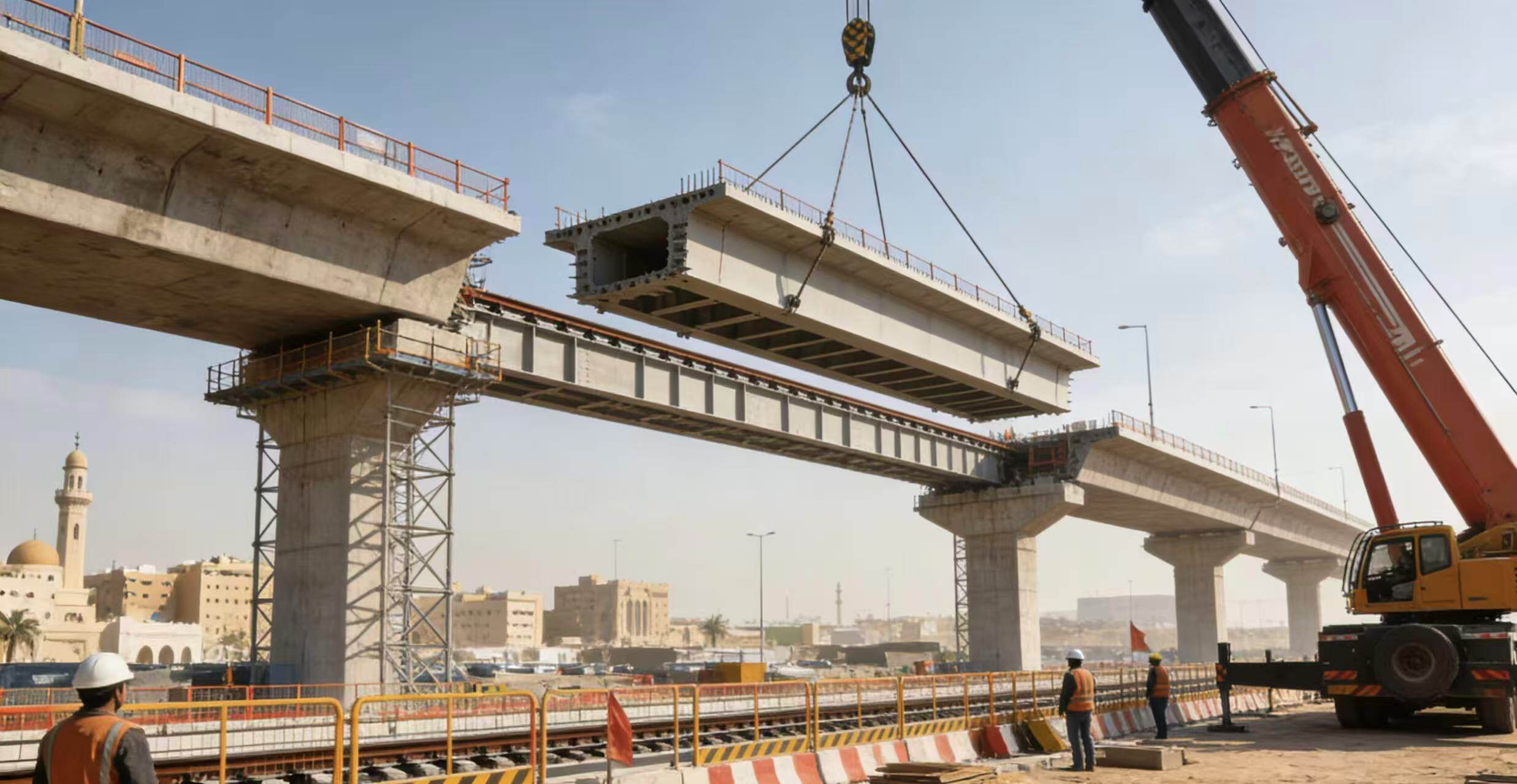
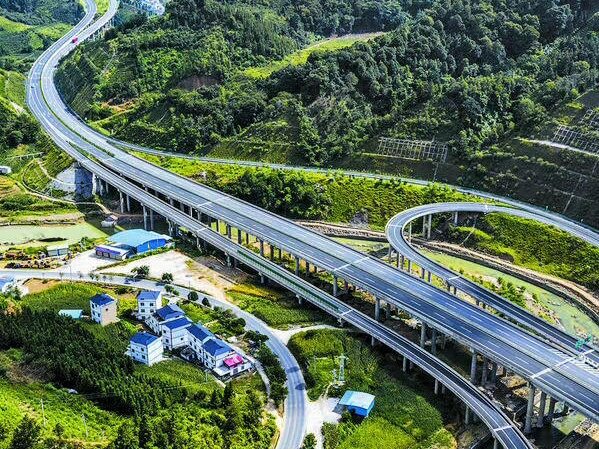
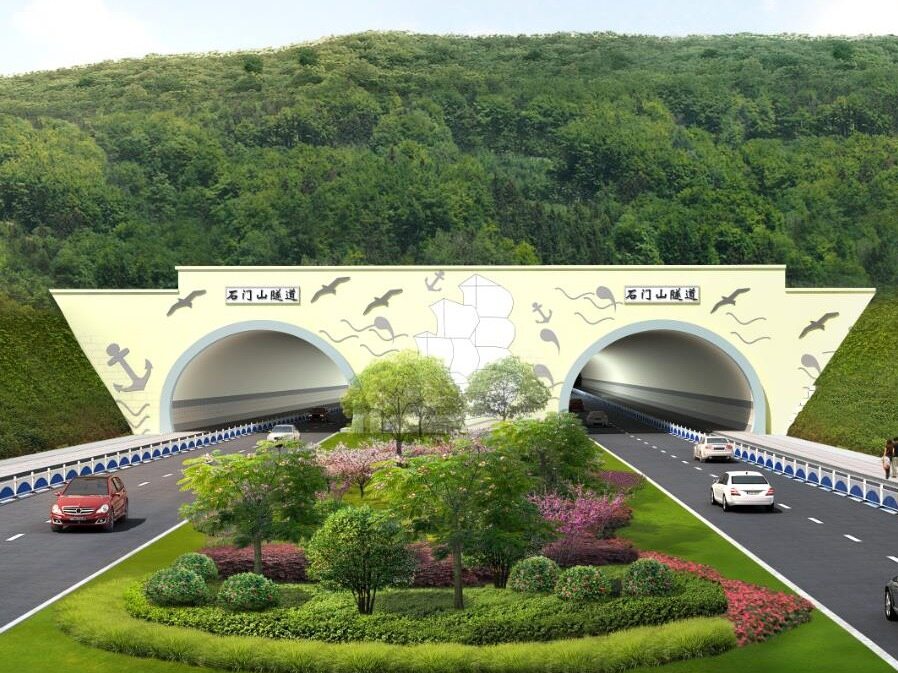
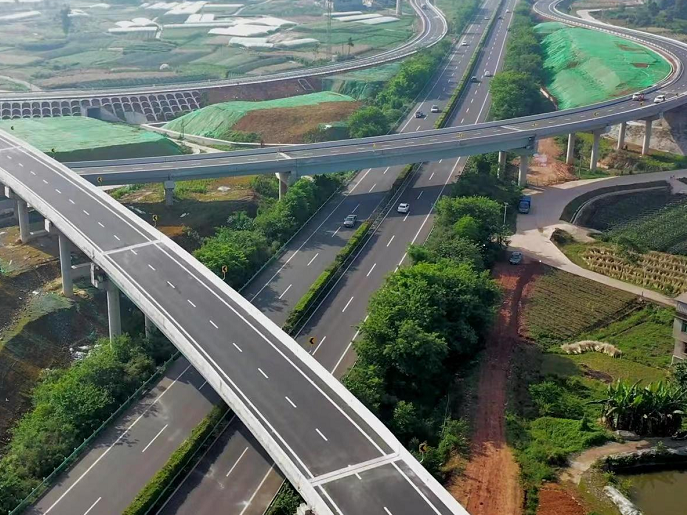
The core breakthrough of the new plan lies in cost restructuring. The Iraqi government has abandoned the concept of "all underground" and designed a layered approach based on the degree of traffic congestion: the central urban area retains underground lines to ensure efficiency, while the peripheral areas mainly consist of surface lines worth 20-30 million US dollars per kilometer and elevated lines worth 50-70 million US dollars. Through a mixed mode of "underground+elevated+ground", the unit cost has been significantly reduced. This adjustment not only meets the practical needs of the city's expansion to areas such as Mahamudia, but also inherits the layered diversion concept of the previous Nisur transportation hub's "2 elevated roads+5 tunnels" - the latter achieved 80% congestion relief through Chinese technology, providing valuable reference for optimizing subway lines.
Autonomous driving outlines smart travel
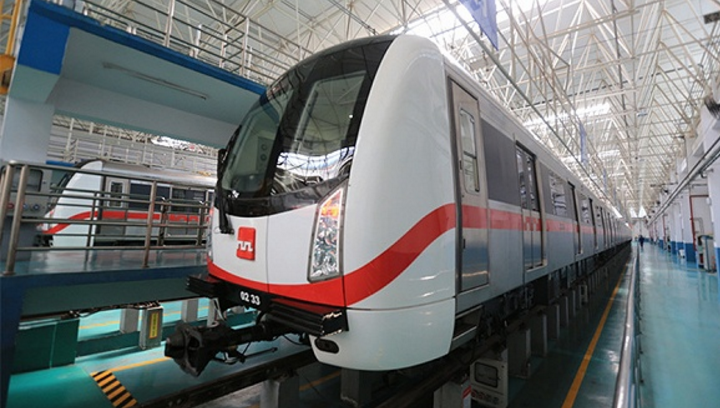
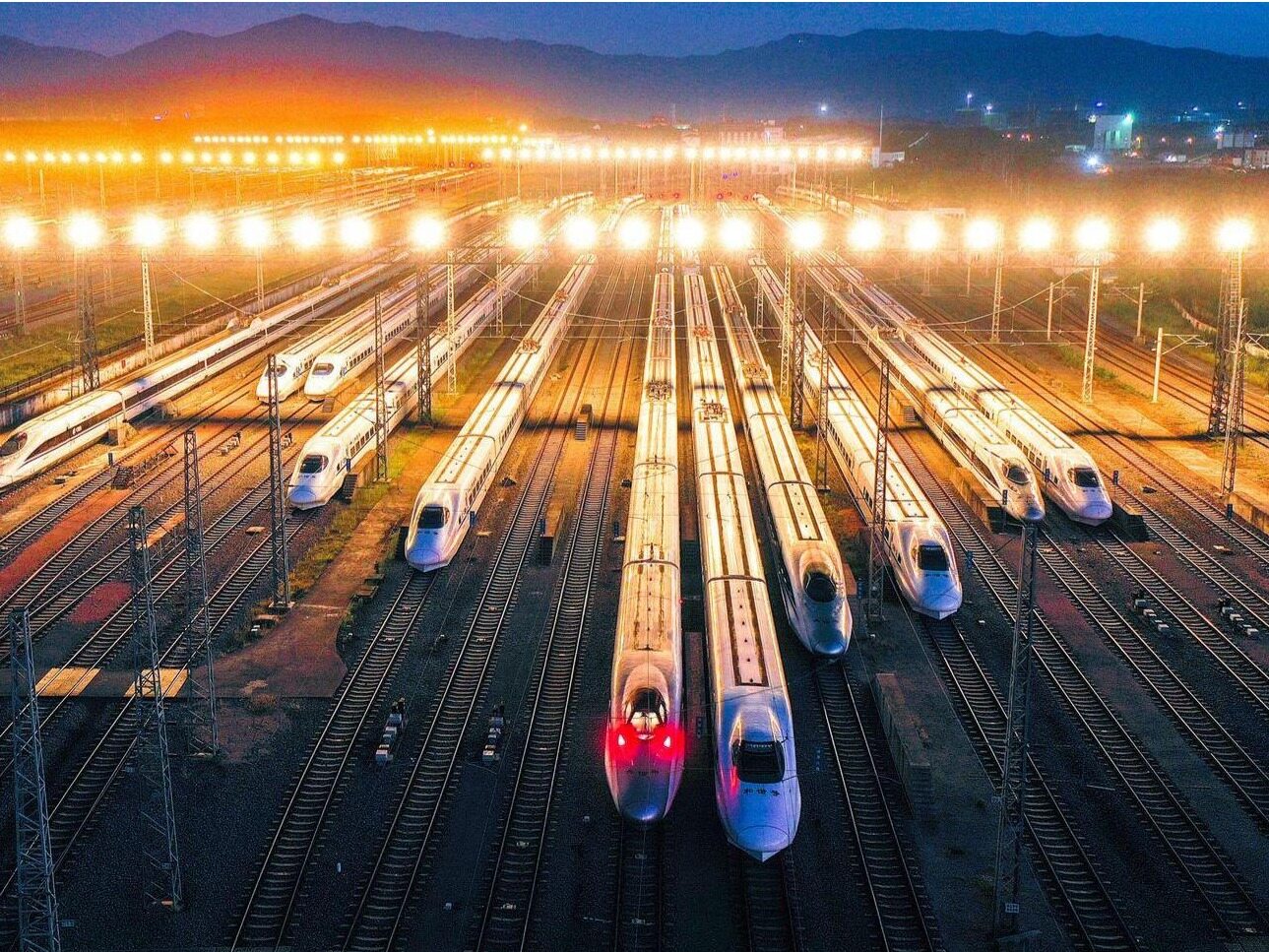
If hybrid lines are the key to solving the problem of 'being built', fully autonomous driving technology responds to the expectation of 'running well'. The new plan clearly adopts the international highest level (GoA4) fully automated unmanned driving system, which can achieve automatic wake-up, self inspection, operation, parking, and car washing without human intervention throughout the entire process. This not only improves the smoothness and punctuality of operation, but also reduces maintenance costs by about 30% through data-driven methods. Although this will increase the initial procurement investment, in the long run, it can significantly reduce human operational errors and meet the practical needs of the reconstruction of Baghdad's public transportation system.
As the core hub of urban public transportation, the new subway will seamlessly connect with the bus and tram systems, building a "door-to-door" transfer network to avoid increasing the burden of ground transportation. Behind this plan is a precise response to the transportation pain points in Baghdad: previously, due to the lack of a comprehensive public transportation system, taxis became the main mode of transportation, further exacerbating road congestion. The high-density departure and precise scheduling capabilities of autonomous subways are expected to carry hundreds of thousands of passengers in a single day, becoming the "main artery" for relieving urban transportation. At present, the World Bank and the European Bank for Reconstruction and Development have clearly expressed their interest in participating, providing important support for project financing.
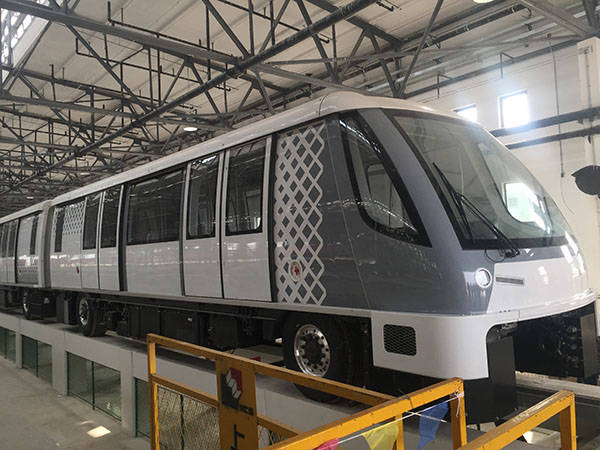
From 26 international companies bidding in 2024, to the Malaysian consortium winning the supervision service contract, and now the restructuring of the plan, every step of the Baghdad Metro embodies the desire for urban recovery. This subway line, which combines cost control wisdom and cutting-edge technology, will not only change the way nearly millions of citizens travel, but also become a benchmark project for post-war infrastructure reconstruction in Iraq, injecting a new era of vitality into the ancient city under the date palm trees.Editor/Bian Wenjun
Comment

 Praise
 Collect
 Comment

 Share
Share


Write something~