 Search


- Kazakhstan, whose population once plummeted sharply, now marks a historic moment with a population exceeding 20.47 million
At the beginning of 2026, the population of Kazakhstan will historically exceed 20.47 million. However, the growth of this number is far from an ordinary demographic, and it carries the difficult rebirth of a nation after crossing huge historical trauma. It also marks a profound transformation of its national development philosophy from a grand narrative that devours individuals to cherishing every concrete life.
Devoured individuals and fragmented inheritance
The path of population recovery in Kazakhstan began with a profound humanitarian disaster. In the early 1930s, the Soviet Union's agricultural collectivization and forced settlement policies triggered a devastating famine on the Kazakh grasslands. According to the National Encyclopedia of Kazakhstan, this' disaster 'resulted in a staggering decrease of approximately 3.3795 million rural residents within three years. If we exclude fugitives, the estimated death toll is around 2.2 million. There are also statistics showing that the total population loss could reach nearly 3 million, with an additional 1.5 million people forced to flee their homes. This tragedy is known as the 'Great Famine of Kazakhstan' in later generations. It was not a natural disaster, but a complete man-made disaster.
The deeper trauma lies in the rupture of social structure and the continuity of civilization. The memoir of a witness describes that the nomadic life that lasted for hundreds of years was "like a rope cut off by a knife, suddenly interrupted", and with it disappeared the traditional Kazakh values of "passion for others, emphasis on credit, and compassion for the weak". A family that originally had 20 males has only 11 offspring after decades, with a population growth rate of only one-fifth of normal levels. This is not only the extinction of the body, but also the collapse of a way of life and moral world. In the era when the national machinery attempted to play the role of a "god" and devour individuals in the name of the collective, individual life and family inheritance became the most insignificant sacrifices, and population became a cold number serving ideology. It was not until the 1970s that the Kazakh population barely recovered to pre famine levels, and the recovery of the soul required a longer process.
Policy reconstruction centered on family and dignity
After independence, especially in recent years, Kazakhstan's population and social policies have shown a completely different logic from history. Its core lies in cultivating policy objectives from abstract "national resources" to support specific family welfare and individual dignity.
This shift is most clearly reflected in the family support system that encourages childbirth. In 2025, Kazakhstan invested over 437 billion tenge in maternity and childcare subsidies, benefiting nearly one million people. Its policy design is meticulous and progressive: families with the first to third child can receive a substantial one-time subsidy, while those with the fourth child or more receive even more generous subsidies. In addition, the government also provides monthly childcare allowances for children under 1.5 years old, and the amount increases with the number of children. These policies no longer view the family as a tool to achieve population goals, but rather recognize and strengthen the value of the family as the basic unit of society through real investment, helping parents take on the responsibility of raising the next generation.
At the same time, the social security system covering the entire life cycle, especially the pension system, reflects the institutional recognition of individual value. The state ensures that all eligible elderly people can receive a basic pension, with an average pension level of about 1000 yuan per month by 2025. This is completely different from the previous concept of viewing people only as "labor reserves". It acknowledges that every stage of life has an inalienable inner dignity, and that later life should enjoy dignity and security.
Regain hope in ordinary life
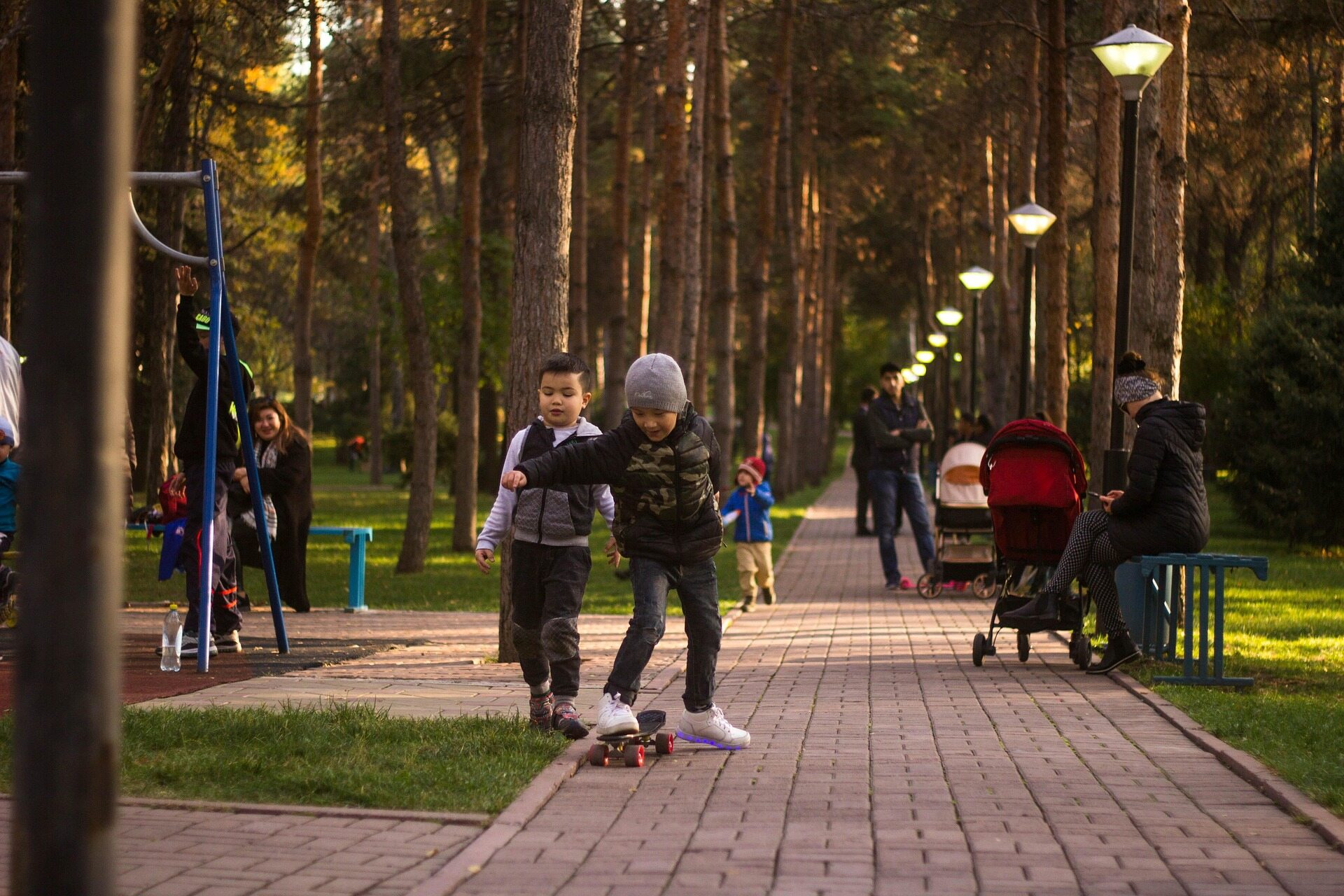
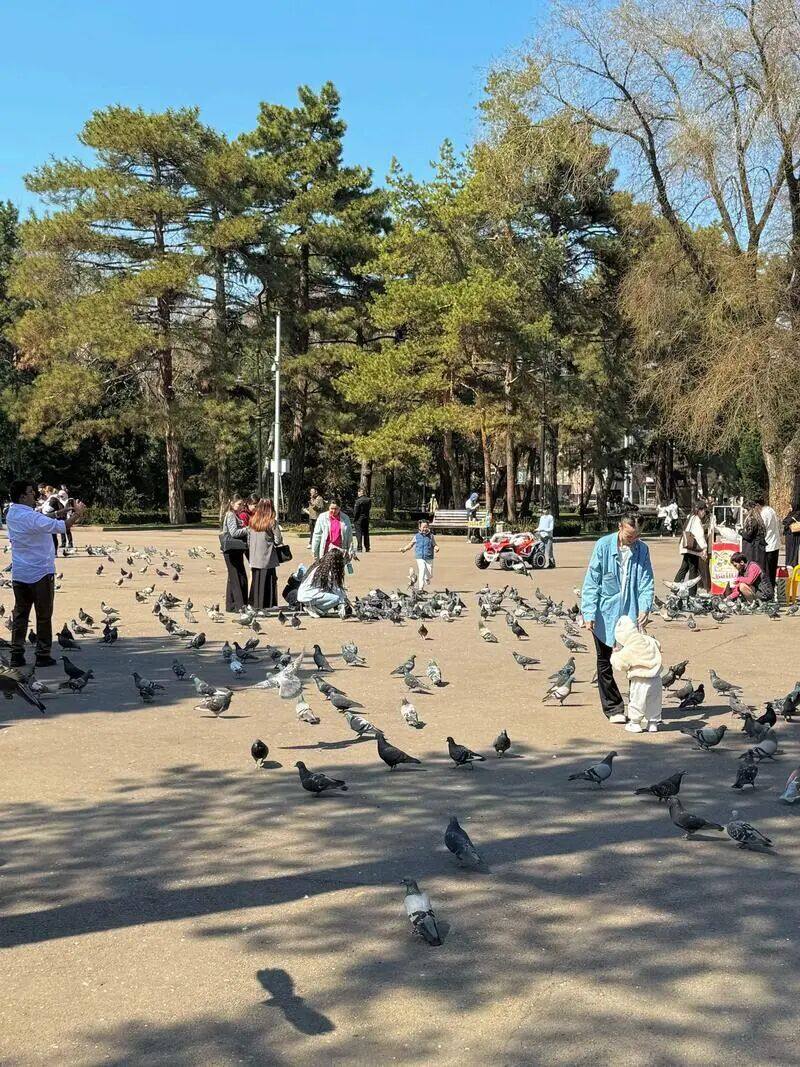
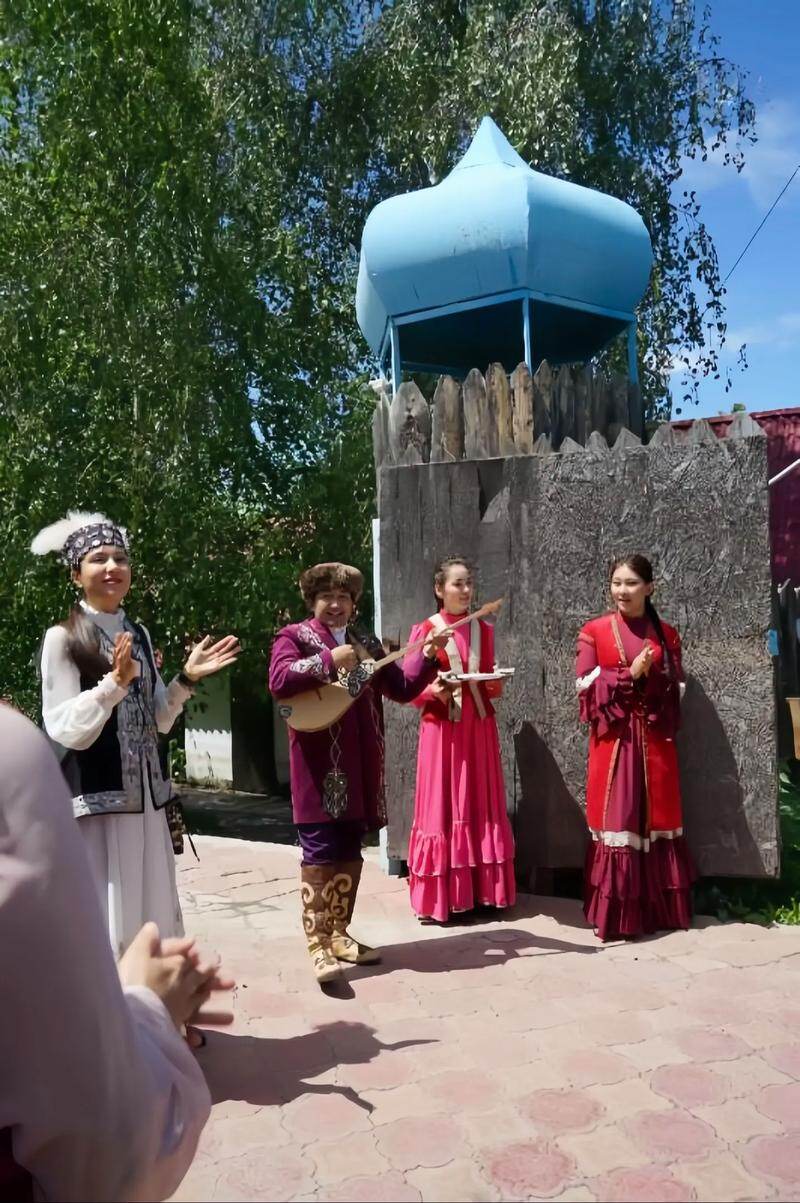
The comprehensive effectiveness of current policies is gradually transforming into a tangible quality of life for ordinary people. The satisfaction of residents with social support remains at a very high level, and the average life expectancy has steadily increased. More significant changes occur in daily scenes: in the parks of Almaty, elderly people receiving pensions leisurely talk about their grandchildren's interesting stories; On the streets of Astana, young parents stroll with strollers. These plain and warm scenes form a sharp contrast across centuries with the memories of displacement and family decline on the grasslands described in historical documents. Keywords: Kazakhstan, human civilization

Therefore, 20.47 million is not just a demographic milestone, it is a witness to a nation's spiritual rebirth from the devouring of collectivism. It reveals a simple truth: when state power learns to respect life and protect families, and when development indicators truly serve the improvement of specific lives rather than the proof of grand narratives, individuals can bloom and civilization can continue. The path Kazakhstan has taken from "statistics" to "specific people" is the most solid cornerstone for its journey towards the future.Editor/Cheng Liting
Comment


 Praise
 Collect
 Comment

 Share
Share


Write something~