 Search


- Solar surge exposes structural problems in Brazil's power grid
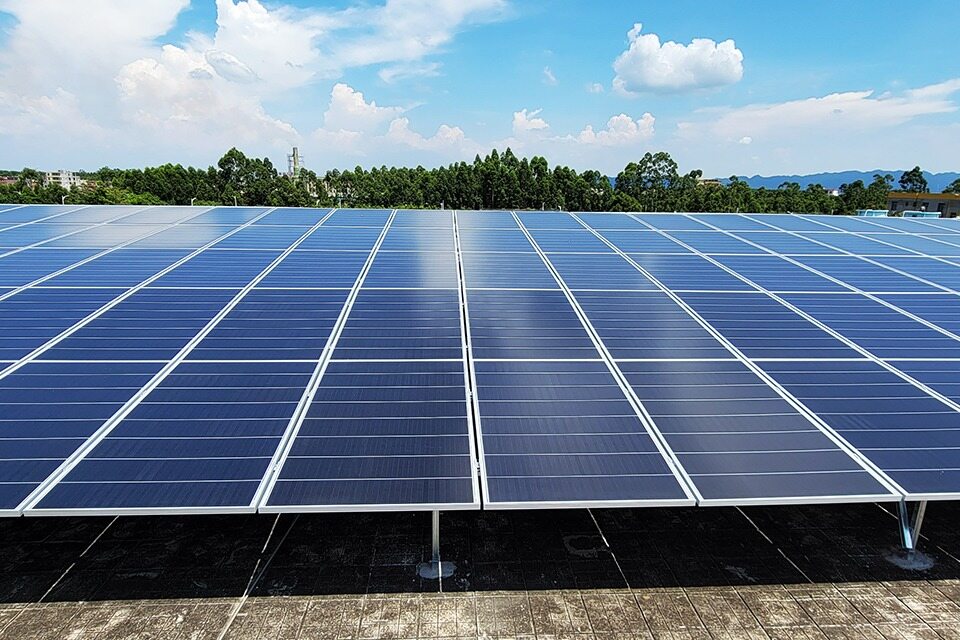
At the beginning of 2026, Brazil's energy transition is facing an unexpected test: the surge in solar power generation is putting unprecedented pressure on the stable operation of the national power grid. Especially on weekends and holidays, when electricity demand drops sharply and sunlight is abundant, the balance of the power grid becomes exceptionally fragile, even repeating the risk of a near power outage on Father's Day in 2023. This challenge highlights the profound contradiction between the flexibility and management mode of the power system behind the rapid development of clean energy.
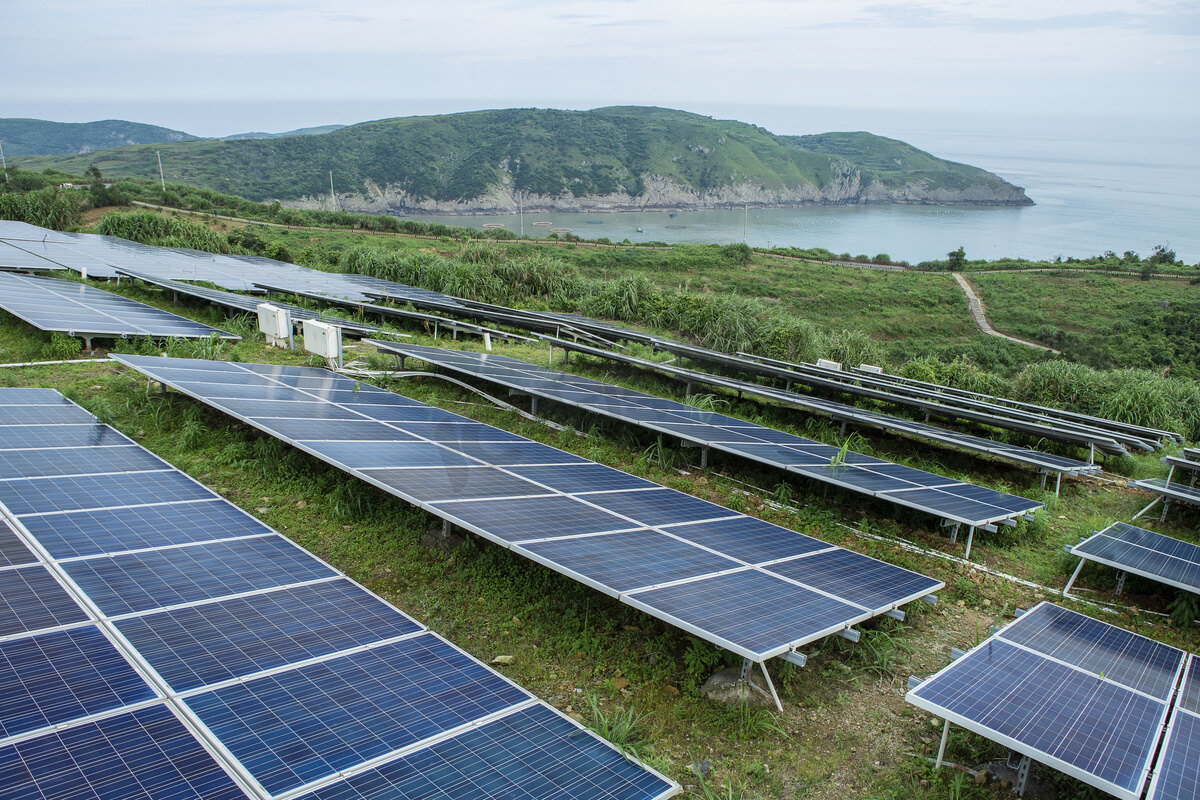
Significant pressure on power grid balance
The installed capacity of solar power in Brazil has exceeded 60 gigawatts, most of which are distributed photovoltaic systems that are difficult for grid operators to directly control. Experts point out that since mid December 2025, the daily power generation from solar energy has continued to exceed that of traditional main hydropower. On a working day like January 8, 2026, the solar power output at noon can reach 40 gigawatts, but on weekends and holidays, the national electricity load may drop to around 70 gigawatts. At this point, if solar power generation accounts for 42 gigawatts, coupled with the necessary operation of nuclear power plants and some thermal power, the space left for adjustable power sources such as hydropower will be extremely compressed, resulting in the power grid operating close to a critical state, and there is a substantial risk of power outages caused by supply-demand imbalance.
The scheduling capability is facing challenges
The current power grid crisis has exposed the structural weaknesses of Brazil's power system. State Grid operators lack direct control over the massive amount of rooftop distributed photovoltaics and are unable to intervene effectively when there is an excess of electricity. At the same time, some traditional power sources (such as "rigid" thermal power plants constrained by natural gas supply contracts) cannot be flexibly shut down, further weakening the system's regulatory capabilities. Experts warn that as early as the first quarter of 2026, Brazil could face a high-risk day similar to Father's Day in 2023, when grid operators were forced to cut off all controllable power sources, still narrowly avoiding a widespread power outage. This indicates that the existing scheduling models and infrastructure are no longer suitable for the new power system dominated by volatile renewable energy. Keywords: Photovoltaic New Energy News, Photovoltaic New Energy Information
Adopting both short, medium, and long-term measures
Faced with challenges, Brazilian regulatory agencies, grid operators, and research institutions are seeking multi-level solutions. In the short term, power grid operators have been granted indirect control over distributed generation through distribution companies and plan to respond to crises by flexibly deploying hydropower stations and adjusting thermal power operations. The academic community suggests reforming the compensation mechanism for hydropower and incentivizing it to play a flexible regulatory role. In the medium to long term, Brazil plans to construct long-distance transmission lines to optimize energy space allocation, and is expected to hold the first round of large-scale battery storage bidding in 2026. In addition, establishing a more refined distributed network management model to enhance visibility and predictive capabilities for massive distributed power sources is also seen as a key to ensuring the reliability of future power grids. These measures collectively aim to promote green energy transformation while ensuring the safety and stability of the power system. (This article is from the official website www.seetao.com of Jiandao. Reproduction without permission is prohibited, otherwise it will be prosecuted. Please indicate Jiandao website+original link when reprinting.) Jiandao website photovoltaic column editor/Gao Xue
Comment



 Praise
 Collect
 Comment

 Share
Share


Write something~