 Search


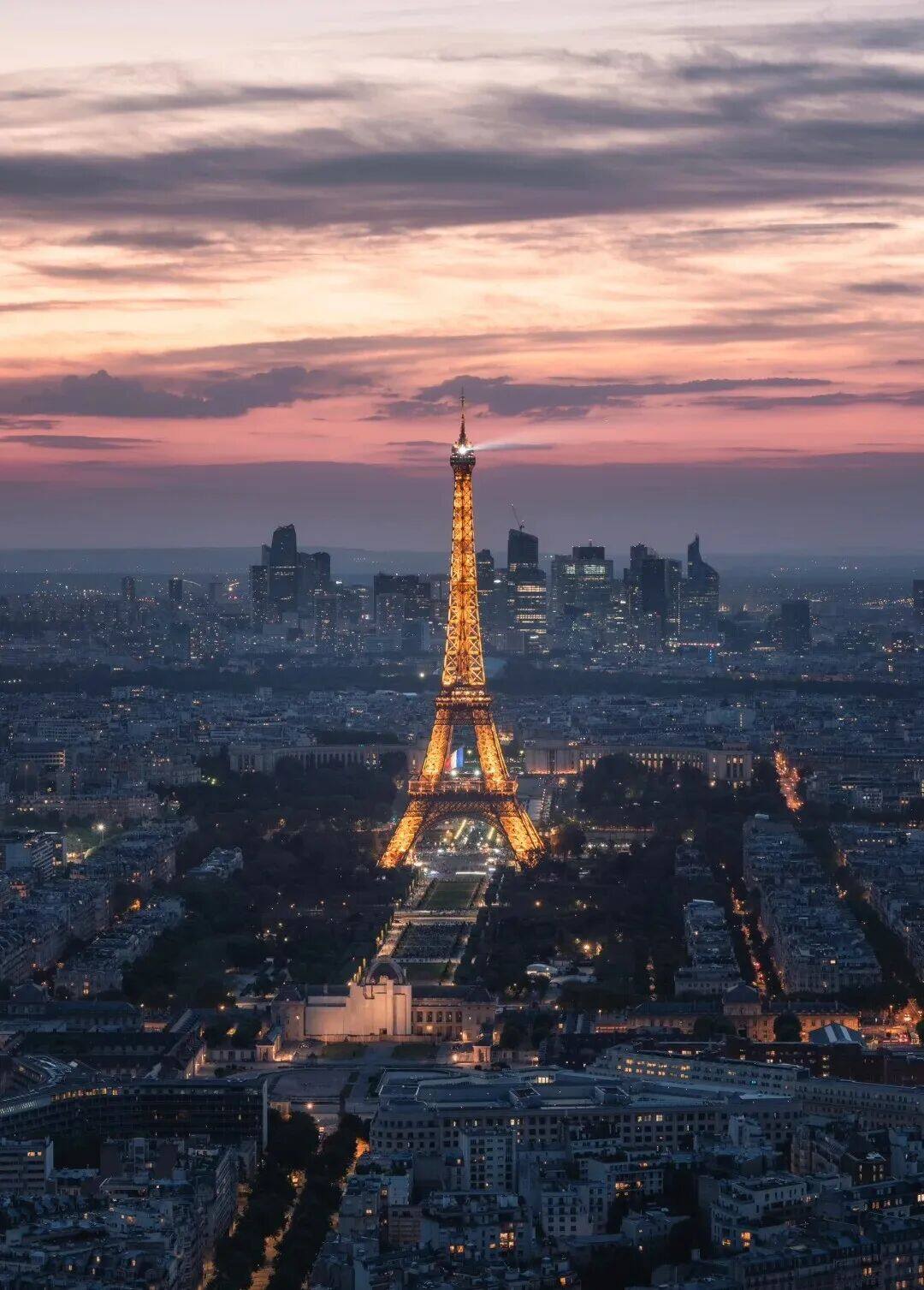
- The 360 degree observation deck of the Montparnasse Tower is the best spot to capture panoramic views of the rooftops of Paris
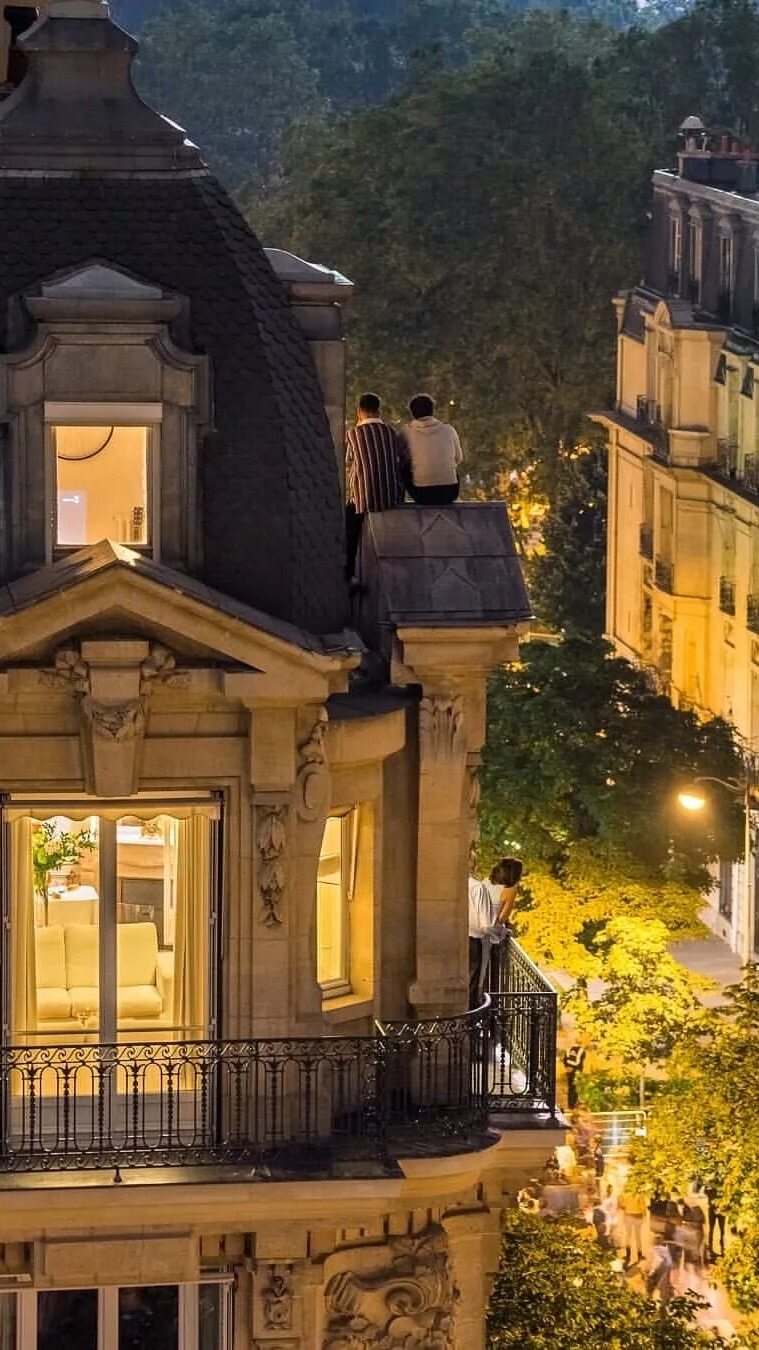
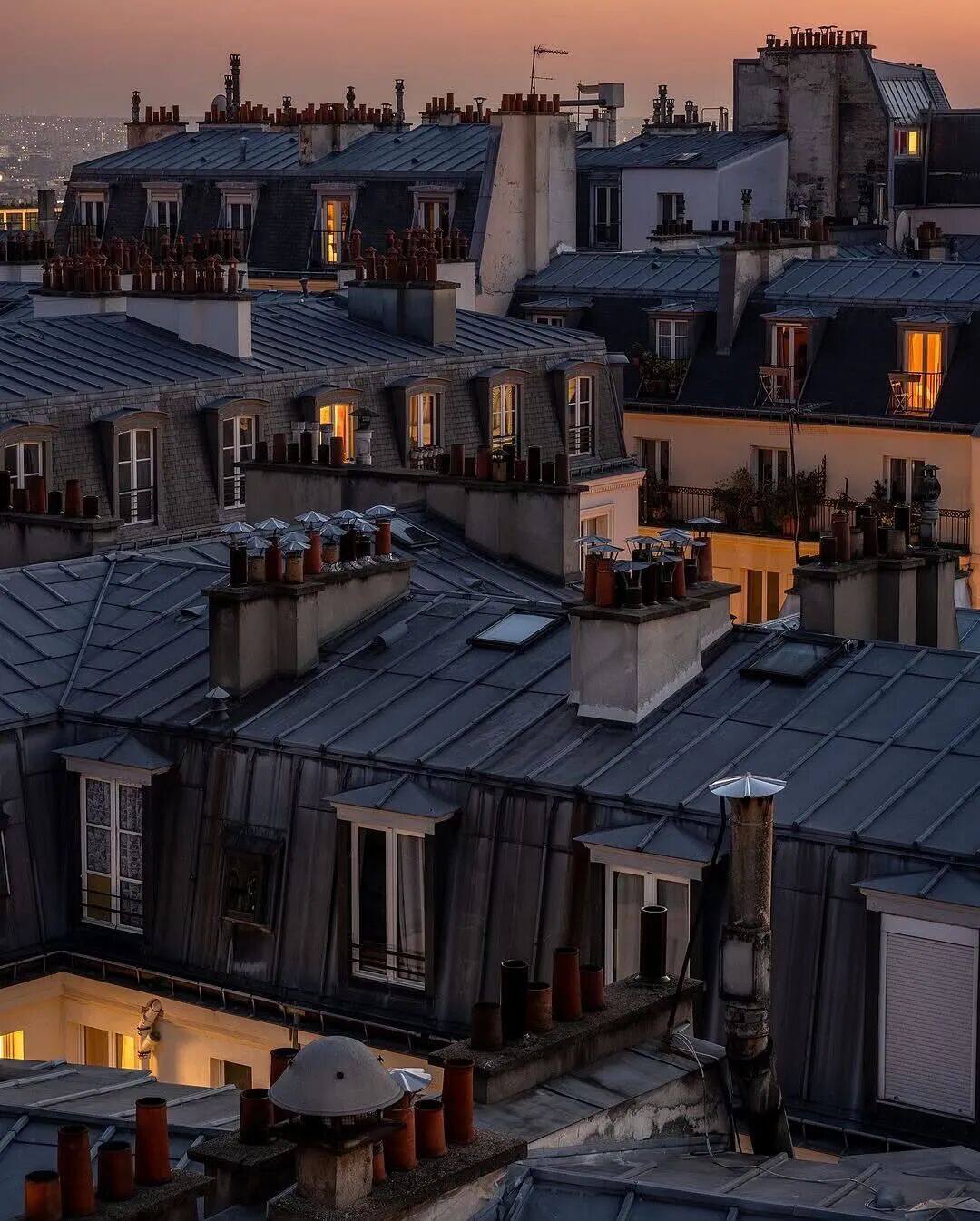
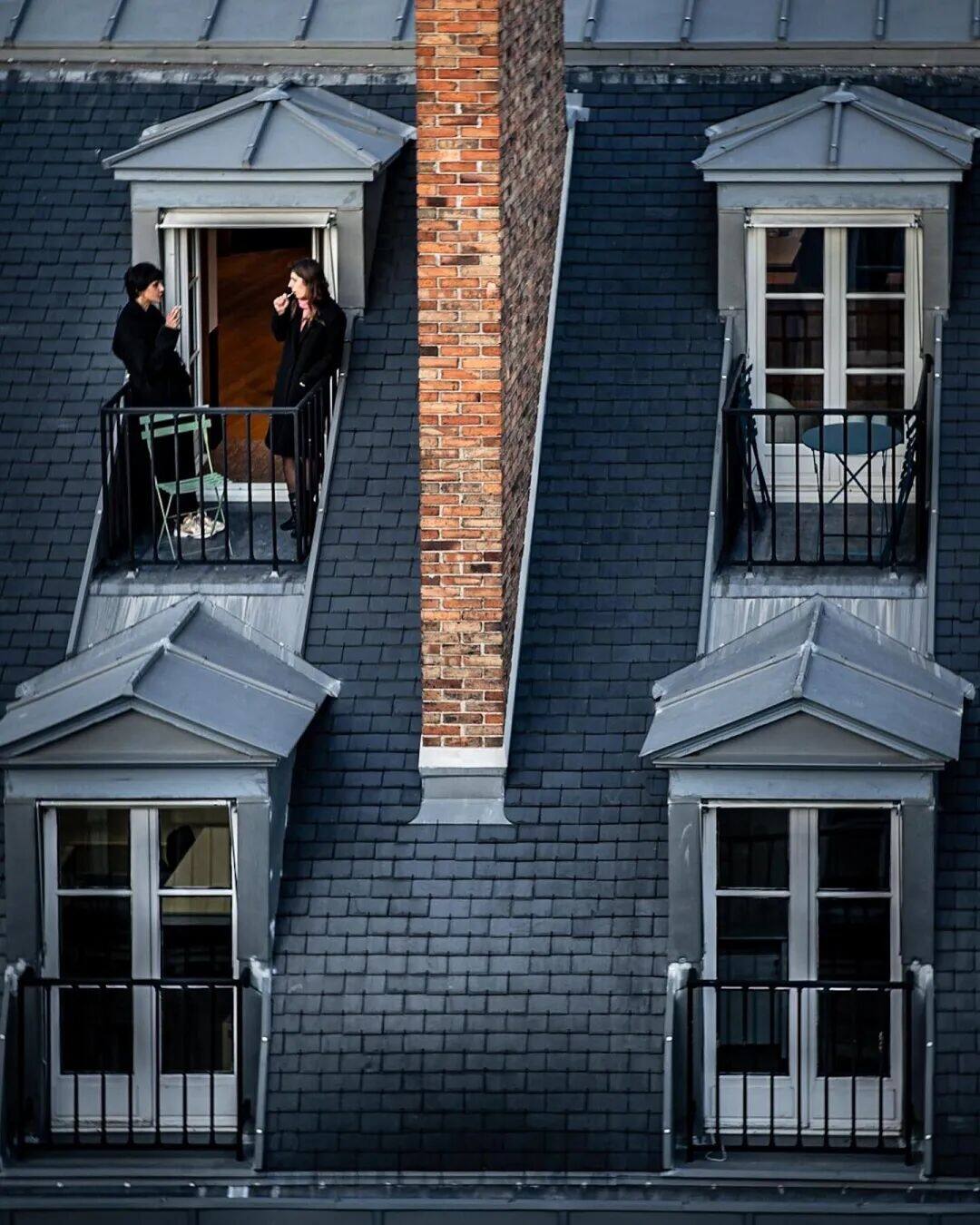
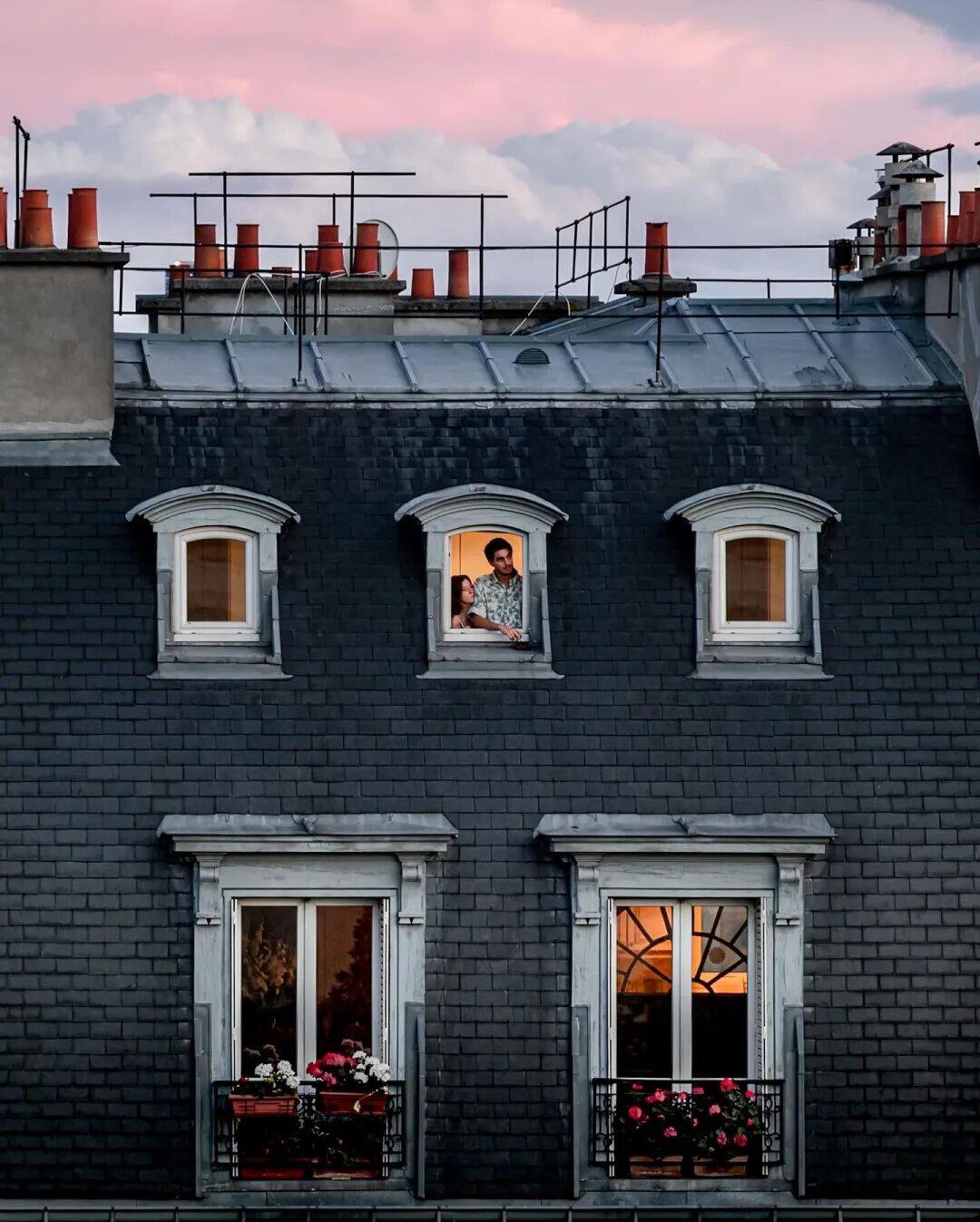
When tourists' cameras were focused on the steel outline of the Eiffel Tower and the dazzling lights of the Champs - É lys é es, the true urban background of Paris was hidden above the undulating blue grey roofs. This unified color scheme covering the entire city is not a natural landscape, but a historical relic of the 19th century urban transformation, and a witness to the governance of Paris from the chaotic Middle Ages to a modern city. Nowadays, these roofs carrying century old memories are not only benchmarks of architectural aesthetics, but also unique windows for observing the social structure, lifestyle, and urban spirit of Paris.
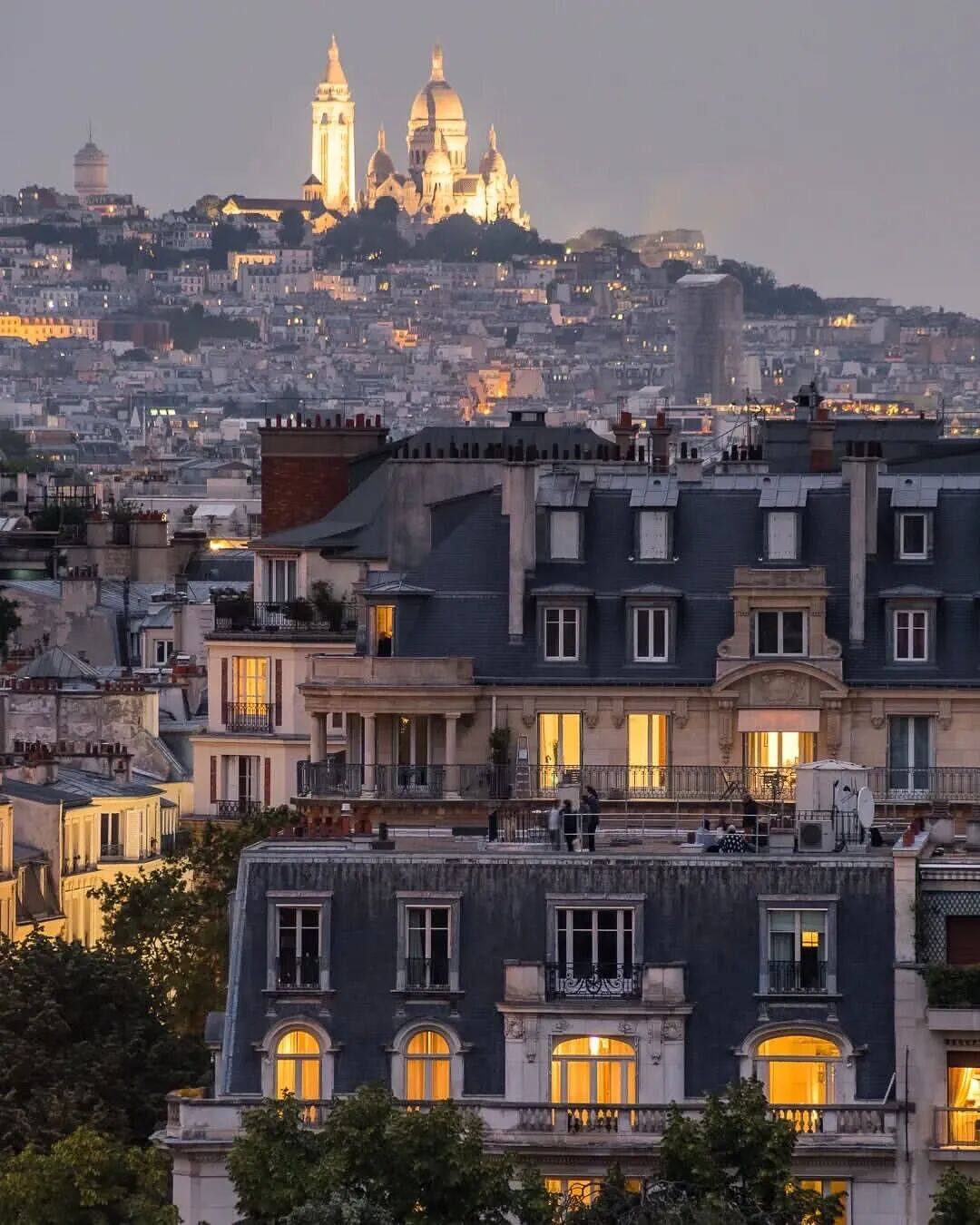
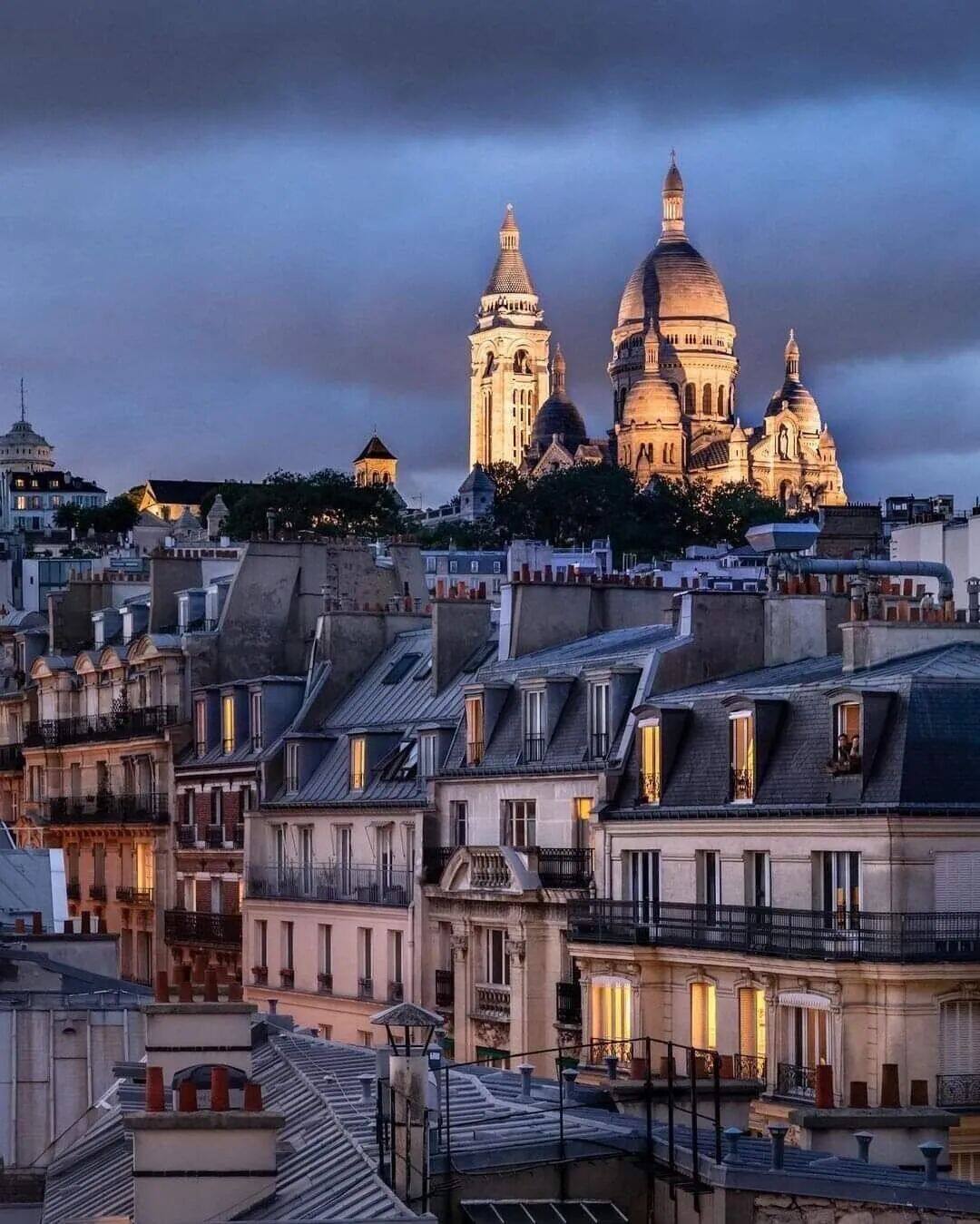
A governance revolution that reshapes the urban skyline
In the mid-19th century, Paris was deeply mired in congestion and chaos since the Middle Ages: narrow streets winding and twisting, densely packed and disorderly houses, poor sanitation conditions, frequent fires and epidemics. In 1853, Napoleon III appointed Baron Osman to initiate a large-scale urban renovation project, which later became known as "Ottomanization". This project not only widened streets and built tree lined avenues, but also established a unified urban style for Paris through a "rooftop revolution".
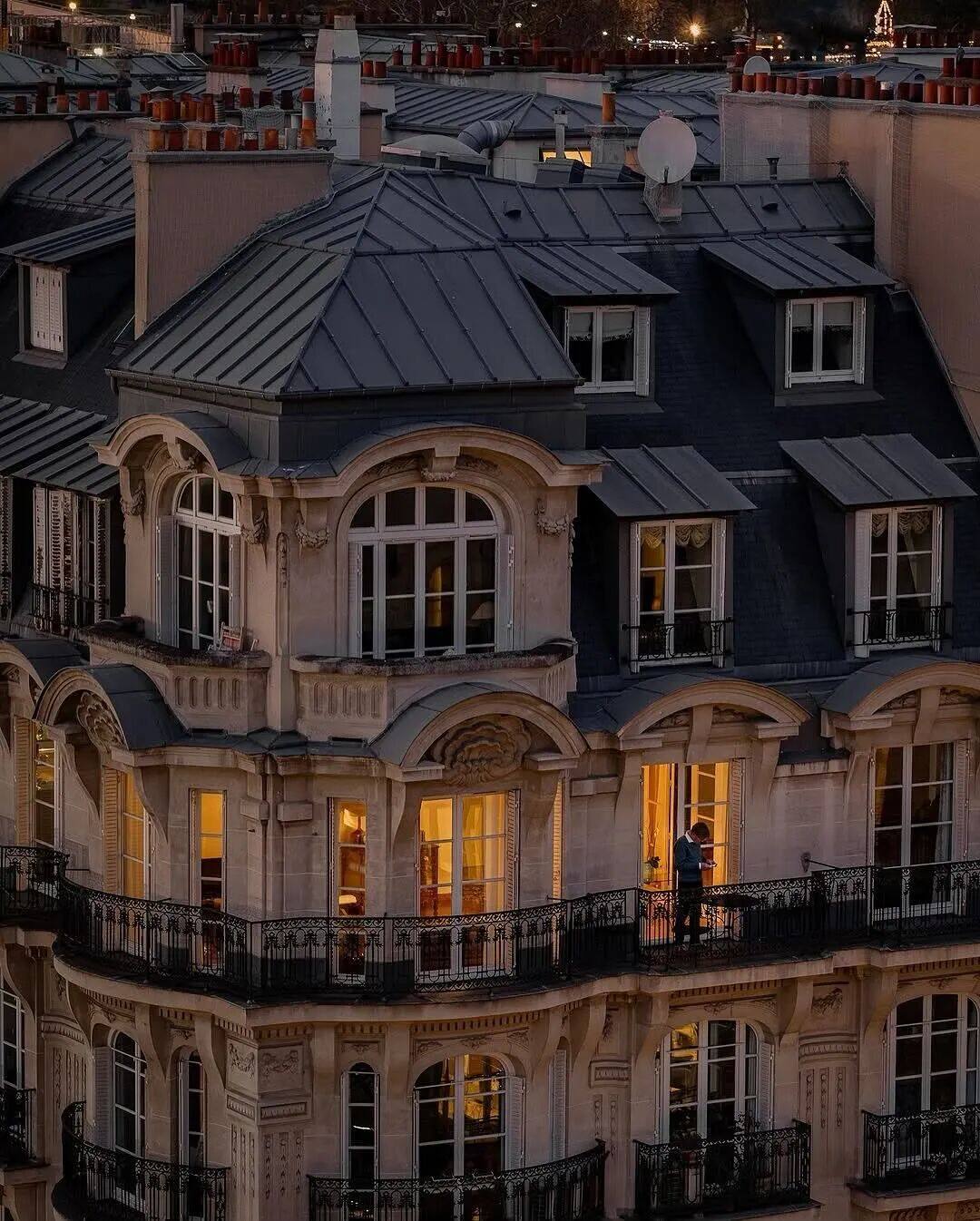
The roof is the fifth facade of the city, and it must balance practicality and aesthetics. "Osman clearly stated in the renovation plan the rigid standards for roof construction: materials must meet four major requirements: lightweight, inexpensive, easy to process, waterproof and moth proof. After repeated experiments, zinc plate and slate became the final choices - zinc plate has a soft and bendable texture, and forms a blue gray protective film after oxidation, naturally blending with the sky tone of Paris; Slate is used in areas with gentle slopes, and its dark gray texture combines durability and visual harmony. This decision not only solved the pain points of building materials at that time, but also unexpectedly shaped the unique skyline logo of Paris.
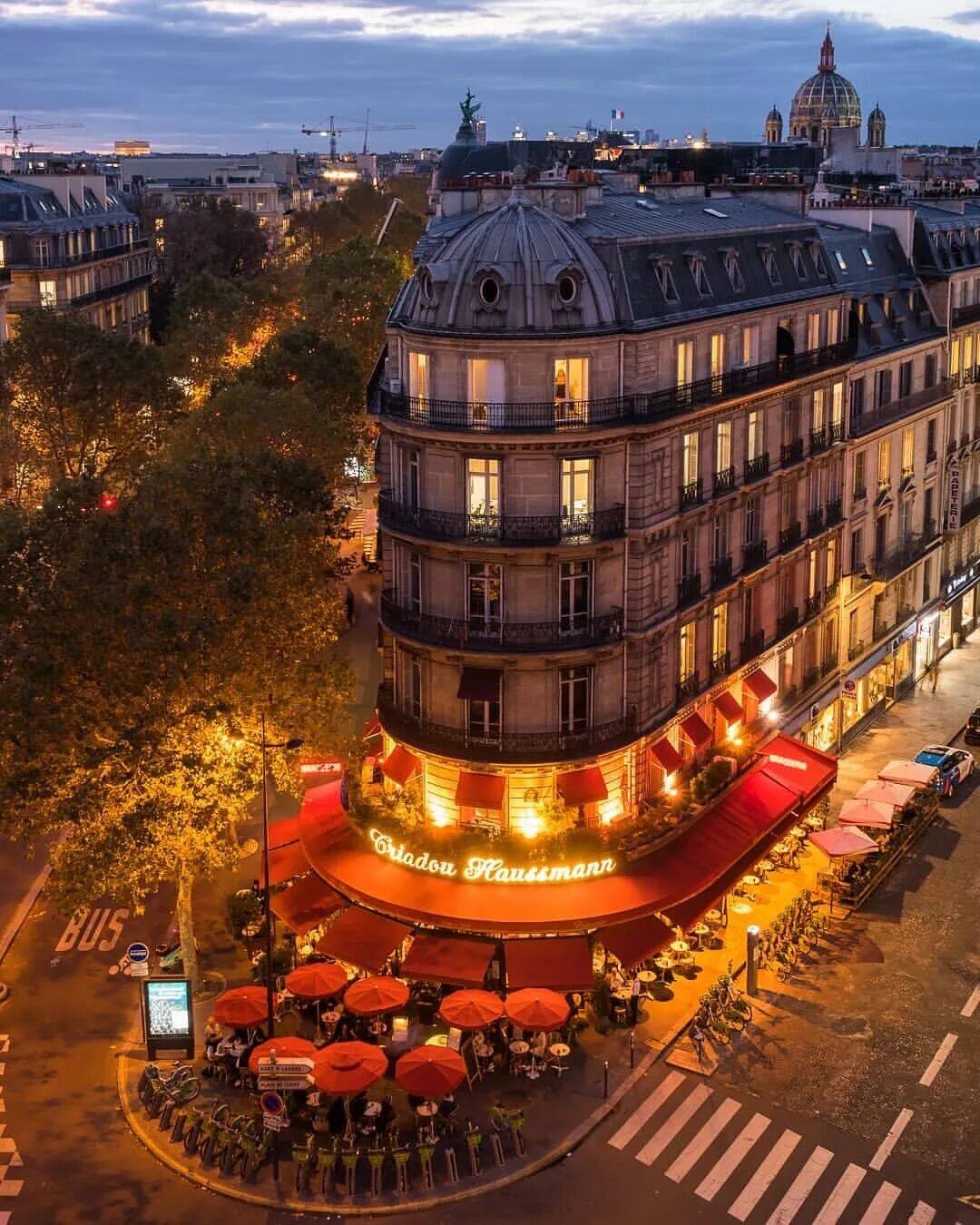


A three-dimensional view from the observation deck to urban life
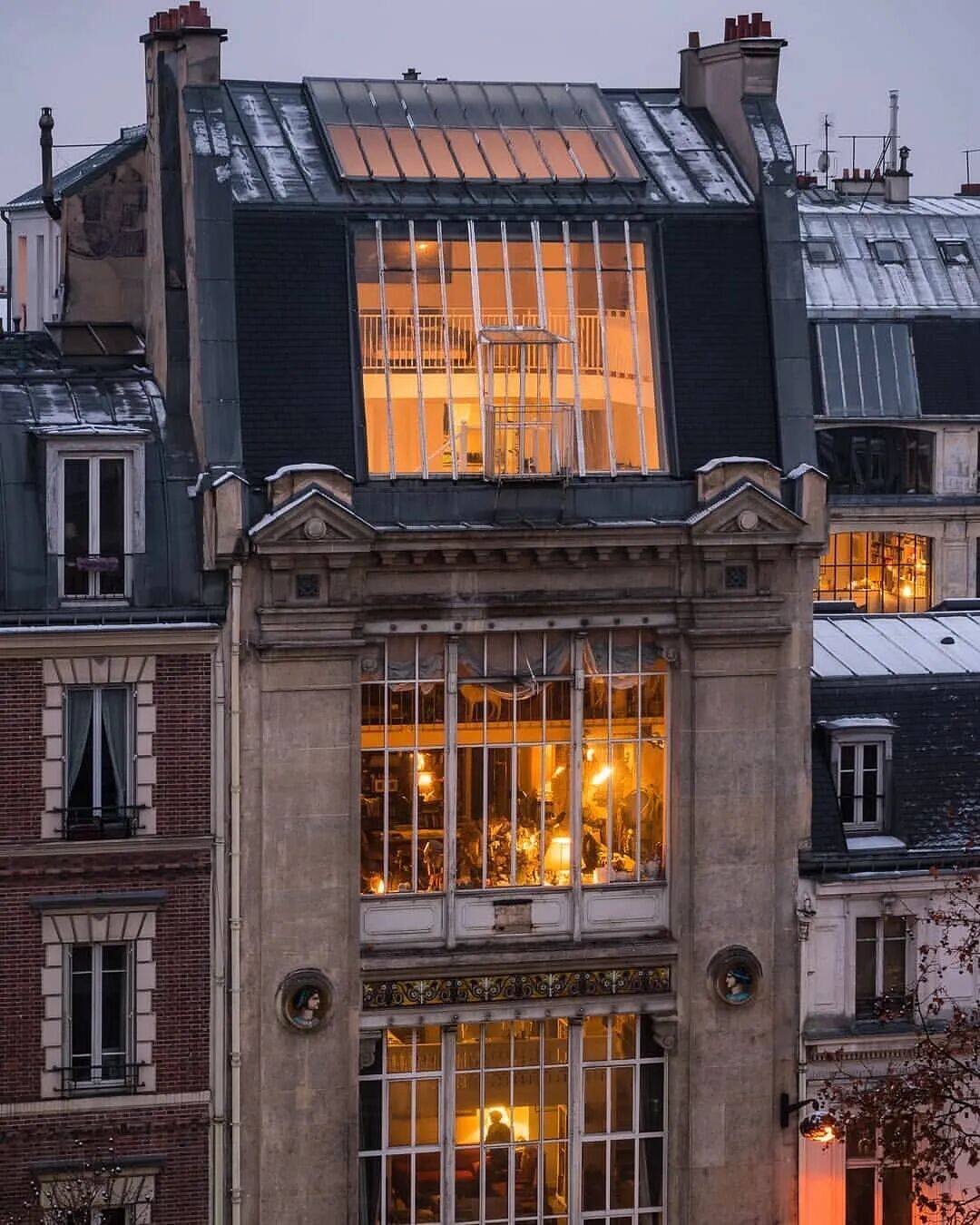
In Paris, climbing rooftops has long surpassed the single function of "viewing scenery" and become a way of life that deeply penetrates the urban fabric. Different types of rooftop viewing areas, like prisms, reflect the diverse faces of Paris - from panoramic views of landmark buildings to daily fireworks in niche neighborhoods, rooftops provide people with the possibility of understanding Paris from a different perspective.
The 360 degree observation deck of the Montparnasse Tower is the best spot to capture panoramic views of the rooftops of Paris. At a height of 210 meters, the blue grey roof stretches out like waves into the sky, with the Seine River passing through the city and the spire of the Eiffel Tower complementing the color scheme of the roof in the sunset glow. Here you can see the skeleton of Paris, "said the staff of the observation deck. Nearly a thousand tourists come here every day to record this unified and unique skyline. Compared to the hustle and bustle of Montparnasse, the roof of the Pantheon is a quiet observer. The observation deck, led by 206 steps, overlooks the dense rooftop community of the Latin Quarter. The Gothic spire of Notre Dame Cathedral in Paris stands in stark contrast to the modern silhouette of the Eiffel Tower. The morning sun shines on the zinc roof, reflecting a soft luster that is rarely disturbed by tourists, making it a private hiding place for locals and deep travelers.
The urban spirit behind the roof and the dilemma of protection
Nowadays, the blue and gray roofs of Paris have been incorporated into the urban heritage protection system and become an unchangeable urban symbol. In 2010, the Paris city government issued the "Roof Protection Regulations", which clearly stipulated that the roofs of buildings in historic urban areas cannot be replaced with materials, changed in color, or added with illegal constructions without authorization. Violators will face high fines. The introduction of this policy stems from the adherence to the unity of urban style - in the eyes of Parisians, this blue grey skyline is not only an architectural landscape, but also the core of urban identity.
The roof is the carrier of Paris' memory, and protecting it is protecting the city's history, "said Anna Dupont, head of the Paris Architectural Heritage Preservation Association. The association is working with the government to explore repair solutions that combine traditional materials with modern technology, while guiding commercial roofs to maintain a humanistic tone during opening. In her opinion, the charm of Parisian roofs lies not only in their unified aesthetic style, but also in their close connection with urban life - from Ottoman era urban governance to today's shared public spaces, the functions of roofs have changed, but the urban spirit they carry has never changed.
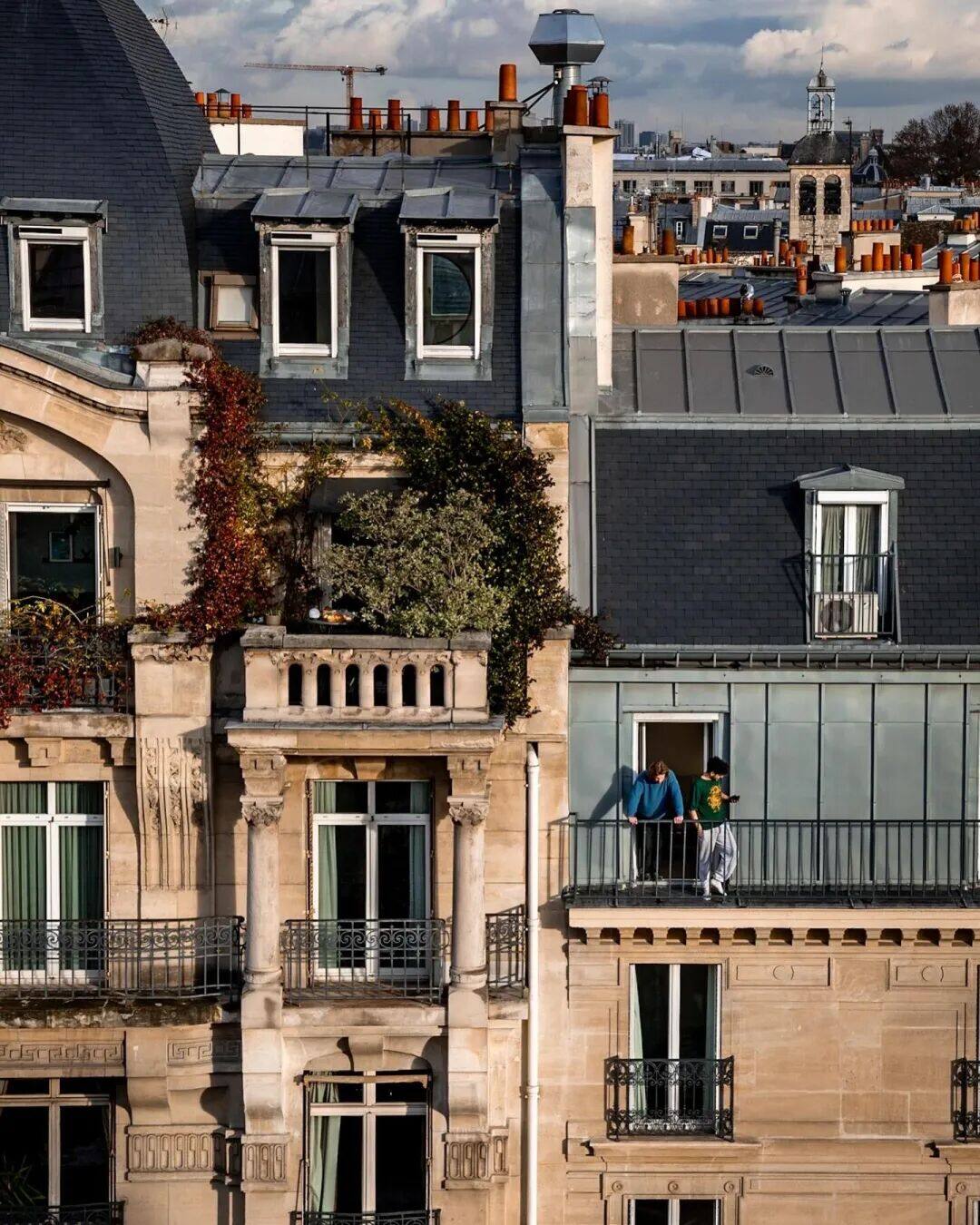
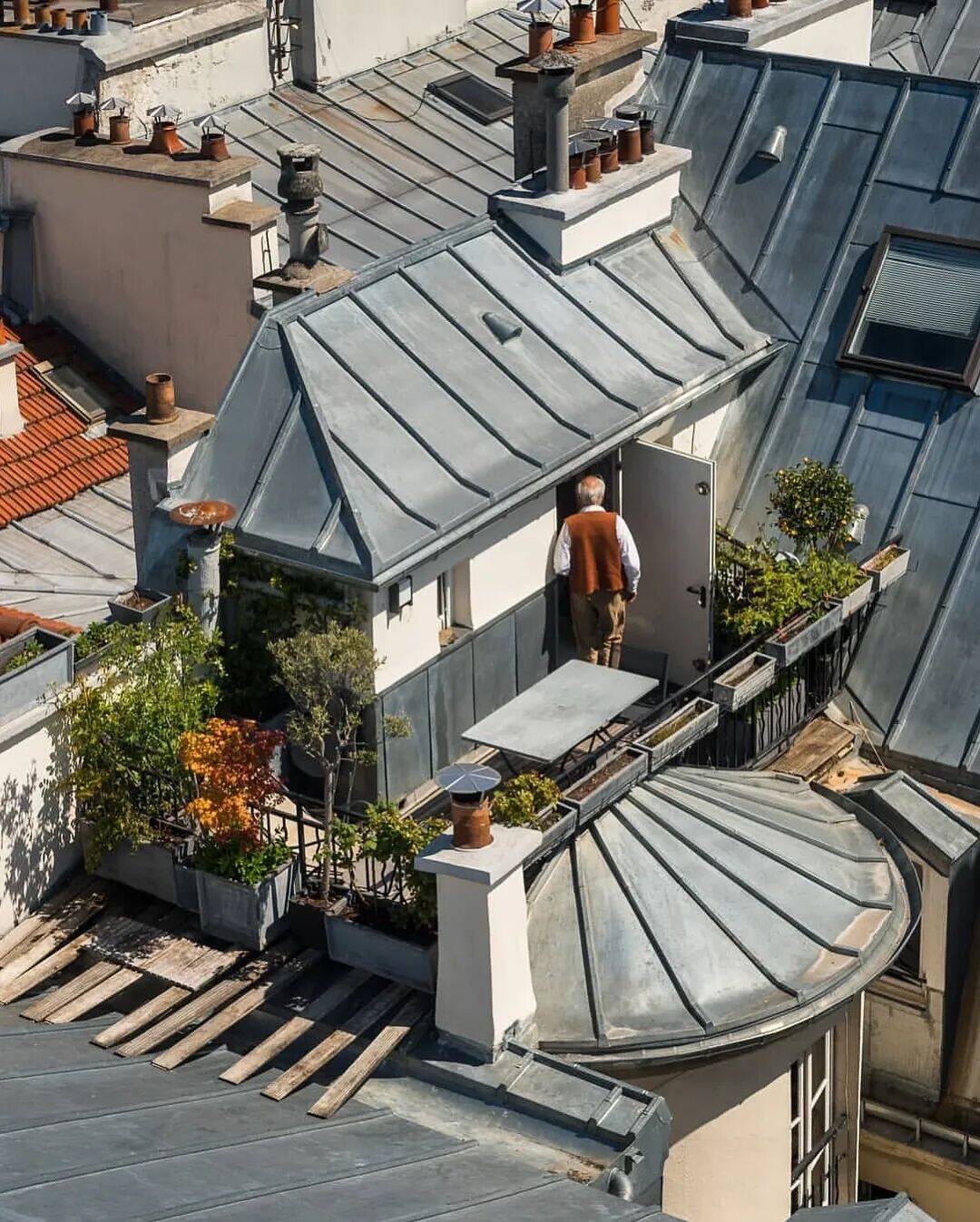
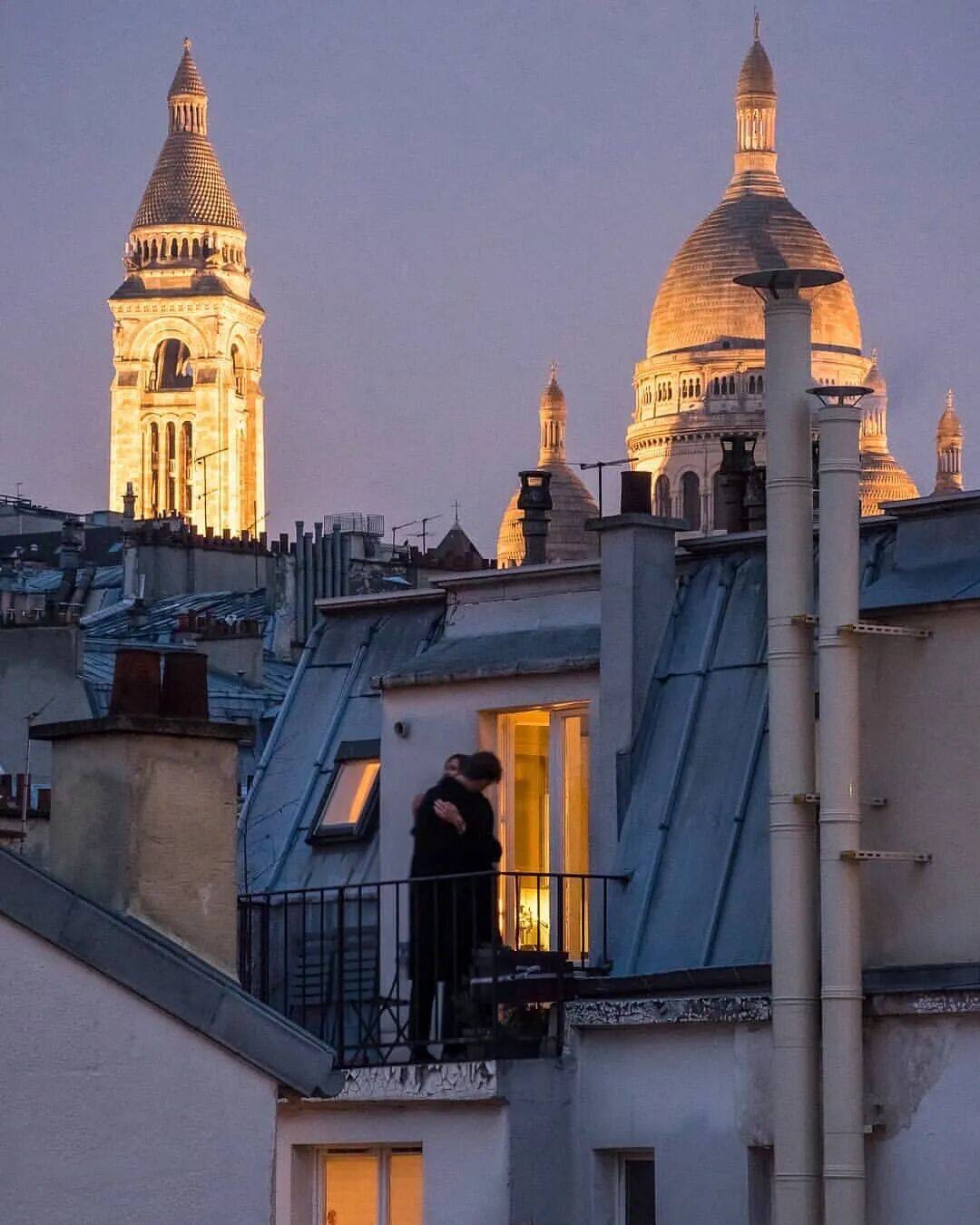
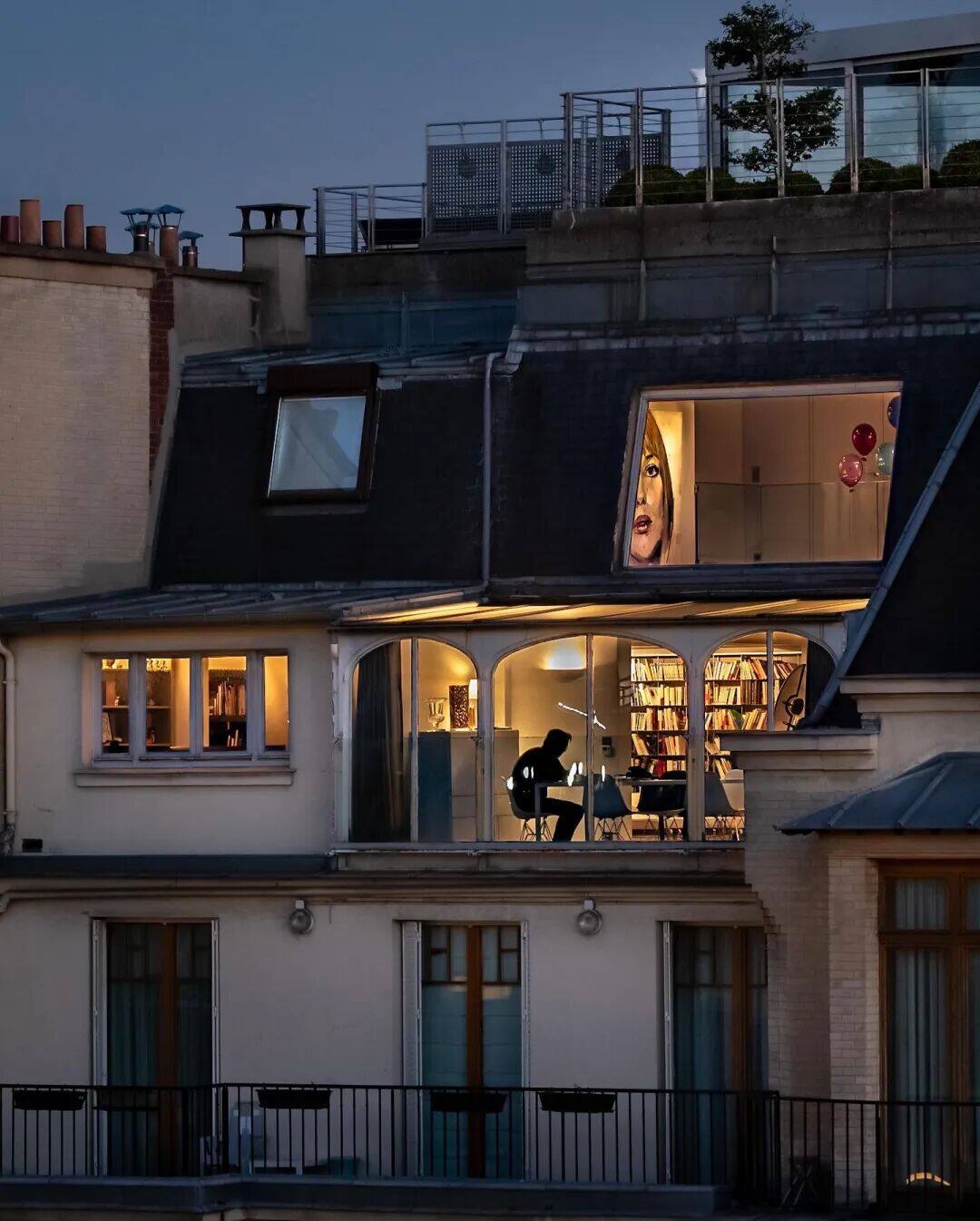
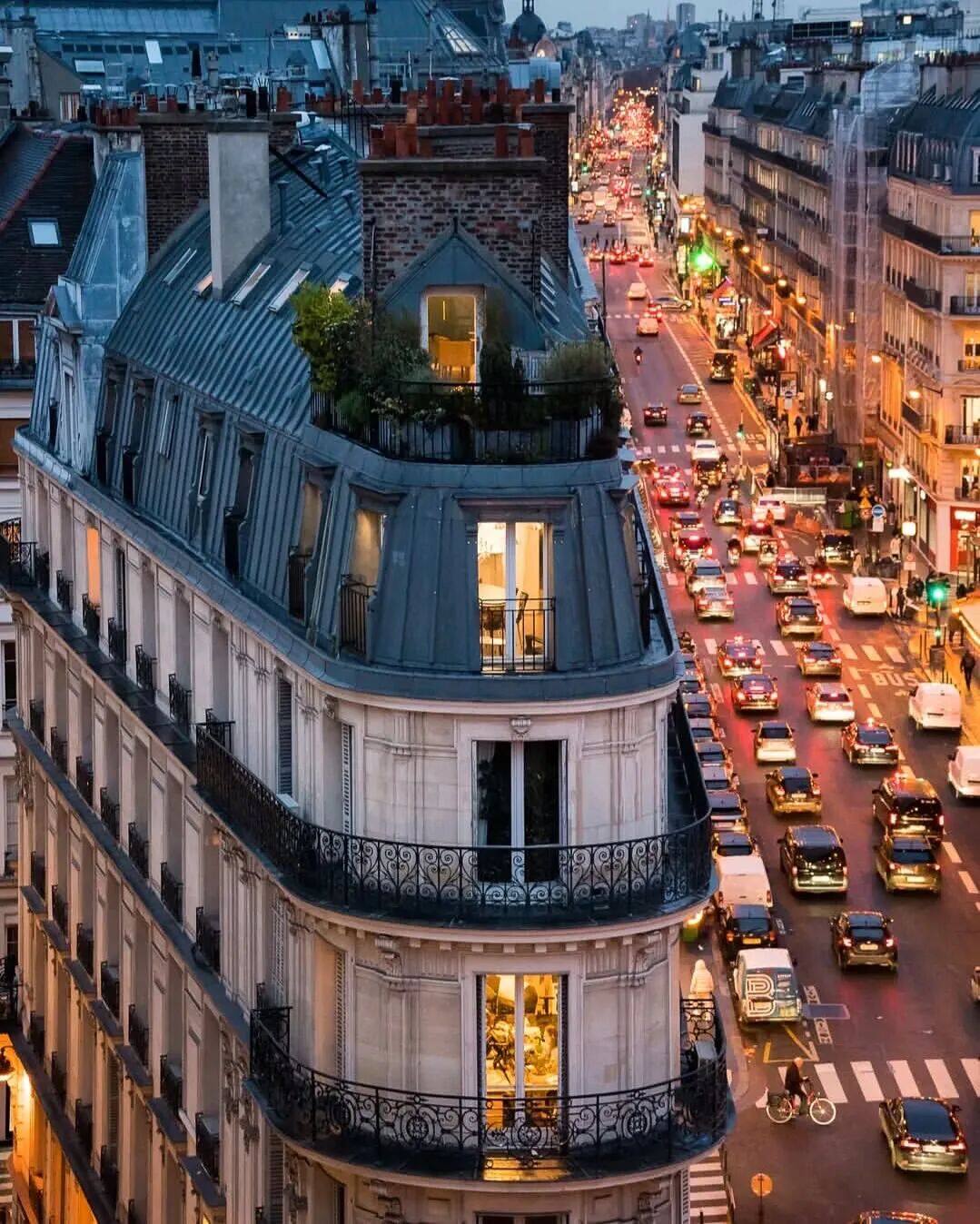
As night falls, the blue and gray roofs of Paris gradually soften under the lights, and the Eiffel Tower's light show illuminates the sky, but never hides the radiance of this roof. They are like silent witnesses, recording the century long changes of Paris; Like a living organism, it continues to interpret the symbiotic story between the city and culture.
Comment



 Praise
 Collect
 Comment

 Share
Share


Write something~