 Search


- OPEC released a report on January 14, 2026, continuously predicting steady growth in global oil demand from 2026 to 2027
On January 14, 2026, the Organization of the Petroleum Exporting Countries (OPEC) released its latest monthly oil market report, while maintaining its forecast for global oil demand growth in 2026, for the first time announcing its outlook for demand in 2027. The report shows that the global trend of oil consumption growth is clear, but the structure of growth drivers is undergoing profound changes.
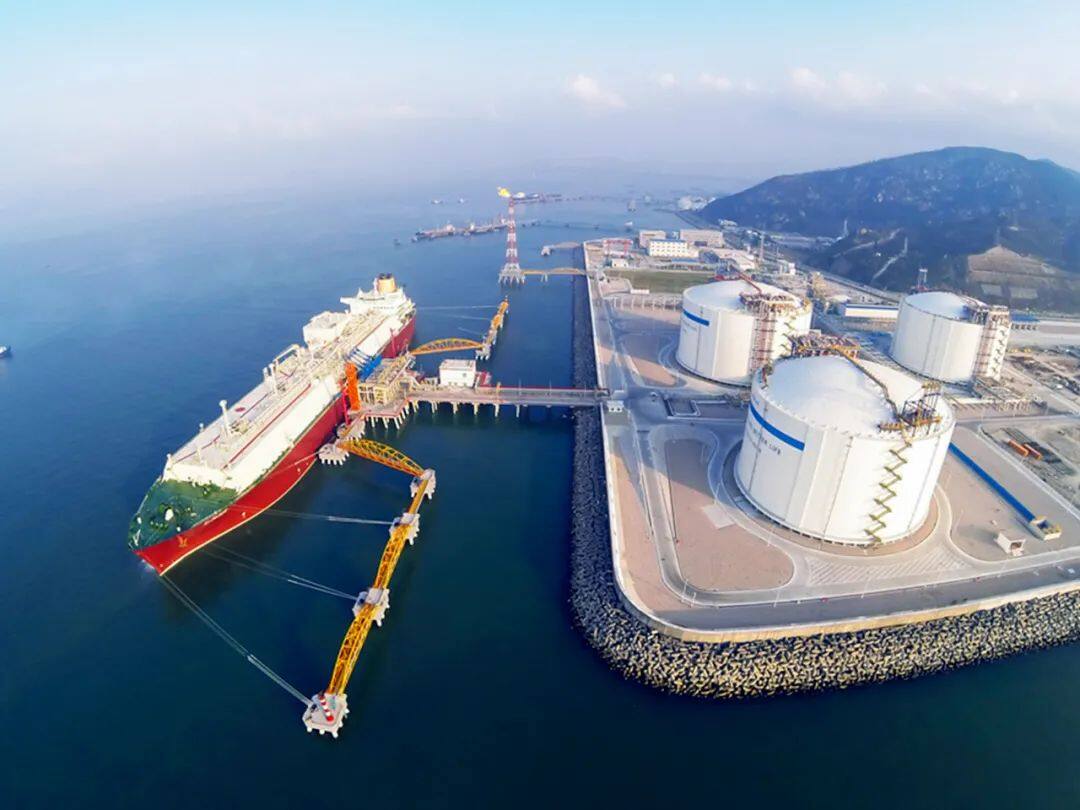
Steady increase in demand over the next two years
According to the OPEC report, the global average daily oil demand is expected to remain at 105.14 million barrels by 2025. By 2026, the daily demand is expected to increase by 1.38 million barrels, reaching 106.52 million barrels. Looking ahead to 2027, the expected growth rate of demand is 1.34 million barrels per day, bringing the global average daily demand to 107.86 million barrels. This series of data outlines a clear trajectory of sustained and moderate expansion in global oil consumption over the next three years.
Led by non OECD countries
The report specifically points out that in 2027, out of the global daily demand growth of 1.34 million barrels, it is expected that 1.24 million barrels will come from non OECD countries. This means that over 92% of net growth will be driven by emerging markets and developing economies. This data highlights the long-term trend of global energy demand shifting eastward and southward, with industrialization processes, transportation demand, and economic growth in regions such as China, India, Southeast Asia, the Middle East, and Africa being the main driving factors. Keywords: New News Video, New News Video News
The long-term demand outlook remains stable
The OPEC report conveys confidence in maintaining stable long-term fundamentals in the global oil market. Despite the ongoing energy transition, the core position of oil in the global energy structure remains stable for the foreseeable future. The sustained growth predicted in the report, especially driven by strong non OECD countries, provides a key basis for long-term investment planning and market strategies of oil producing countries, and also indicates that global energy trade flows may further tilt towards regions with increasing demand.Editor/Gao Xue
Comment


 Praise
 Collect
 Comment

 Share
Share


Write something~