 Search


- Joint scientific expedition discovers deepest cold spring ecosystem in southern hemisphere for the first time
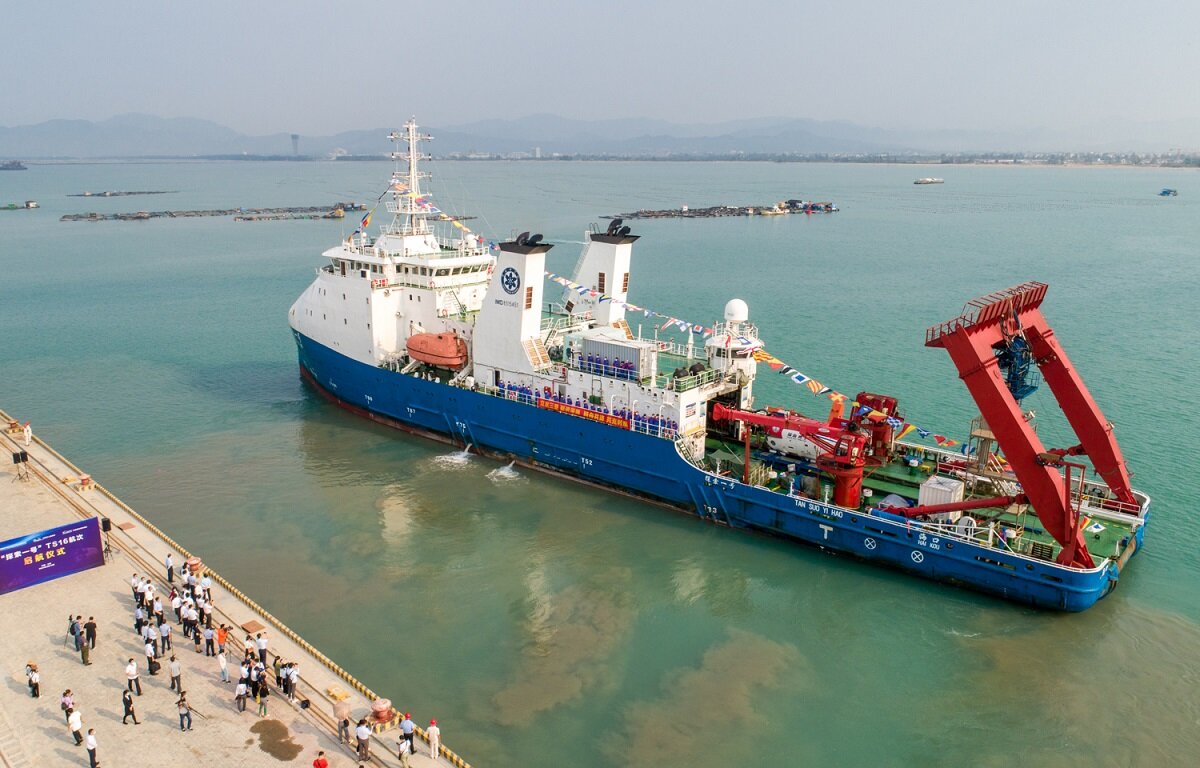
The summary ceremony of the China Chile Atacama Trench manned deep-sea joint scientific expedition was held on March 5th on the Chinese "Exploration 1" scientific research vessel docked in Valparaiso, Chile. This voyage was jointly organized by the Institute of Deep Sea Science and Engineering of the Chinese Academy of Sciences and the University of Concepcion in Chile. It lasted more than 40 days and successfully completed a number of scientific investigation tasks.
During the voyage, China's independently developed "Striver" manned submersible completed 36 dives and collected over 3500 biological specimens, laying a solid foundation for further interdisciplinary research in the abyss.
Du Mengran, the chief scientist of the Chinese side during the voyage, introduced that one of the most important achievements of this scientific expedition is the first observation of the deepest cold spring ecosystem in the southern hemisphere, providing another strong evidence for the hypothesis proposed by Chinese scientists that globalization can synthesize life corridors. Researchers have also discovered for the first time at least three different species of abyssal lionfish in the same trench, reflecting the high fish biodiversity in the region.
The cold spring ecosystem refers to the unique ecosystem developed by organisms in the dark world of the seabed, which utilizes the chemical substances seeping out from the cold springs as energy for chemical energy synthesis. The hypothesis that globalization can synthesize corridors of life suggests that such systems are widely developed at the bottom of global trenches.
Researchers have also discovered underwater fault rupture structures associated with major earthquakes in Chilean history, providing rare in situ observational evidence for understanding how seismic activity shapes deep-sea landforms and affects biological habitats.
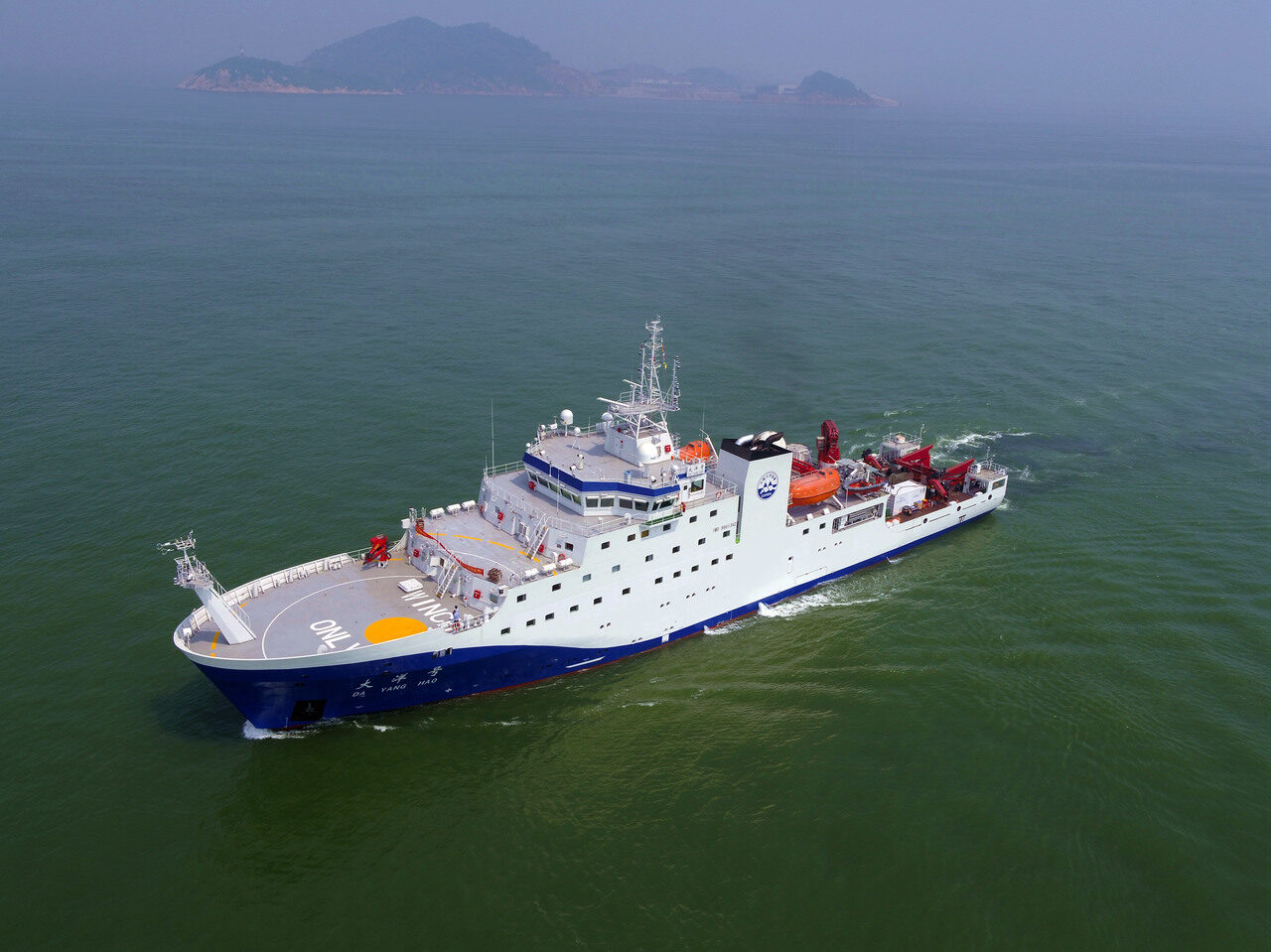
This voyage is an international joint voyage under the framework of the Global Abyss Exploration Program led by China. Voyage leader Peng Xiaotong stated that this voyage is of great significance for further promoting scientific research on the East Pacific and Southern Ocean trench systems.
Chilean geophysicist Baleria Cortes became the world's first female scientist to dive into the Atacama Trench during this voyage. She said that with the help of Chinese manned submersibles, it is possible to go deep into the Atacama Trench to collect samples and study the deep sea from a new perspective. Keywords: New News Network, Southern Hemisphere Scientific Expedition
Chinese Ambassador to Chile, Niu Qingbao, stated at the ceremony that he looks forward to further strengthening exchanges and mutual learning between China and Chile in broader fields such as ocean observation, ecological protection, and blue economy, based on the profound friendship and valuable experience accumulated during this scientific expedition.Editor/Gao Xue
Comment



 Praise
 Collect
 Comment

 Share
Share


Write something~