 Search


- Embark on this fertile land of Central Asia soaked by the Silk Road
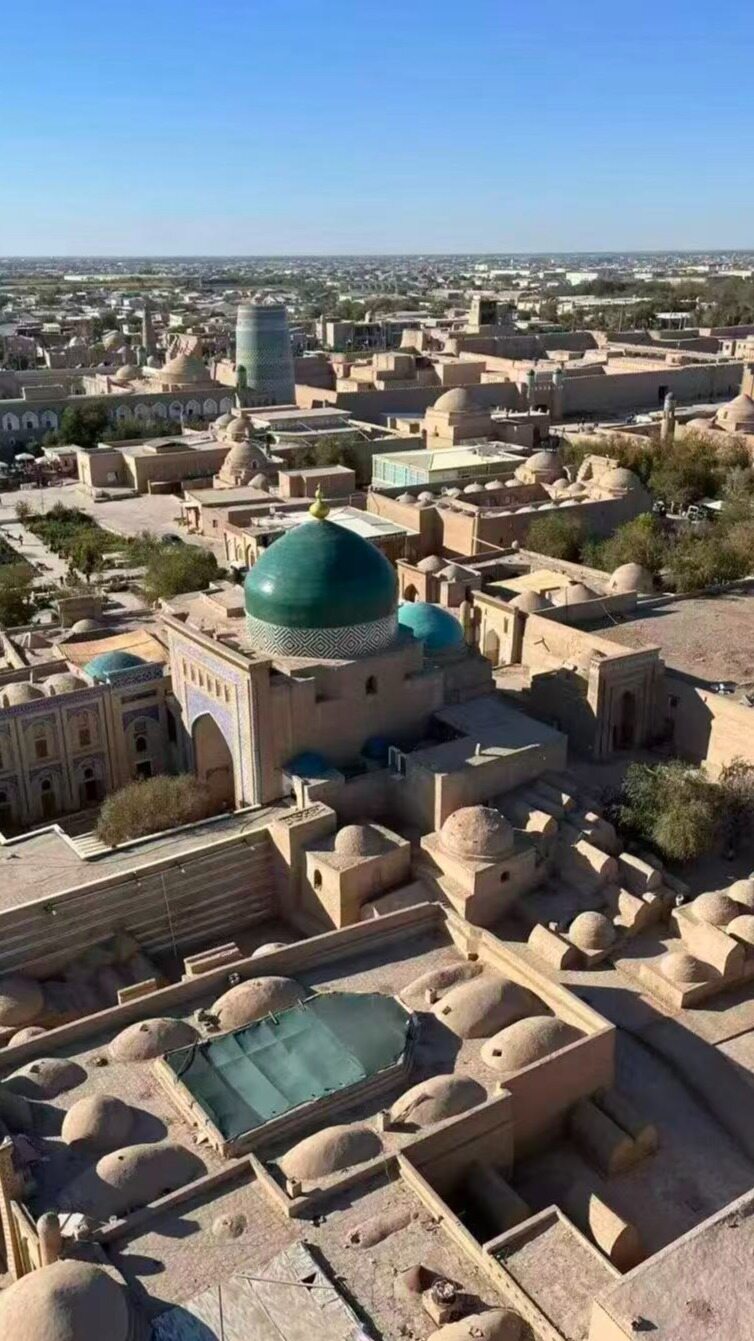
Following the distant echoes of millennium camel bells, stepping onto this fertile land of Central Asia soaked by the Silk Road, it was once a brilliant node where Eastern and Western civilizations intersected. The ancient post roads hide the old dreams of merchants and traders, and the ancient city walls are engraved with the traces of time passing by. From the magnificent monuments of Samarkand to the tranquil streets and alleys of Bukhara, from the oasis scenery of Fergana to the desert charm of Shiva, every scenery carries a heavy past, and every stop brings unexpected surprises. Walking here, you are embracing a thousand year old Silk Road with gentle elegance.
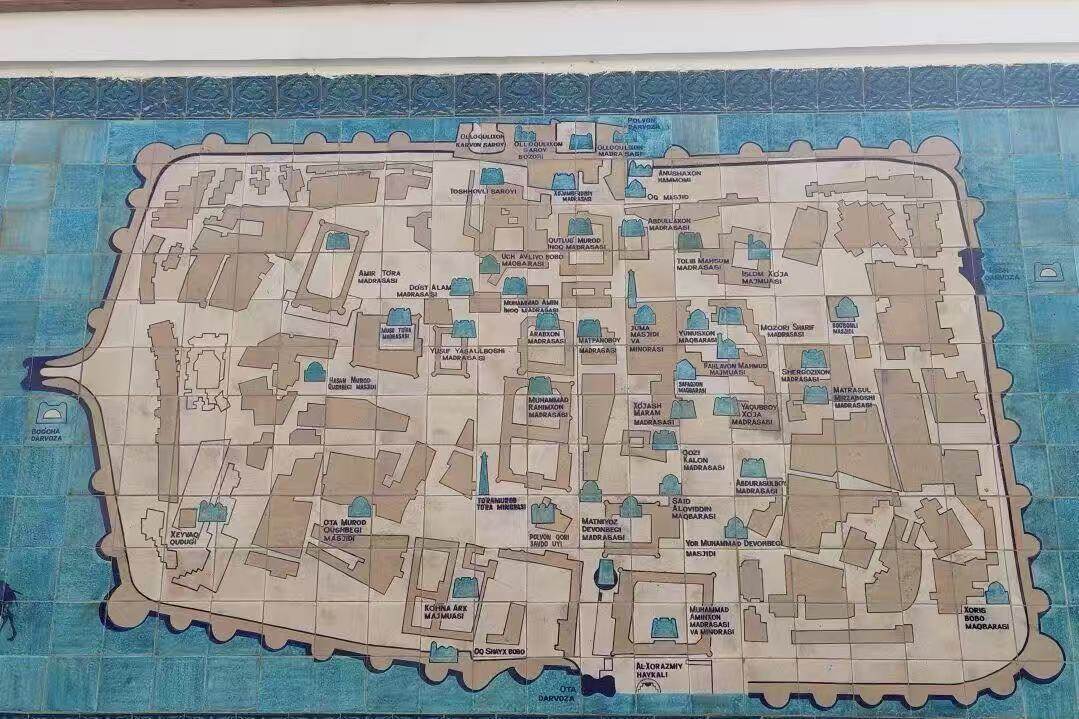
Shiva: UNESCO World Heritage Site (1990)
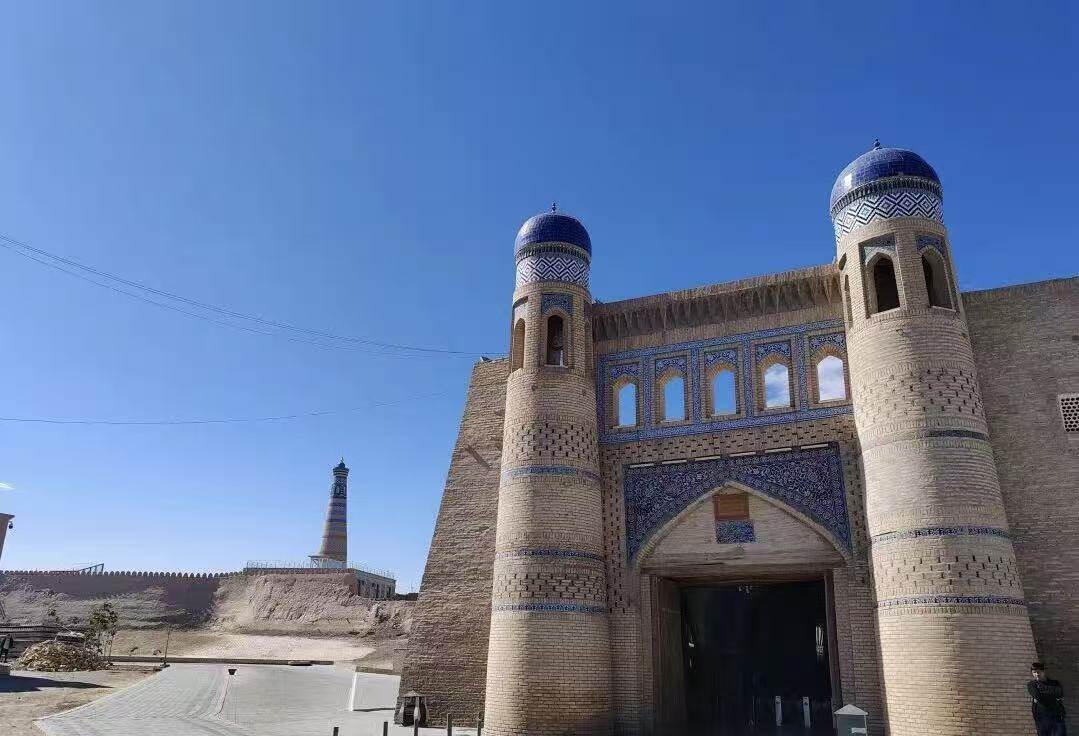
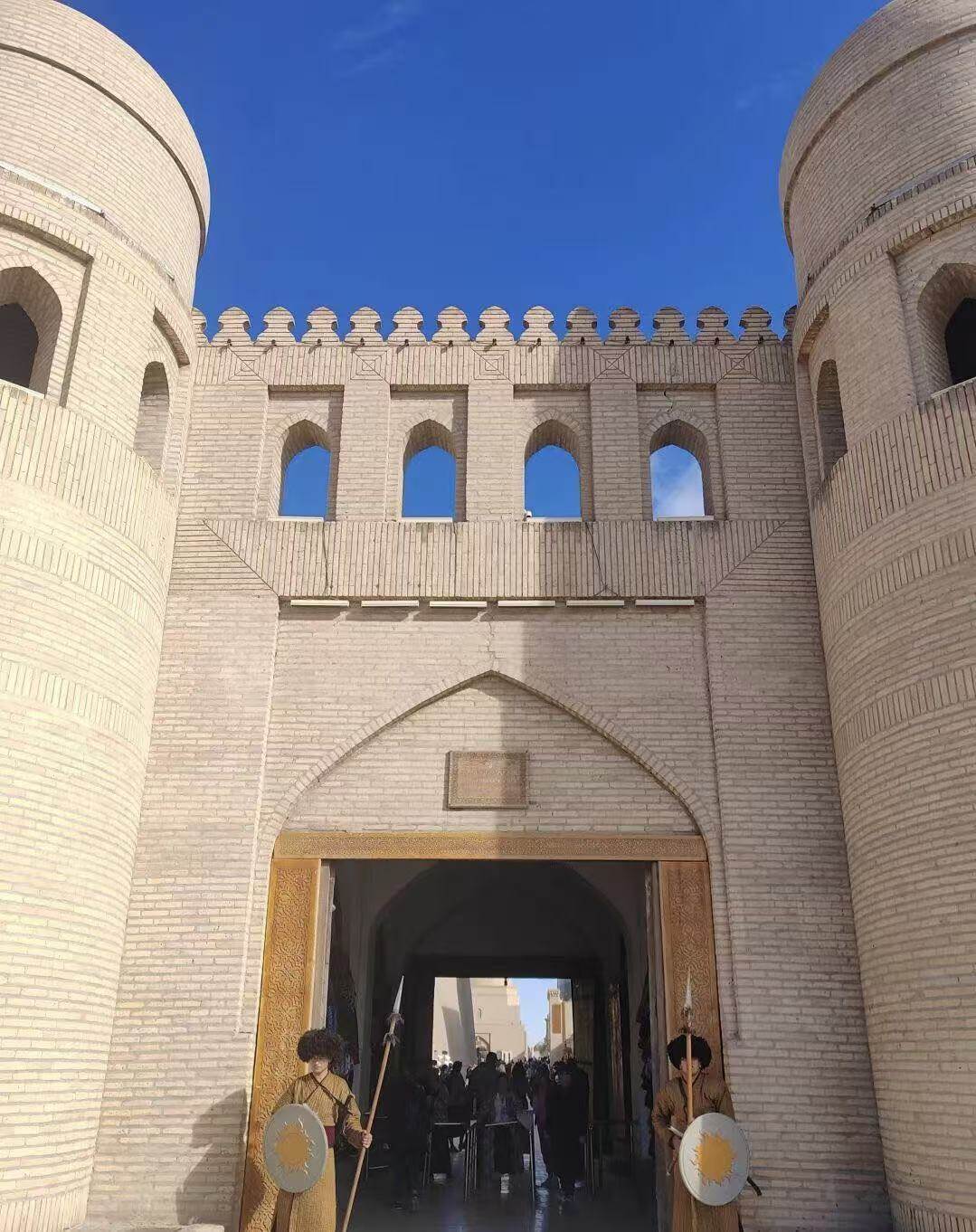

The city wall is made of raw soil, clay, and bricks, with a current length of about 2.5 kilometers. It was extensively repaired during the Soviet era.


The worship hall, supported by 218 wooden columns, is renowned for its exquisite carving craftsmanship, reflecting the pinnacle of Central Asian woodcarving art.


The architectural style of Shiva blends Persian, Turkic, and Arabic elements. The appearance is mostly based on yellow brown adobe, while the ceramic tile decoration is mainly blue and blue-green, forming a sharp contrast.
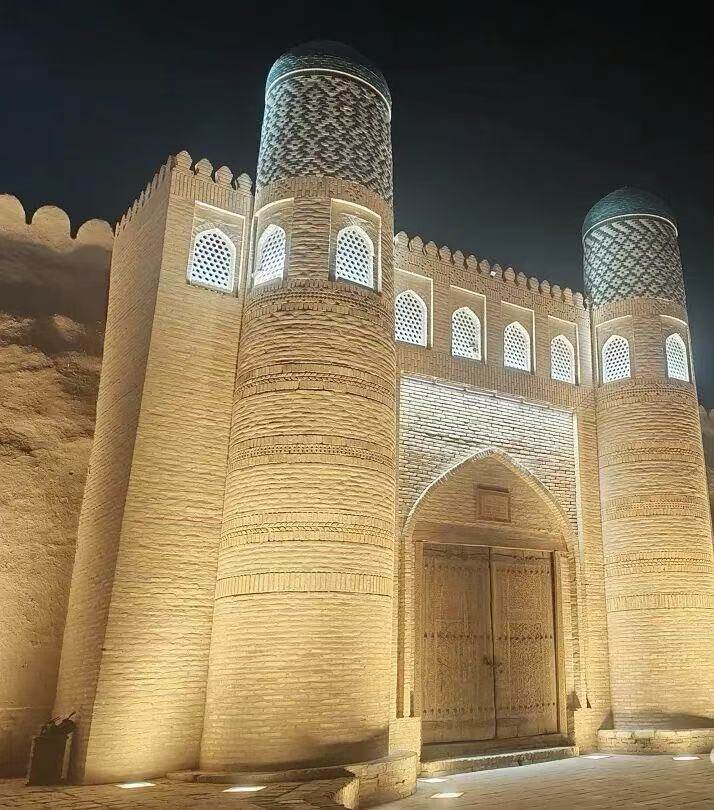

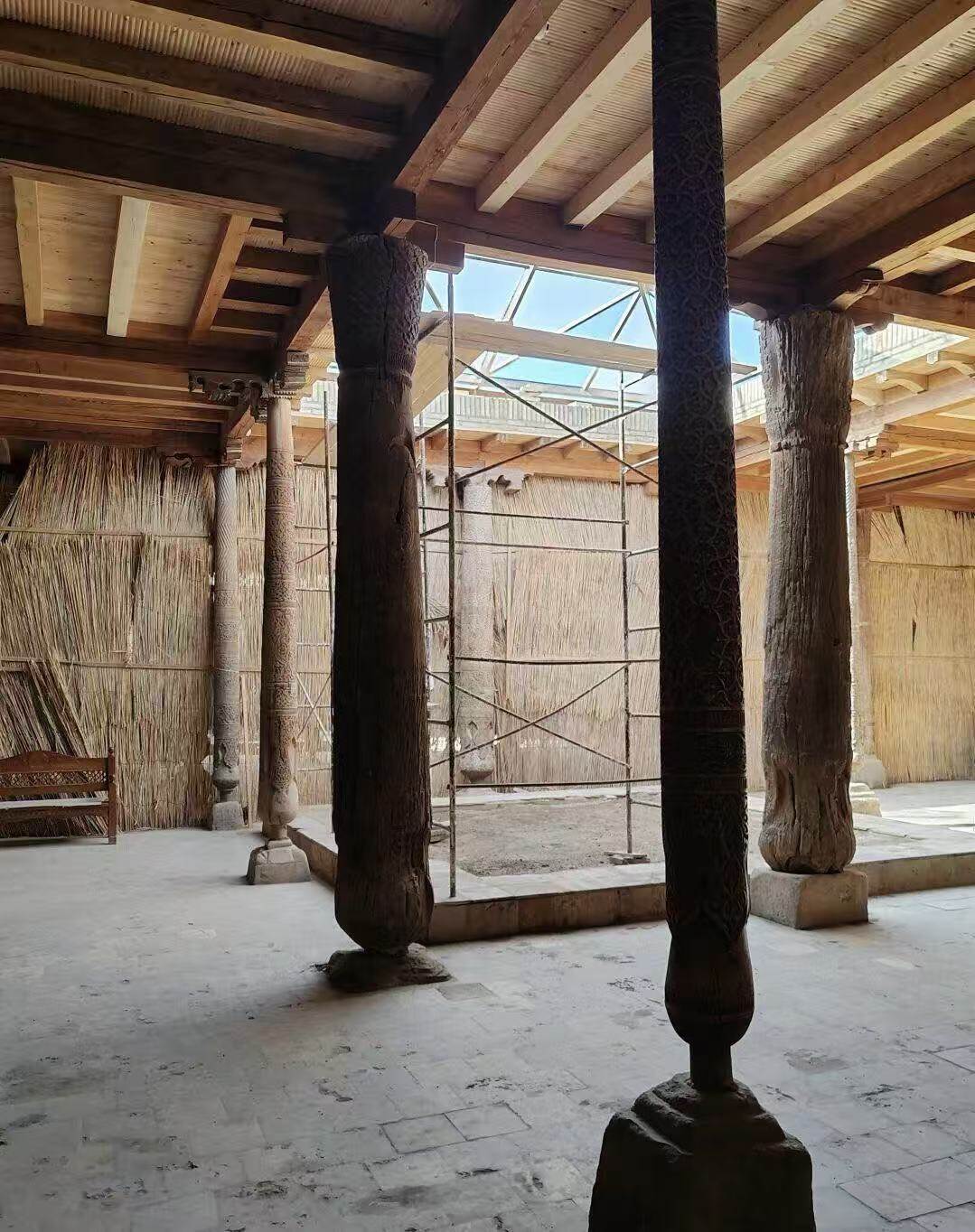
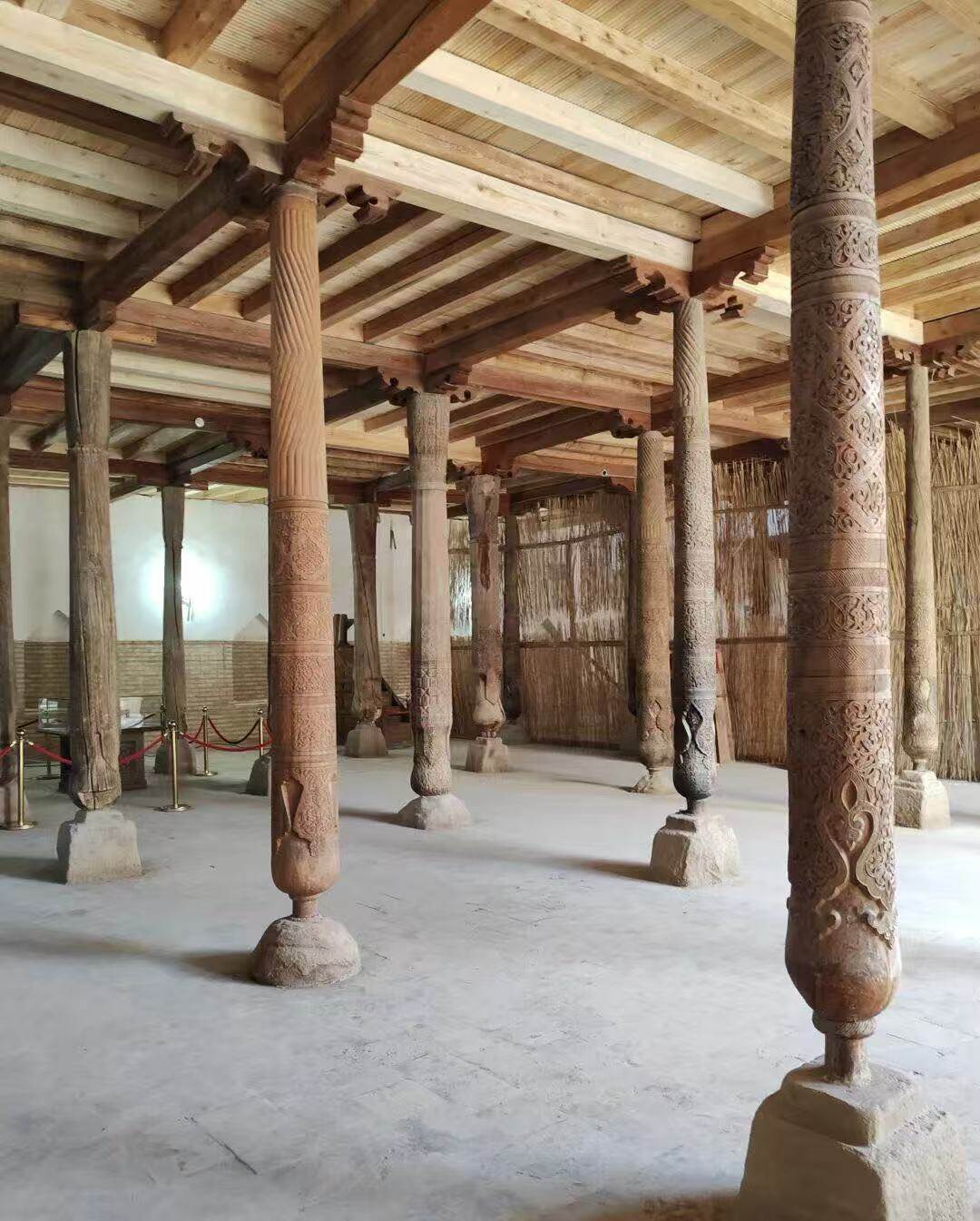
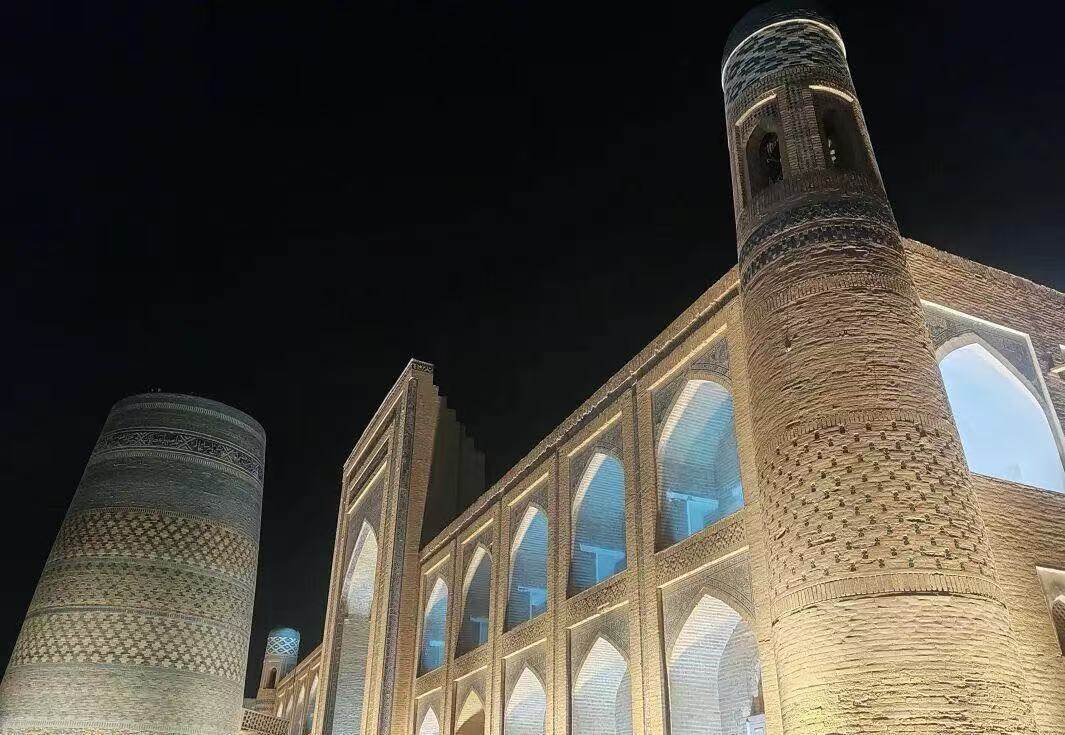
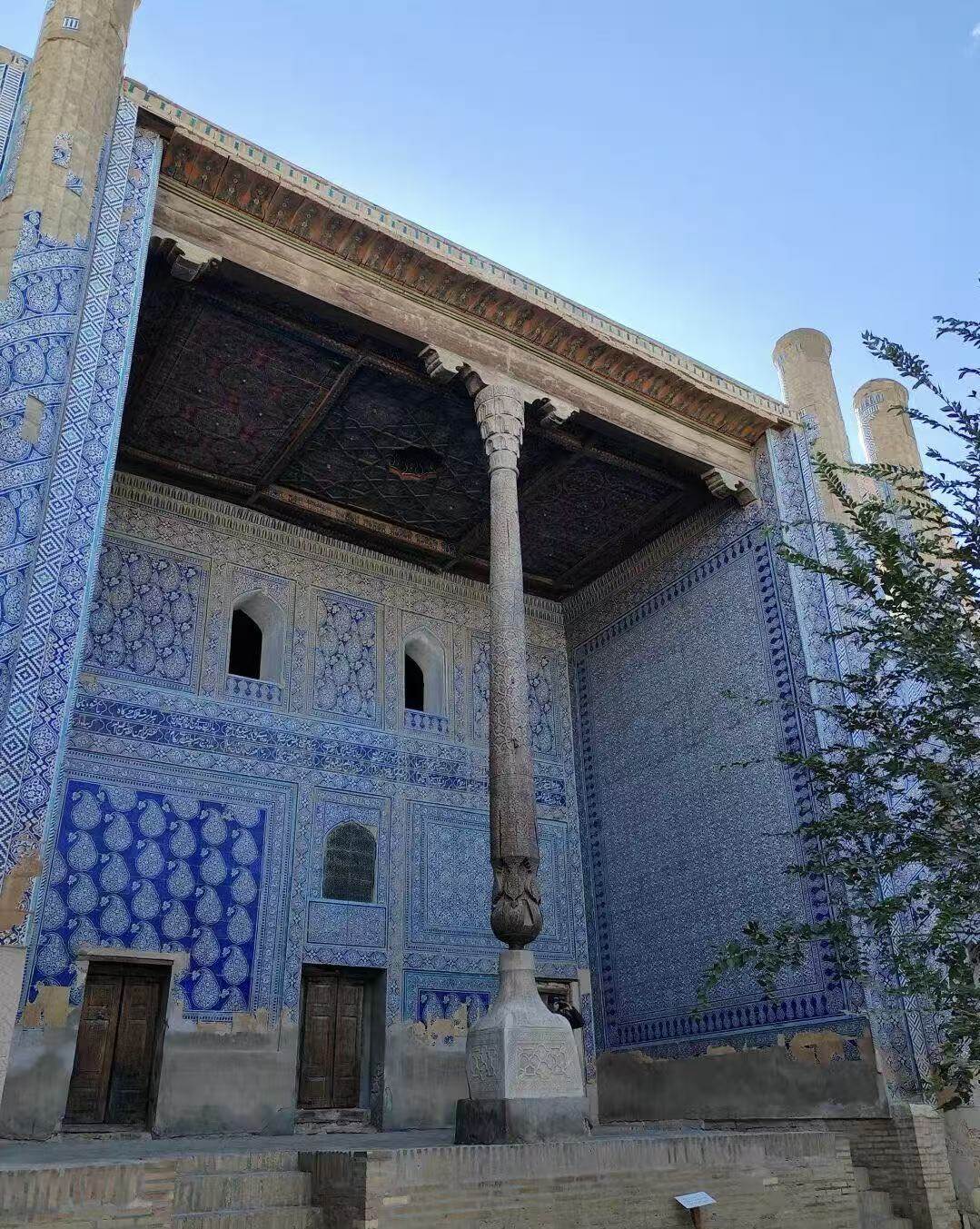
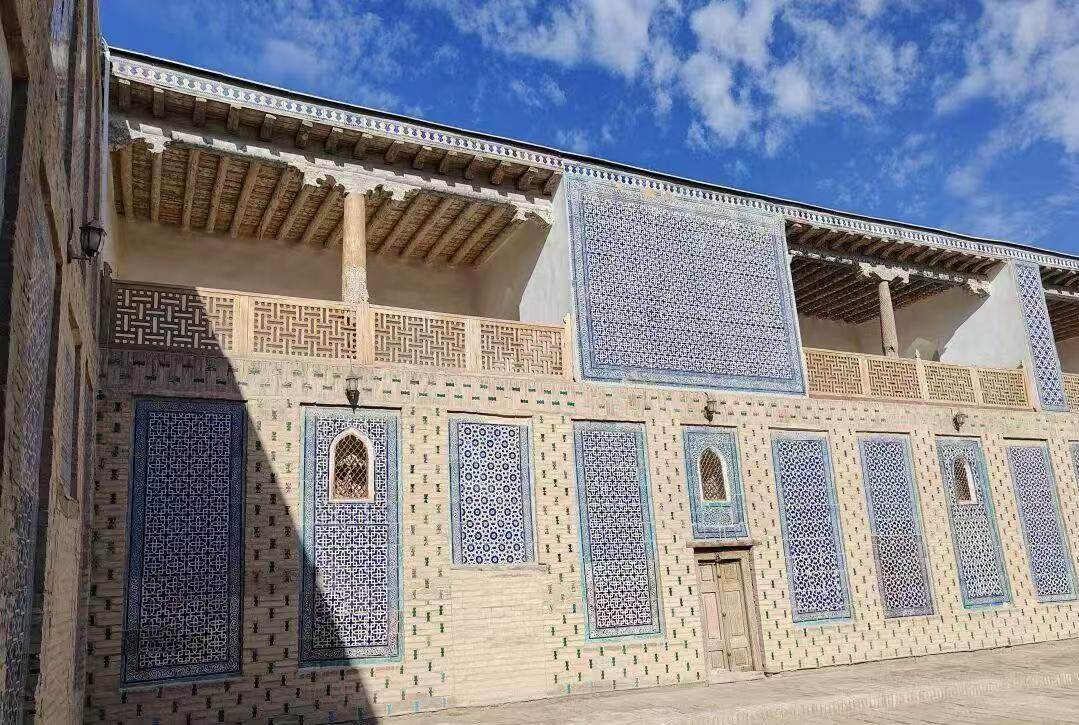
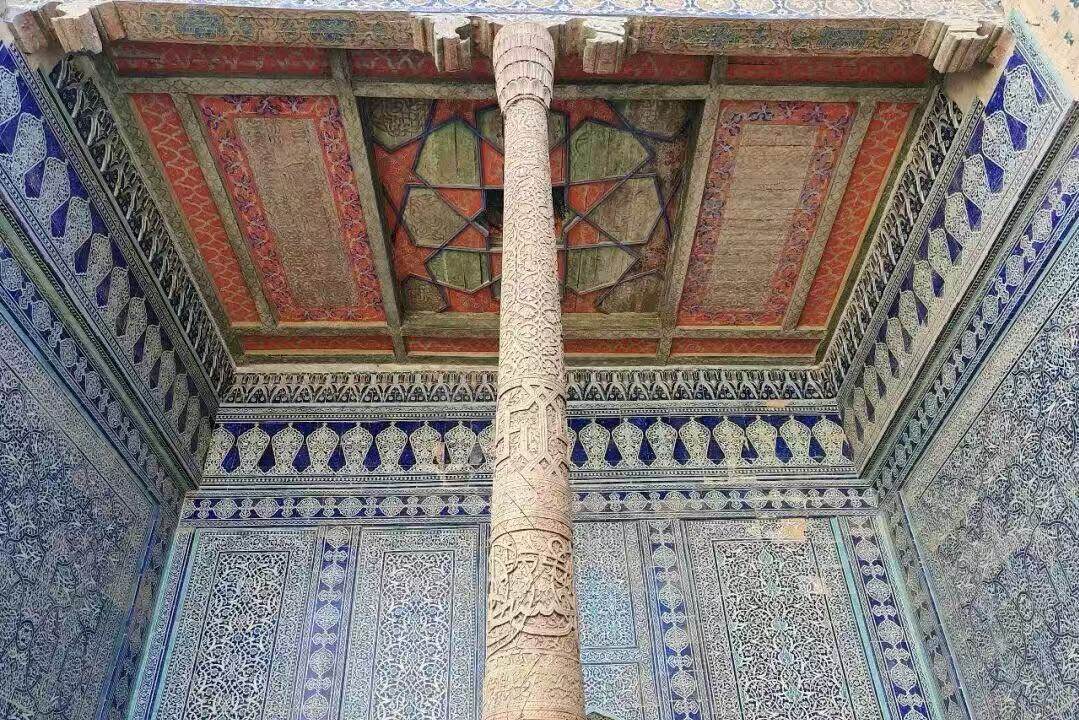
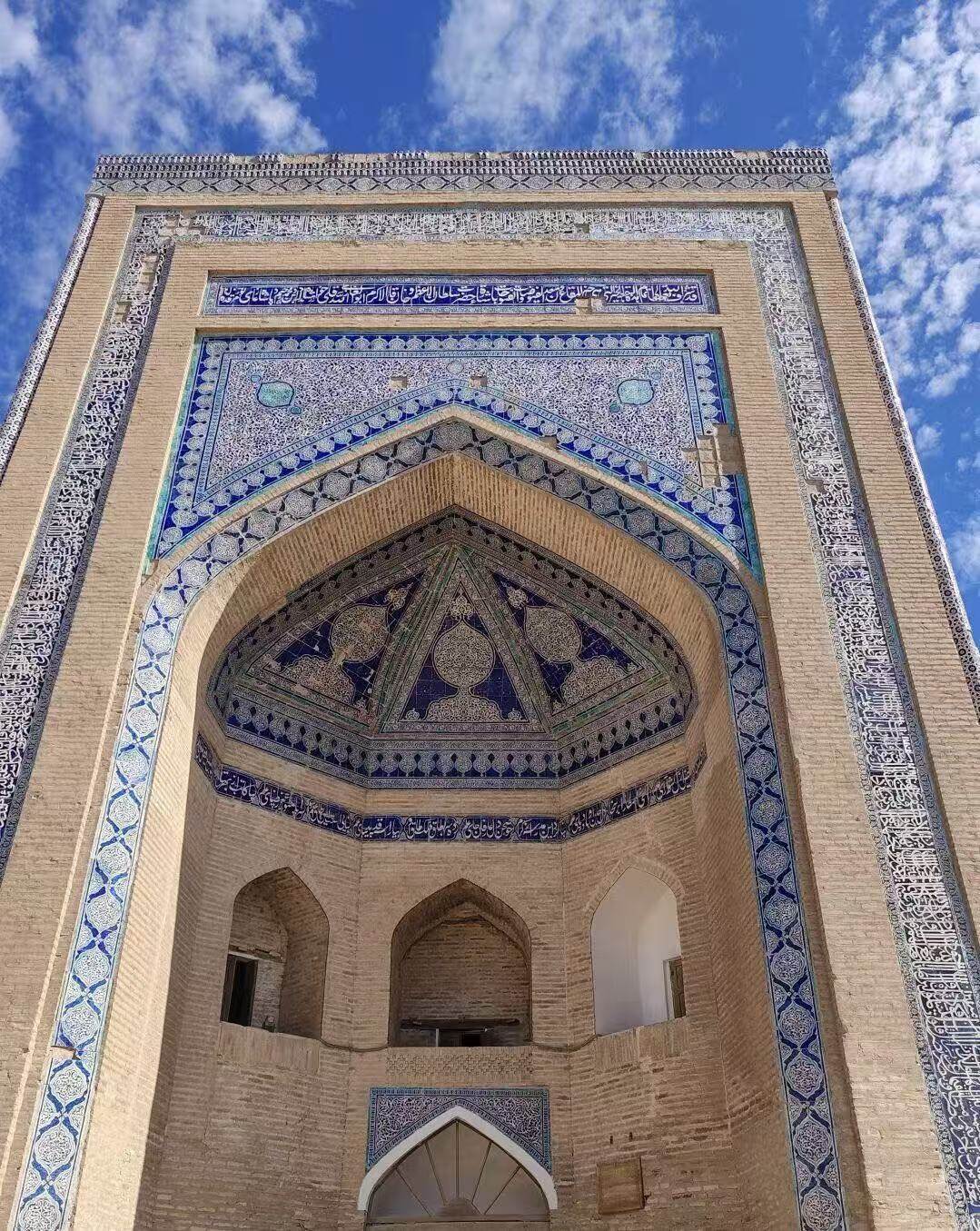
The narrow streets, exquisite wooden doors, and mosaics with geometric and floral patterns all showcase the unique charm of Central Asian Islamic art.
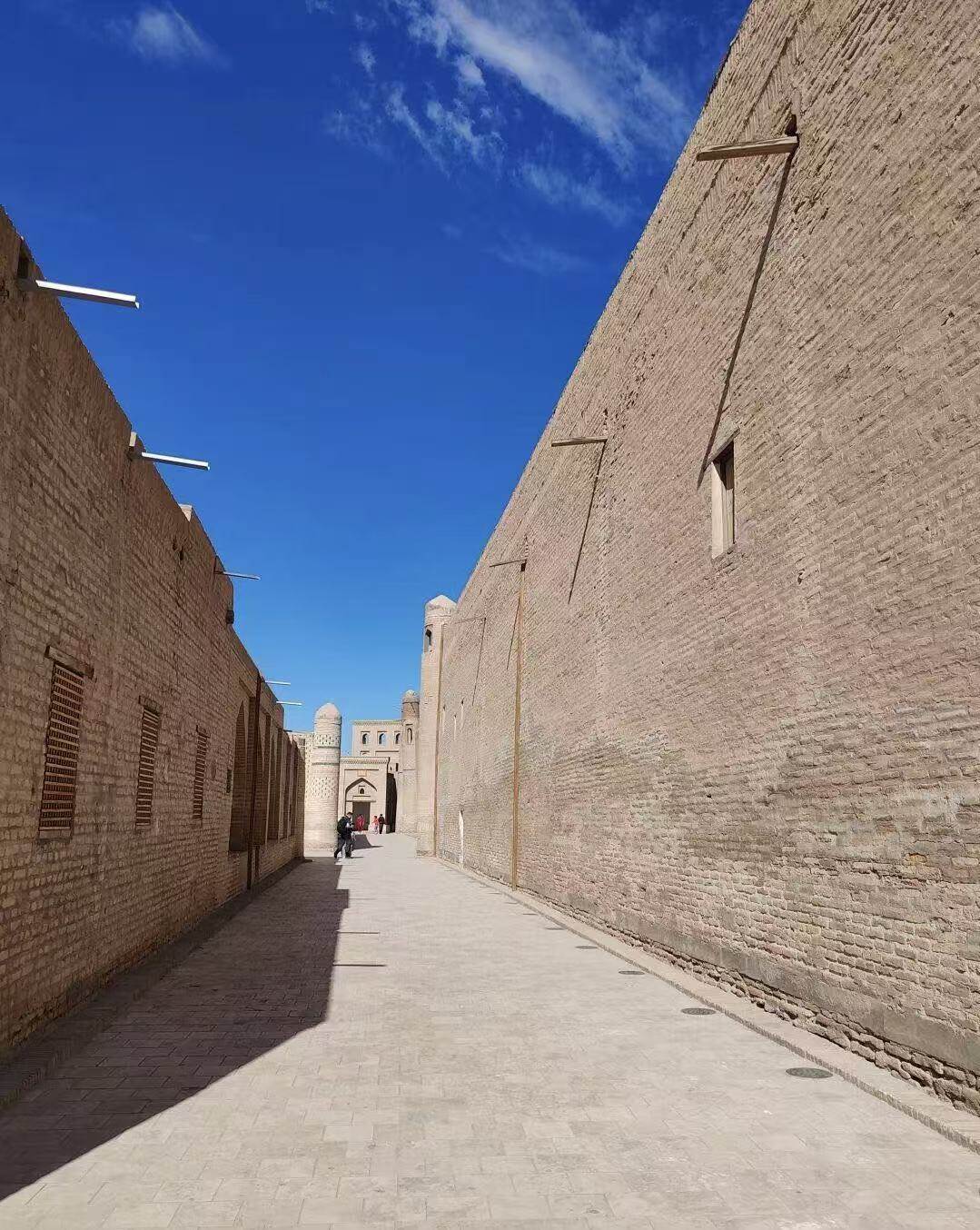

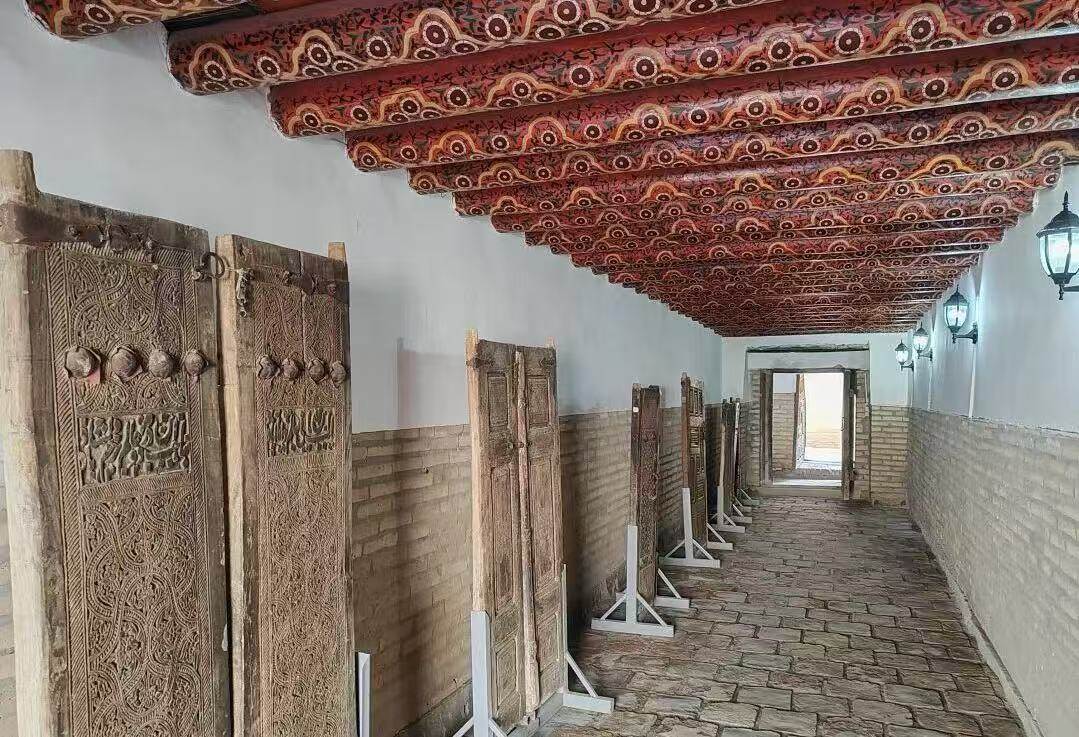
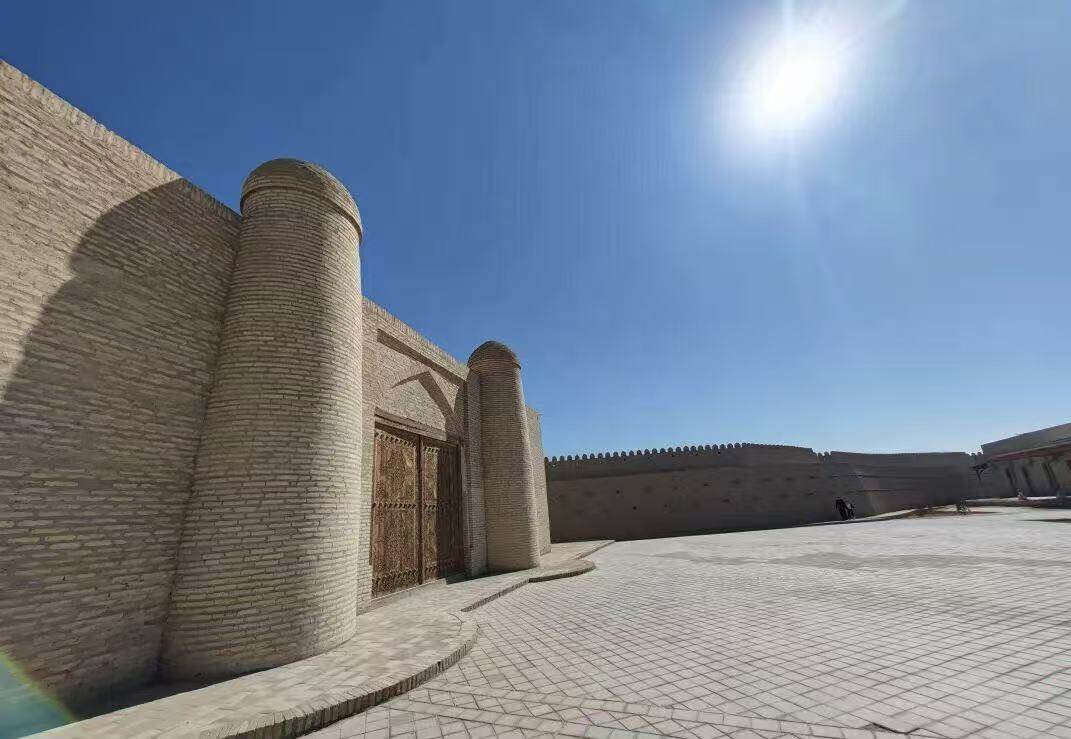
The city has fully preserved the architectural layout since the 17th century, including nearly 200 historical buildings such as mosques, seminaries, and minarets.
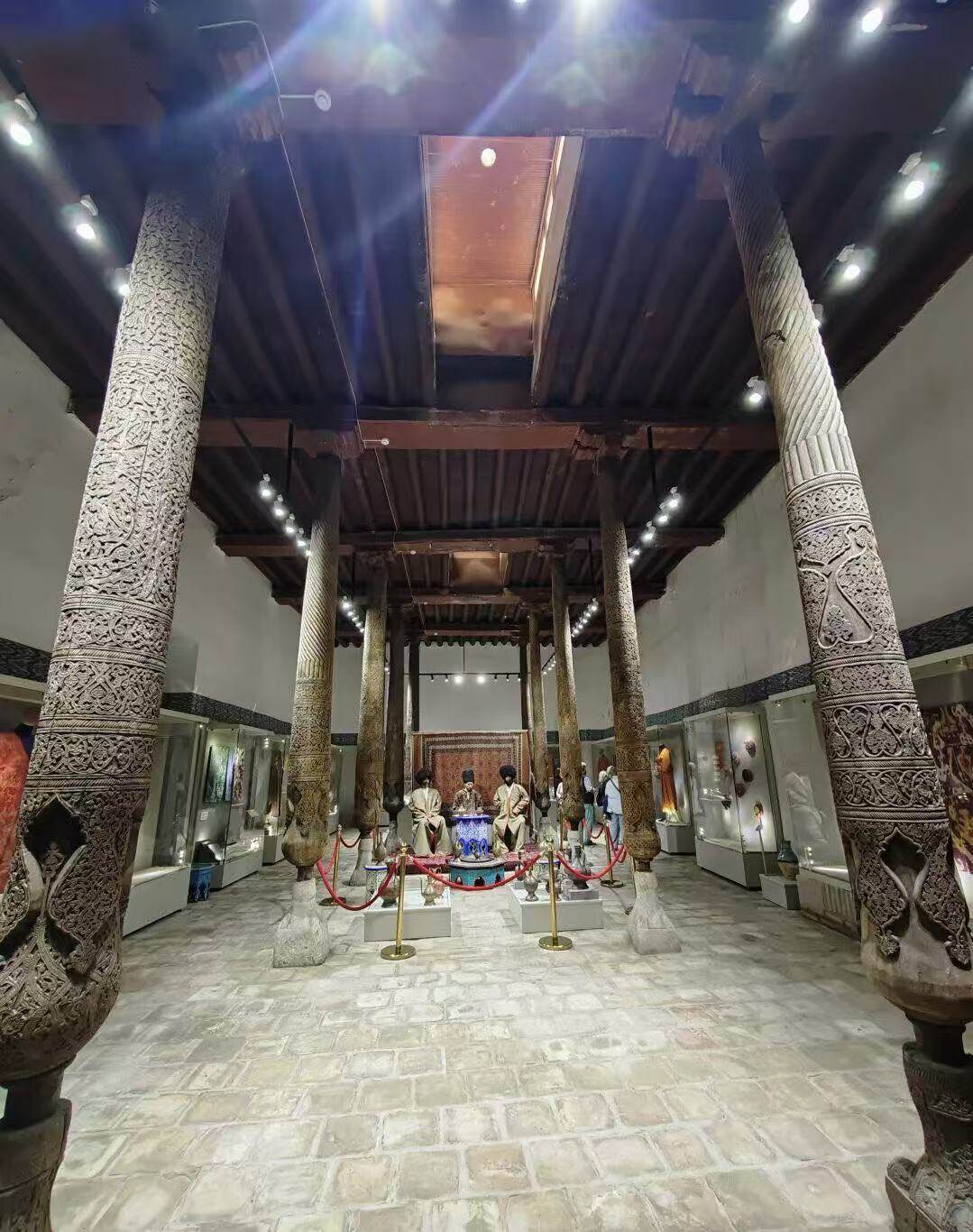
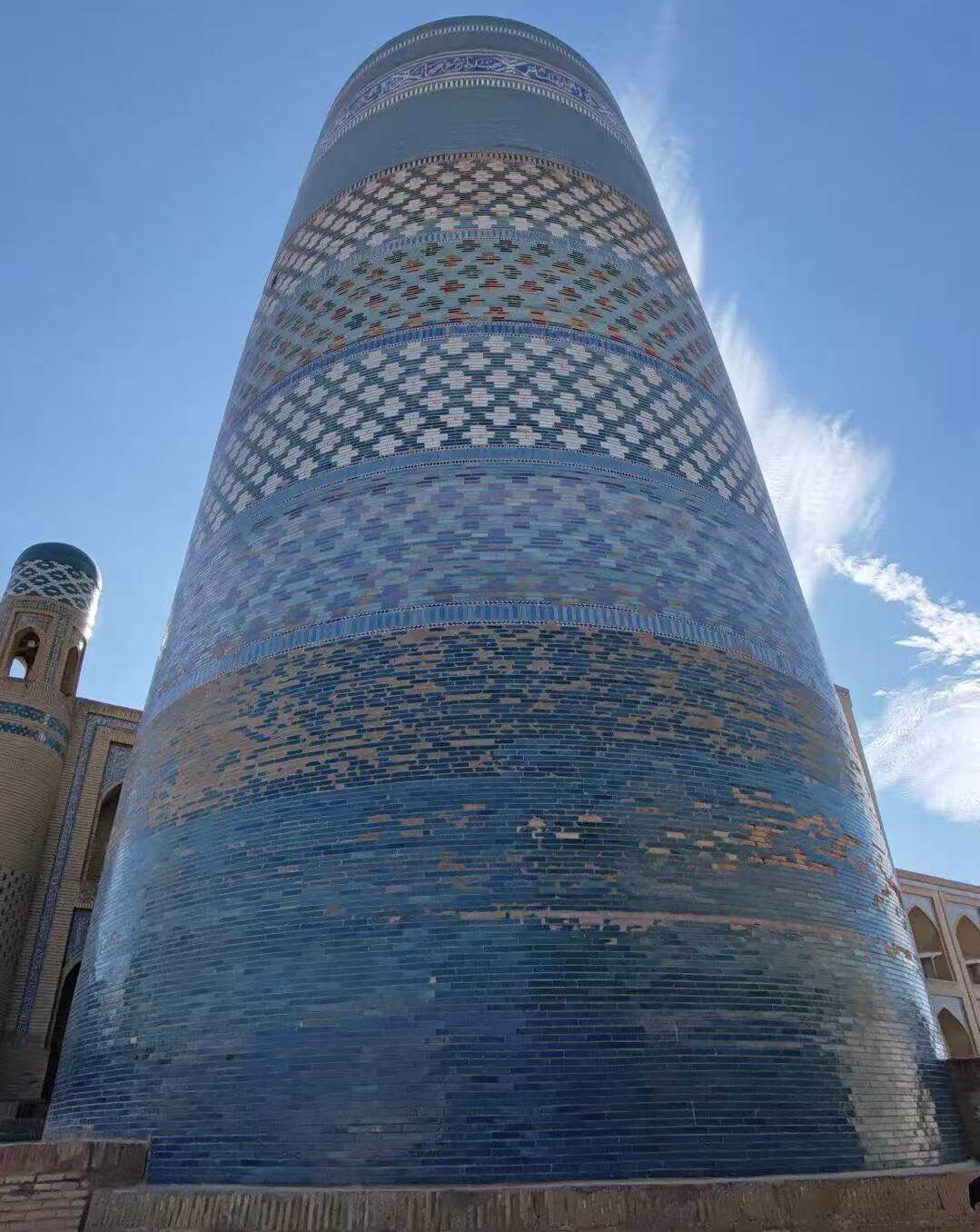

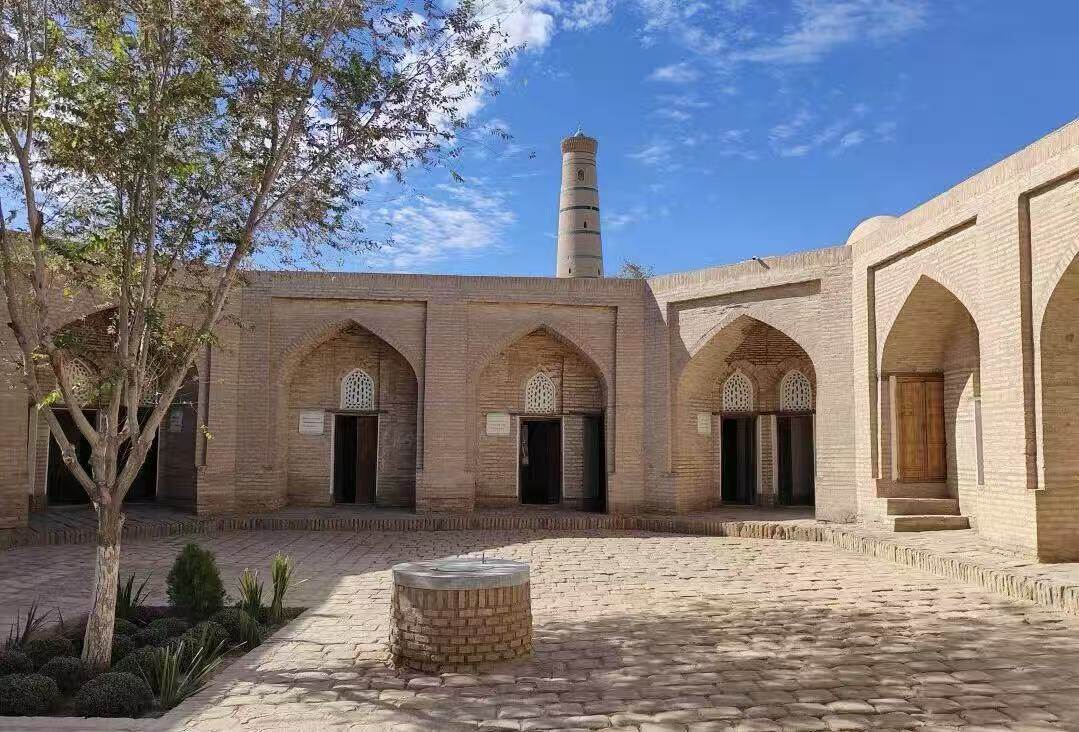
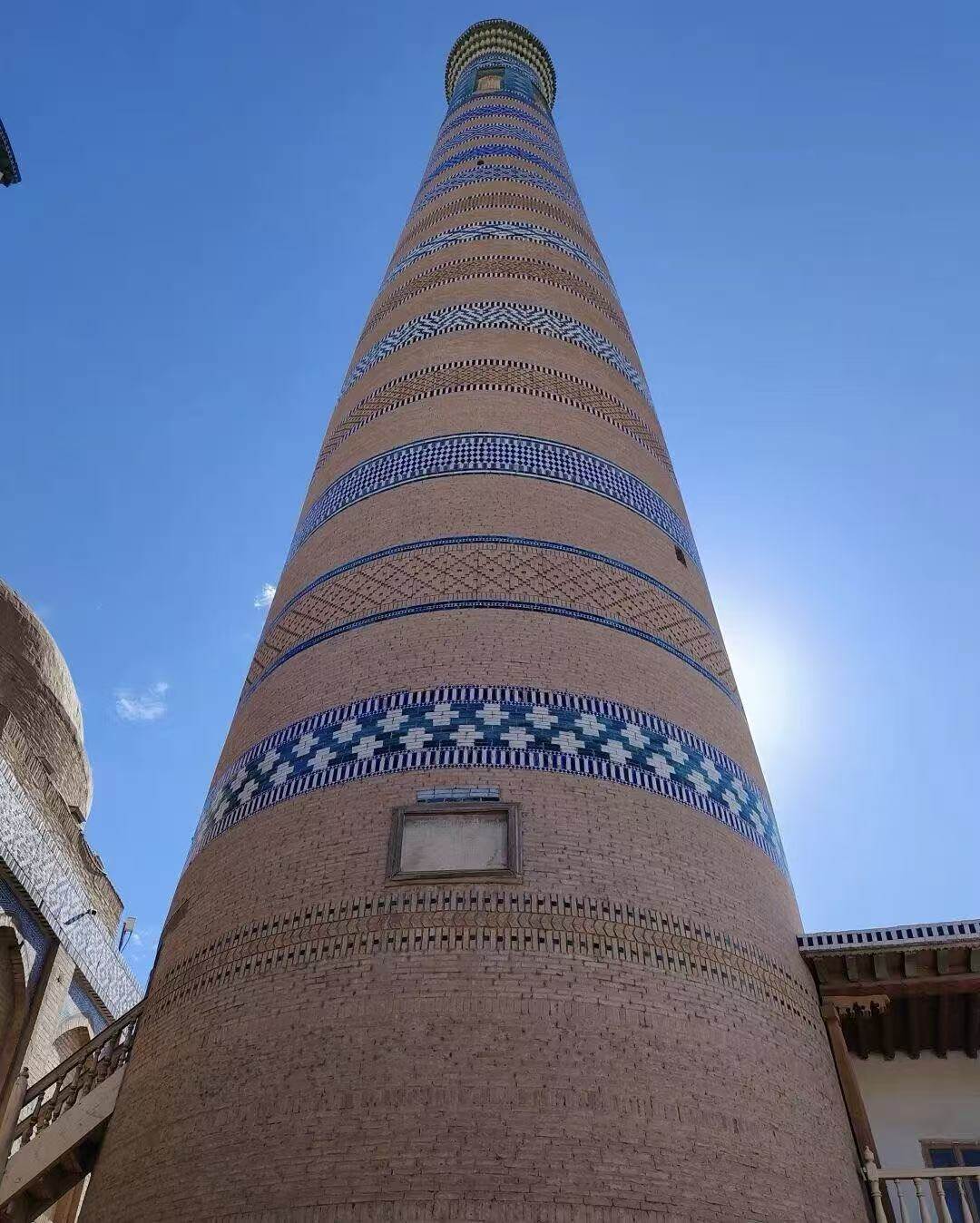
The Hoja Xuanli Pagoda was proposed by the Prime Minister of the Khiva Khanate, Islamic Hoja, and was built from 1908 to 1910. This tower is not only the tallest tower in Khiva, but also the tallest tower in the entire Uzbekistan. It is 57 meters high and has a base diameter of 9.5 meters. Climbing to the top of the tower, one can overlook the entire city of Shiva, which is stuffy, hot, tiring, and expensive to climb up.
Comment


 Praise
 Collect
 Comment

 Share
Share


Write something~