 Search


- China and Brazil are accelerating their deep integration and upgrading towards the digital economy and industrial chain
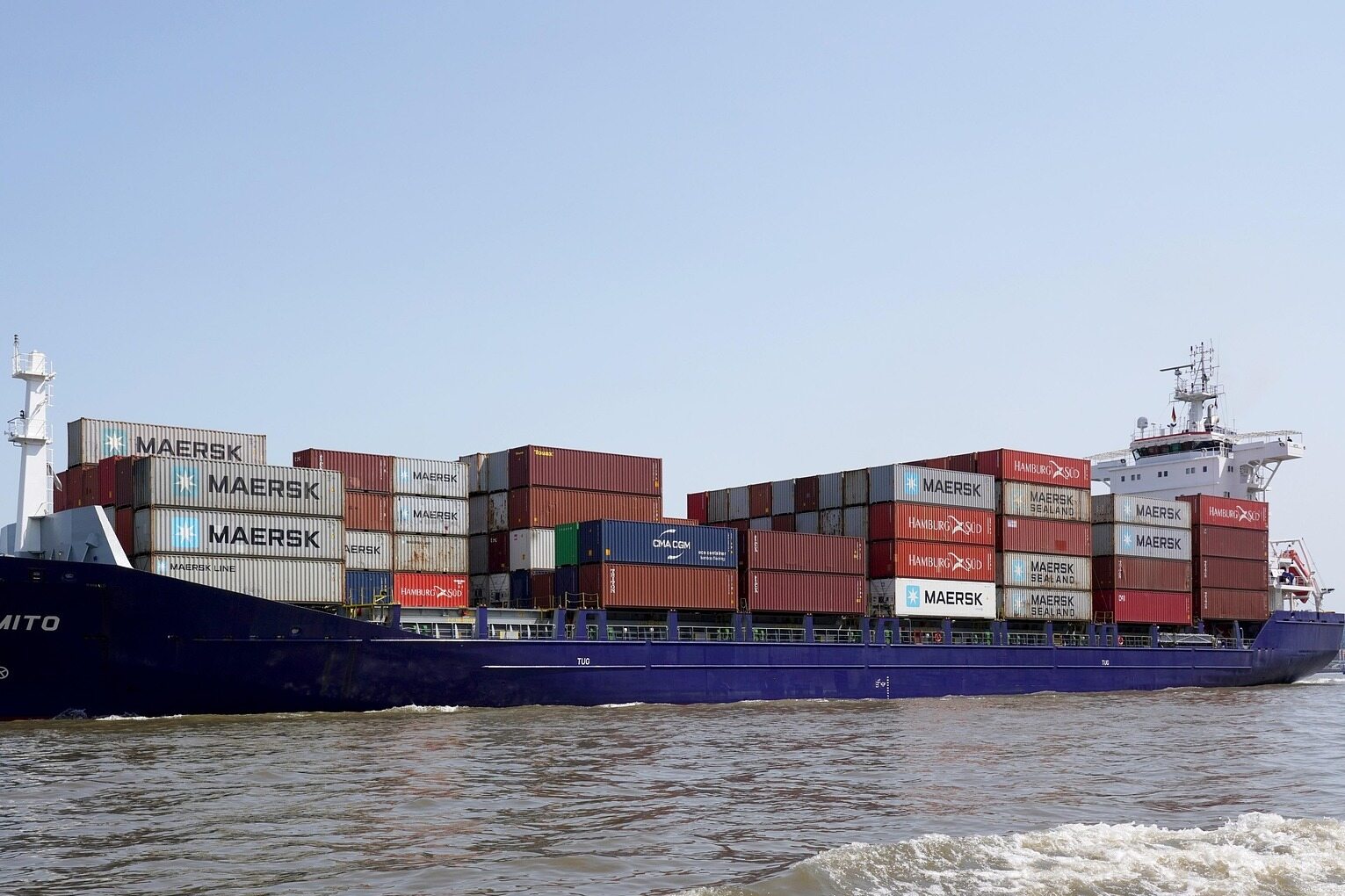
Against the backdrop of sluggish global trade growth and rising protectionism, bilateral trade between China and Brazil has entered the fast lane. By 2025, the total trade volume between China and Pakistan will reach a historical high of 171 billion US dollars, an increase of 8.2% compared to the previous year. This volume is more than twice the trade volume between Brazil and the United States during the same period, further consolidating China's position as Brazil's largest trading partner, which has lasted for ten years.
The achievement of this result is not accidental. On the one hand, thanks to the highly complementary economies of the two countries, Brazil's agriculture and minerals meet China's huge demand, while China's industrial products are deeply integrated into the Brazilian market. On the other hand, the current complex international trade environment, especially the measures taken by the United States to impose tariffs on multiple countries, objectively promotes closer cooperation between China and Pakistan, seeking stability and security in the supply chain.
However, beneath the brilliant total, there are clear and long-standing trade structure issues, as well as emerging growth points quietly emerging.
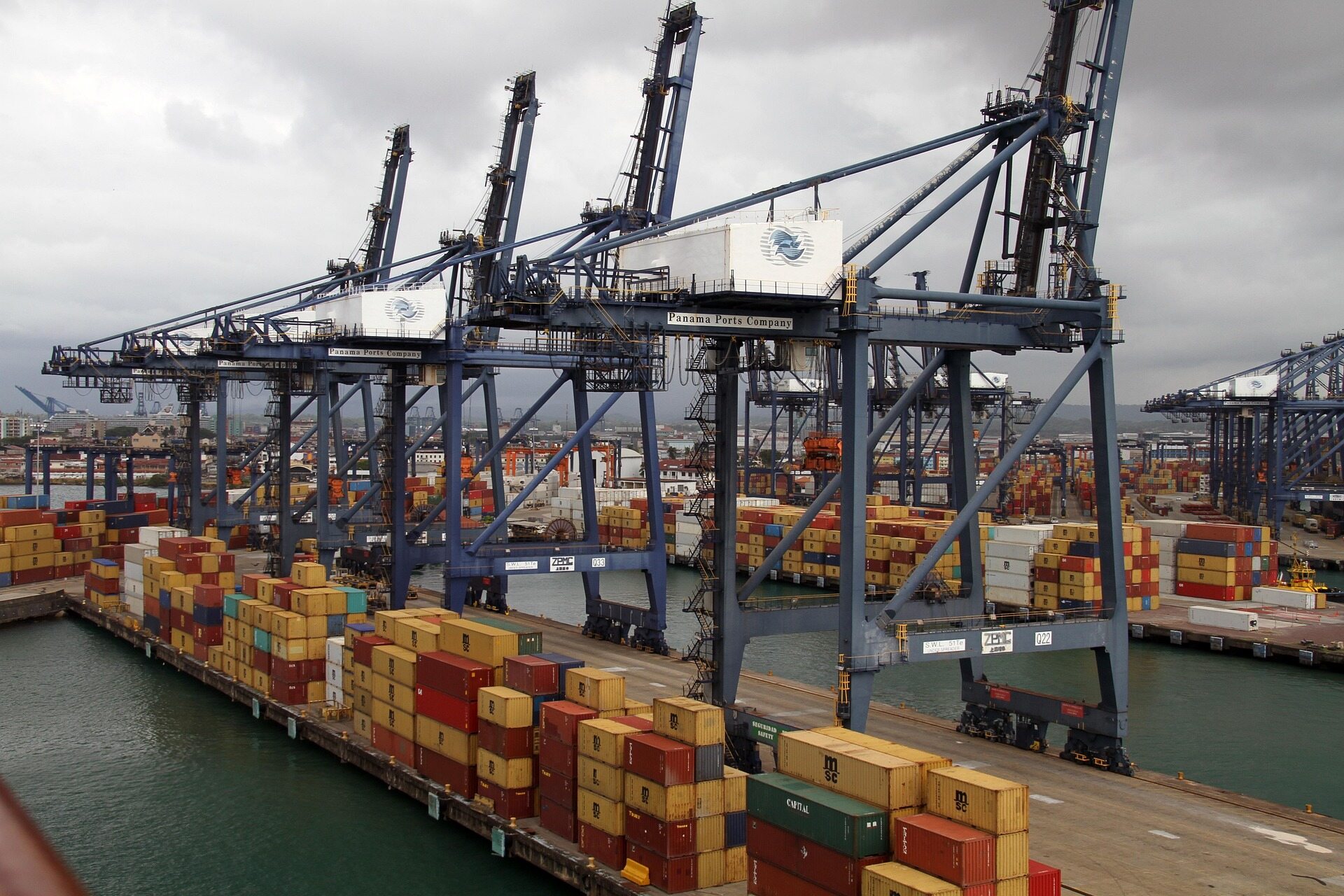
Commodity dependence and high value-added deficit
In depth analysis of trade data for 2025 reveals a classic but increasingly prominent South South trade structure: Brazil mainly exports primary products to China, while importing industrial manufactured goods from China. This complementarity brings not only huge trade volume, but also structural concerns.
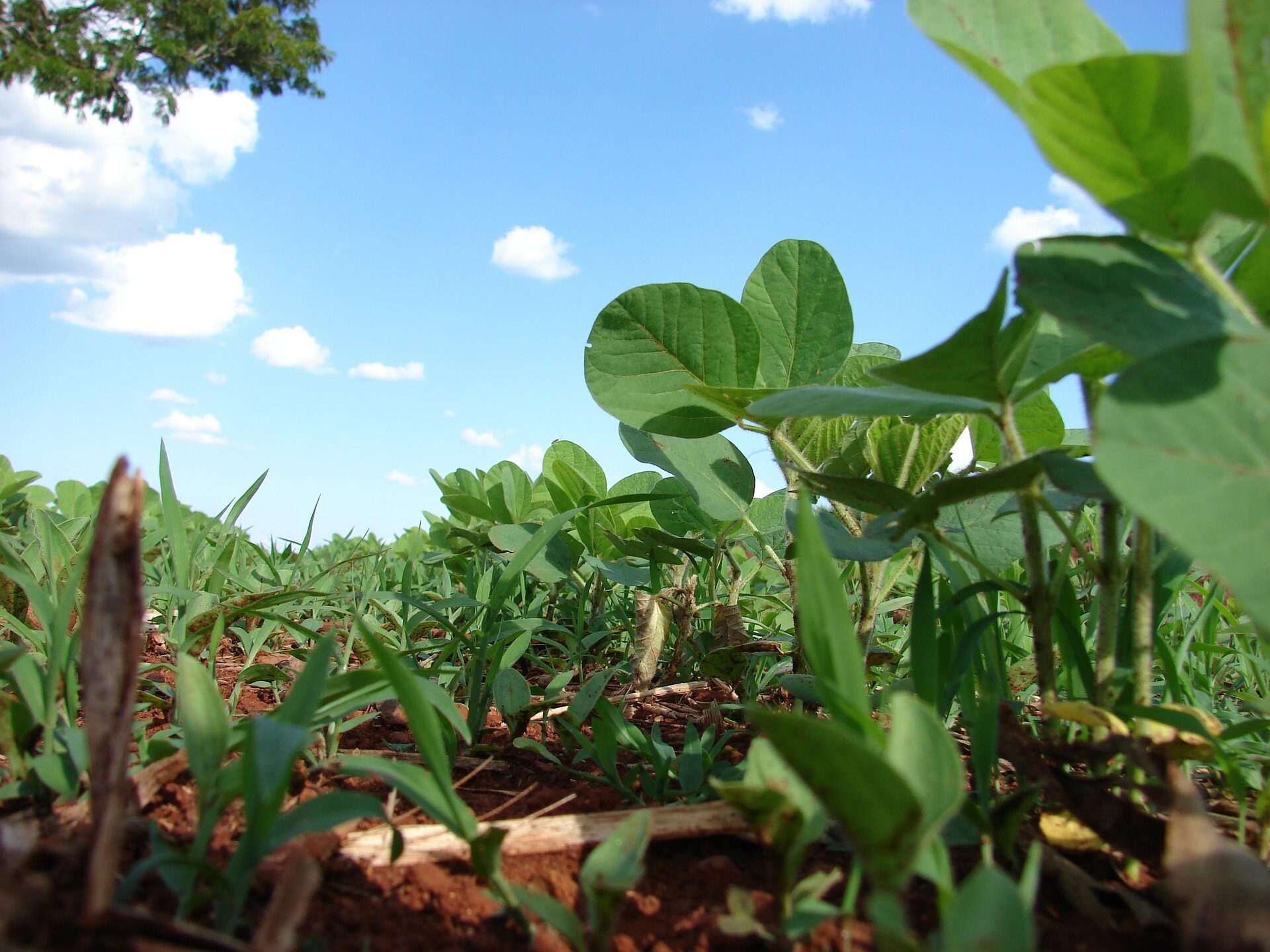
Brazil's exports are highly concentrated. Among the $100 billion worth of goods exported to China, commodities such as soybeans, iron ore, and oil dominate the market. Among them, soybean performance is particularly crucial. Driven by strong demand from China, Brazil's soybean exports are expected to break records by 2025, reaching around 110 million tons, of which China imports about 80% and even exceeds 90% in some months. This deep dependence not only brings Brazil a substantial trade surplus, but also makes its economy more vulnerable to fluctuations in international commodity prices, climate change, and changes in single market demand.
A contrasting import structure. On the other hand, Brazil's $70.9 billion imports from China present a completely different picture. The growth momentum mainly comes from high value-added industrial products such as electromechanical equipment and chemical products. Of particular note is the significant increase in China's exports of cars, especially electric and hybrid vehicles, to Brazil. China has become the main supplier of new energy vehicles to Brazil. In addition, there has been a significant increase in the import of platform vessels and pharmaceutical products used for oil exploration.
This structural difference is more pronounced in comparison to Brazil's trade with the United States. Brazil's exports to the United States will decrease by 6.6% year-on-year in 2025, with about 80% of them being industrial manufactured goods with higher added value and more diverse categories. Tullio Callelo, Director of CEBC of the Brazil China Business Council, pointed out that the tariffs imposed by the United States have seriously affected the competitiveness of Brazilian products, and there are few other markets that can make up for this loss. This highlights the urgency for Brazil to elevate its industrial hierarchy and promote export diversification in global trade.

E-commerce becomes a new engine of growth
If traditional goods trade outlines the basic framework of China Pakistan cooperation, then the outbreak of the digital economy injects new vitality into the economic and trade relations between the two countries. Between April and September 2025, the e-commerce transaction volume between China and Pakistan showed an astonishing growth momentum, with an increase of up to 249%.
This data far exceeds the average growth level of Chinese companies in other emerging markets and is also higher than other major markets in Latin America during the same period. Ebanx, a fintech company, analyzed that under the influence of geopolitical factors, companies from various countries are competing to compete for alternative markets such as Brazil, and the recognition of Chinese digital platform companies in Brazil is rapidly increasing. This e-commerce boom is not just about simple cross-border buying and selling of goods, but also represents China's mature digital business model, efficient logistics and payment system accelerating its overseas expansion and deep integration with Brazil's vast consumer market.
Future oriented cooperation upgrade
Faced with the current situation of huge total amount but unbalanced structure, China and Pakistan are pushing cooperation to a higher dimension, committed to breaking the single cycle of commodity for industrial products.
Deepening industrial and technological cooperation. The accelerated growth plan and Brazil's new industry plan launched by the Brazilian government form a strategic alignment with China's advantages in new energy, 5G communication, artificial intelligence and other fields. For example, BYD has established a production base in Brazil, which not only exports products but also creates employment opportunities locally, helping Brazil's green transformation and re industrialization.
Financial cooperation provides a stable foundation. To reduce dependence on third-party currencies and lower transaction costs, China and Pakistan are vigorously promoting local currency settlement. Since the completion of the first RMB closed-loop transaction in 2023, the scale of using local currency for trade settlement is expected to continue to expand. In addition, financial cooperation under the BRICS framework also provides a platform for the two countries to cope with global financial uncertainty and build a more stable economic and trade environment. Keywords: Brazil, international news, bilateral trade between China and Pakistan
In summary, the trade volume of 171 billion US dollars by 2025 is a strong proof of the resilience and potential of China Pakistan economic and trade relations. However, the huge numbers are more like a new starting point. In the future, the deepening of bilateral relations lies not only in the continued expansion of trade scale, but also in whether we can work together to cross the stage of simple commodity trade, and jointly draw a more balanced, diverse, and sustainable new blueprint for the China Pakistan community of shared future in the fields of digital economy, green technology, industrial chain integration, and financial cooperation.Editor/Cheng Liting
Comment





 Praise
 Collect
 Comment

 Share
Share


Write something~