 Search


- This magnet is the only device of its kind in the world that can provide a magnetic field of over 30 Tesla
When a new magnet was successfully excited in the research institute of the Chinese Academy of Sciences, the number of "35.6T" finally displayed stably on the instrument officially announced the change of owner of a world record. On February 3, 2026, Chinese researchers successfully developed a fully superconducting user magnet with a central magnetic field strength of 35.6 Tesla using the "Comprehensive Extreme Conditions Experimental Device", breaking the original world record of 32 Tesla held by the National High Magnetic Field Laboratory of the United States for many years. This achievement is not only a numerical breakthrough, but also signifies that China has unprecedented powerful tools in exploring the forefront of material science.
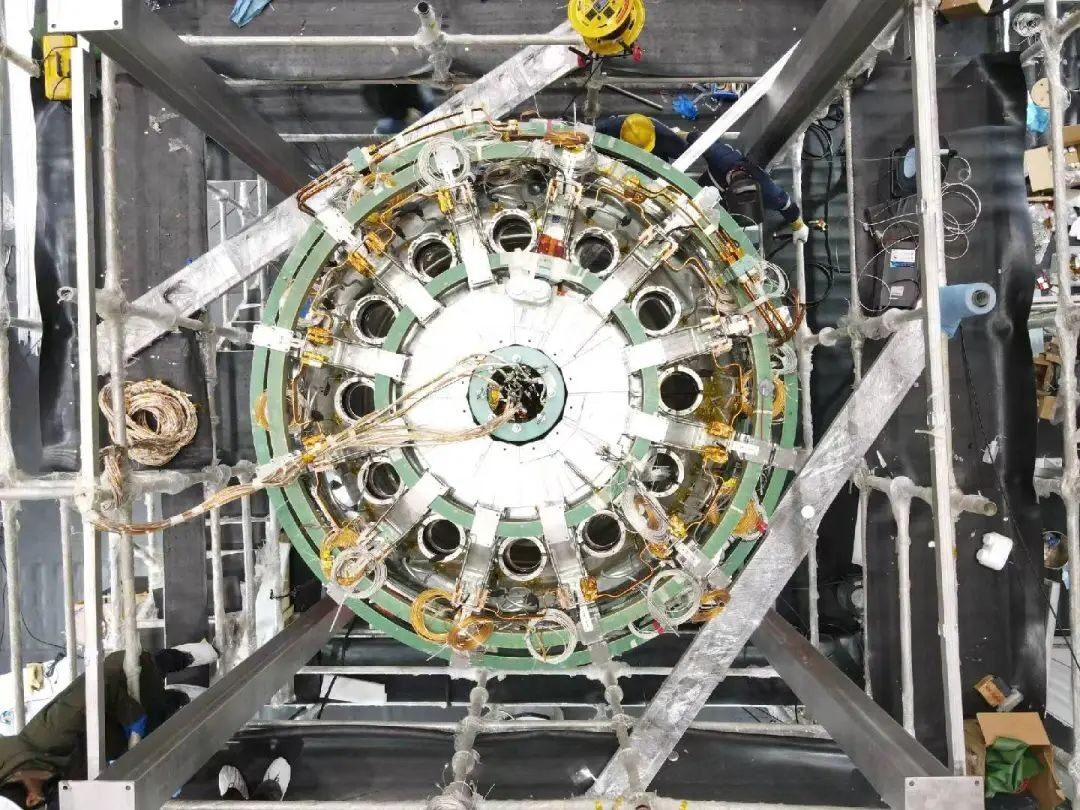
China sets new record
The core parameters of this newly born fully superconducting magnet have attracted worldwide attention. The steady-state magnetic field strength of 35.6 Tesla is over 700000 times that of the Earth's magnetic field strength. More importantly, it has become the only "fully superconducting" user experimental magnet worldwide that can provide a magnetic field of over 30 Tesla. Previously, achieving such a high steady-state magnetic field often relied on hybrid magnets with extremely high energy consumption (partially superconducting and partially water-cooled). This breakthrough means that Chinese scientists have provided the global research community with a more efficient and energy-efficient solution for extreme strong magnetic fields, opening up a new experimental frontier for cutting-edge basic research from superconducting materials to quantum states.
Cross disciplinary collaboration to overcome difficulties
This landmark achievement stems from the close collaboration and joint research of multidisciplinary teams within the Chinese Academy of Sciences. Among them, the team of the Institute of Electrical Engineering focuses on the core body of the magnet and has made key breakthroughs in the design and construction of fully superconducting magnets, ensuring the stability and safety of the magnet when generating extremely strong magnetic fields. At the same time, the team at the Institute of Physics faced the challenges of application and successfully overcame the world-class problem of precision measurement and system integration in such an extremely strong magnetic field environment, enabling this powerful tool to truly serve precision scientific experiments. The deep integration of two scientific research forces has ultimately achieved a leapfrog improvement in the entire chain from principles to applications, from devices to data. Keywords: New News Video, New News Video News
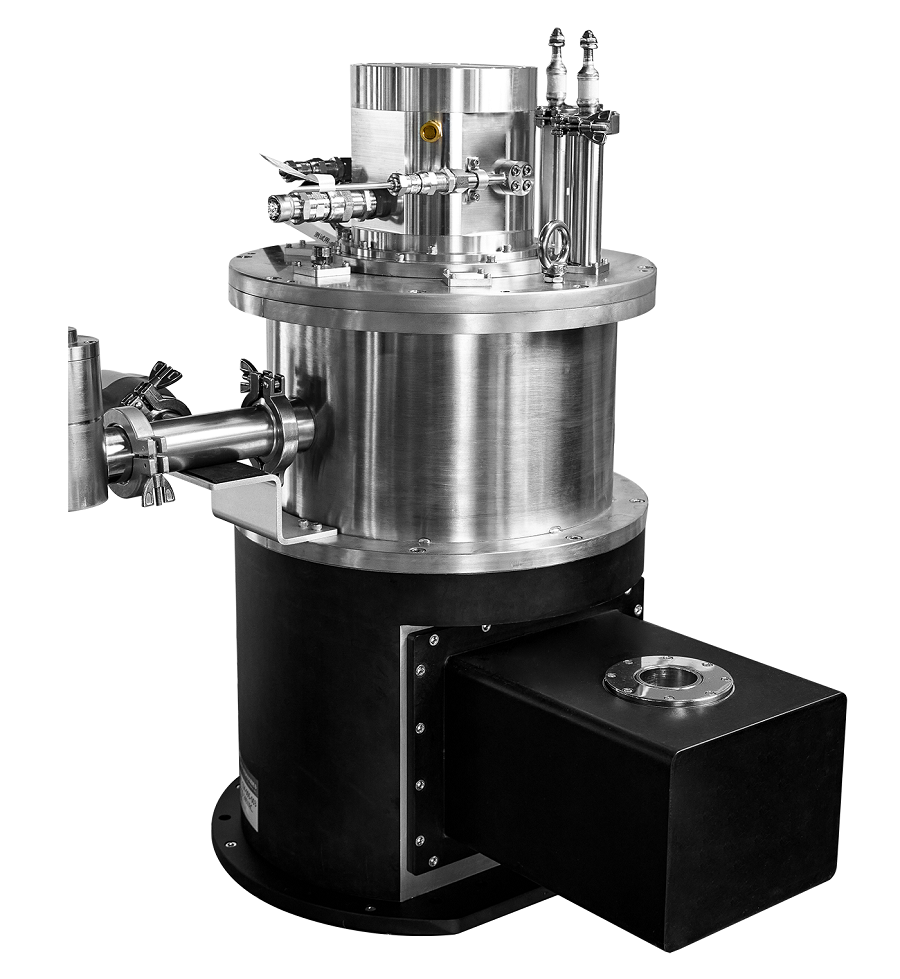
From the laboratory to the future
The profound significance of this major breakthrough goes far beyond breaking a record. Firstly, at the level of scientific research, the magnet will immediately serve as a public experimental platform, providing top-level extreme conditions for research teams in multiple fields such as materials science, physics, and chemistry at home and abroad, and promoting original scientific discoveries. Secondly, in terms of technical application and cost, the project researchers pointed out that fully superconducting magnets, with their zero resistance characteristics, have much lower long-term operating costs than traditional technological paths, and their 35 millimeter available aperture can meet most conventional experimental needs, with good practicality and economic prospects. Ultimately, the maturity of this core technology will lay a solid and independent foundation for the development of high-end medical equipment (such as next-generation high field nuclear magnetic resonance imaging), national defense technology, and future large-scale scientific devices in China. It is an important demonstration of the country's cutting-edge technological strength.Editor/Gao Xue
Comment


 Praise
 Collect
 Comment

 Share
Share


Write something~