 Search


- Vietnam and Russia have reached a basic agreement on the draft agreement for the construction of the Ningshun 1 nuclear power plant
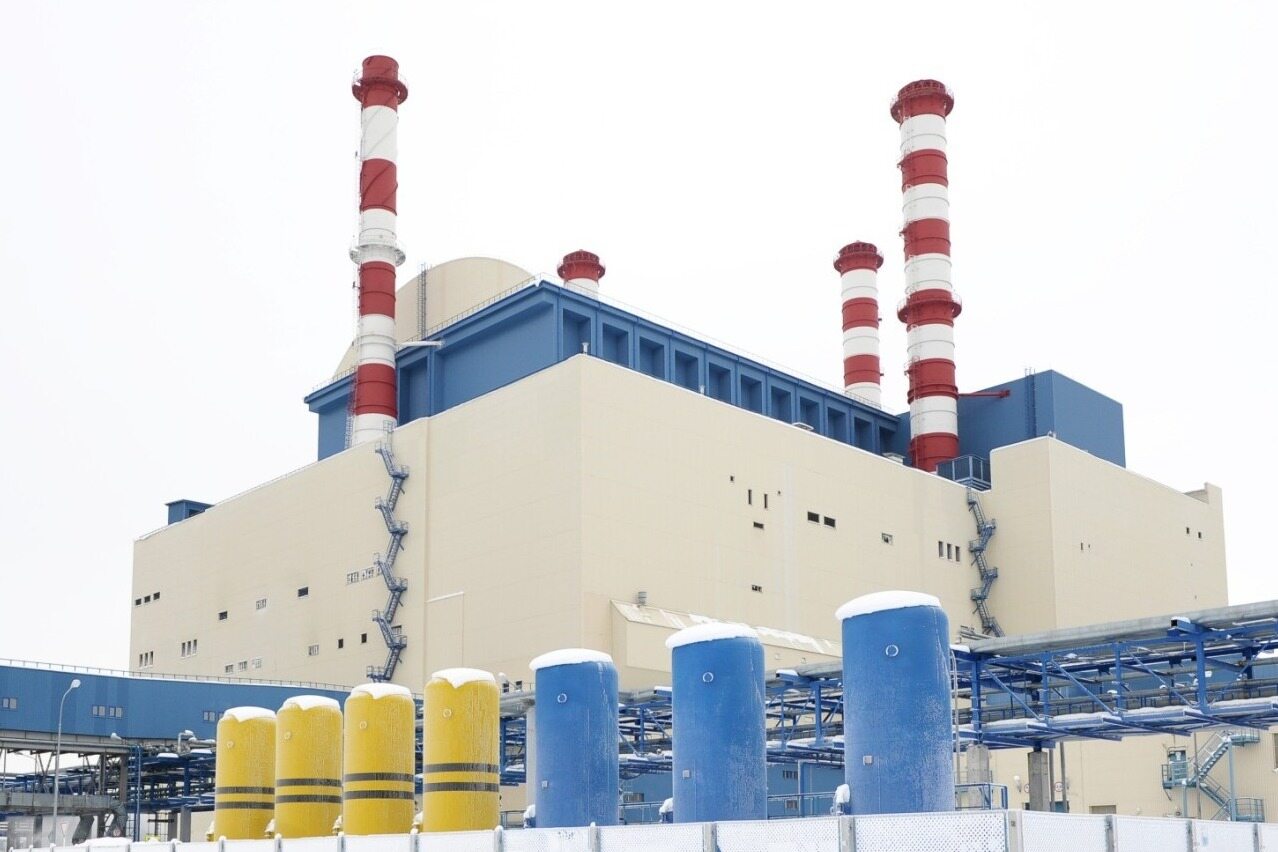
On January 26, 2026, in the government conference room of Hanoi, the capital of Vietnam, a crucial meeting on the future of national energy had just ended. According to the news released by the Vietnamese government, after lengthy diplomatic and technical negotiations, Vietnam and Russia have "basically reached an agreement" on the complete draft agreement for the cooperation in the construction of the Ningshun 1 nuclear power plant. This progress has pressed a substantial starting button for the nuclear power dream of this Southeast Asian country, which has been delayed for many years. Vietnamese Prime Minister Pham Minh Thang personally presided over the meeting, emphasizing that this nuclear power plant is a "major strategic project with a century long impact" and urging its first unit to achieve grid connected power generation between 2030 and 2035.
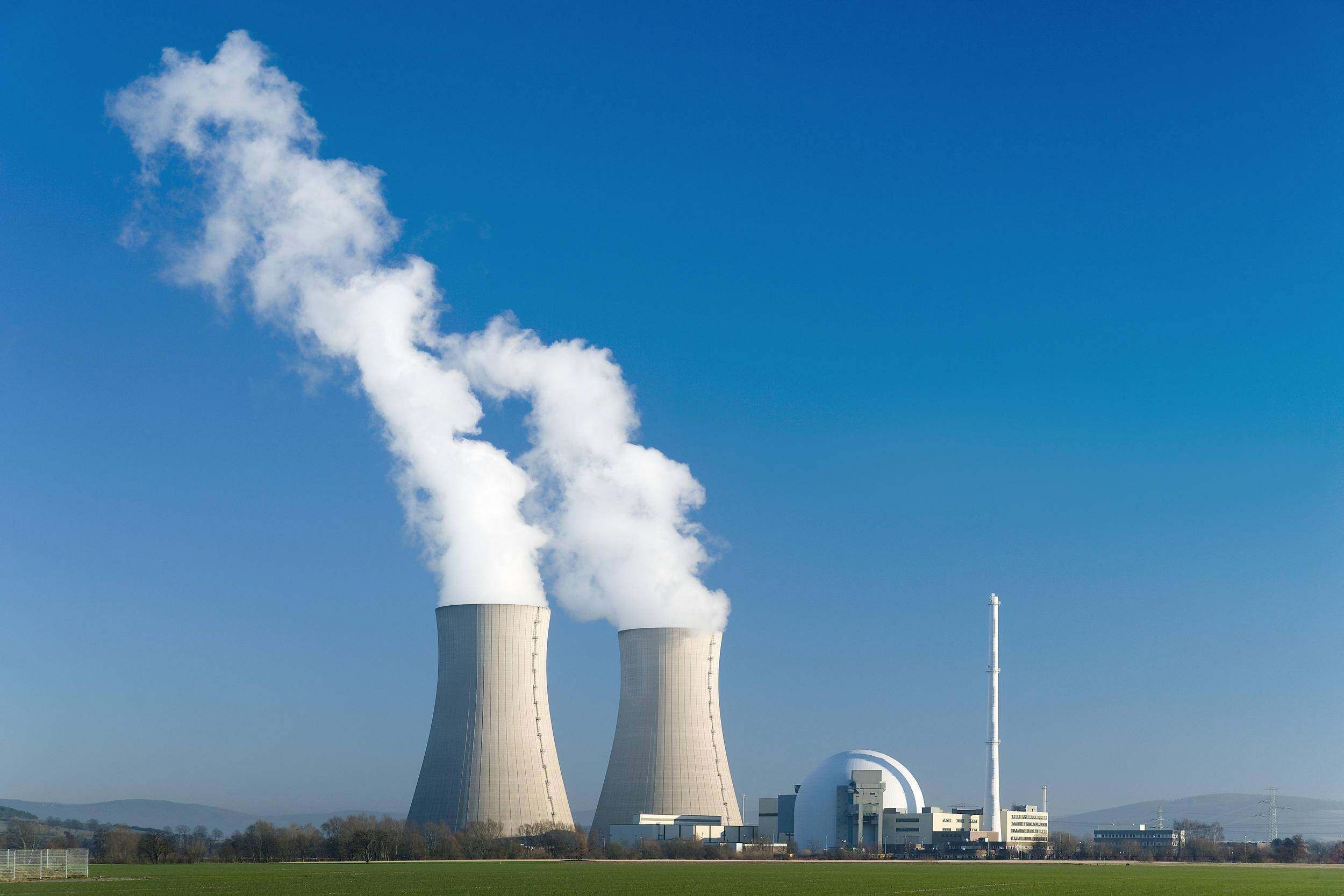
Vietnam's nuclear ambitions
The Ningshun 1 nuclear power project carries Vietnam's energy aspirations for nearly two decades. The project can be traced back to the nuclear power development plan approved by the Vietnamese parliament in 2009. It was originally scheduled to start construction in 2014 and be put into operation in 2020, but was postponed in 2016 due to multiple factors. Now, with the promotion of Vietnam's new resolution on "National Energy Security by 2030" released in August 2025, the project has been fully restarted. This is not only Vietnam's first nuclear power project, but also listed as a strategic project that must be implemented as soon as possible by its highest decision-making body, the Politburo. The project plans to construct two Russian AES-2006 VVER-1200 pressurized water reactors, with a total installed capacity of up to 2400 megawatts and an estimated investment of between 9.5 and 11 billion US dollars. The return of the project marks Vietnam's firm pursuit of energy structure diversification to reduce dependence on fossil fuels and ensure long-term energy security.
Technology and funding model
This cooperation adopts a typical "Russian style" nuclear power export model. Atomstroyexport, a subsidiary of the Russian State Atomic Energy Corporation, will serve as the general contractor and be responsible for the comprehensive construction and technology transfer of the power plant in a "turnkey" manner, as well as the subsequent nuclear fuel supply and spent fuel recovery. In terms of financing, the Russian Ministry of Finance will provide export credit of over 85% of the total project investment, settled in rubles and Vietnamese dong, which greatly alleviates Vietnam's financial pressure. The State owned Electricity Group of Vietnam is responsible for future operations as the owner unit. In addition, cooperation is not limited to power plant construction. Both sides will also simultaneously build a "Nuclear Science and Technology Center", aiming to cultivate local nuclear energy talents and promote technology localization in Vietnam, reflecting the long-term cooperation concept from "building power plants" to "building capabilities". Keywords: International Latest News, International Latest Reports
Safety and Unit 2
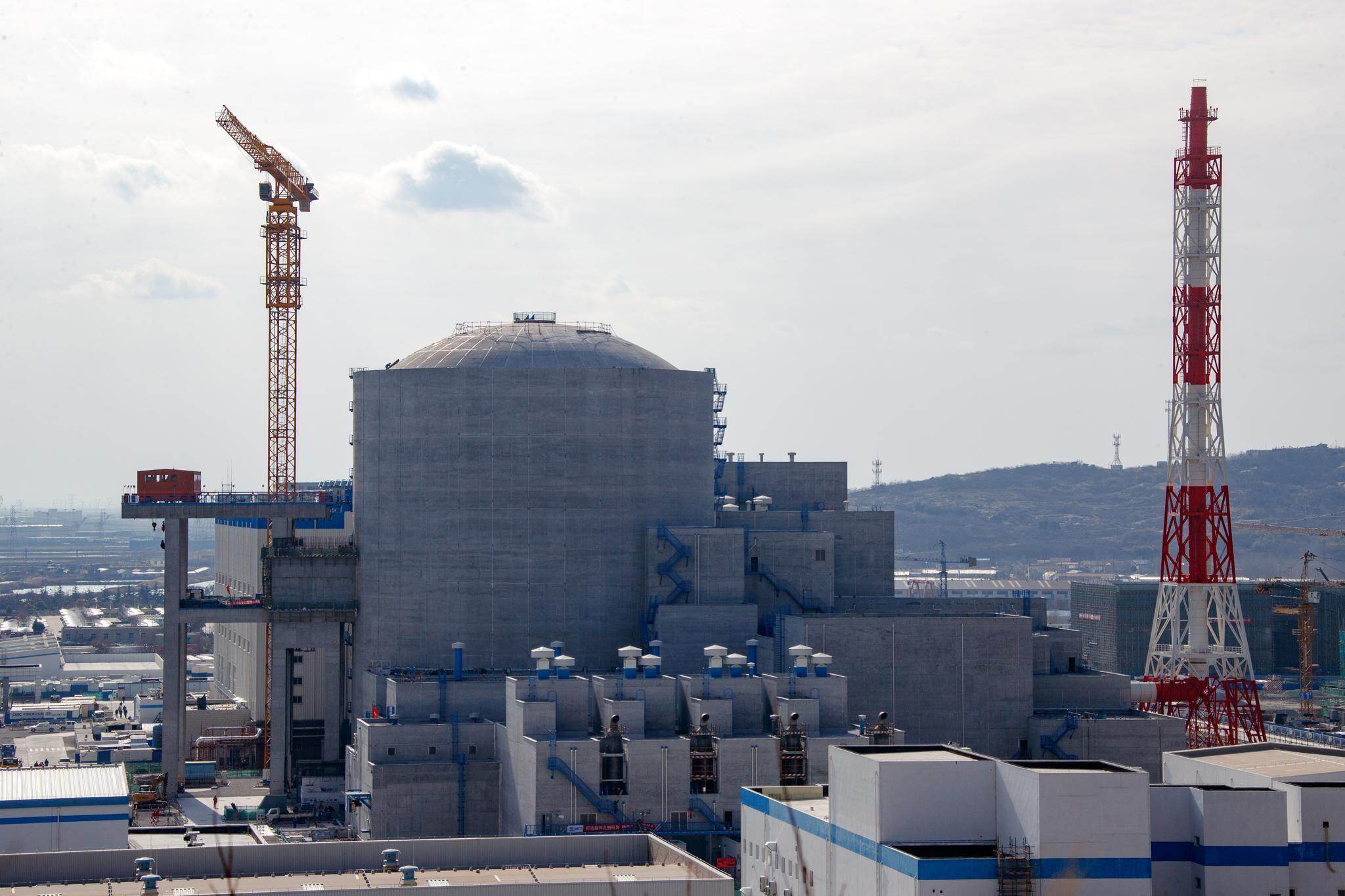
Although the draft agreement is a significant breakthrough, the project still faces clear challenges and subsequent steps towards final implementation. Vietnamese Prime Minister Pham Minh Thang emphasized at the meeting that nuclear power is a "highly sensitive field" and nuclear safety is crucial. Next, the draft needs to be submitted to the competent authorities of both countries for final review and formal signing before on-site construction can begin. At the same time, Vietnam's attention has turned to the future: the Ningshun 2 nuclear power plant adjacent to Ningshun 1 has also been put on the agenda. Fan Mingzheng has instructed the selection of partners with advanced core technologies for Unit 2 and designated the state-owned energy group as the investment and development entity. This means that Vietnam may adopt Russian technology for Unit 1 while introducing technology systems from other countries for Unit 2, forming a diversified technology layout of "one plant, two systems" to maximize national interests and diversify risks.Editor/Gao Xue
Comment


 Praise
 Collect
 Comment

 Share
Share


Write something~