 Search


- Frequent rail transit accidents in Catalonia, Spain and local governments urgently intervene, doubling maintenance expenses
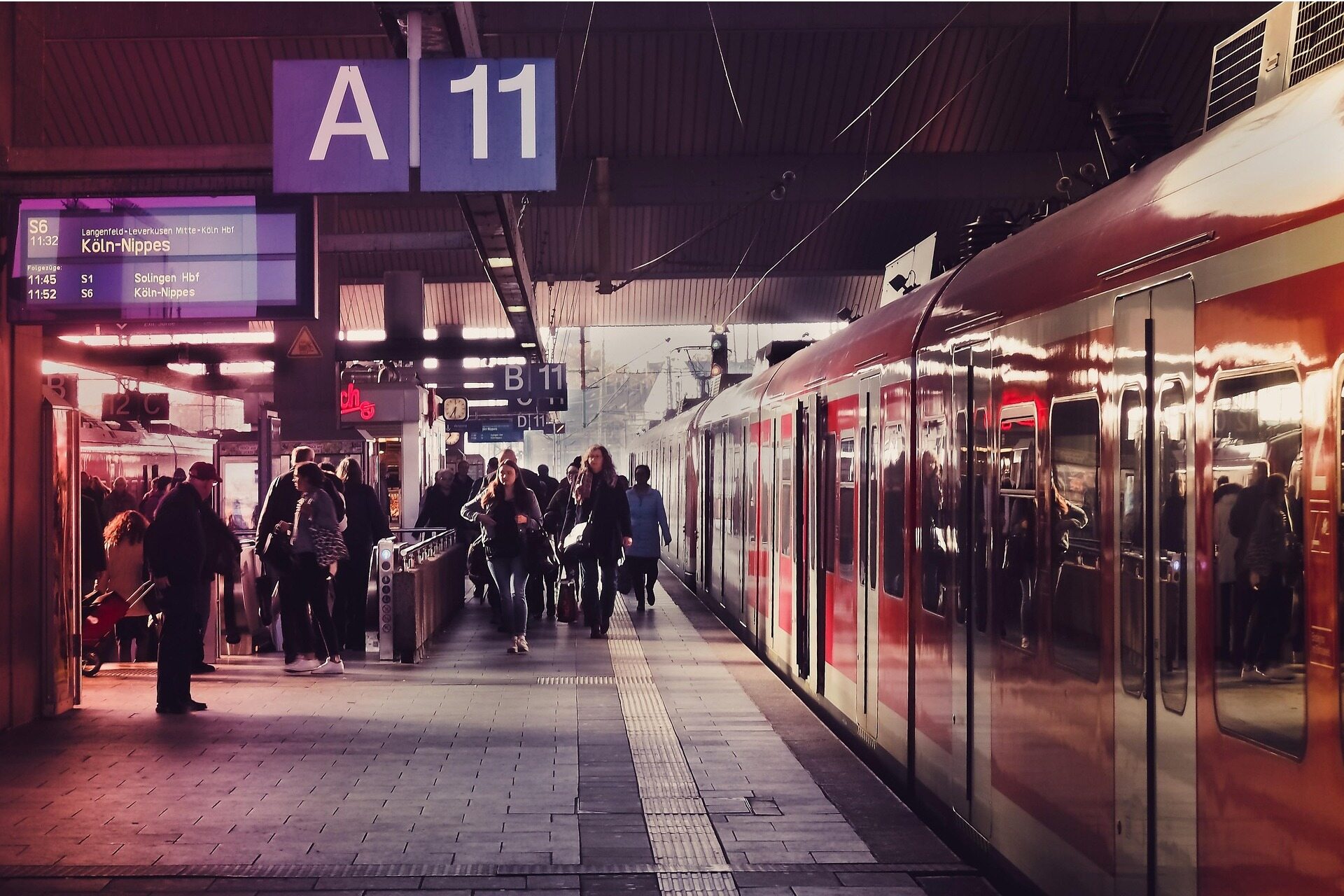
When Catalonia's rail transit network was on the verge of collapse under the dual pressure of time erosion and sudden accidents, Spain joined hands with the Catalan government to tear open a glimmer of hope for this transportation dilemma with a large-scale investment and upgrade action.
Recently, the Spanish government and the Catalan government have reached a consensus to double the funding for programs ranging from track updates to bridge and tunnel improvements, and from overhead line replacements to asset replacements.
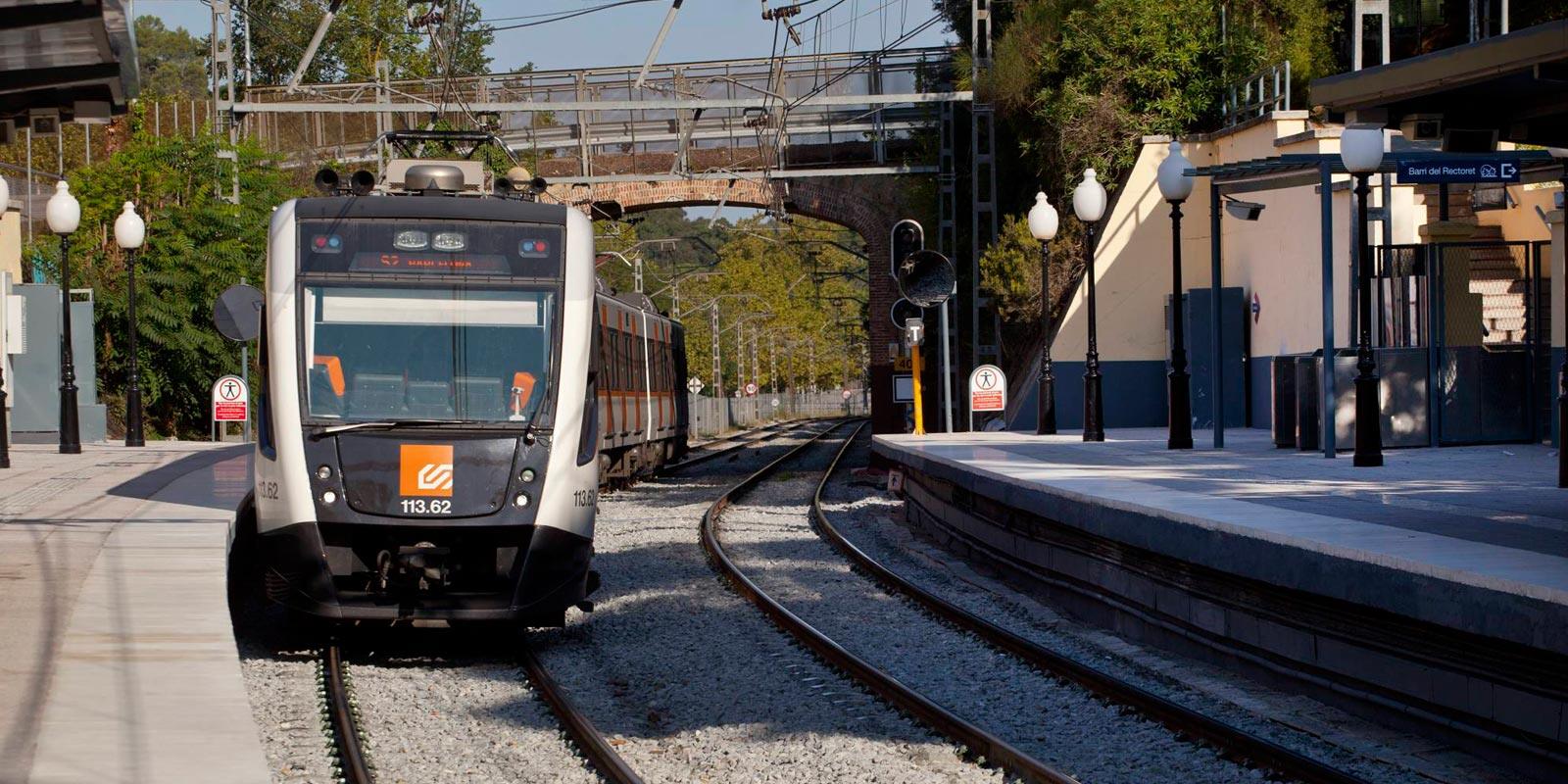
According to the revised Rodalies 2026-2030 plan announced on January 28, 2026, 1.83 billion euros will be allocated over the next five years. From 2020 to 2030, the total investment is expected to reach 8 billion euros, an increase of 26% compared to the initial estimate of 6.3 billion euros.
This revised investment plan was jointly proposed by Jose Antonio Santano, the Secretary of State for Transport and Sustainable Mobility in Spain, and Silvia Panek, the Minister for Territory, Housing, and Ecological Transition in the Catalan Regional Government. The plan prioritizes track updates, bridge and tunnel improvements, and overhead line replacements.
Officials emphasized that this updated plan will be finalized in October 2025. The recent series of events further highlights the urgency of increasing investment in the Rodalies rail transit network.
Revision Plan Details
In the revised Rodales plan, maintenance and asset replacement account for the majority of expenses. The funding for the asset replacement plan (covering preventive and corrective work) from 2026 to 2030 has significantly increased, from 660 million euros to 1.34 billion euros, bringing the total investment for the entire period from 2020 to 2030 to 2.24 billion euros. The plan includes a total of 287 measures, including bridge and tunnel repairs, as well as updates to tracks, signal systems, telecommunications, and traction power supply.
In addition, the plan also proposes a 6637 meter project to construct maintenance and parking facilities for the 110 new electric train sets ordered by Rodalies. Among them, 53 columns will operate in pairs to increase the capacity of R1, R2, and R4 lines, which are the busiest lines in Barcelona's commuter network.
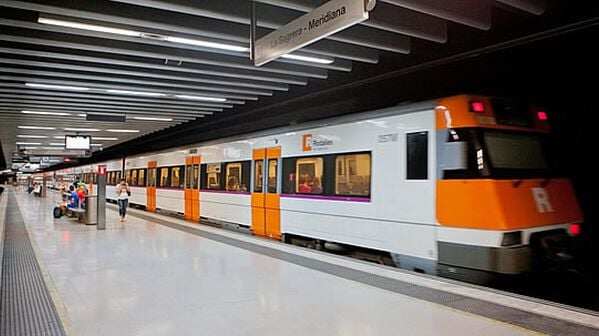
In terms of additional funding arrangements, 25 million euros will be used to improve travel convenience and provide real-time passenger information, and 500 million euros will be used for station upgrades, covering major transfer stations such as La Liga, Barcelona Sant and Tarragona. Keywords: National Highway Transportation, International Infrastructure Engineering
To improve Rodalies services, a working group will be established for supervision. The members of the group are from Renfe, Adif, and the Catalan regional government. The group will hold weekly meetings to evaluate the results of ongoing infrastructure inspection activities, current work progress, and Renfe's service quality on the Rodalies network, and take corresponding measures as needed.Editor/Cheng Liting
Comment


 Praise
 Collect
 Comment

 Share
Share


Write something~