 Search


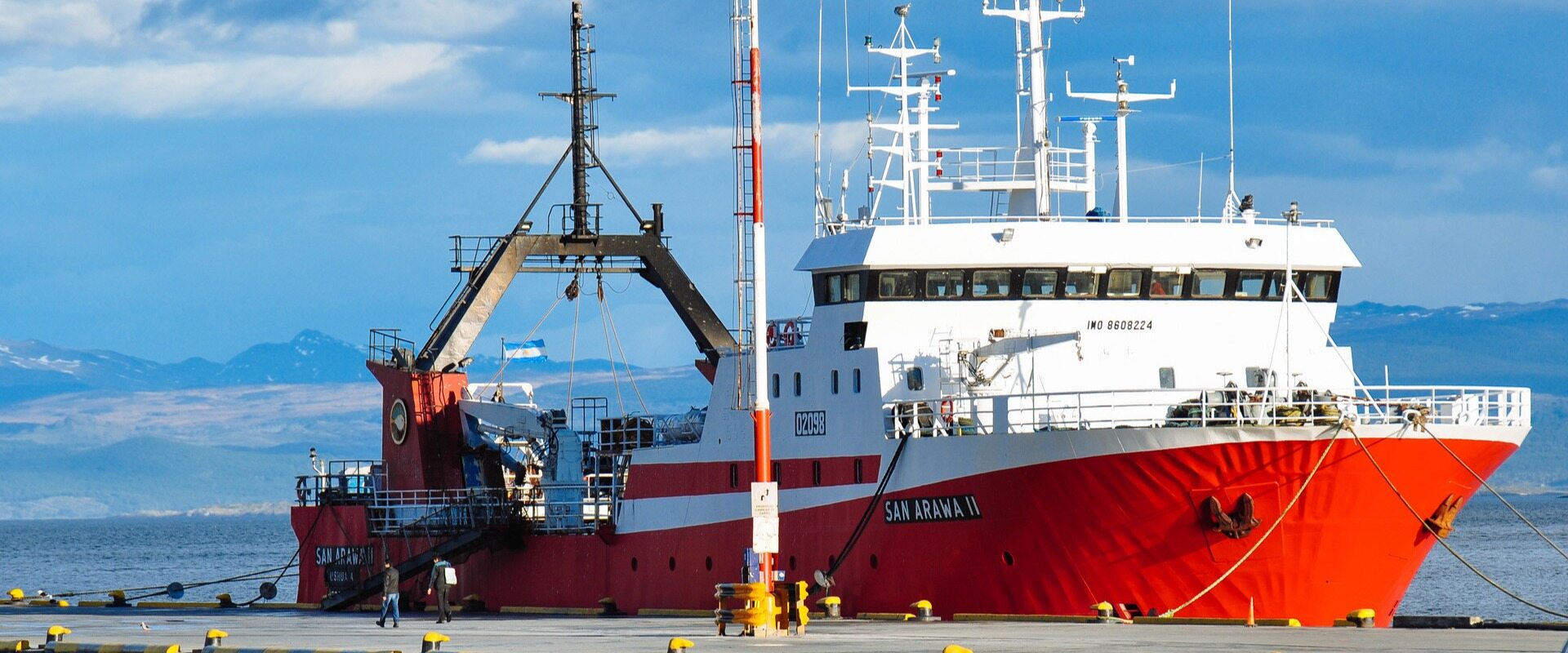
- By 2025, the proportion of global green ship orders will decrease to 37%
In the wave of low-carbon transformation in the global shipping industry, the alternative fuel ship market is experiencing a rational correction. According to the latest data on February 2, 2026, although the overall scale of new shipbuilding orders and investment heat have significantly cooled down, Chinese shipbuilding enterprises still maintain their core position in the global alternative fuel ship construction with strong strength, becoming an indispensable leading force in this field.
The proportion of orders has rationally declined, and alternative fuels remain mainstream
According to Clarkson statistics, there will be a total of 2036 new ship orders worldwide in 2025. Among them, there are 499 alternative fuel vessels, accounting for about 37% of the total order quantity, which has decreased from 44% in 2024. In terms of order value, global new shipbuilding investment will reach 181.3 billion US dollars in 2025, of which alternative fuel ships will contribute 79.1 billion US dollars, accounting for approximately 43.6%. Although it has decreased by 31% year-on-year, the proportion is still significant. The orders cover various types such as LNG powered ships, methanol powered ships, LPG powered ships, ethane powered ships, and battery hybrid propulsion ships. Looking back at recent years, the proportion of alternative fuel ships has climbed from a low in 2016 to a historical peak in 2022. Although it has fallen from its peak, it is still far higher than earlier levels, indicating that it has become an important component of the new shipbuilding market.
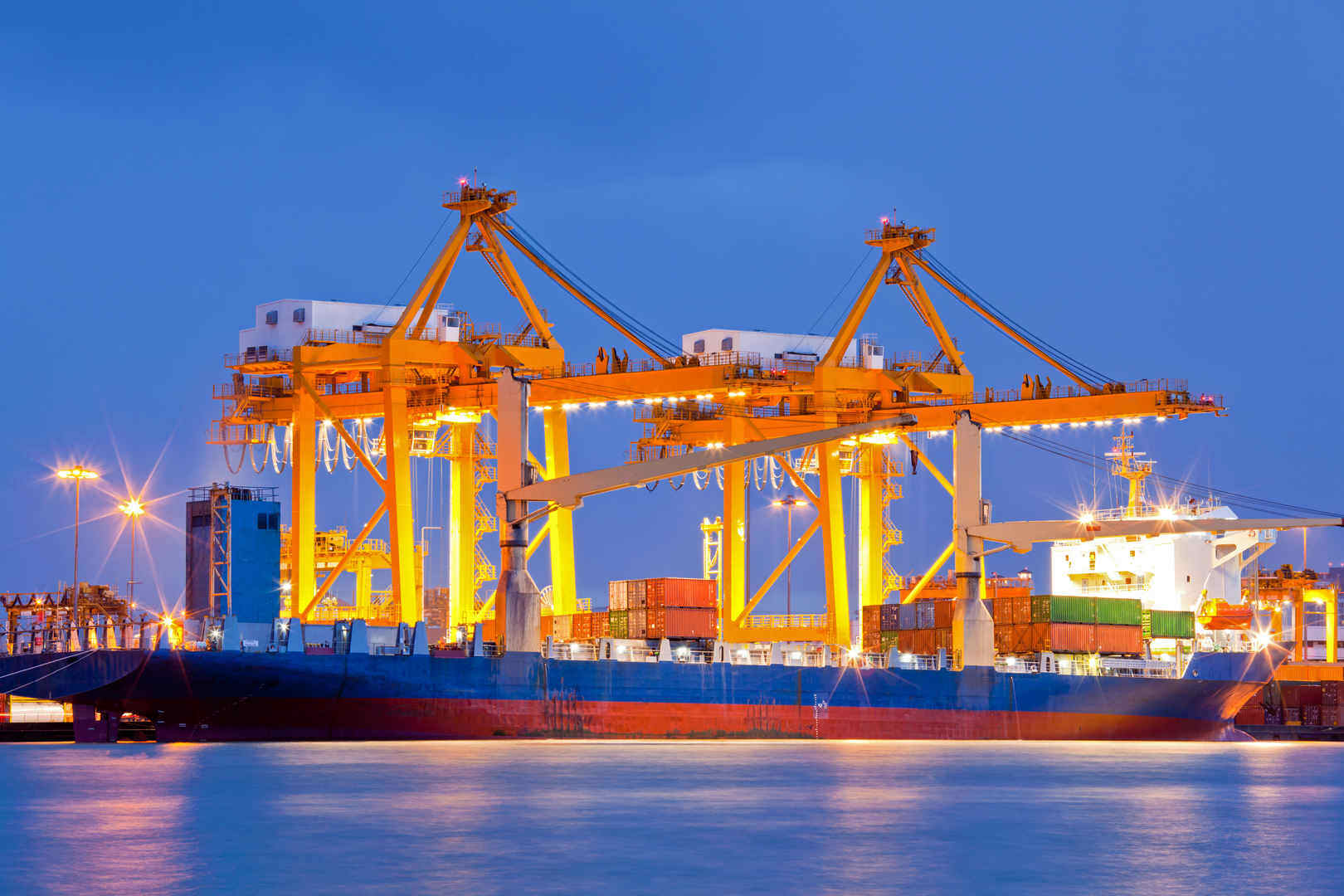
Chinese shipyards take the lead in receiving orders and maintain a core position in the market
Based on the analysis of shipyard countries, the advantageous position of Chinese shipbuilding companies in the alternative fuel ship construction market will be particularly prominent by the end of 2025. In December 2025 alone, Chinese shipyards took on 53 orders for new alternative fuel ships, accounting for 43.80% of the global orders for this type of ship in that month based on the revised total tonnage, ranking first in the world in terms of order volume. These orders include various types such as LNG dual fuel ships, methanol dual fuel ships, and battery hybrid ships. At the same time, South Korean shipyards received 17 orders for alternative fuels in November 2025, with a market share of approximately 37.16%, mainly consisting of LNG and LPG dual fuel ships. The data clearly shows that Chinese shipyards are undoubtedly the main force in the global alternative fuel ship construction market.
Fleet structure continues to evolve, with diverse fuel options for the future
Currently, the greening process of global fleets continues to advance. According to Clarkson data, the proportion of ships in the operating fleet that can use alternative fuels or propulsion devices has increased to 9.4% by tonnage, far higher than the level in 2017. The total number of alternative fuel ships currently available is 2756, mainly consisting of LNG powered ships and battery hybrid ships. More importantly, the proportion of alternative fuel vessels in handheld orders is as high as 47.0%, indicating that the fleet structure will accelerate its green transformation in the future. Among them, LNG powered ships have a large number of orders in hand, and methanol powered ship orders also account for a considerable proportion. In addition, the number of reserved ships for future options such as ammonia fuel and hydrogen fuel continues to increase, demonstrating the industry's exploration and preparation for multiple low-carbon paths. At the same time, investment in alternative fuel refueling infrastructure is accelerating globally to support the operational needs of future ships. Keywords: Macro Information Network, Macro Latest News
Industry Outlook and Challenges
DNV Maritime CEO Knut pointed out that the shipping industry experienced a correction in new shipbuilding orders in 2025, which is a natural decline after the previous ordering boom. Despite facing challenges such as regulatory policy uncertainty, some sectors such as container ships still have a strong momentum in transitioning to alternative fuels. The speed of industry transformation in the future will largely depend on the establishment of an efficient and unified global regulatory framework to effectively incentivize market adoption of alternative fuels and create a fair competitive environment.Editor/Gao Xue
Comment







 Praise
 Collect
 Comment

 Share
Share


Write something~