 Search


- Two departments jointly issued opinions proposing the construction of a service system covering the entire energy scenario
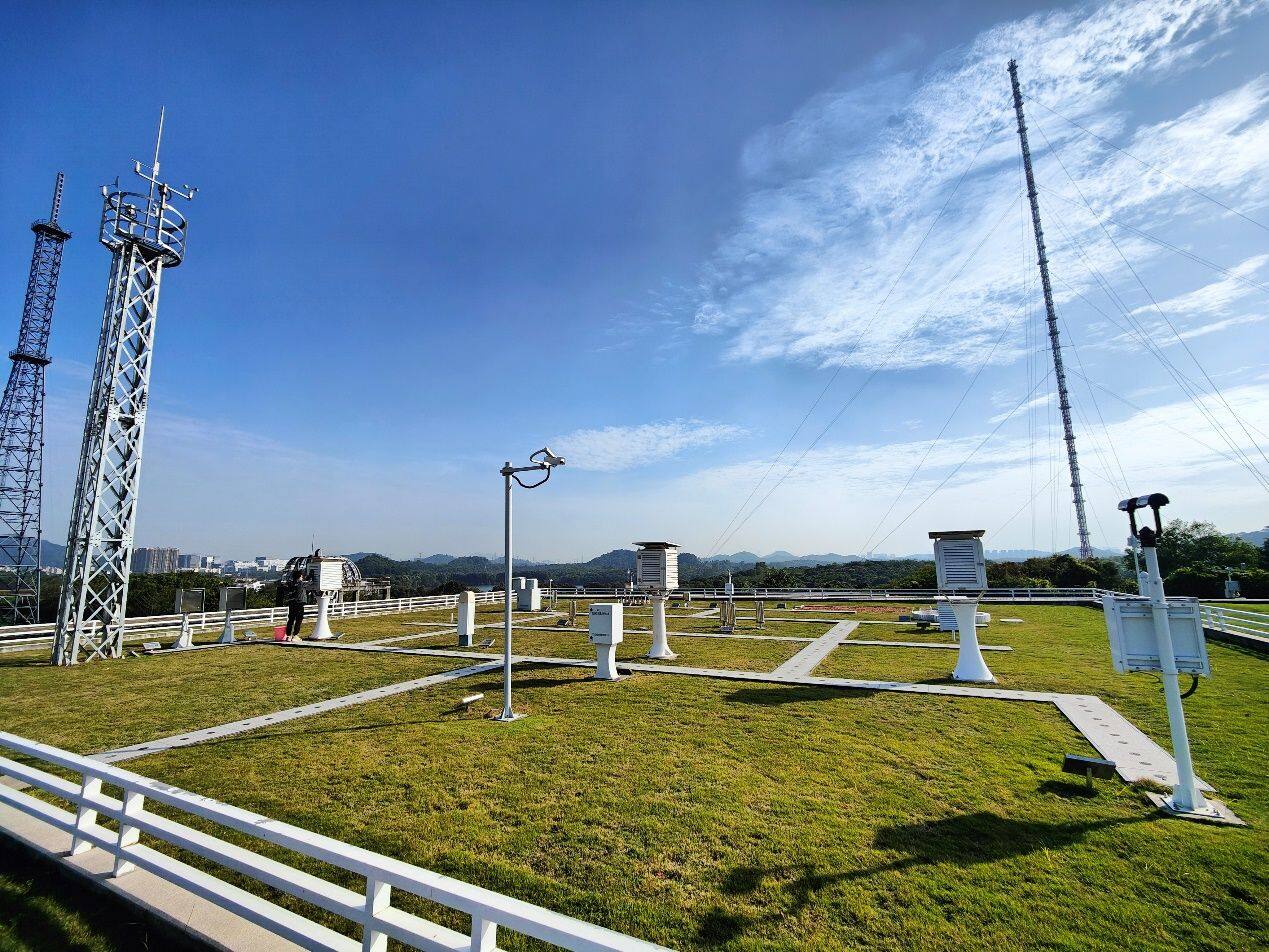
On the Gobi Desert in the Hexi Corridor, a device that can make the wind "visible" without a tower is quietly changing China's wind power industry. In 2026, the application of innovative technologies such as virtual wind measurement towers indicates that wind and solar power generation is undergoing a profound transformation from "relying on the sky for food" to "observing the sky for management", and all of this cannot be achieved without the strong support of meteorological technology.
Building an Energy Meteorological Service System
In 2026, the China Meteorological Administration and the National Energy Administration jointly issued the "Guiding Opinions on Promoting the Construction of Energy Meteorological Service System", which outlined a clear roadmap for accurate meteorological services in the new energy era. The document clearly sets out a phased goal: by 2027, an integrated energy meteorological service system covering energy planning and site selection, resource monitoring and forecasting, disaster prevention and reduction, market transactions, and other full scenarios should be basically established, and the time scale should be extended from short-term to monthly, quarterly, and annual. By 2030, meteorological service technologies in key areas such as water, wind, light, and storage should reach the international advanced level, and high-quality services should be provided to help achieve the national carbon peak goal. This top-level design aims to effectively support the cost reduction, efficiency improvement, and safe and stable operation of the energy industry by deeply integrating meteorological data with the energy and power industry.
Virtual wind measurement tower accurately captures wind
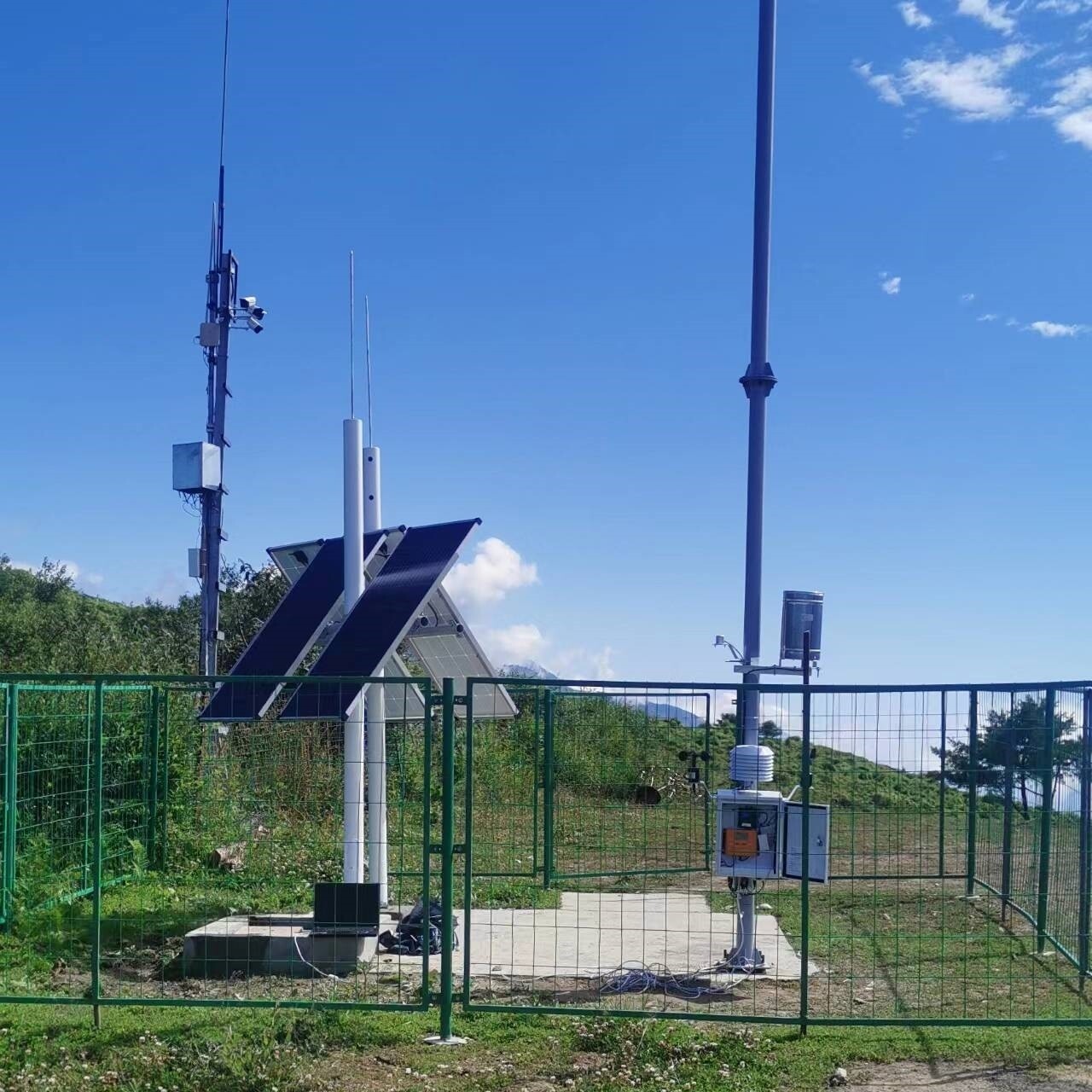
Faced with the global challenge of the volatility of new energy, China's technological innovation provides specific solutions. In the Gobi wind farm in Zhangye, Gansu, a new equipment called "virtual wind measurement tower" has been put into use. It does not require the construction of towering physical towers, the core is a device integrated with advanced LiDAR technology. This device can accurately measure wind speed and direction data at up to 24 different heights from 40 meters to 350 meters above ground by emitting laser beams into the sky and receiving signals reflected back from atmospheric aerosols, with a data acquisition rate of over 99%. Compared to traditional wind measurement towers, it has significant advantages such as fast deployment, low cost, rich measurement levels, and adaptability to complex terrain. Since June 2025, the accuracy of wind speed forecasting and ultra short term power forecasting for local wind farms has been effectively improved. Keywords: New News, New News Network
Improving prediction accuracy to ensure power grid safety
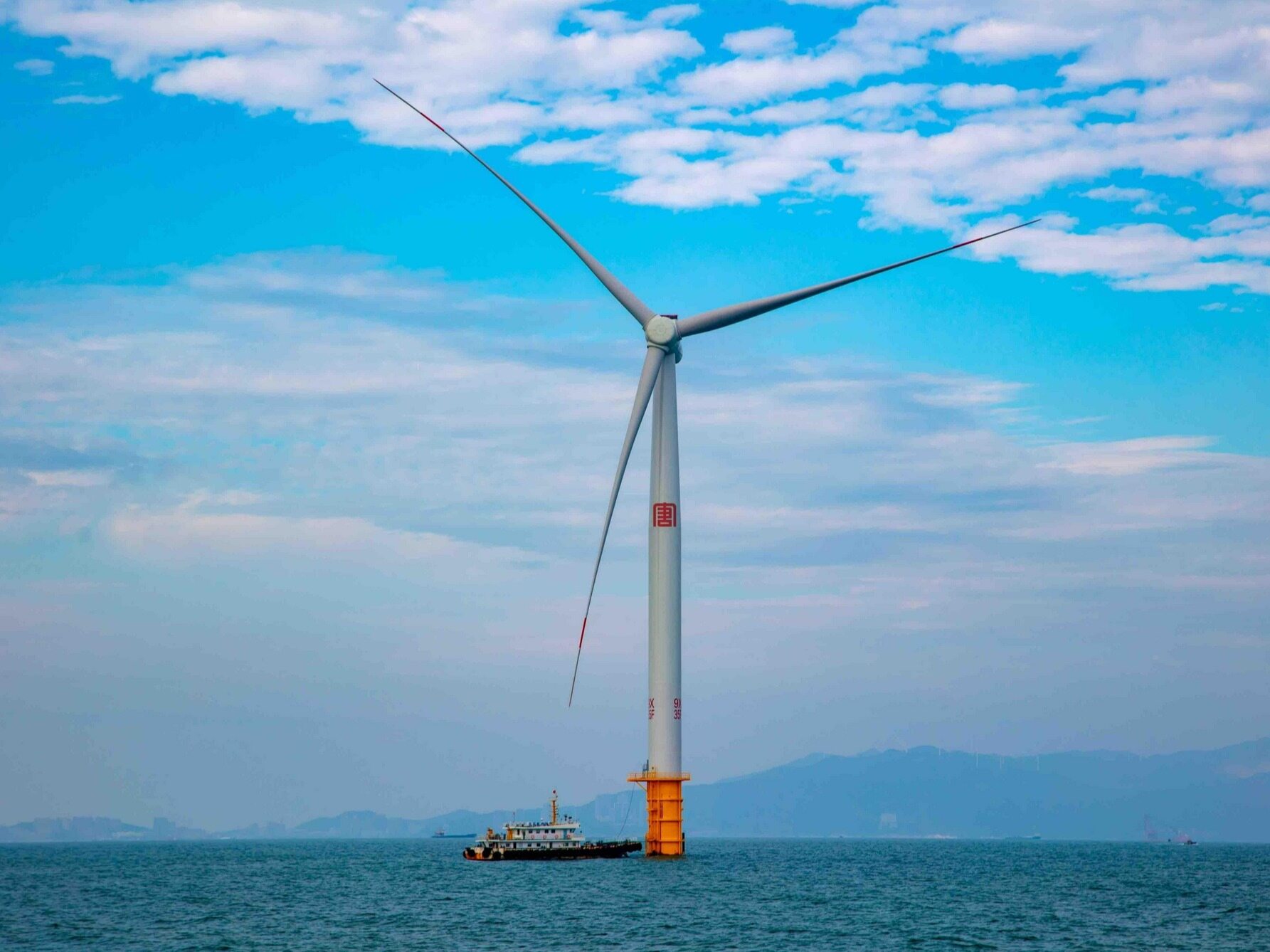
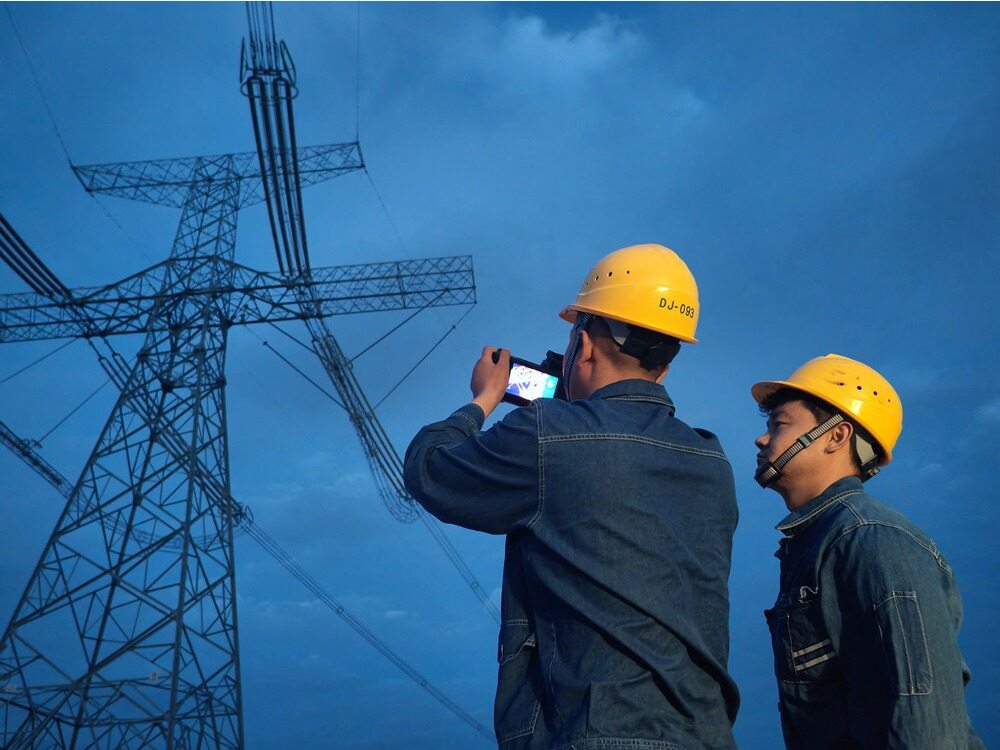
The deep integration of meteorological services and new energy has the core value of breaking down data barriers and improving prediction accuracy to ensure power grid safety. The high-frequency and multidimensional data generated by virtual wind measurement towers not only provide full lifecycle services for wind farm site selection, construction, and operation, but more importantly, serve as source data to "calibrate" wind power prediction models. In areas such as the Hexi Corridor that are prone to extreme weather conditions such as sandstorms, the power grid dispatch department can rely on more accurate wind power output forecasts to promptly call other power sources for compensation, effectively avoiding power grid risks caused by wind turbine disconnection. At the same time, the country is relying on supercomputing capabilities and artificial intelligence algorithms to establish more refined numerical forecasting models and classification forecasting models based on historical big data. The goal is to improve the accuracy of wind and photovoltaic power forecasting to 86% and 88% respectively by 2027, making unstable wind and solar energy more "reliable".Editor/Gao Xue
Comment


 Praise
 Collect
 Comment

 Share
Share


Write something~