 Search


- Albania is bidding farewell to the single hydropower model that relies on the weather for its livelihood
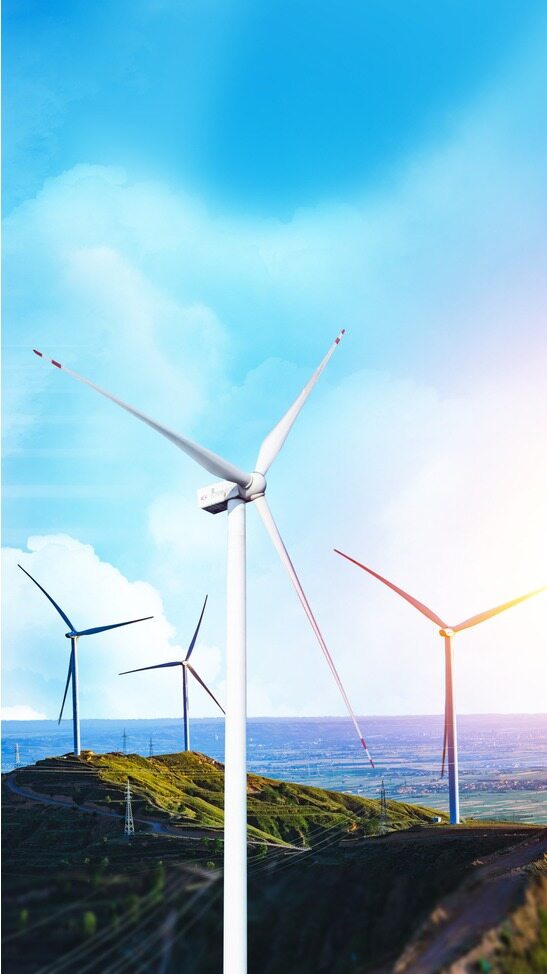
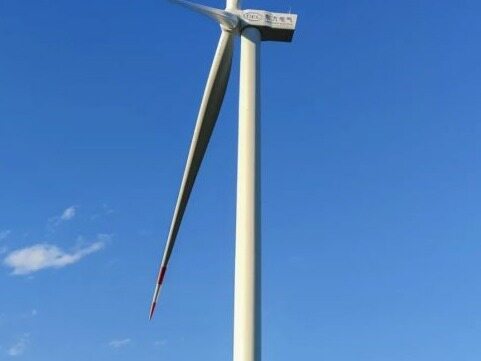
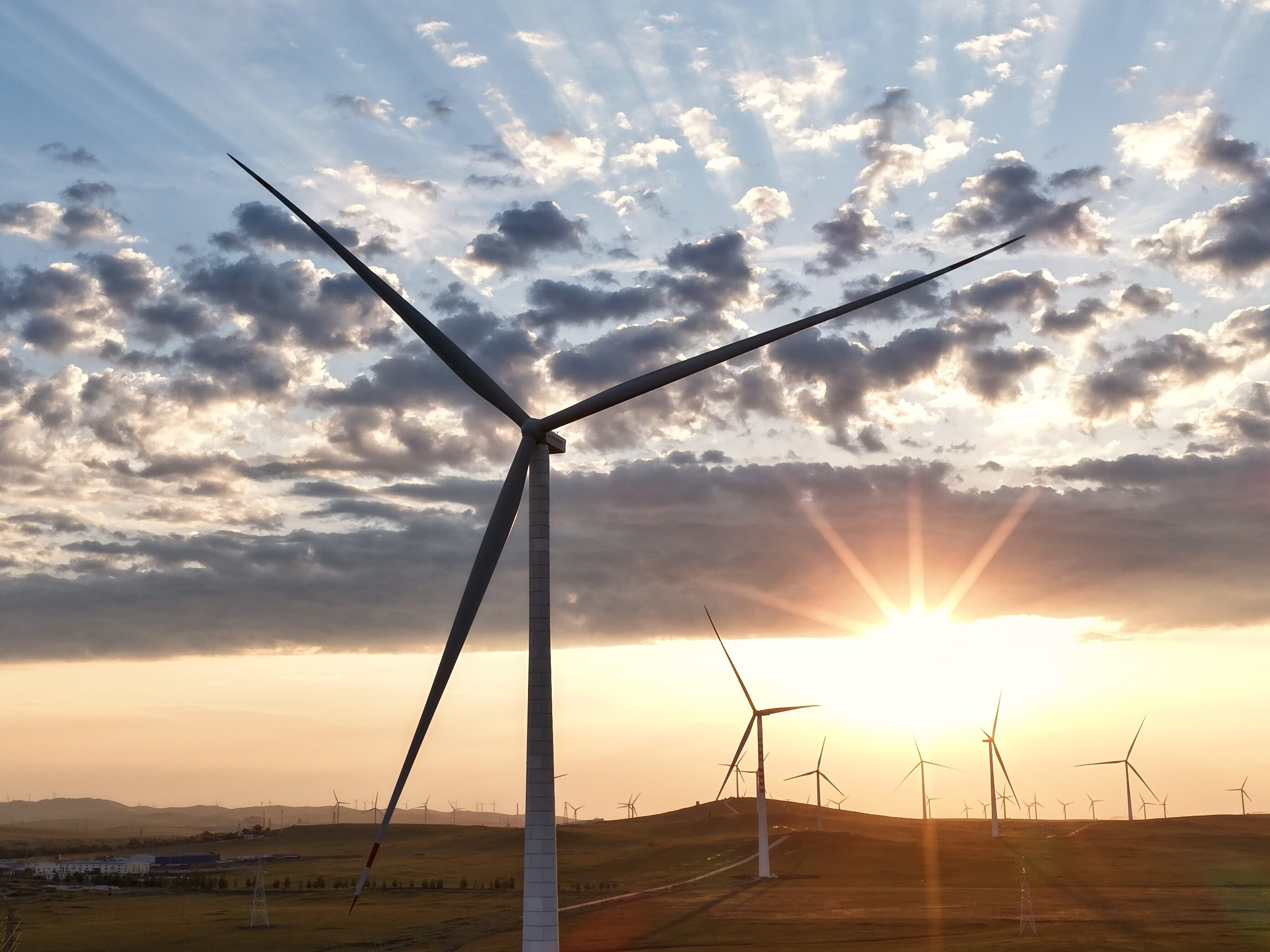
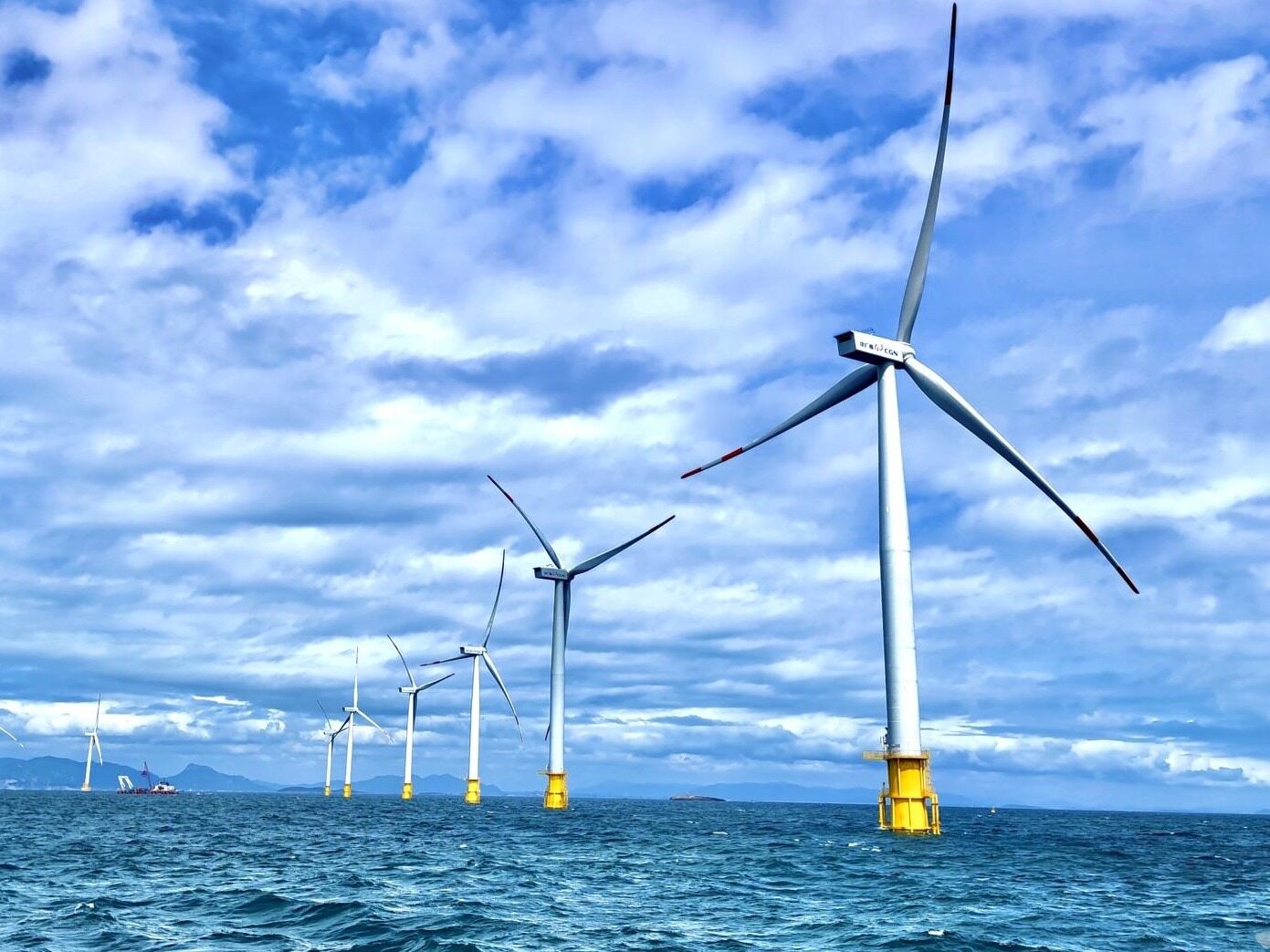
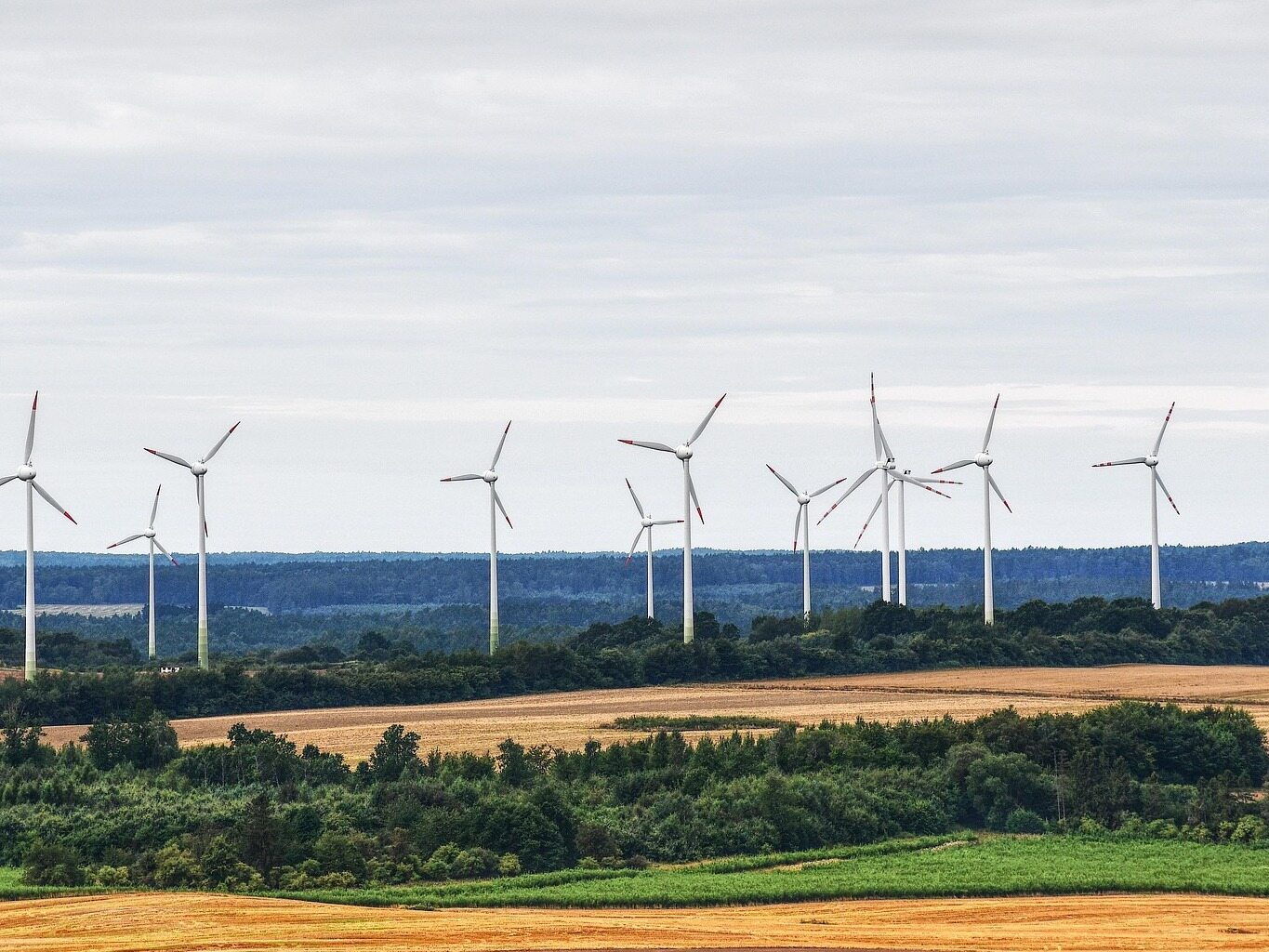
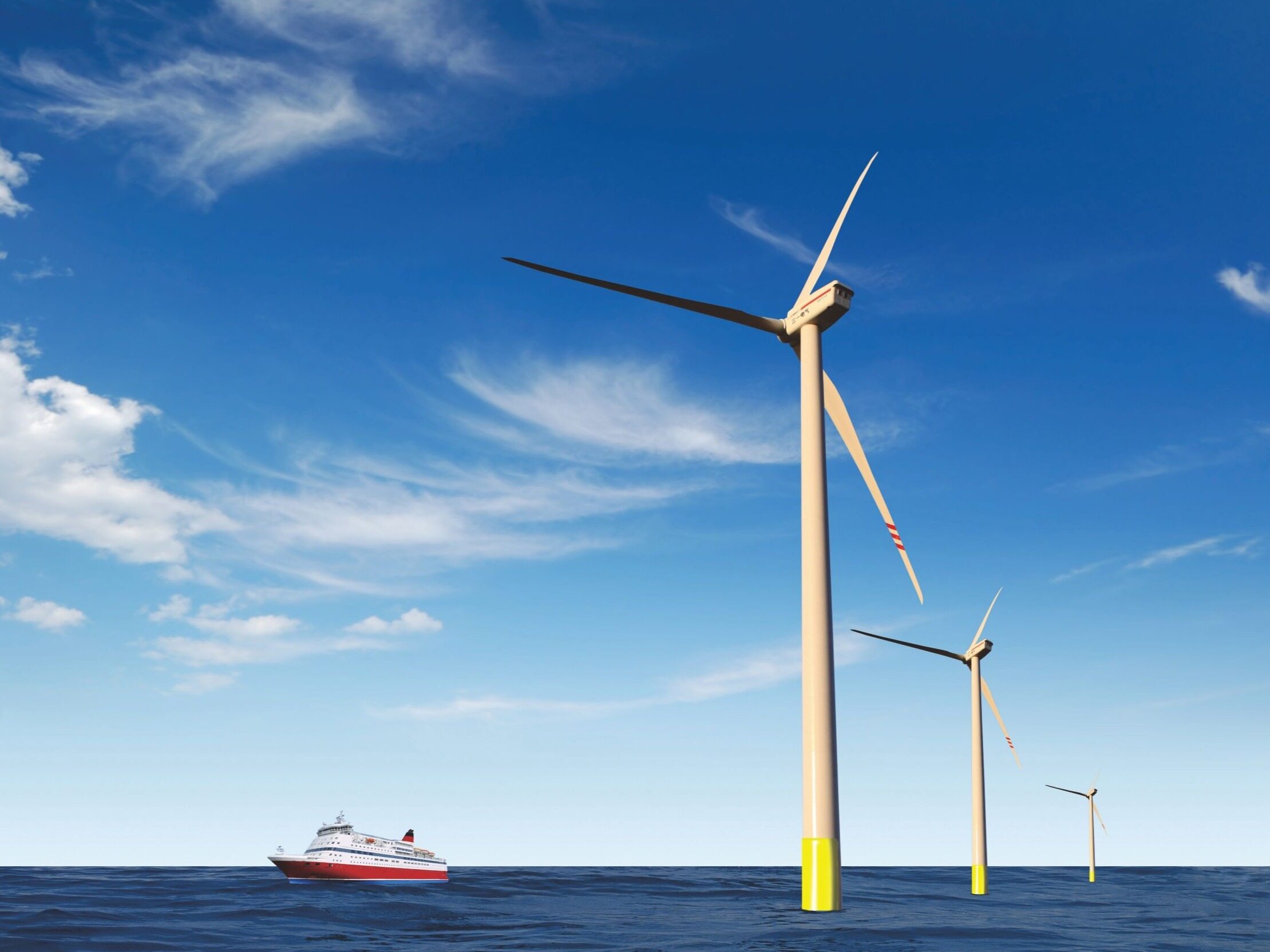
On the ridge of Tropoj ë in northern Albania, huge wind turbine blades are about to start turning. For this country that has long relied on hydropower, this is not only the first large-scale application of wind energy, but also a profound transformation related to energy sovereignty and economic development.
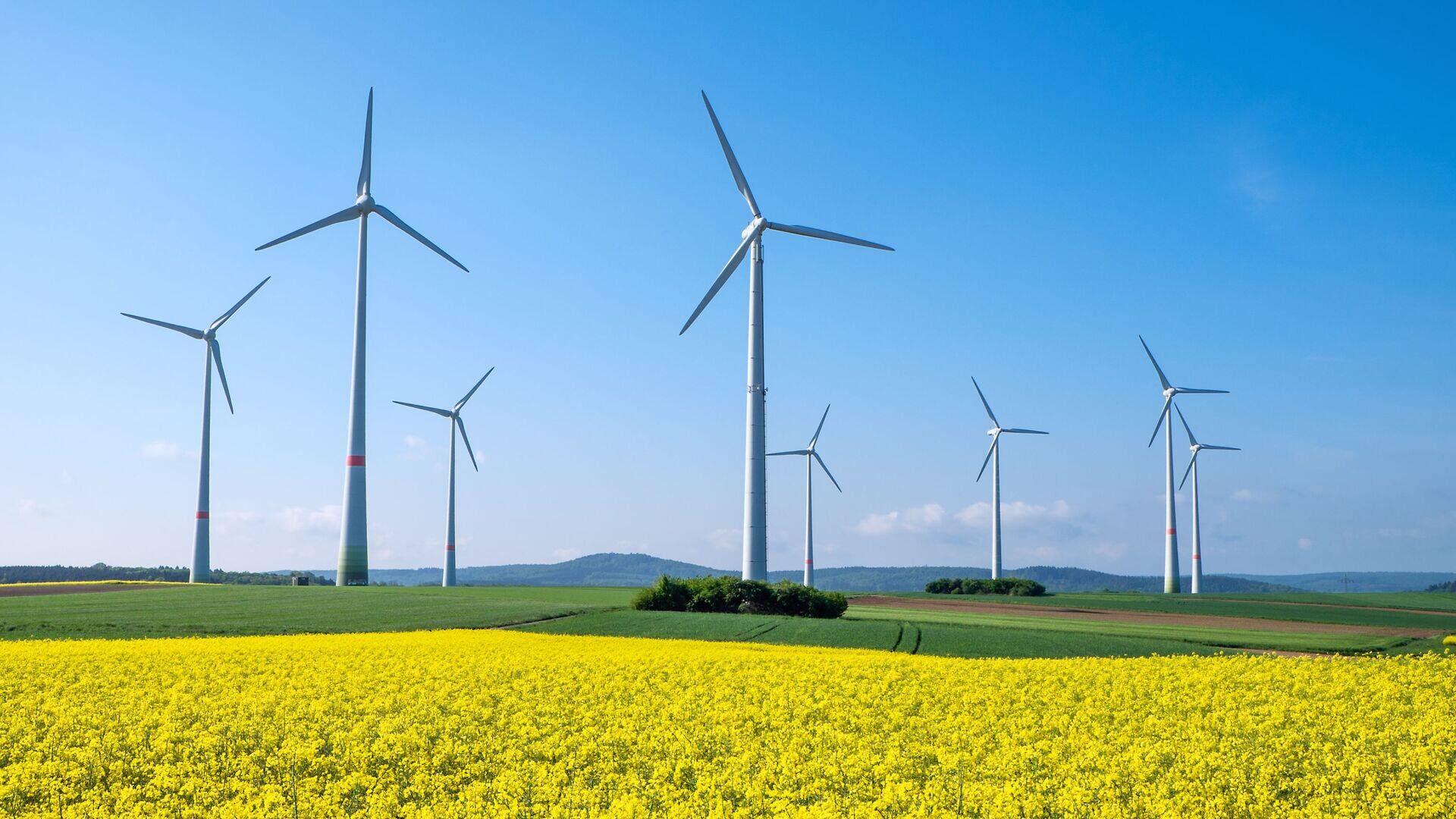
From single hydropower to complementary wind solar power
For a long time, Albania's power supply has been almost entirely "betting" on hydroelectric power generation. Data shows that as of the end of 2024, the country's total installed capacity is about 2.9 gigawatts, of which up to 86% comes from hydropower. This single energy structure makes it particularly vulnerable to climate change - high priced imported electricity is required in drought years, and resource waste and even flood risks are faced during flood periods.
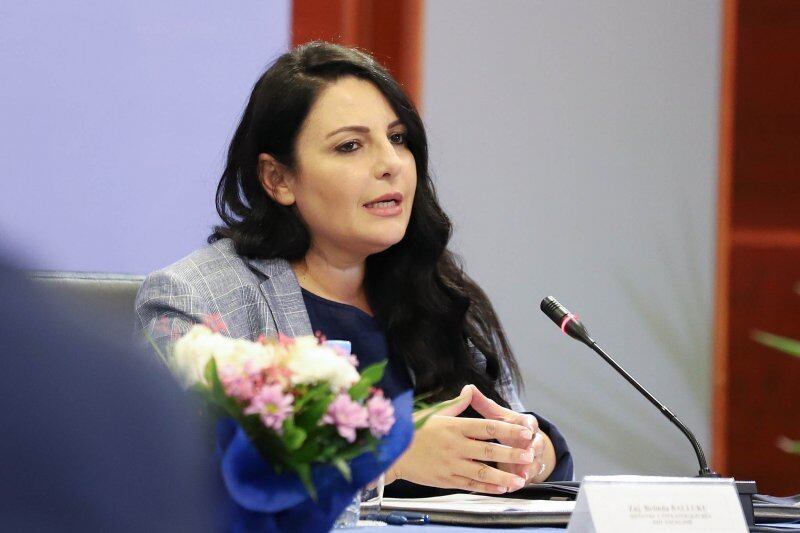
The landing of the Troboea wind power project has completely broken this deadlock. The project has an installed capacity of 600 megawatts and is developed by the American renewable energy company CWP. It is expected to be completed in 2027. This is another masterpiece of Albania in the field of renewable energy, following the successful operation of the 140 MW Karavasta Solar Park. Vice Prime Minister Belinda Baruku emphasized that the project is a symbol of Albania's transition to a sustainable economy, marking a new stage in the energy sector where private investment is becoming the engine of growth.
Infrastructure construction first
In order to support the large-scale integration and export of renewable energy, the Albanian government is accelerating infrastructure construction. At present, the country is planning to connect its domestic power grid to Italy through submarine cables and to neighboring North Macedonia, completing the construction of Regional Corridor VIII.
These upgrades aim to position Albania as a reliable exporter of green energy to the Balkan and European markets. By building a regional energy corridor, Albania can not only convert its abundant wind energy resources into economic benefits, but also play a more important role in the EU energy market. At present, the country's energy products have obtained a zero carbon tax rating from the European Commission, which adds important weight to its export competitiveness.
From energy self-sufficiency to export hub
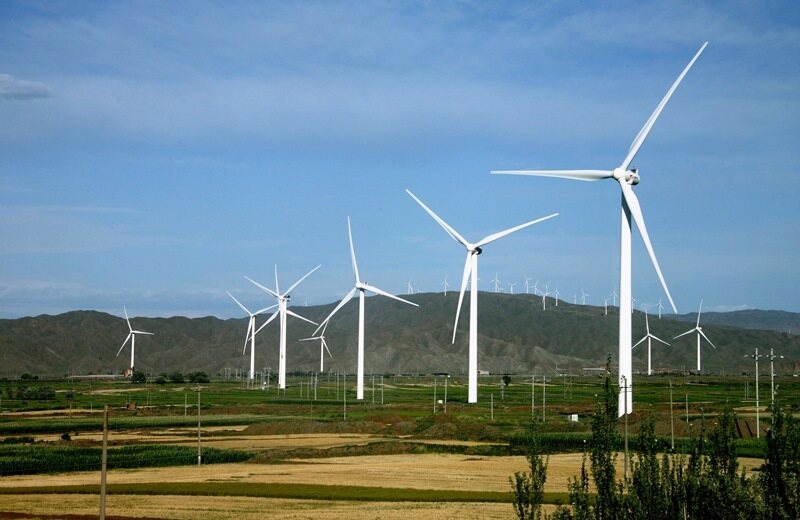
Albania's energy transition is not just about meeting domestic demand. The country plans to increase its total renewable energy capacity to over 1500 megawatts in the coming years, a goal that far exceeds the scale of the Troboea project and demonstrates its ambition to build a regional energy center.
Deputy Prime Minister Belinda Baruku stated that the Tropoya wind farm is not just an energy investment, but also demonstrates that Albania's energy sector is entering a new phase where private and foreign direct investment become engines of growth through serious partnerships. With the advancement of power grid interconnection and the landing of more clean energy projects, Albania is expected to transform from an energy importing country to an important green power supply country in Europe.Editor/Yang Meiling
Comment

 Praise
 Collect
 Comment

 Share
Share


Write something~