 Search


- The investor and the Kazakh State Investment Corporation have officially signed a memorandum of cooperation
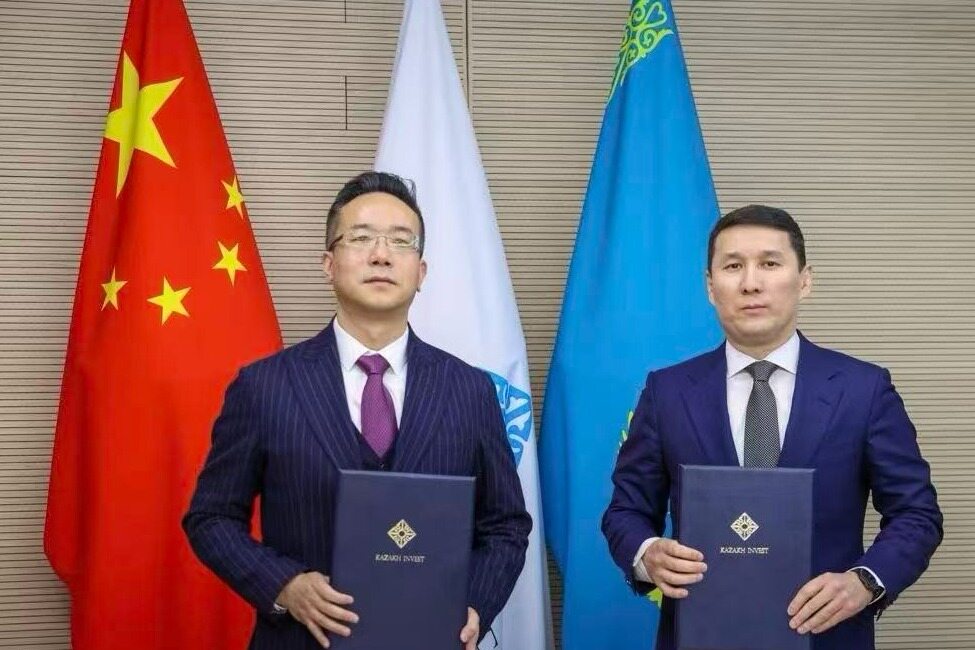
According to the disclosure by Sultan Gali Kinzakulov, Chairman of Kazakhstan Invest, a consortium led by Geo Jade Petroleum, the controlling shareholder of Intercontinental Oil and Gas Corporation in Hong Kong, plans to invest heavily in the Sozak gas field in southern Kazakhstan to extract natural gas resources with reserves of up to 1 trillion cubic meters. This will not only be the largest unconventional natural gas comprehensive development project in Kazakhstan's history, but also marks a new depth of cooperation between China and Central Asian countries in the energy field.
The project is located in the Kyzylorda Oblast of southern Kazakhstan, in the Chu Saresu Basin, which is rich in oil and gas resources. According to the disclosed information, the total planned investment for the project is expected to reach 7.8 billion US dollars, and the development cycle will continue until 2045. Throughout the entire project lifecycle, it is expected to generate approximately $5 billion in tax and other fiscal revenue for Kazakhstan, as well as create a large number of local employment opportunities.
The key step of the project was completed on February 3, 2026, and the investor and the Kazakh State Investment Corporation officially signed a memorandum of cooperation, marking the substantial start of this mega project from the planning stage. What is particularly noteworthy is that this cooperation is not a bilateral model, but a tripartite international consortium jointly participated by enterprises from China, Kazakhstan, and resource rich Qatar, demonstrating a diversified international cooperation pattern.
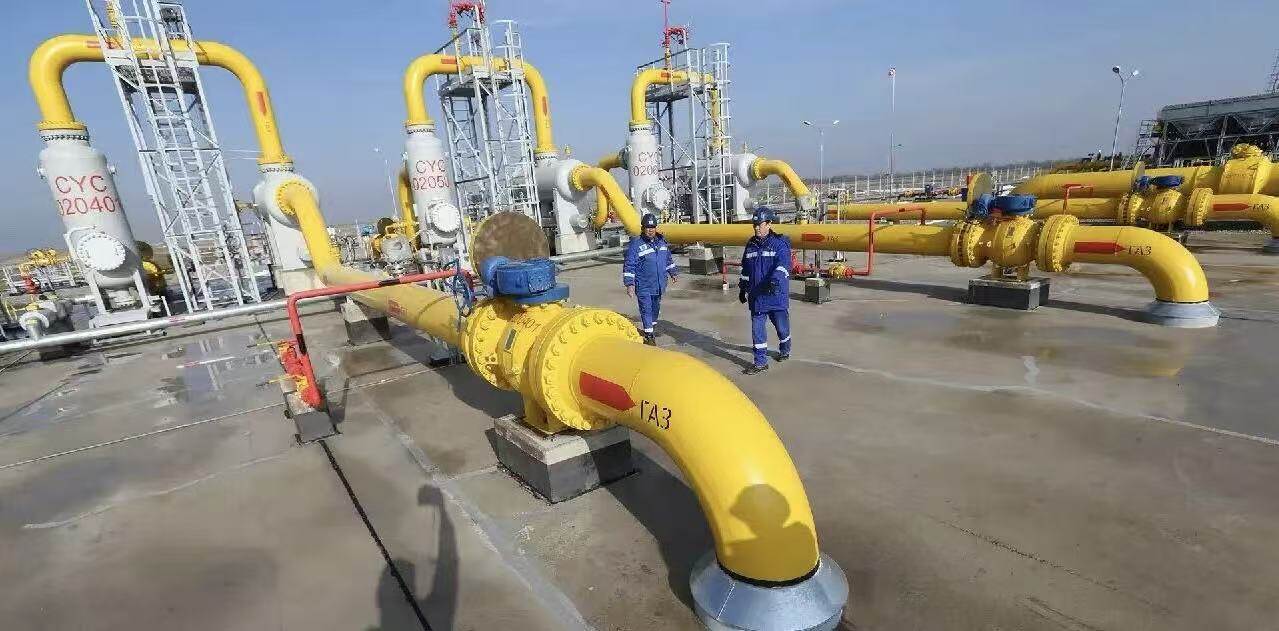
The reason why the Suk project has attracted much attention is due to the multiple strategic values it carries.
Firstly, it is a practical field for cutting-edge technology. Suke gas field belongs to unconventional natural gas (mainly tight gas) with great difficulty in extraction. Kazakhstan is candid that it lacks the technology and experience to develop such resources, while China and the United States are leading the world in this field.
Therefore, this project has become a systematic application and demonstration of China's advanced unconventional natural gas extraction technology in Central Asia, and its success or failure has a demonstrative effect on the regional energy development model. Secondly, it reflects a deep commitment to localization and integration. According to the agreement, after the project is put into operation, more than 90% of the employees will be local citizens of Kazakhstan, and the investor will provide them with systematic technical training.
At the same time, priority will be given to purchasing local goods and services during the construction and operation of the project, ensuring that energy benefits benefit local social and economic development to the greatest extent possible.
Furthermore, it focuses on ensuring the energy security of Kazakhstan. The preliminary agreement clearly states that the extracted natural gas will be prioritized for supply to the domestic market of Kazakhstan. This is expected to completely solve the gas shortage of about 2.5 million residents in the southern region of Kazakhstan, optimize its energy supply structure, and reduce its dependence on external imports.
With the signing of the memorandum of cooperation, the Suk gas field project has entered the fast lane. However, for such a massive and technically complex project, it still faces challenges in the future such as price fluctuations in the international natural gas market, long-term stability of unconventional mining operations, and cross-border team collaboration management.Editor/Bian Wenjun
Comment




 Praise
 Collect
 Comment

 Share
Share


Write something~