 Search


- Romania aims to achieve self-sufficiency in electricity and become a net exporter by 2026
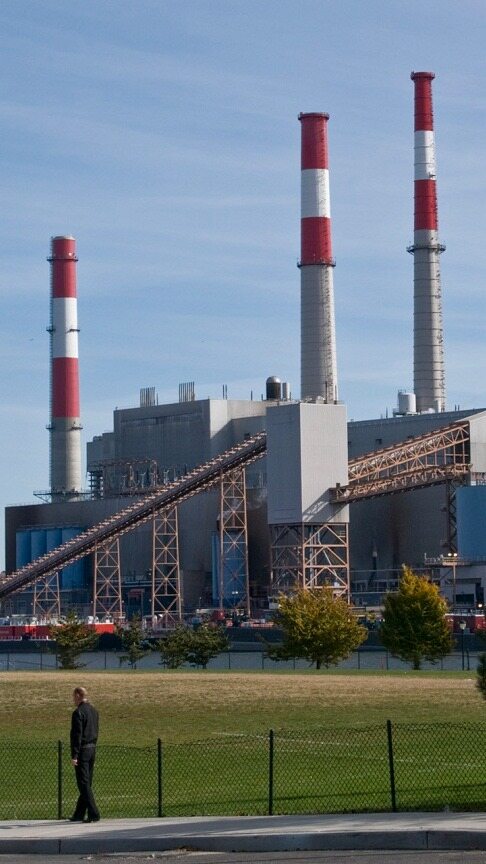
Romanian Energy Minister Bogdan Ivan recently unveiled a grand blueprint for national energy development, with clear and firm core goals: to achieve self-sufficiency in electricity by 2026 and transform into a net exporter of electricity. To achieve this goal, Romania is taking multiple measures and making every effort to push forward.
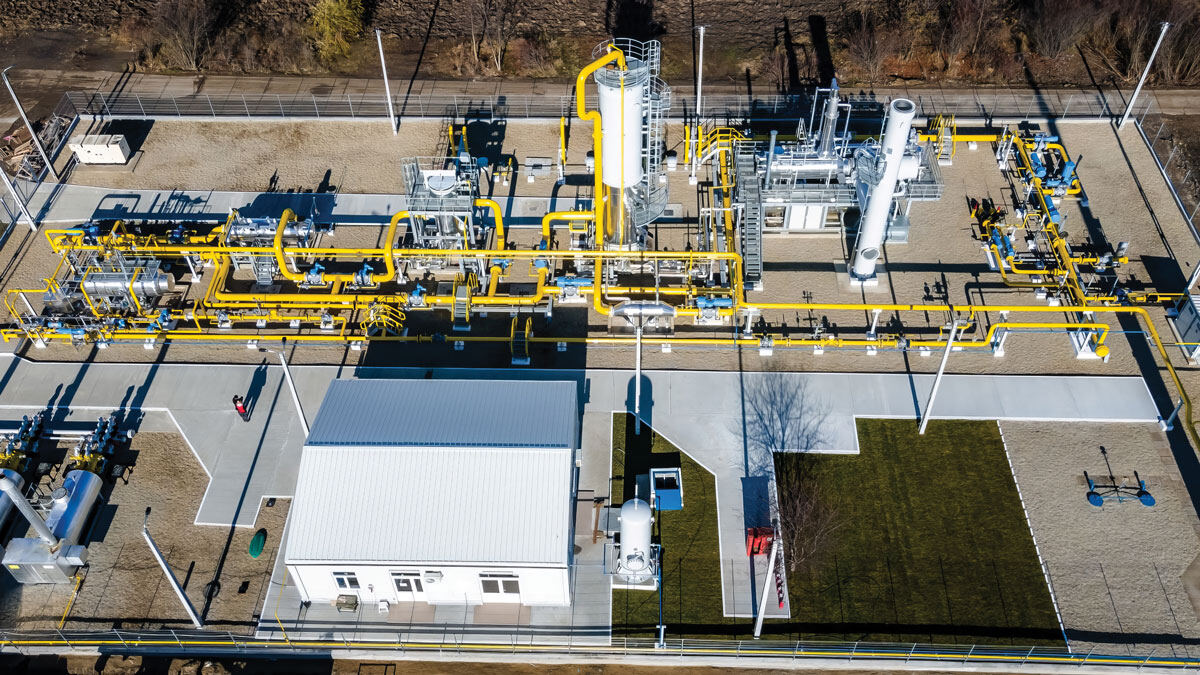
In terms of core production capacity construction, gas-fired power generation has become the dominant force. In 2026, Romania plans to put into operation approximately 2280MW of gas-fired power generation capacity. Among them, the Mintia gas power station is of paramount importance, with an installed capacity of 1700 MW and attracting up to 1.2 billion euros in private investment, making it one of the most important private investment projects in Romania since the 1990s. The Iernut project is also not willing to fall behind, with an installed capacity of 430MW cleared of obstacles and entering the construction phase. Romgaz has promised to complete it before the next heating season. In addition, the construction of Arad and Constan ţ a thermal power plants is also steadily advancing.
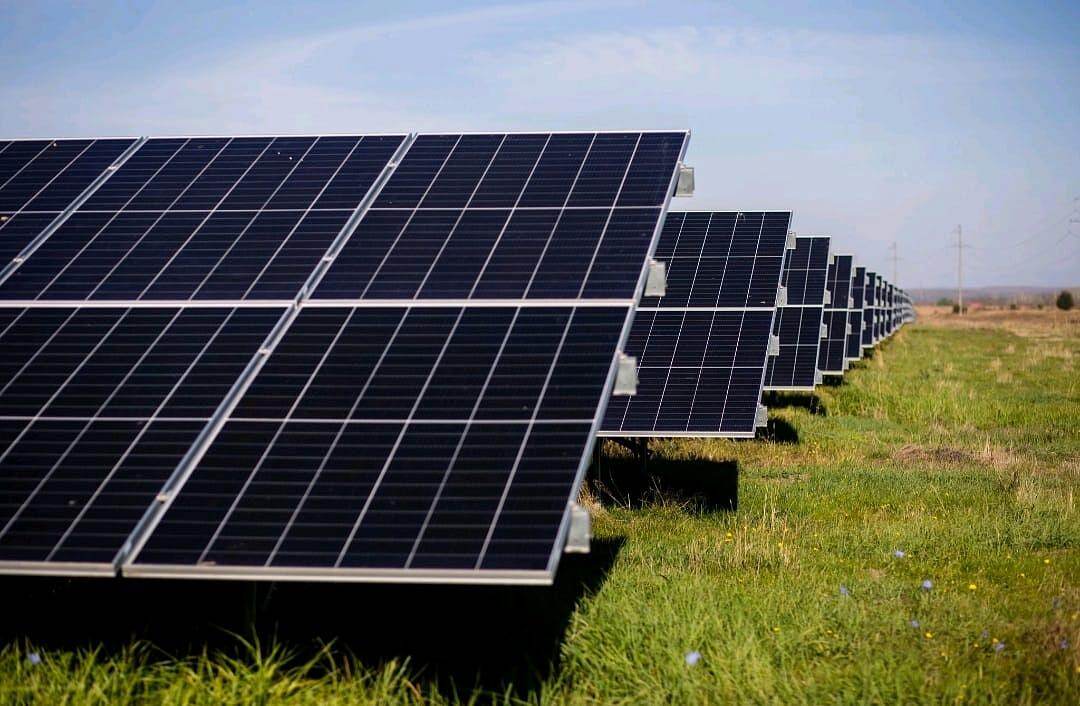
To build a diversified energy system, Romania is also actively expanding into other energy sectors. In the field of photovoltaics, it is planned to add 540MW of installed capacity by the end of 2026; In the field of wind power, the construction of 310MW projects is accelerating. The energy storage sector has also achieved fruitful results, with projects funded by the Ministry of Energy adding 750MW of energy storage capacity, and private projects also following suit to supplement. Keywords: Romania, Net Electricity Exports
Supporting policies safeguard energy development. In terms of energy storage incentives, not only have community energy storage guidelines been provided to 1400 townships, but private enterprise energy storage subsidy financing channels have also been launched to stimulate market vitality. The approval process has also been greatly simplified, optimizing the approval regulations in the fields of electricity, natural gas, and energy storage. It is expected to be updated within two weeks, significantly shortening the approval time limit.
In terms of market regulation, the effectiveness has already been demonstrated. In the past six months, under the strong influence of market regulation measures, the average electricity price has decreased by 10-15%. The overall price range has shifted downwards, with some electricity prices even as low as 1.10 lei/kWh, approaching the psychological threshold of 1 lei. Eight suppliers have already quoted prices below the previous regulatory limit of 1.30 lei/kWh. Minister Bogdan Ivan stated that the downward trend in electricity prices indicates that the market has stabilized, and all investments will ultimately aim to lower energy prices. Romania is steadily moving towards the goal of becoming an energy powerhouse.Editor/Cheng Liting
Comment





 Praise
 Collect
 Comment

 Share
Share


Write something~