 Search


- A batch of landmark projects are accelerating the construction of the national water network framework
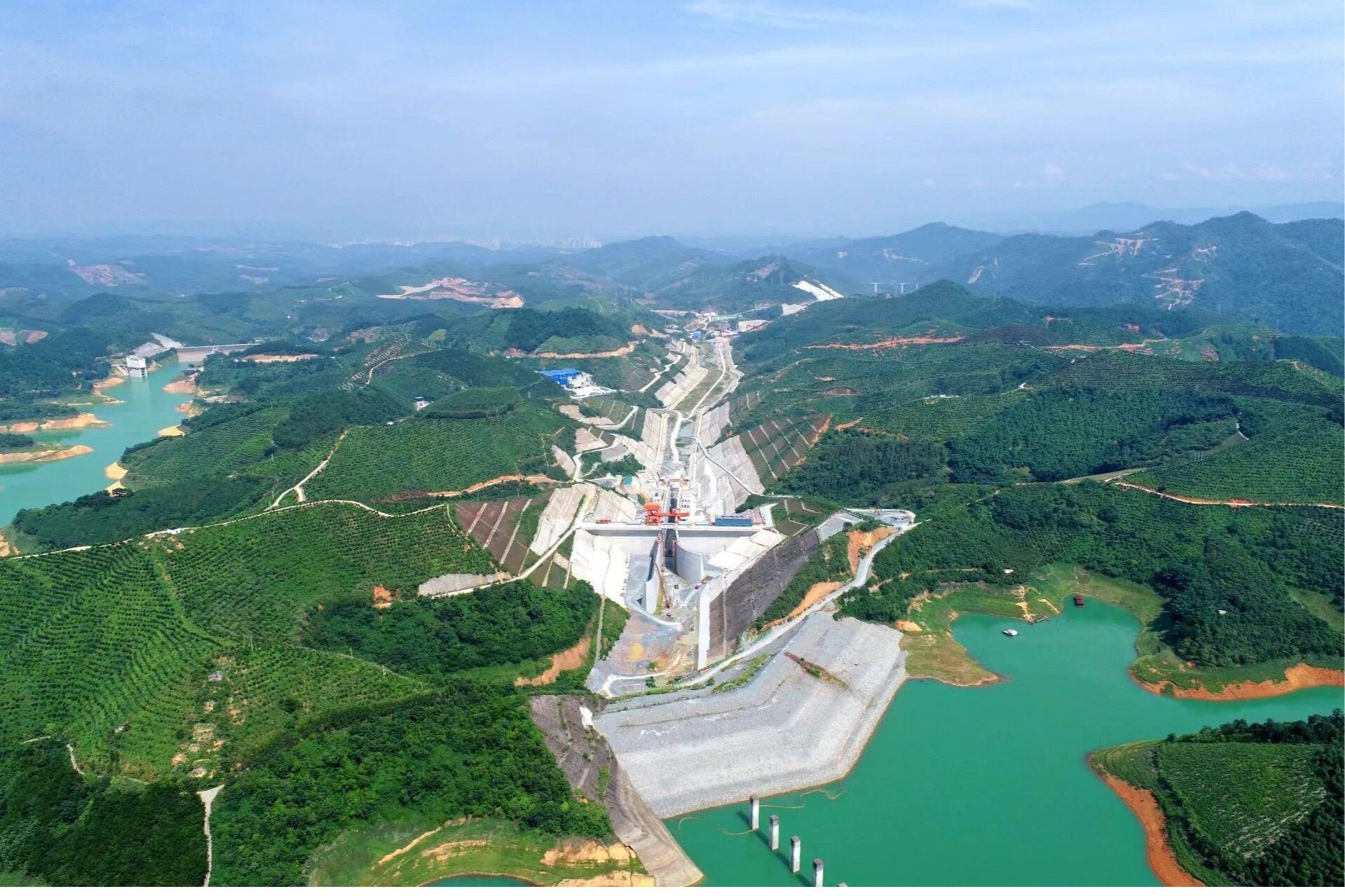
Water conservancy infrastructure is the lifeline that ensures national food security and supports sustainable regional economic and social development. Recently, with the in-depth implementation of 150 and 172 major water conservancy projects in the country, key water conservancy projects in Anhui, Shaanxi, and Shanxi have made breakthrough progress one after another.
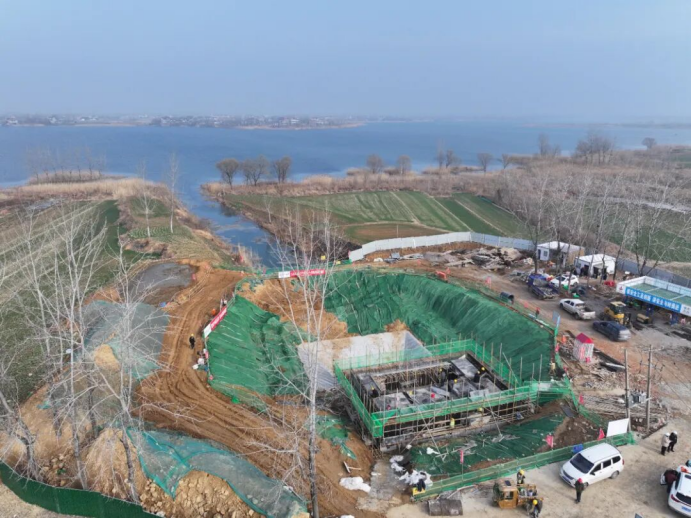
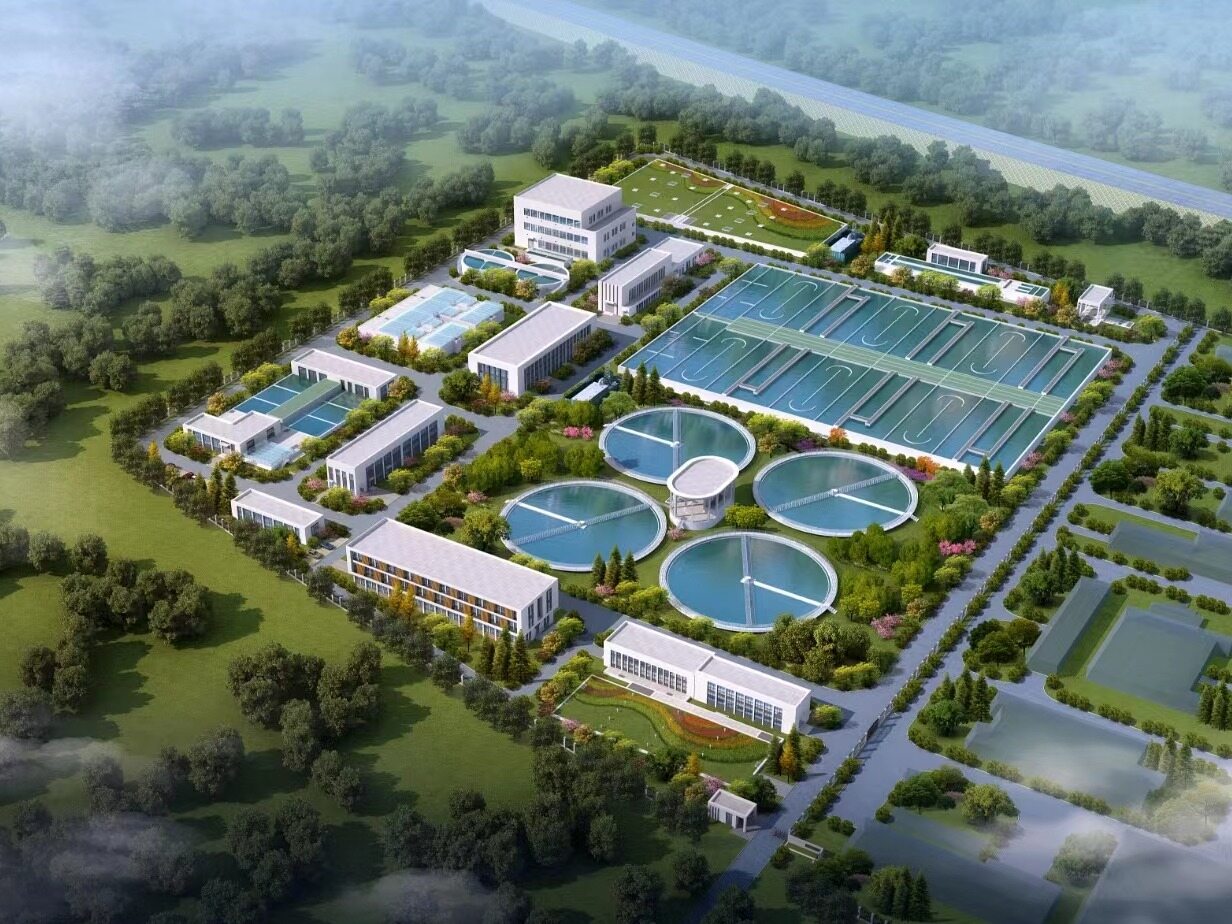
Anhui Huaihong Xinhe Irrigation District
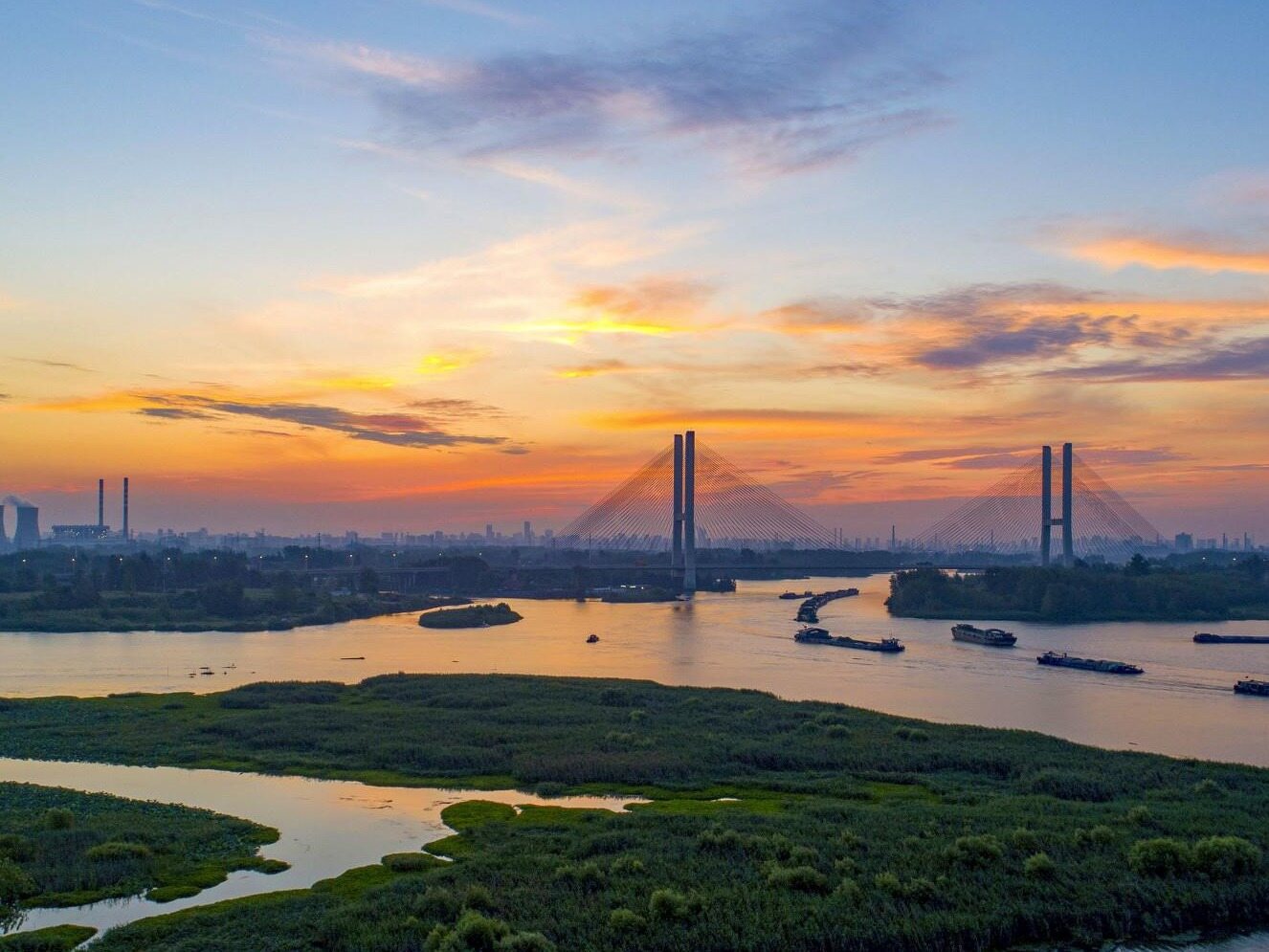
As one of the 150 major water conservancy projects in the country, the backbone project of Anhui Huaihong Xinhe Irrigation District has recently been fully completed, marking the official transition of the project into the field engineering construction stage. The total investment of this project is 10.026 billion yuan, with a designed irrigation area of 3.43 million acres. It is a key large-scale irrigation area identified in the National Modern Irrigation Development Plan. The comprehensive implementation of the project will greatly improve the irrigation conditions of 1.71 million mu of arable land and increase the irrigation area by 1.72 million mu. This livelihood project of "ensuring harvest during droughts and floods" not only has strategic significance for safeguarding national food security, but also fully leverages the multiplier effect of water conservancy investment, providing solid support for agricultural modernization in northern Anhui.
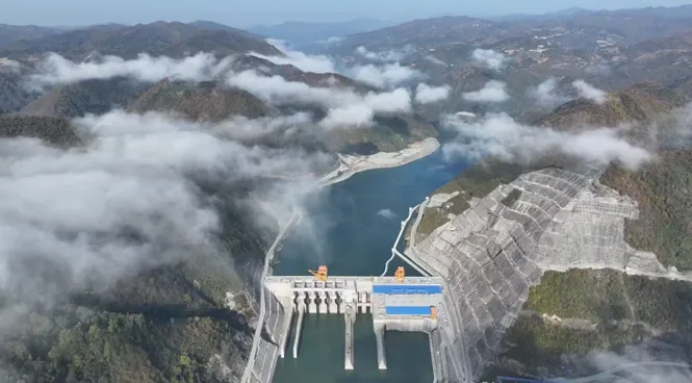
Shaanxi River Diversion from Han to Wei River
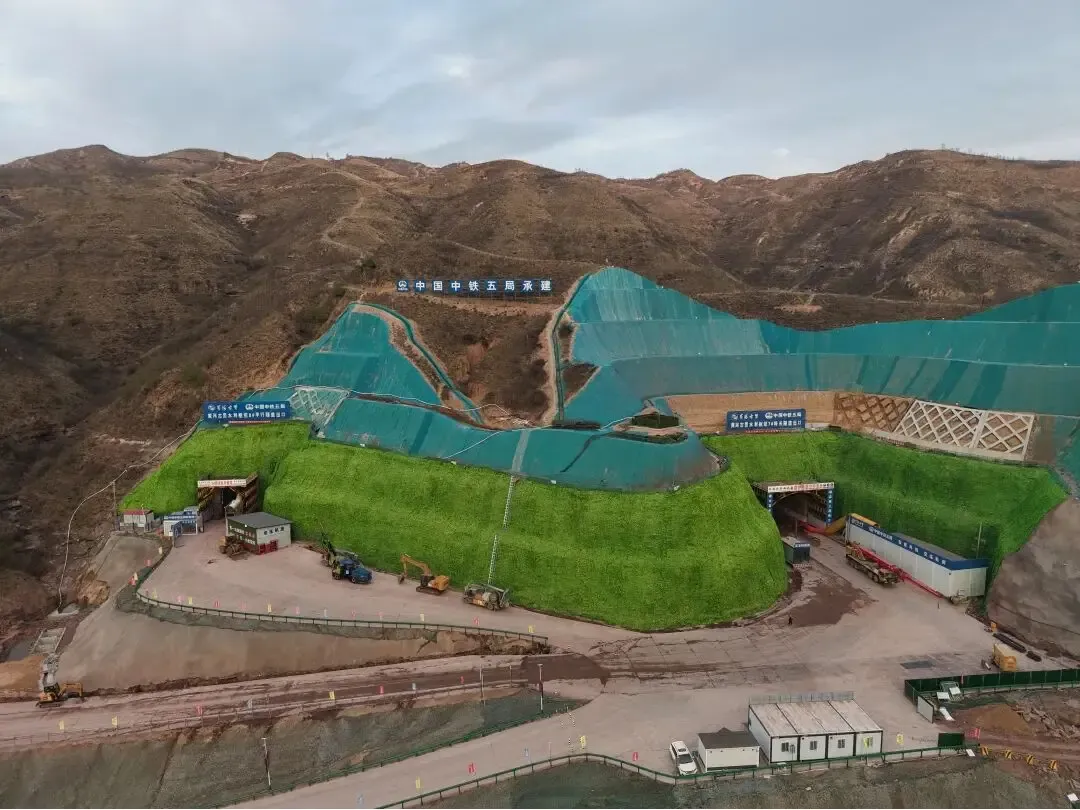
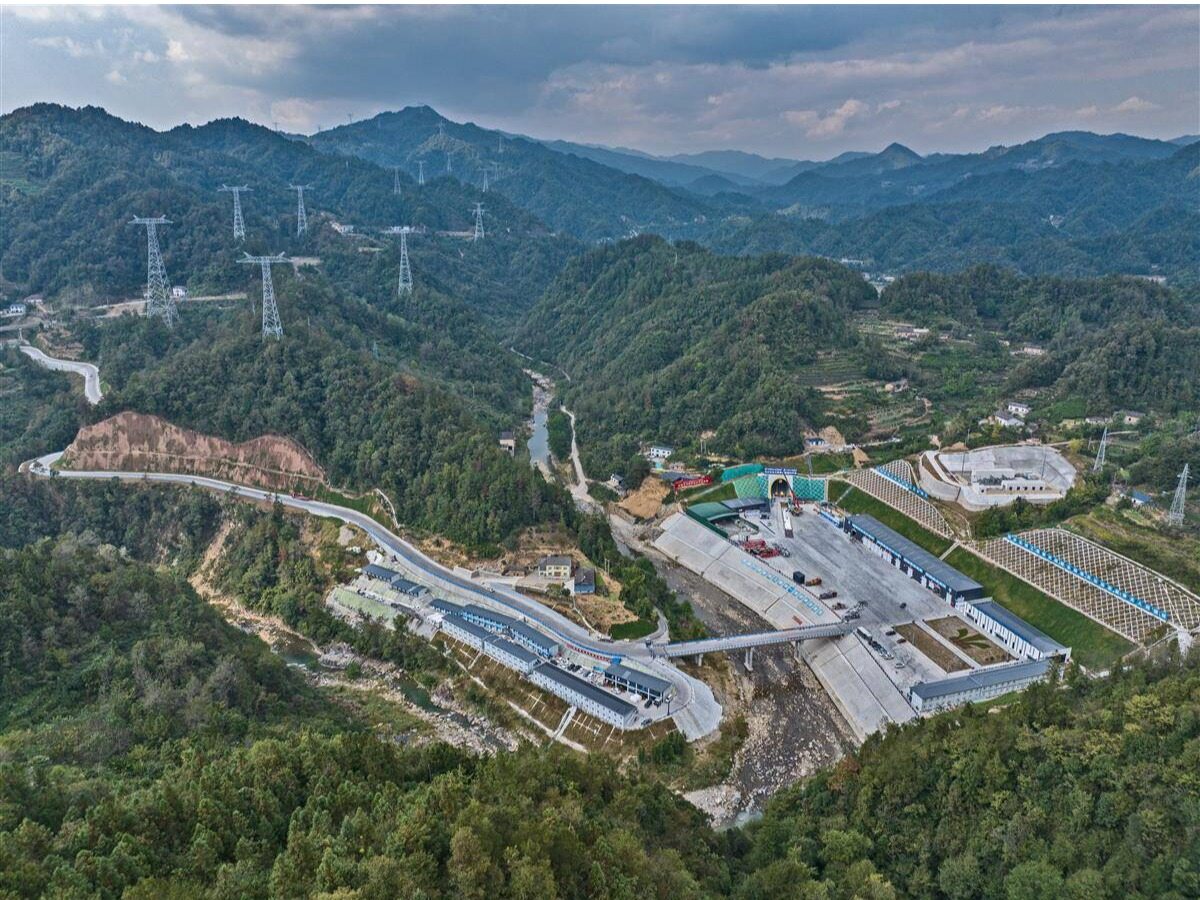
The Han River to Wei River Diversion Project, which spans the Yangtze River and Yellow River basins, has recently reached a critical milestone. Its important component, the first pump motor unit of the Huangjinxia Water Conservancy Hub Pump Station Project, has been successfully started, and the water level in the outlet tank has reached the design elevation, marking the successful commissioning and water supply. As one of the 172 major water conservancy projects for water-saving and water supply in China, the Han River to Wei River Diversion Project aims to solve the problem of uneven spatial and temporal distribution of water resources in Shaanxi. The Huangjinxia Pump Station is responsible for lifting water from the main stream of the Han River and transporting it to the Qinling Tunnel. The successful trial operation has accumulated valuable experience for subsequent unit commissioning. After the comprehensive completion of the project, it will benefit 21 water receiving areas including Xi'an, Xianyang, Weinan, and Yangling, covering an area of 14000 square kilometers, solving the living and industrial water needs of 14.11 million people, and becoming the "lifeline" supporting the development of the Guanzhong Plain urban agglomeration.
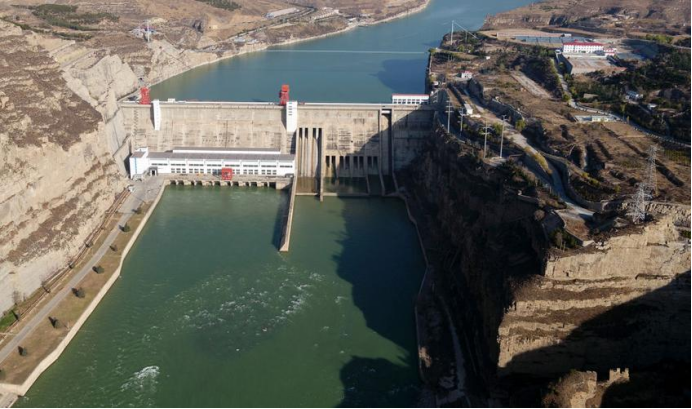
Wanjiazhai Yellow River Diversion Project
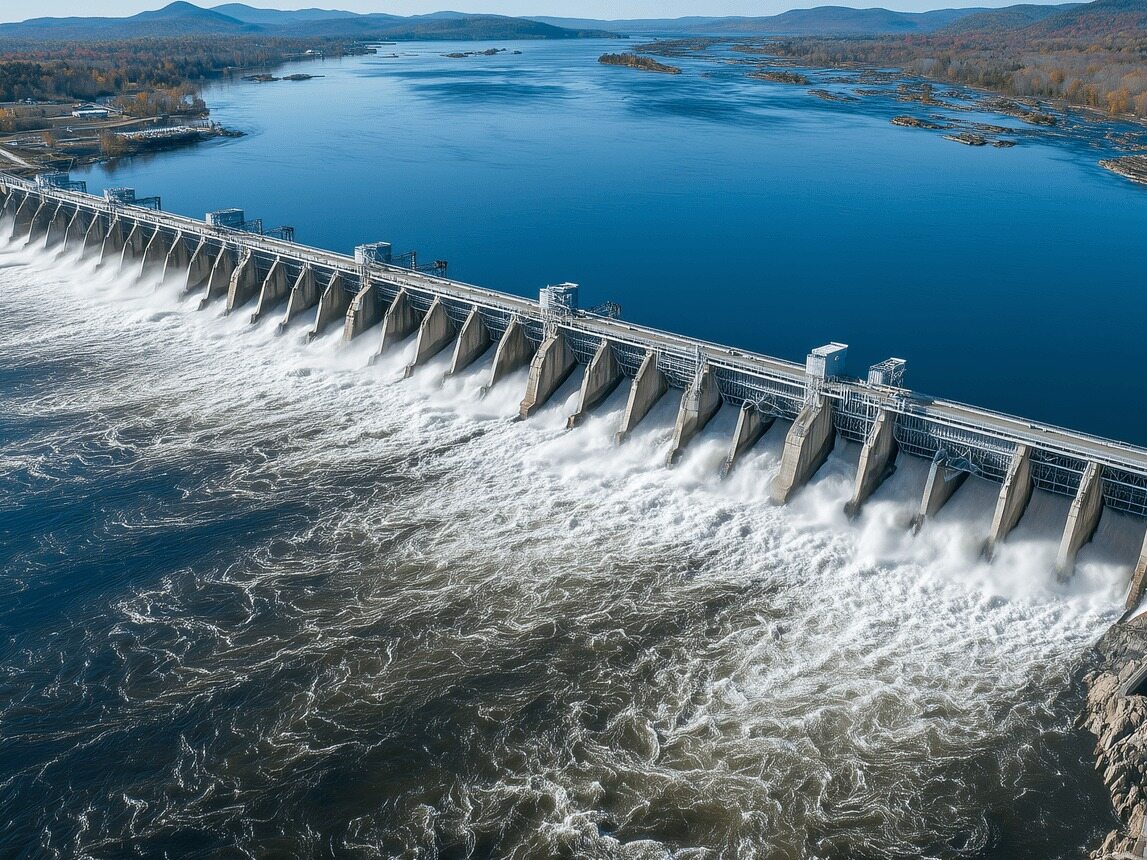
In the northern main stream of the Yellow River, the Wanjiazhai Yellow River Diversion Project has recently completed automated start-up operations for the entire line, and the first phase of water supply work will officially begin in 2026. As a backbone water transmission project of the national water network and a large-scale cross basin water transfer project in Shanxi, this project draws water from the Wanjiazhai Water Conservancy Hub, connecting the Yellow River and Haihe River basins, and mainly supplying water to the three major coal-fired energy bases in Taiyuan, Datong, and Shuozhou. The designed annual water intake is 1.2 billion cubic meters. The successful completion of this automated start-up marks a breakthrough in the field of remote centralized control and intelligent scheduling for the project. This technological upgrade not only significantly improves water delivery efficiency, but also provides technical support for the precise implementation of regional production and domestic water supply and ecological water replenishment tasks, helping to promote the coordinated development of Shanxi Energy Base and ecological environment. Keywords: irrigation area, water conservancy, Han to Wei River diversion project
From the fertile fields of the Huaibei Plain to the depths of the Qinling Mountains in the Three Qin Mountains, and then to the banks of the Yellow River on the Loess Plateau, this series of major water conservancy projects have achieved milestone victories, jointly outlining the grand blueprint for China's water network construction. They are not only the "hard support" for optimizing water resource allocation and ensuring water supply safety, but also the "soft power" for promoting regional coordinated development and achieving harmonious coexistence between humans and nature. With the comprehensive operation of the project, it will undoubtedly provide a continuous supply of water security guarantees for the high-quality development of the economy and society along the route.Editor/Cheng Liting
Comment

 Praise
 Collect
 Comment

 Share
Share


Write something~