 Search


- Egypt plans to increase the proportion of renewable energy in its electricity mix to 42% by 2030
- Upon completion, the project is expected to become the largest single-asset solar and energy storage facility in Africa
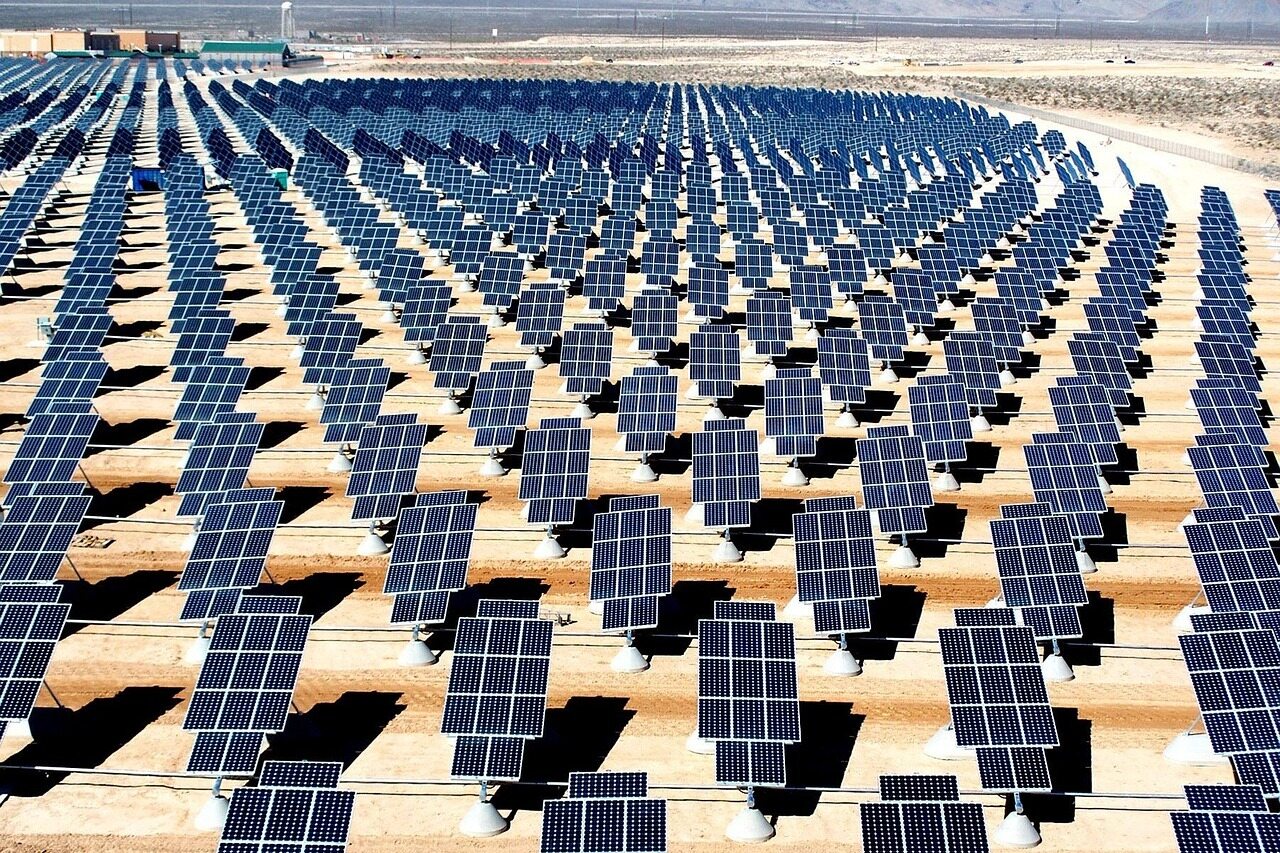
EETC recently issued a tender notice, seeking expressions of interest for the 500 MW solar photovoltaic independent power generation project in the western region of the Nile River in Egypt. The deadline for project bids is May 11th.
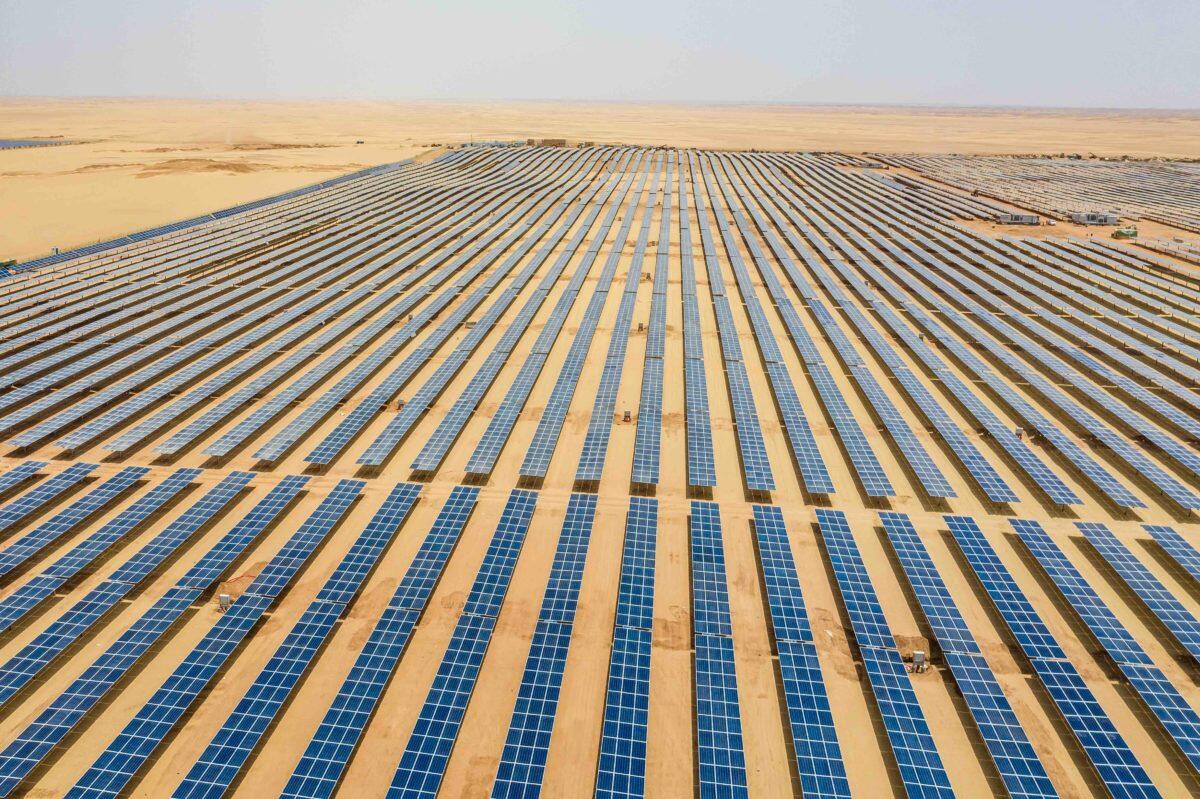
The project, supported by the European Bank for Reconstruction and Development, will be developed using a build-own-operate model. The developer will be responsible for the design, financing, construction, ownership, and operation of the power station, while EETC will act as the power purchaser for the generated electricity.
Synergy Consulting, a US/Indian company, served as the lead, financial, and commercial advisor for this transaction.
This project is part of Egypt's strategy to strengthen its long-term electricity supply and increase its renewable energy generation capacity. Egypt plans to raise the proportion of renewable energy in its electricity mix to 42% by 2030. The country aims to increase this proportion to 65% by 2040.
Previously, EETC had planned to build a 200-megawatt solar power plant in the western Nile region, but the bidding for the project was canceled in 2020.
Last year marked the strongest performance for Egypt's power sector in a decade, with contracts awarded totaling $4.2 billion. Despite a decline from the previous year, solar energy projects still accounted for approximately $1 billion of the total contract value.
As early as November 2025, a consortium consisting of local companies Hassan Allam Utilities and Infinity Power won the development contracts for two solar photovoltaic power generation projects with a total installed capacity of 1,200 megawatts and equipped with a 720 megawatt-hour battery energy storage system.
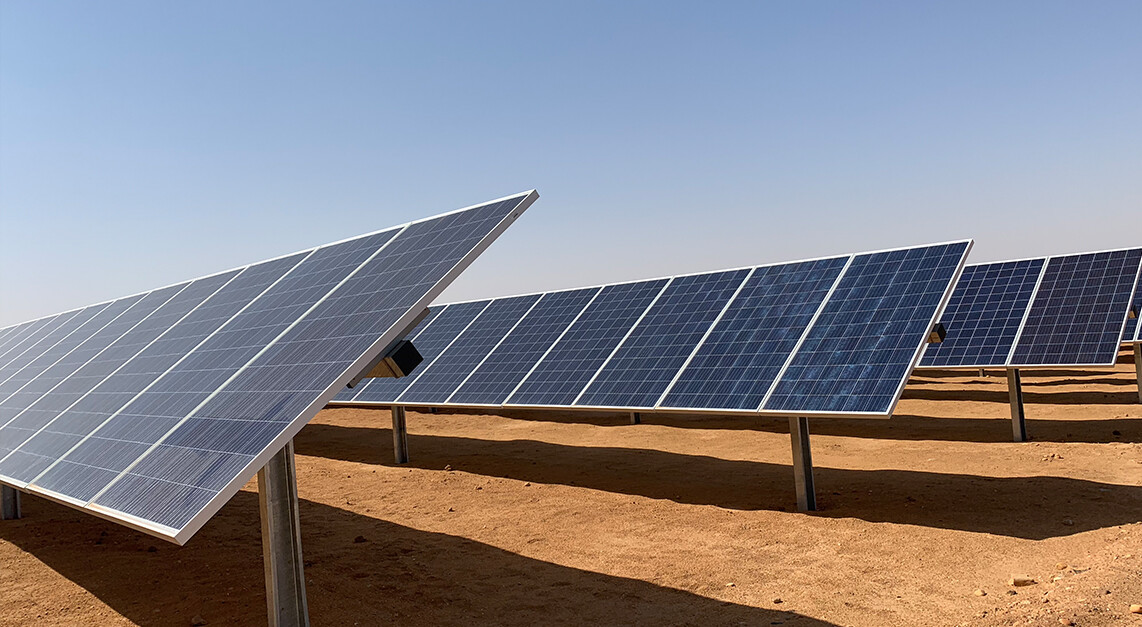
Amea Power from the United Arab Emirates and Kyuden International Corporation from Japan have also recently completed the financing of a $700 million project, which includes a 1,000 MW solar power plant and a 600 MWh battery system in Aswan. Key words: Middle East, photovoltaic, new energy
The plan is supported by a $570 million debt financing led by the International Finance Corporation. Once operational later in 2026, it is expected to become the largest single-asset solar and energy storage facility in Africa.Editor/Cheng Liting
Comment




 Praise
 Collect
 Comment

 Share
Share


Write something~