 Search


- Under the deep blue waters of western Angola, a dormant energy treasure trove is being awakened
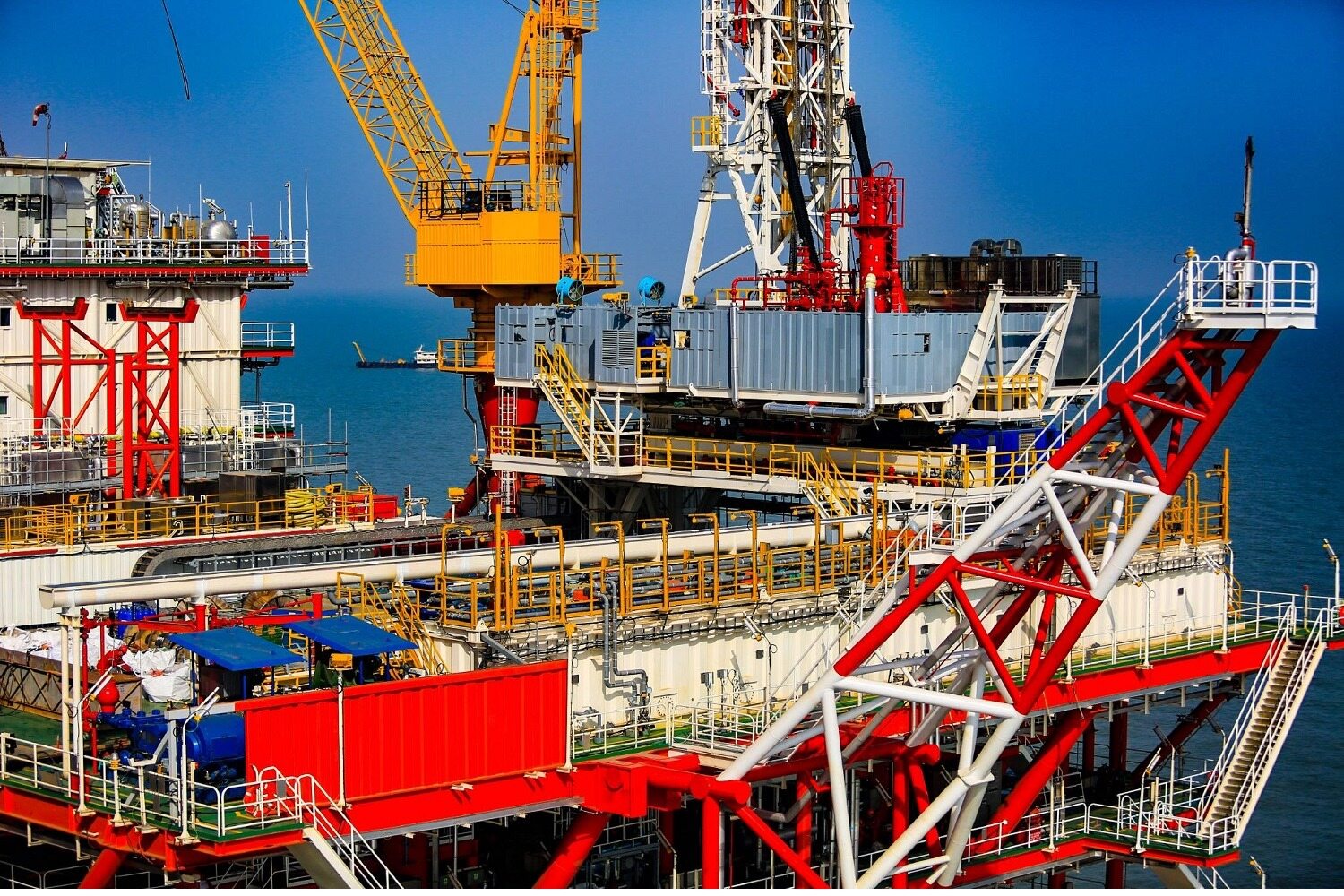
Eni Group of Italy and British oil giant BP have joined forces and officially launched full production of the Ndonggu oil field through their joint venture Azul Energy. This is not only a crucial step in Angola's national oil strategy, but also marks the deep involvement of Chinese companies in the field of deep-sea energy in Africa - Sinopec, with its core stake of 26.32%, has directly entered this super cake with a total lifecycle output value of over 10 billion US dollars.
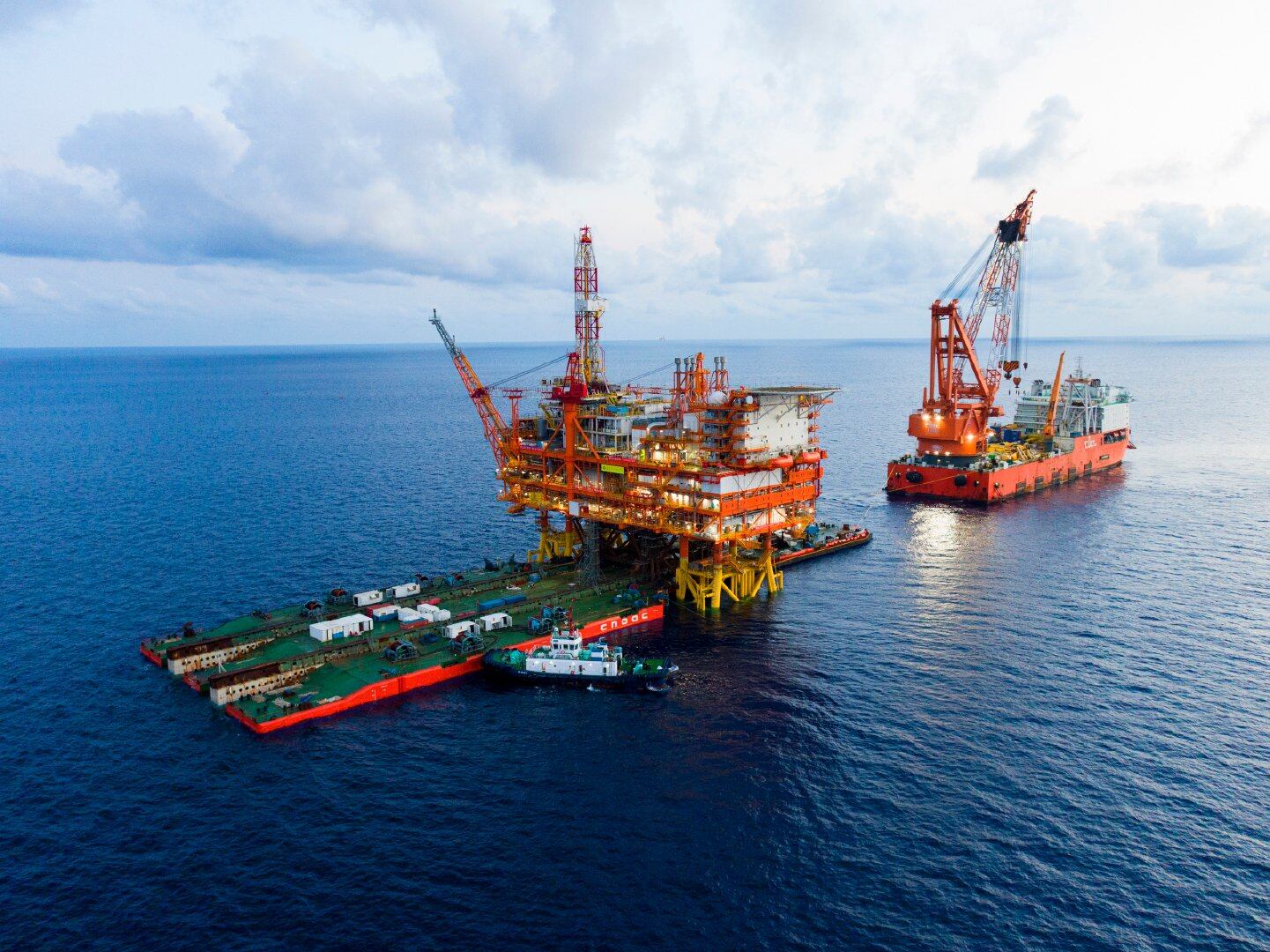
60000 barrels of crude oil per day rushing out
As the production button for the Ndonggu oilfield was pressed, 7 production wells and 4 injection wells began to operate at full speed, with black "industrial blood" surging out at a rate of 60000 barrels per day. Behind this number is the concentrated outbreak of oil and gas potential in Angola's 15/06 block. What is even more exciting is that this project is not a solitary effort, but rather a core component of the Agogo Integrated Western Hub project. By flexibly utilizing the two giant floating production storage and unloading oil tankers, the Engoma and the soon to be connected Agogo, the production capacity of the entire block will be fully activated. Eni Group expressed confidence in the statement that the joint efforts of Agogo and Ndonggu oil fields will cause peak production to soar to 175000 barrels per day, injecting strong momentum into Angola and even the global energy market.
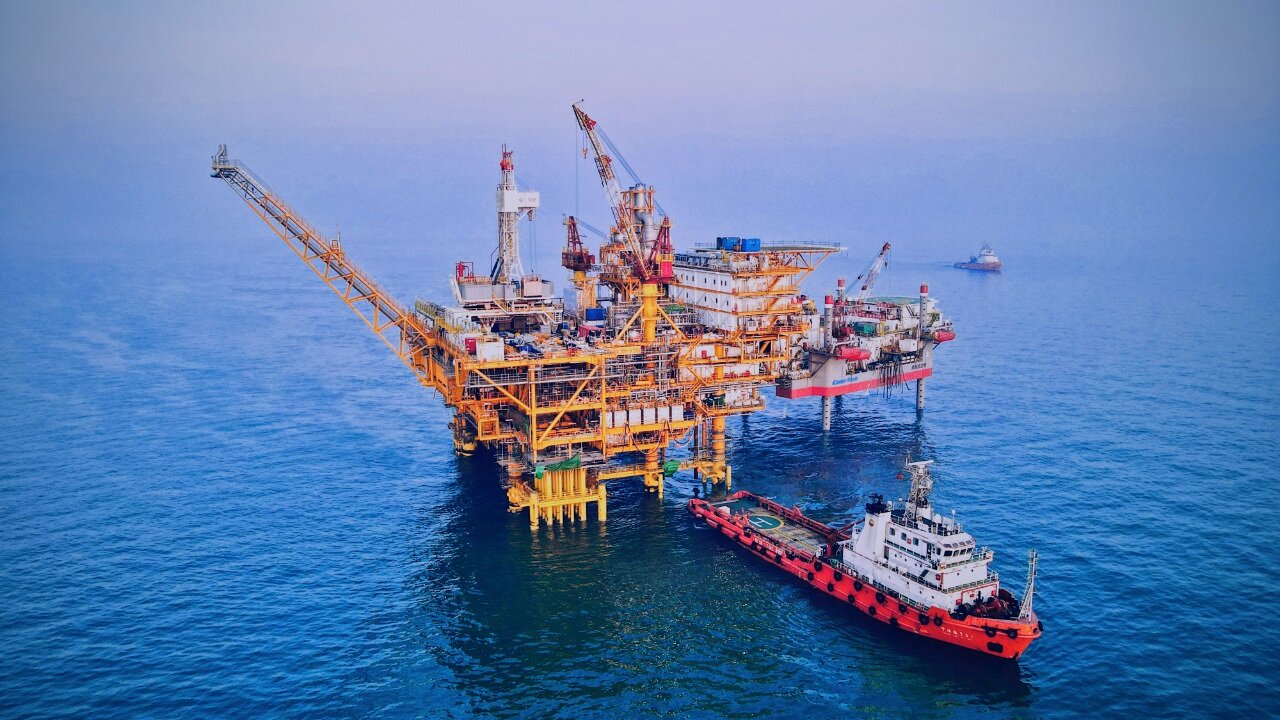
Sinopec enjoys dividends
In this billion dollar energy feast, Chinese companies are no bystanders. Opening the equity structure chart of Block 15/06, Azul Energy and Angola National Oil Company each hold 36.84% of the shares, while China Petroleum and Chemical Corporation (Sinopec) holds 26.32% of the shares, firmly occupying the position of the third largest shareholder. This means that for every drop of crude oil extracted from the deep sea, Sinopec can directly share its profits. This deep binding not only brings considerable cash flow, but also accumulates extremely valuable deep-sea operation experience and international cooperation history for Sinopec. On the fiercely competitive international energy stage, the practical ability obtained through this "real gold and silver" exchange is far more precious than simply introducing technology.
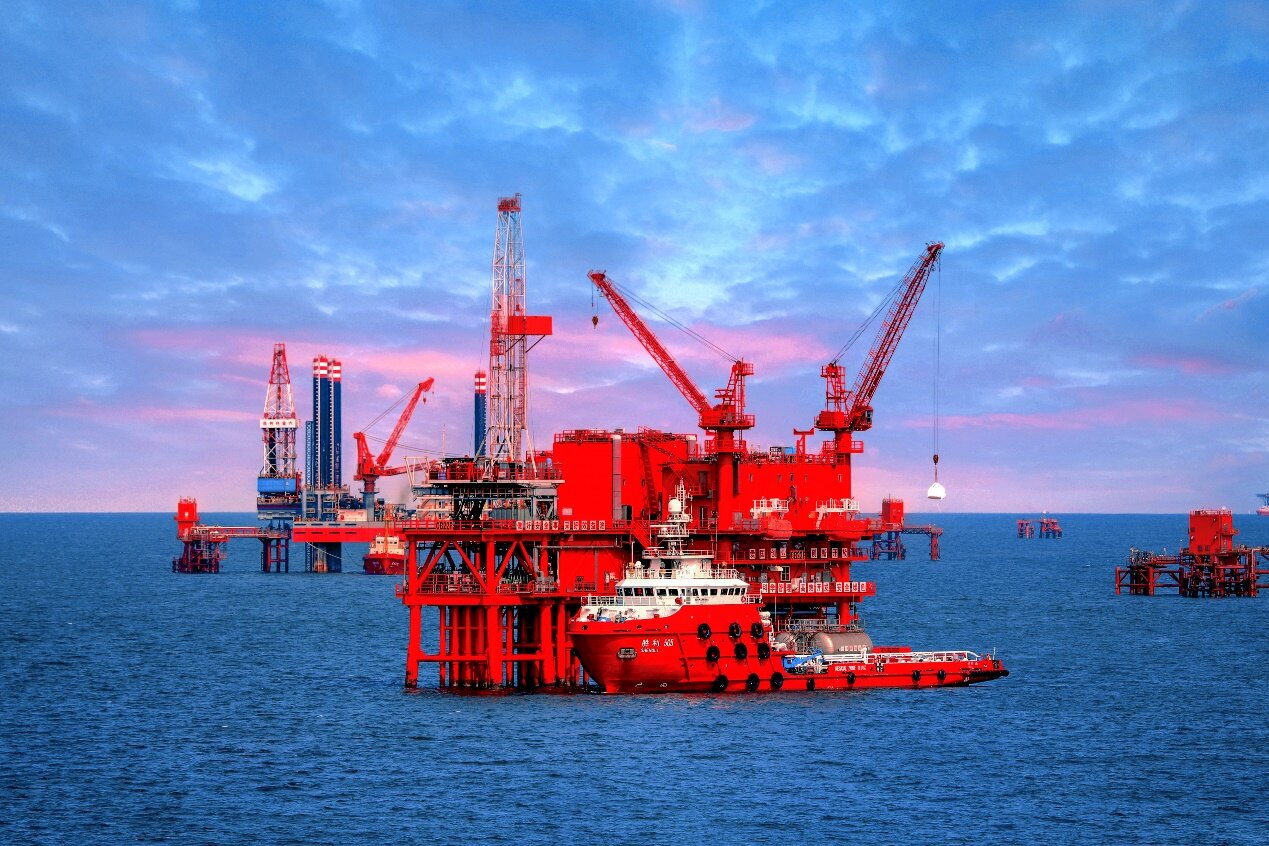
The Chinese model illuminates a new path for energy cooperation in Africa
Just as the joy of the production of the Endonggu oilfield had not yet dissipated, Azul Energy once again reported good news - in the 15/06 block, the exploration well named "Algata-01" successfully drilled high-quality oil reservoirs, with preliminary estimated reserves of up to 500 million barrels. Azul CEO Joe Murphy excitedly pointed out that this is the 23rd successful discovery of the block, fully demonstrating the outstanding potential of its oil system. For Chinese energy companies, this is undoubtedly a shot in the arm. The efficient development model demonstrated by Eni and BP provides an excellent model for technology iteration and cost control in Chinese enterprises.
In the future, Chinese enterprises can learn from the successful path of Sinopec, in Angola and even the entire African market, through technology export, capital cooperation and localized operation, to push the energy cooperation under the the Belt and Road Initiative to a new height, and jointly tap the unlimited potential of this hot land.Editor/Yang Meiling
Comment


 Praise
 Collect
 Comment

 Share
Share


Write something~