 Search


- Building a zero carbon energy hub with "wind solar hydrogen storage" as the core
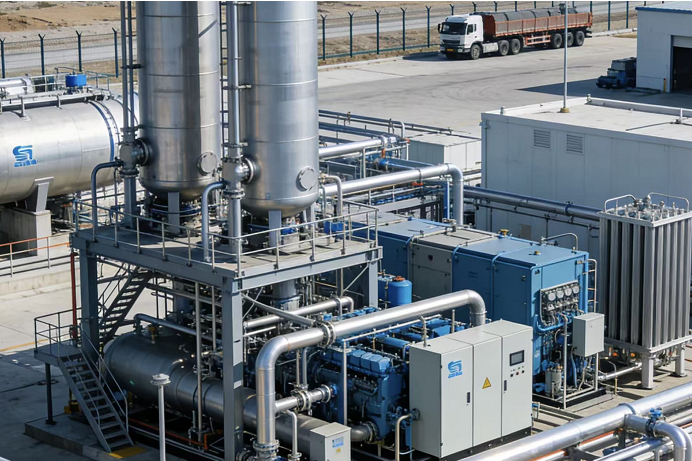
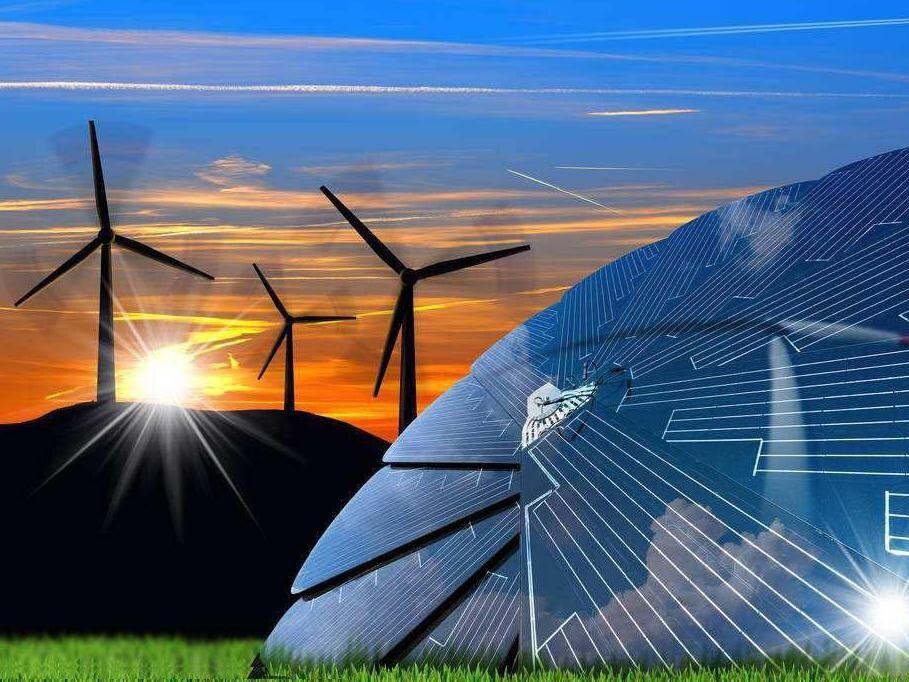
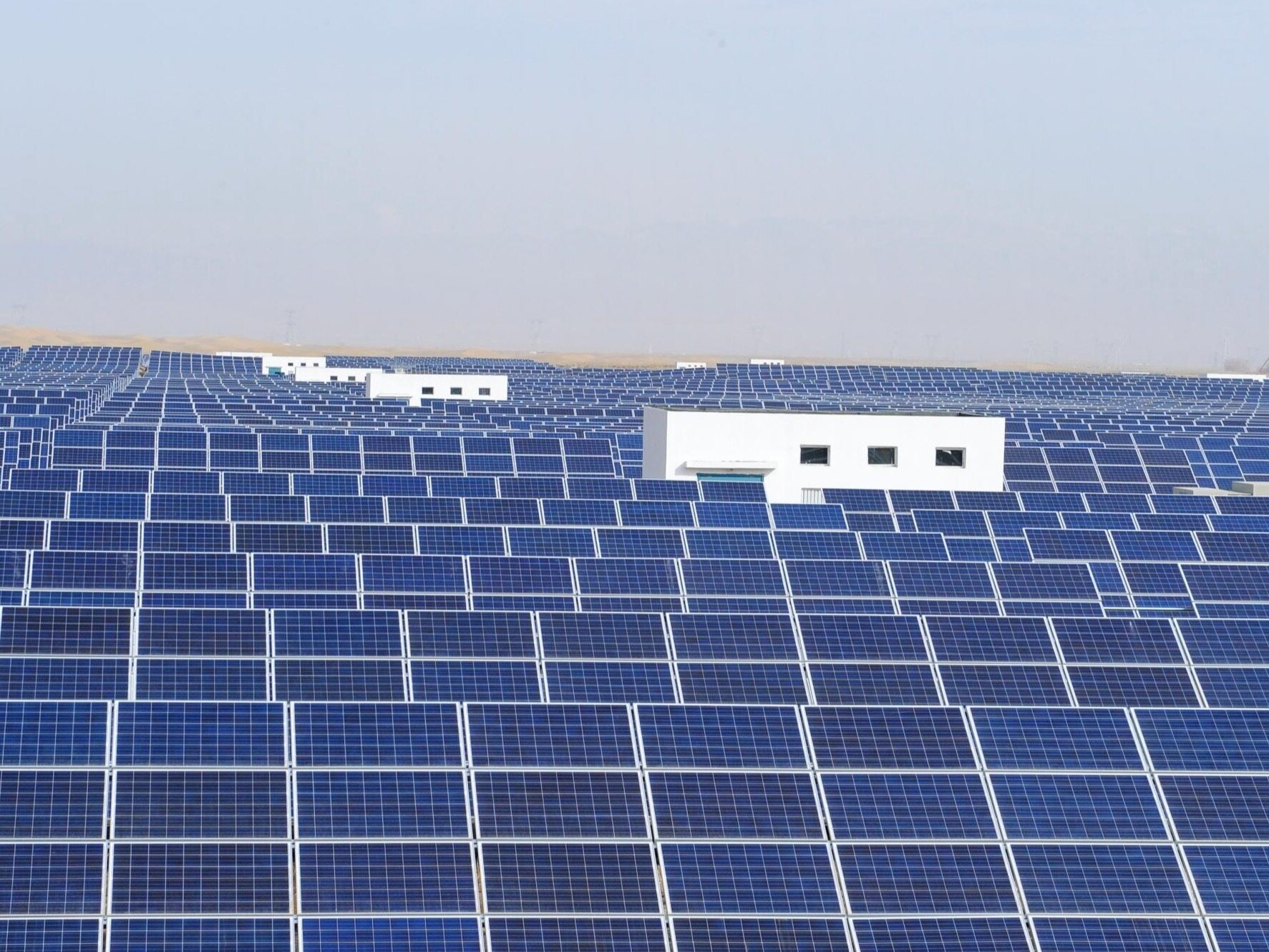
During the 15th Five Year Plan period, China's comprehensive construction of a socialist modernized country has entered a critical stage of tackling difficulties. As a strategic barrier in the northwest, the core area of the Silk Road Economic Belt, and a key area for western development, Xinjiang is embracing historic development opportunities with its multiple identities of "three bases and one channel" and a bridgehead for opening up to the west. This vast and resource rich land, relying on the unique scenery resources, superior geographical conditions and significant cost advantages, is weaving a zero carbon energy network with hydrogen energy and energy storage technology as the core in the grand narrative of the high-quality development of the "the Belt and Road", promoting the profound transformation from the traditional frontier to the forefront of Asia Europe cooperation. If solar power generation is the star that lights up Xinjiang's new energy industry, green hydrogen and energy storage technology are the solid power grid connecting the stars. Benchmark projects such as Karamay Green Hydrogen Base and Zhundong Compressed Air Energy Storage Power Station are the core hubs for building this power grid, writing a new chapter of the development of "solar hydrogen storage" integration.
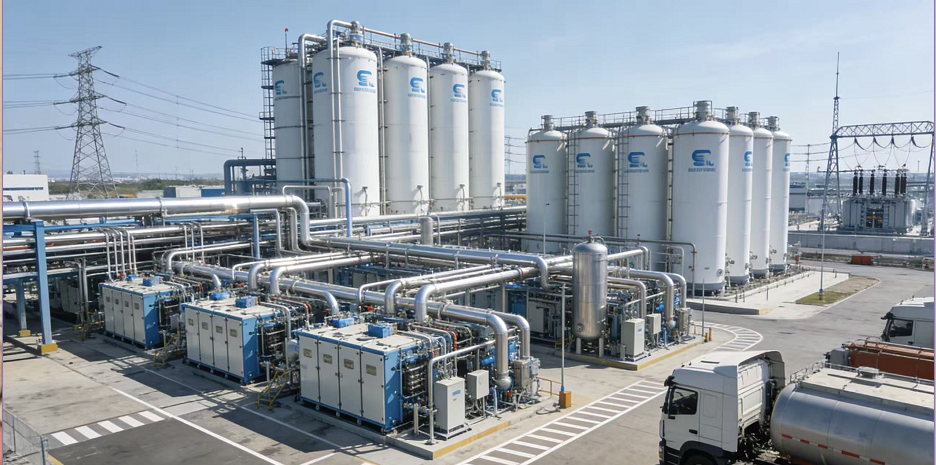
Advantages and Development Opportunities of Industries in Xinjiang
The rise of hydrogen energy and energy storage industry in Xinjiang is not accidental, but the inevitable result of multiple factors such as policy dividends, resource endowment, industrial foundation, and location advantages. Under the guidance of the "dual carbon" target, national and local policies have formed a joint force to lay a solid institutional foundation for industrial development; The innate resource conditions provide an irreplaceable foundation for development; The mature industrial ecology and the advantageous location of opening up to the west have opened up market space and cooperation channels, together forming the "four beams and eight pillars" of Xinjiang's industrial development.
At the policy level, the national strategy and local planning form a precise response, building a comprehensive support system. At the national level, the "14th Five Year Plan for Modern Energy System" lists hydrogen energy and new energy storage as strategic emerging industries, and documents such as the "Notice on Promoting the Orderly Development of Green Power Direct Connection" provide policy guidance for the nearby consumption of new energy. Based on its own position, Xinjiang has issued a series of policies such as the Three Year Action Plan for the Development of the Hydrogen Energy Industry in the Autonomous Region (2023-2025), the Clean Energy Industry Development Plan in the Autonomous Region (2025-2030), and clearly identified Karamay, Ili, Urumqi, and Hami as the first batch of hydrogen energy demonstration areas. It plans to build a national comprehensive demonstration area of new energy by 2027, and achieve the goal of reaching 300GW of installed capacity of clean energy by 2030.
The positive interaction between industrial foundation and market demand provides endogenous driving force for industrial development. Xinjiang is an important petroleum and petrochemical base in China. The annual hydrogen consumption of PetroChina Karamay Petrochemical Company, Dushanzi Petrochemical Company and other enterprises exceeds 130000 tons in total. At present, the energy consumption structure dominated by "gray hydrogen" provides a huge stock market for green hydrogen replacement. With the advancement of the "dual carbon" target, the demand for green hydrogen from these enterprises continues to grow, forming a virtuous cycle of "consumption driven production". At the same time, Xinjiang is accelerating the development of digital economy and advanced manufacturing industry. The implementation of China Mobile (Karamay) cloud computing intelligent computing center and other projects has brought strong demand for green power, providing an application scenario for the "wind and solar hydrogen production+energy storage+green power supply" model. In the field of transportation, the petroleum and petrochemical industry in Xinjiang has a large transportation volume, and the demand for energy substitution of thousands of heavy trucks, as well as the promotion of hydrogen energy bus routes, have further expanded the application boundaries of hydrogen energy, forming a complete industrial ecological prototype of "production, storage, transportation, processing, and use".
Technological Innovation and Implementation Practice of Two Benchmark Projects
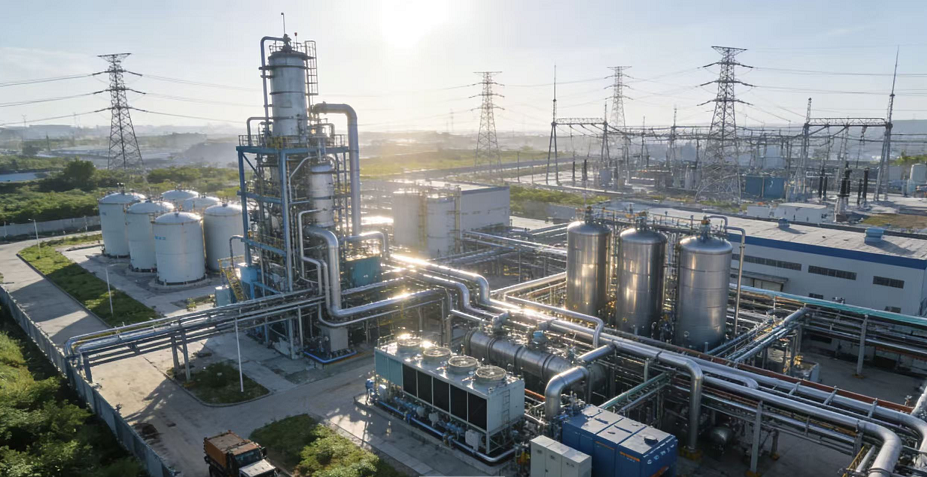
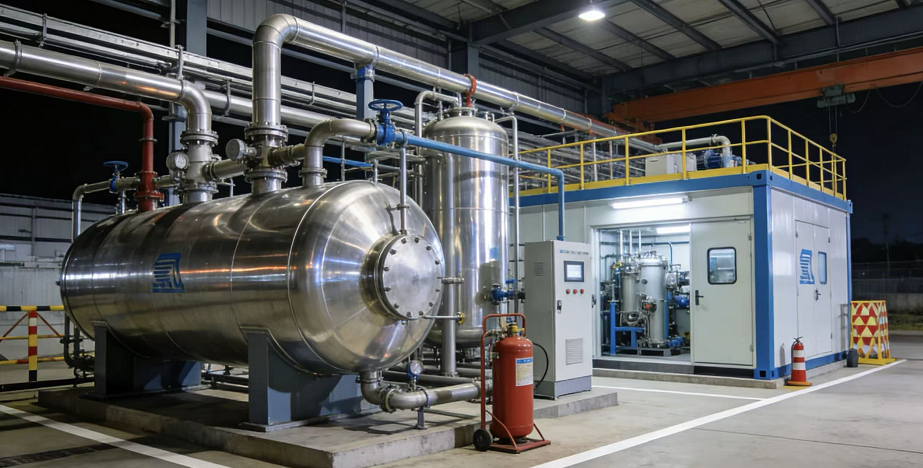
If policies and resources are the "right time and right place" for Xinjiang's industrial development, the two benchmark projects of Karamay Green Hydrogen Base and Zhundong Compressed Air Energy Storage Power Station are the "key points" to turn the blueprint into reality. These two projects focus on the two core areas of green hydrogen production and new energy storage, respectively. Through technological innovation and model exploration, they have built an integrated development sample of "wind solar hydrogen storage", demonstrating the practical path of Xinjiang's transformation from resource advantages to technological and industrial advantages.
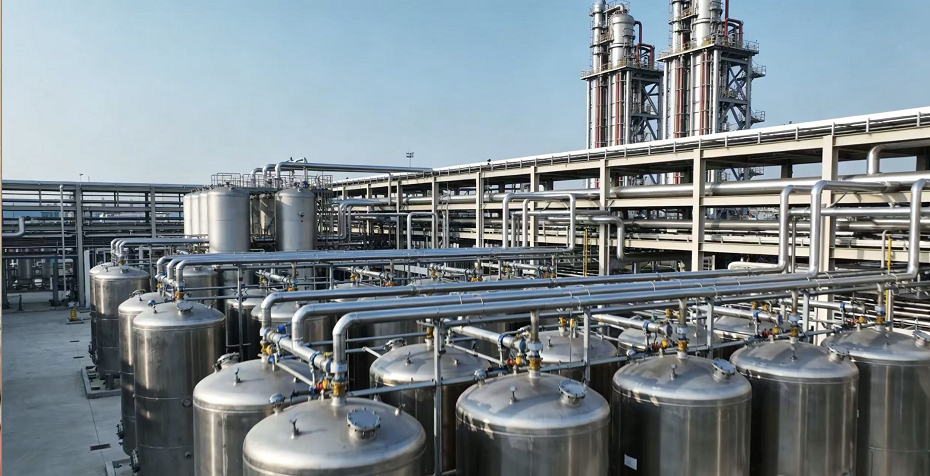
As the "pacesetter" of Xinjiang's hydrogen energy industry, Karamay Green Hydrogen Base, with "green hydrogen substitution and industrial collaboration" as its core, has achieved the double leap of technological breakthrough and scene landing. This base is one of the largest green hydrogen production projects in China. In terms of technological innovation, the base has broken through the core technological bottleneck of large-scale green electricity hydrogen production - using electrolytic water hydrogen production process, combined with independently developed high-efficiency electrolytic cells, the hydrogen production efficiency reaches over 75%, which is 5-8 percentage points higher than the industry average level; At the same time, a full chain closed loop of "photovoltaic electrolysis water hydrogen storage hydrogen transportation hydrogen use" has been constructed, which solves the problem of green hydrogen storage and transportation by combining high-pressure gaseous hydrogen storage with pipeline hydrogen transportation.
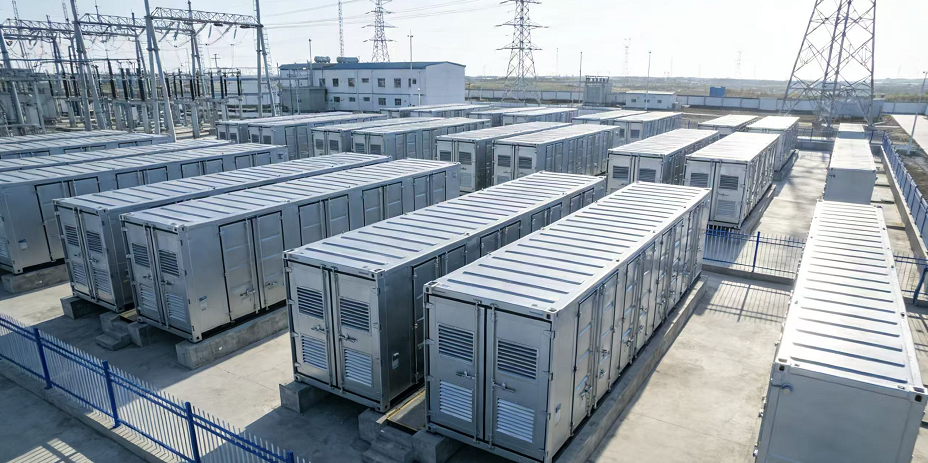
The Zhundong Compressed Air Energy Storage Power Station is jointly built by Sinopec and the Institute of Physics and Chemistry of the Chinese Academy of Sciences. It is the world's first large-scale compressed air energy storage demonstration project. Its core technical principle is to use surplus electricity from the power grid (mainly wind and solar power) to drive the compressor, compress the air to a high pressure state, and store it in underground tunnels or gas storage tanks. During peak electricity consumption, high-pressure air is released to drive the turbine to generate electricity, achieving cross time regulation of electrical energy. Compared with lithium battery energy storage, compressed air energy storage has advantages such as low cost, long lifespan, zero carbon emissions, and intrinsic safety. The single discharge time can reach 8-12 hours, which can effectively solve the intermittent and fluctuating problems of wind and photovoltaic power.
The profound impact from regional practice to national demonstration
The development of the "solar hydrogen storage" industry in Xinjiang is not only the only way for its own energy transformation, but also has formed a nationwide demonstration sample with its unique practical experience. It has provided valuable reference for the high-quality development of China's new energy industry in many aspects, such as technology path, industrial model, policy mechanism, and also injected new vitality into the "the Belt and Road" energy cooperation.
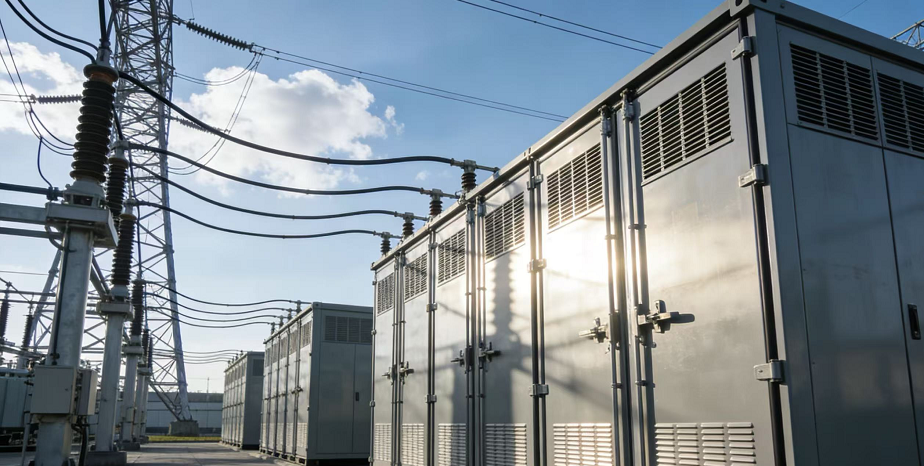
On the technological path, Xinjiang has explored a replicable model of "integrated wind solar hydrogen storage", solving the global problem of large-scale development and consumption of new energy. One of the core challenges facing the development of China's new energy industry is the contradiction between the intermittency of wind and photovoltaic power and the insufficient power grid consumption capacity. Xinjiang has provided a systematic solution through the combination of "green hydrogen preparation+diversified energy storage": green hydrogen converts electrical energy into chemical energy, achieving long-term, large capacity storage; Compressed air energy storage and liquid flow battery energy storage respectively meet the needs of different scenarios such as power grid peak shaving and distributed power supply, forming a "multi technology collaboration and multi scenario coverage" energy storage system. The path of "green electricity - green hydrogen - industrial absorption" in Karamay Green Hydrogen Base provides a reference for the transformation of traditional industries in energy rich regions such as Junneng and Yulin; The technical route of the Zhundong Compressed Air Energy Storage Power Station has been borrowed by regions such as Ulanqab in Inner Mongolia for the construction of large-scale grid side energy storage projects. The replicability of this technological path will accelerate the construction process of China's new power system and provide technical support for achieving the "dual carbon" goal.
In terms of policy mechanisms, Xinjiang's innovative "green power direct connection" and "source load coordination" mechanisms provide practical references for the improvement of national new energy consumption policies. The new energy consumption policy introduced by the Xinjiang Development and Reform Commission clarifies the model of "connecting power sources, loads, and energy storage as a whole with the public power grid", allowing new energy projects to directly supply power to a single electricity user and participate equally in electricity market transactions. This mechanism breaks down the barriers of traditional power grids and improves the flexibility and efficiency of new energy consumption. The requirements of "using the load to determine the source" and "phased production" in the policy have avoided the idle production capacity caused by blind construction of new energy projects; The open attitude towards private enterprise investment has stimulated the enthusiasm of market entities. Currently, the number of clean energy industry chain related enterprises in Xinjiang has reached nearly 200, with technology research and development enterprises accounting for over 30%. These policy innovations have been absorbed by the National Development and Reform Commission, promoting the development model of green power direct connection nationwide, providing institutional guarantees for the market-oriented development of the new energy industry.
In terms of international cooperation, Xinjiang has become the "bridgehead" of the "the Belt and Road" energy cooperation, which has built a platform for China's new energy technology "going global". The Central Asian region has abundant new energy resources, but its technological level is relatively backward. With its geographical advantages and technological accumulation, Xinjiang has launched multiple cross-border energy cooperation projects with countries such as Kazakhstan and Turkmenistan. The storage power station project supporting the China Kazakhstan power transmission project adopts the flow battery energy storage technology developed in Xinjiang; The energy storage system of the Amu Darya Photovoltaic Power Station is provided with equipment and operation and maintenance services by Xinjiang enterprises. With the maturity of Xinjiang's hydrogen energy and energy storage industry, a cooperation pattern of "technology research and development in China, production and manufacturing in Xinjiang, and application market in Central Asia" will be formed in the future, which will drive the export of China's electrolytic cells, energy storage equipment and other products, enhance China's voice in the global new energy industry, and inject green momentum into the high-quality development of the "the Belt and Road".
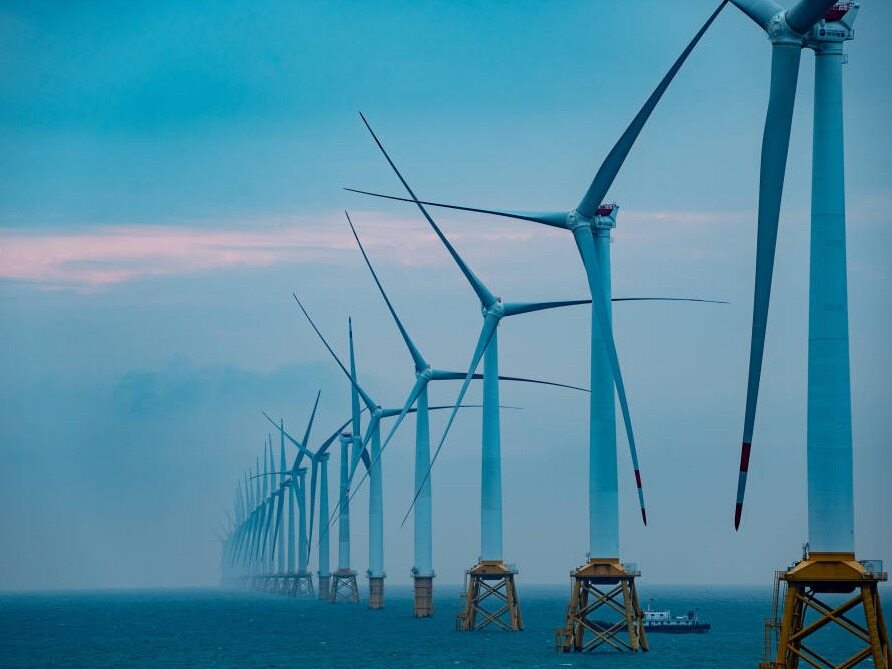
Standing at the historical starting point of the 15th Five Year Plan, the development of hydrogen energy and energy storage industry in Xinjiang has entered the fast lane. Relying on the dividends of policy superposition, unique resources, continuously breakthrough technology, and constantly improving industrial ecology, Xinjiang is transforming from China's energy "rear area" to a "forefront" of zero carbon energy. In the future, with the completion of the "Xinjiang Hydrogen Energy Port" and the deepening of cross-border energy cooperation, Xinjiang will not only be a demonstration base for the national new energy industry, but also a zero carbon energy hub connecting Asia and Europe. In the process of comprehensively building a socialist modernized country, it will write a new chapter in the high-quality development of border areas.Editor/Bian Wenjun
Comment

 Praise
 Collect
 Comment

 Share
Share


Write something~