 Search


- The Chinese Ministry of Foreign Affairs has expressed its position on the Panama port incident
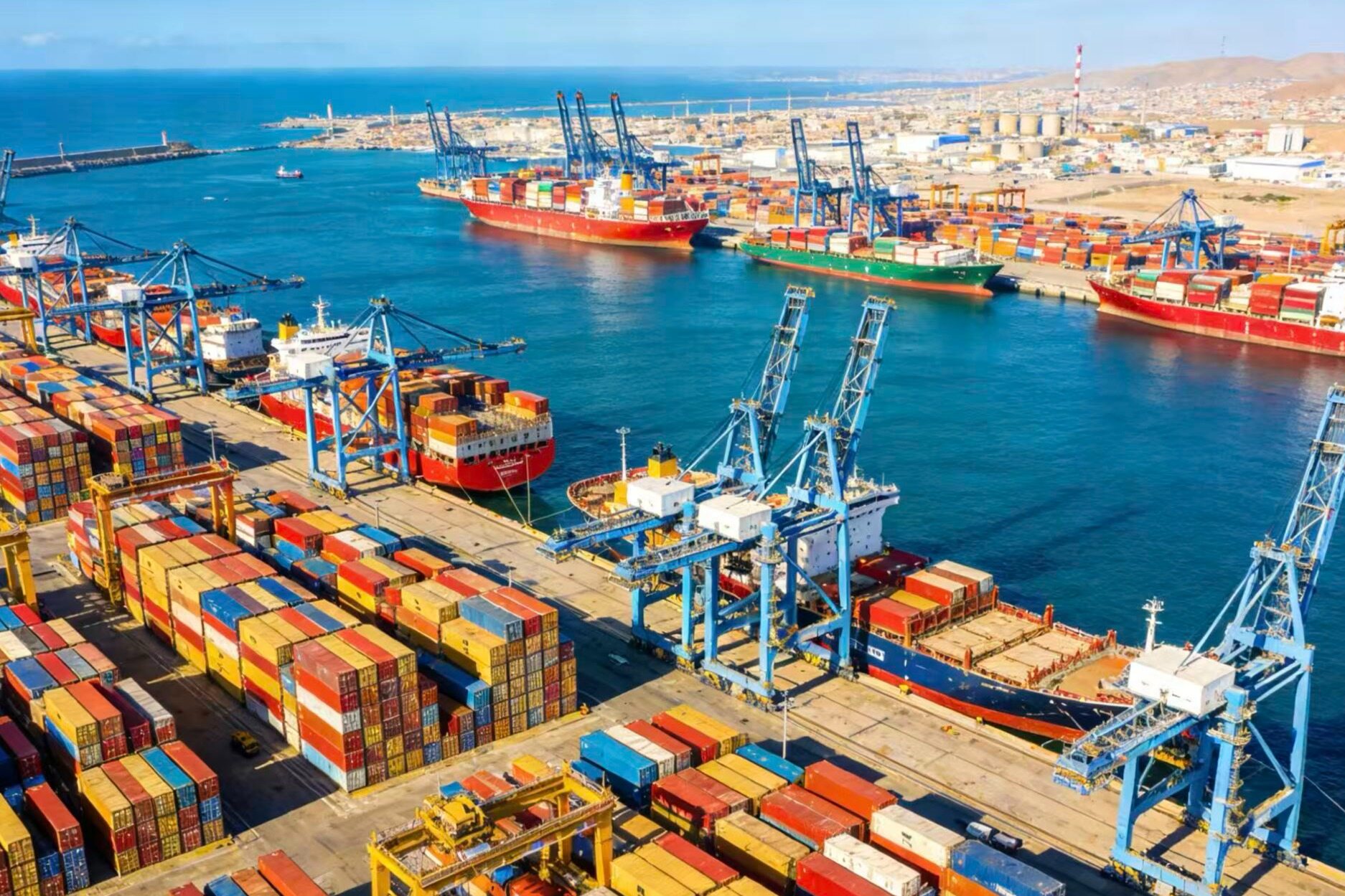
The Panamanian government recently forcibly took over two ports operated by companies under Hong Kong's Cheung Kong Hutchison Whampoa, sparking high international concern for the safety of Chinese overseas assets. Experts point out that this incident goes far beyond the scope of ordinary commercial disputes and is a concentrated manifestation of sovereignty risks under geopolitical games. It also sounds the risk alarm for Chinese enterprises to "go global".
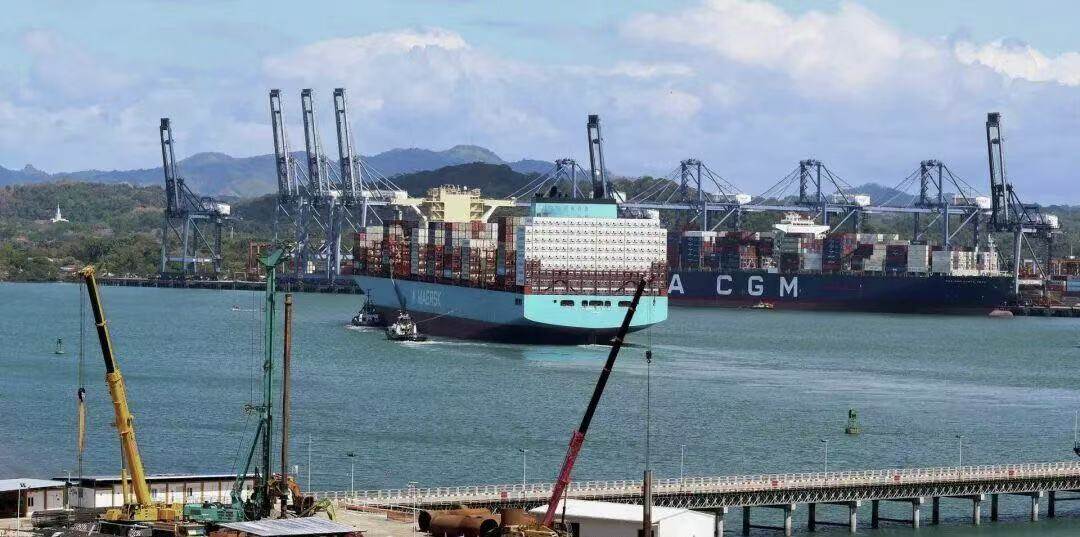
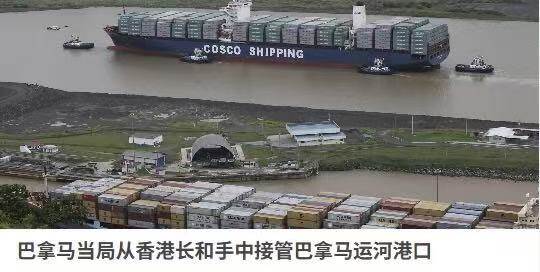
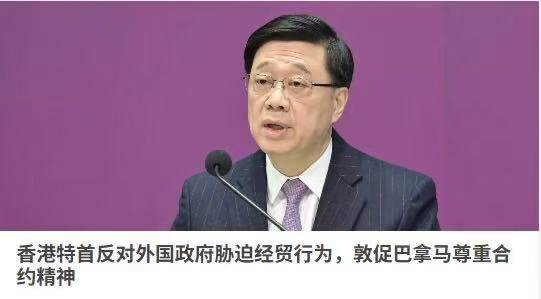
On February 23rd, the Panamanian government unilaterally entered the ports of Balboa and Cristobal, operated by the Panama Ports Company under Yangtze River Hutchison, to take over the administrative management and operational authority of the two container terminals, and prohibited personnel from the original operators from entering the site. On February 24th, the Hong Kong SAR government issued a statement strongly protesting and condemning Panama's actions, pointing out that they seriously damaged the legitimate rights and interests of Hong Kong enterprises and blatantly violated the spirit of the contract. The SAR government emphasizes that the previous ruling made by the Supreme Court of Panama disregarded facts and betrayed trust, and Hong Kong firmly opposes it.
Liu Ying believes that ports, as key strategic infrastructure, have always been an important area of great power competition. Despite Panama using legal procedures as an excuse, the market generally sees this takeover as a result of political and judicial linkage. The impact of such behavior is immediate and irreversible. Once a company loses control of its assets, its operations, cash flow, and core equipment security will be directly impacted, and subsequent legal arbitration and claims are often time-consuming.
In response to the current overseas investment environment, Liu Ying pointed out that geopolitical risks have become the biggest threat faced by Chinese enterprises' overseas assets, and traditional commercial risks are upgrading to a "comprehensive risk package" that includes sovereignty, law, regulation, etc. The risk assessment framework for overseas assets by Chinese companies has undergone fundamental changes, especially in strategic areas such as ports, energy, minerals, and communications, where risk characteristics are more complex.
The current overseas investment risks present multiple intertwined characteristics: legal risks and regulatory risks overlap, and external forces can shake the contract foundation through judicial rulings, policy tightening, and other means; The interaction between geopolitics, host country elections, and nationalist sentiment makes it difficult to ensure policy continuity; The intensification of the great power game has put external pressure on many countries to choose their sides, making it easier for foreign strategic assets to become targets. In addition, issues such as operational interruptions, security risks, rising financing costs, and fluctuations in credit ratings can also trigger a chain reaction.
In the face of an increasingly complex external environment, experts suggest that Chinese enterprises should accelerate the construction of a comprehensive risk prevention and control system in the process of promoting internationalization, strengthen communication with stakeholders such as political parties, communities, and trade unions in the host country, deeply promote localized operations, fulfill social responsibilities, and achieve mutual benefit and a balance of righteousness and interests. In overseas layout, we adhere to the principles of consultation, co construction, and sharing, coordinate development and security, and enhance the sustainable operation capability of overseas assets.
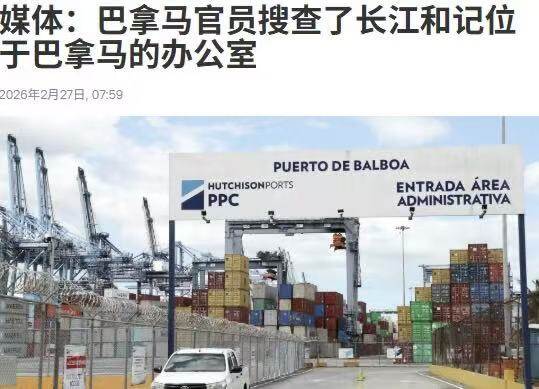
The Chinese Ministry of Foreign Affairs has expressed its position on the Panama port incident and will continue to firmly safeguard the legitimate rights and interests of Chinese enterprises. Relevant enterprises have also declared that they reserve the right to take all necessary measures, including legal means.
The Chinese Ministry of Foreign Affairs has expressed its position on the Panama port incident and will continue to firmly safeguard the legitimate rights and interests of Chinese enterprises. Relevant enterprises have also declared that they reserve the right to take all necessary measures, including legal means.Editor/Bian Wenjun
Comment





 Praise
 Collect
 Comment

 Share
Share


Write something~