 Search


- Building a new energy system for the coordinated development of "green electricity+green hydrogen"
On February 28, 2026, Israel launched a military strike against Iran, and Israeli security officials confirmed that the operation was jointly carried out by the United States and Israel. Previously, the United States took military action against Venezuela and detained its President Maduro. Geopolitical conflicts have emerged in major energy producing regions worldwide, and international oil and gas supply and transportation channels are facing severe uncertainty. China's energy security is facing new external pressures.
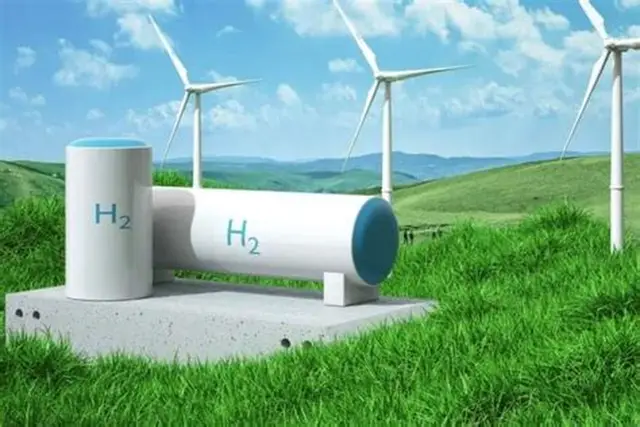
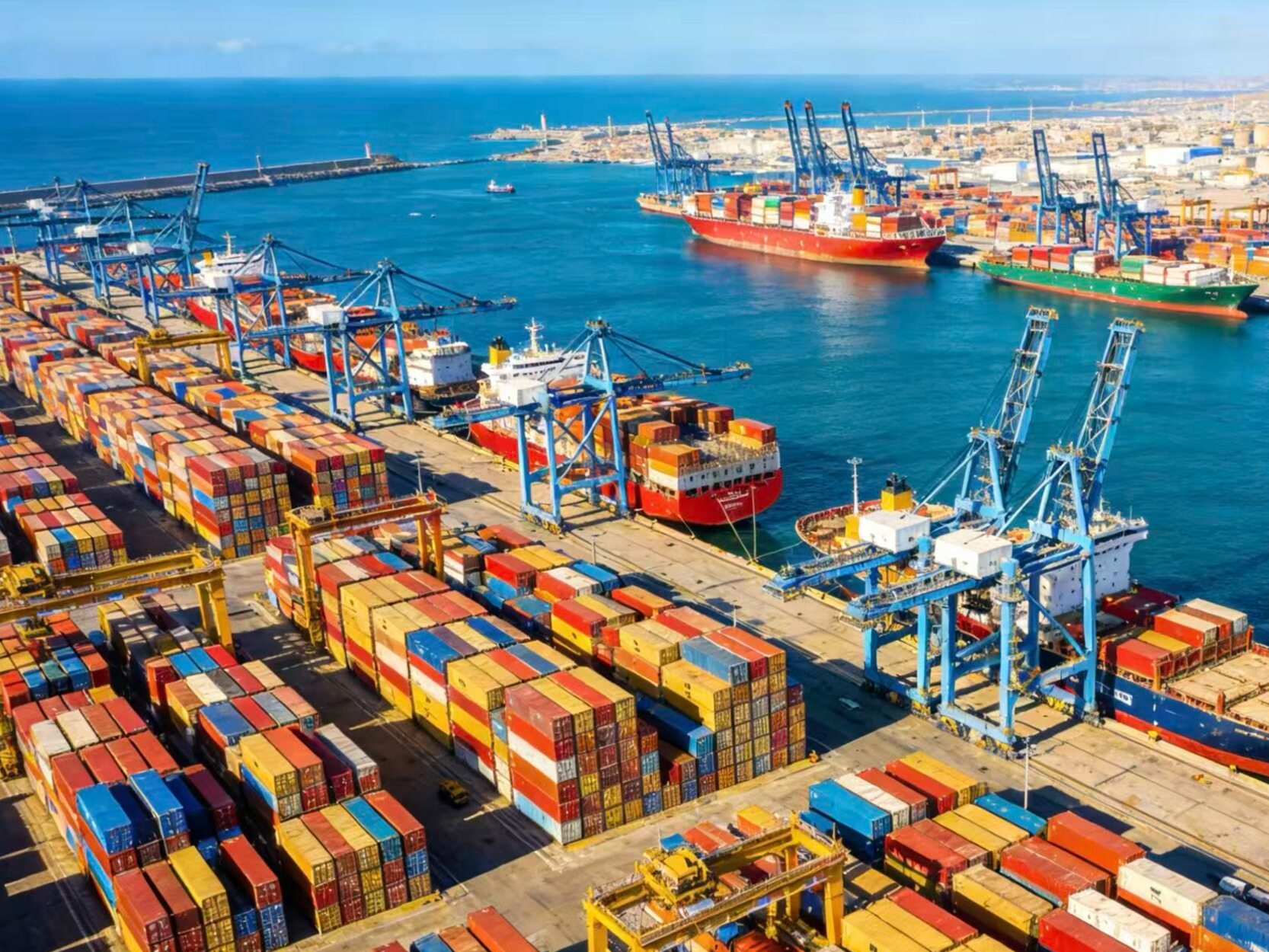
Authoritative data shows that China's external dependence on oil and natural gas exceeds 70% and 40% respectively, which are within the internationally recognized warning line range. Energy imports are highly dependent on regions such as the Middle East, Russia, and the Americas. With the escalation of regional conflicts, significant fluctuations in international oil prices, and rising risks in maritime shipping, the fragility of traditional energy supply chains has become further highlighted. Accelerating the construction of an independent, controllable, clean, and diverse modern energy system has become an urgent task.
In recent years, China has achieved leapfrog development in renewable energy such as photovoltaics and wind power, with non fossil energy accounting for nearly 60% of installed capacity. The green supply and safety resilience of the power system have significantly improved. However, in fields such as chemical engineering, metallurgy, and heavy transportation that are difficult to directly electrify, the production of raw materials and fuels still heavily relies on fossil fuels, becoming a key weakness in energy transformation and security. Hydrogen energy, as a clean and efficient secondary energy carrier, can play an irreplaceable role in industrial raw material substitution, high-temperature thermal engineering, long-term energy storage, heavy equipment power and other scenarios. The development of hydrogen energy has been included in the key layout of national energy security and the "15th Five Year Plan" energy plan.
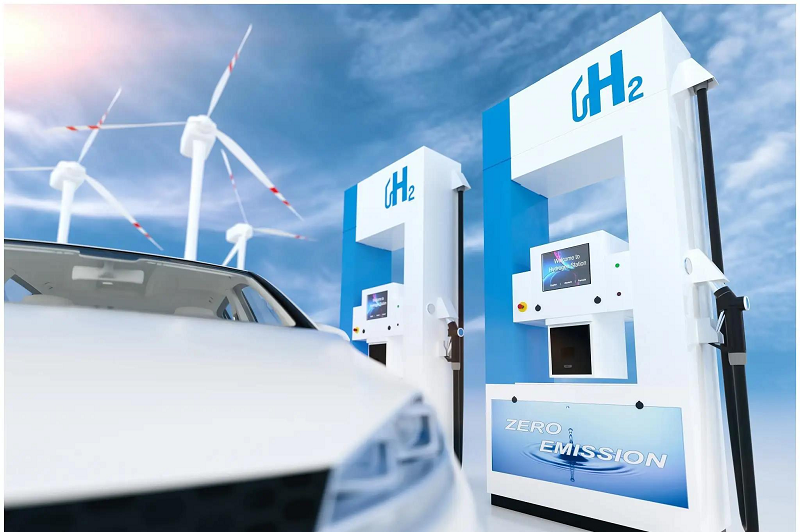
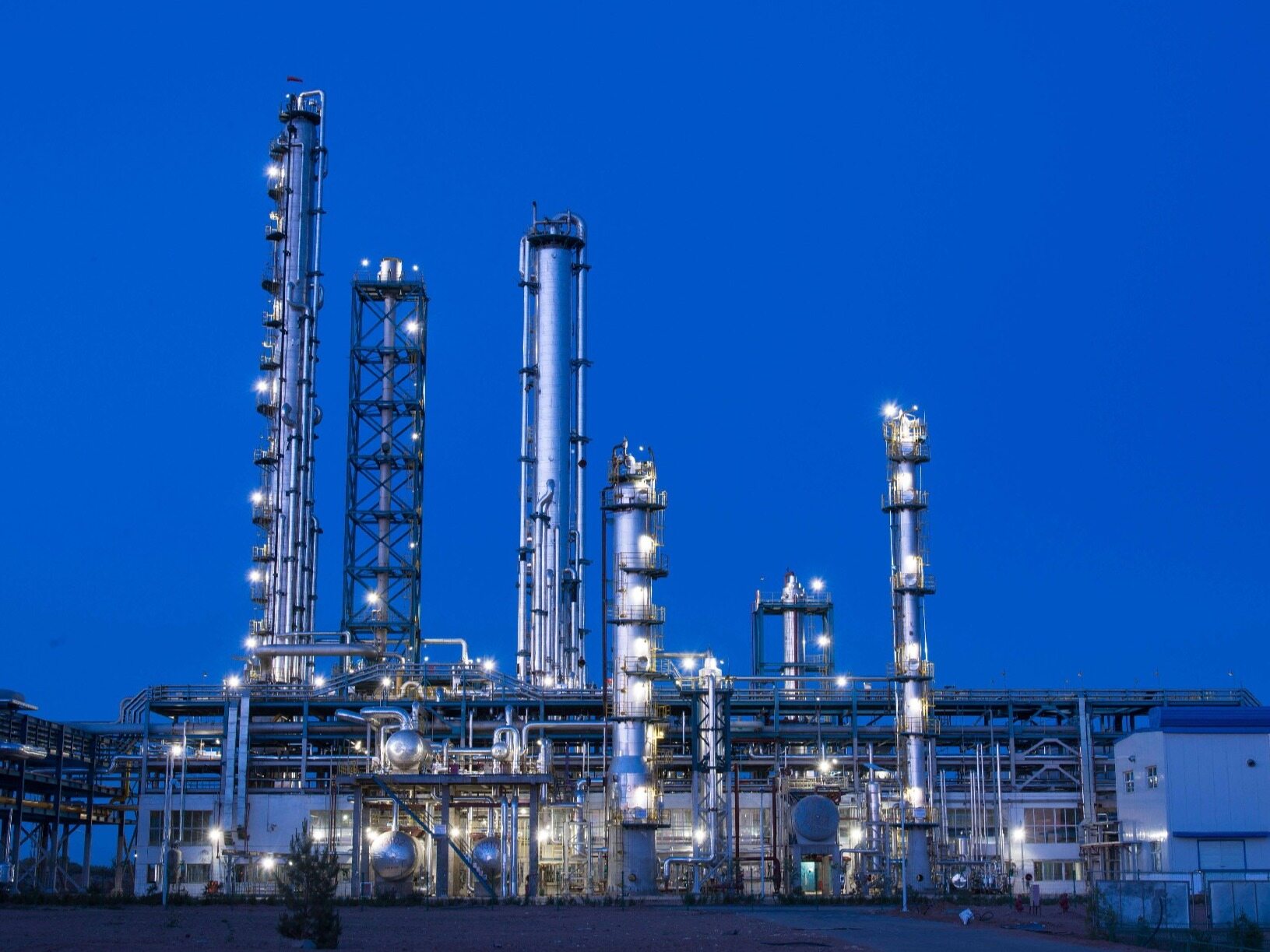
The industry points out that green hydrogen produced by electrolyzing water with renewable energy is the core path to breaking the dependence on fossil fuels in the industrial sector. In the chemical industry, green hydrogen can replace natural gas reforming to produce grey hydrogen, which is used for the production of basic raw materials such as ammonia and methanol, ensuring the stability of national economy and livelihood industries such as fertilizers and chemical materials; In the field of metallurgy, hydrogen reduction technology can replace coke and promote the transformation of the steel industry from "carbon metallurgy" to "hydrogen metallurgy", achieving deep carbon reduction and reducing dependence on imported coking coal; In the fields of transportation and energy storage, applications such as hydrogen heavy-duty trucks and distributed hydrogen power stations are accelerating their implementation, effectively enhancing the flexibility and safety of the energy system.
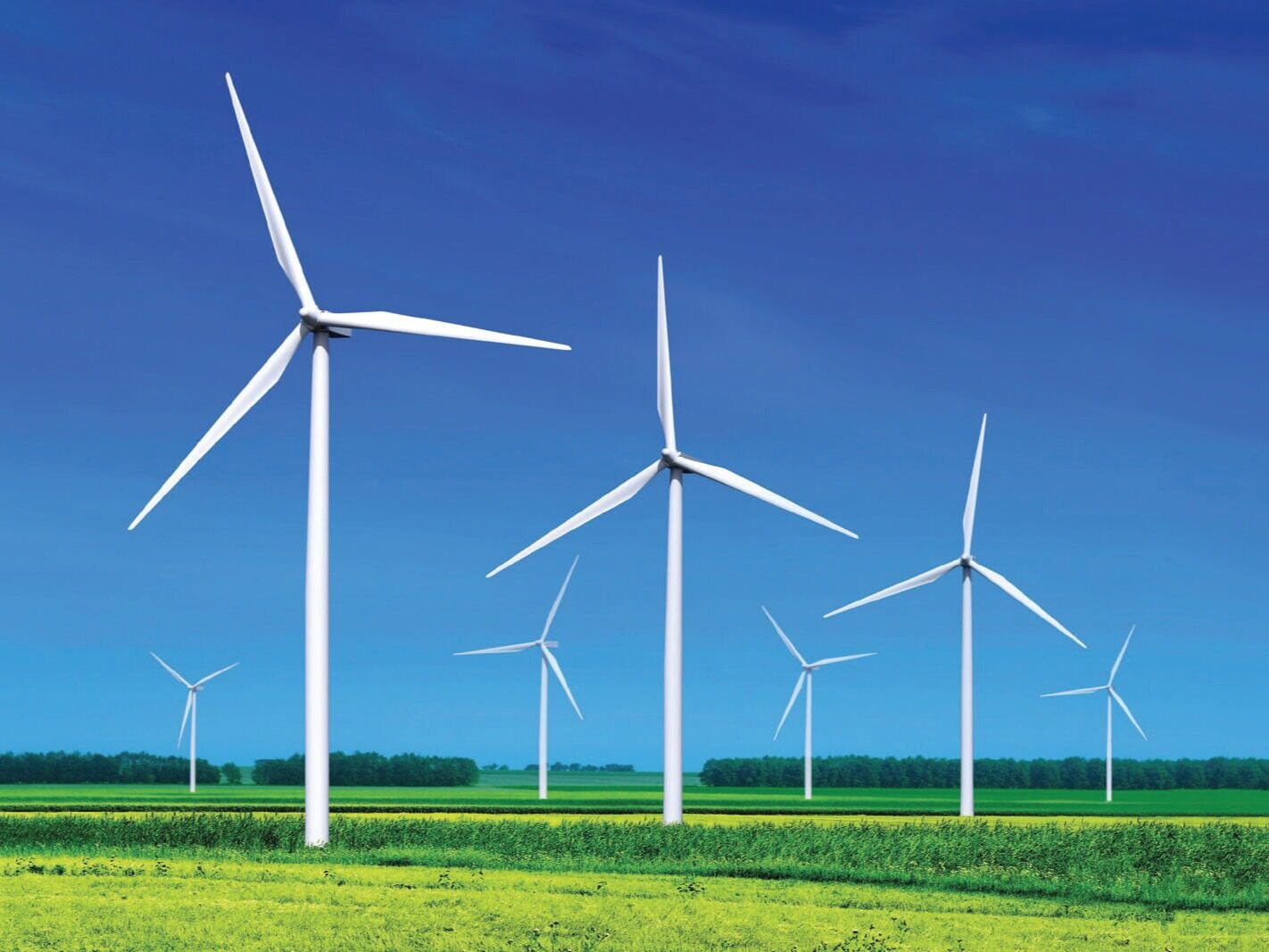
Faced with the complex international situation, China is accelerating the layout of the entire hydrogen energy chain from a strategic perspective. Relying on the abundant scenic resources in the northwest, north, and northeast, a number of large-scale green hydrogen production bases are accelerating their planning and construction, and the supporting facilities for the entire industrial chain of production, storage, transportation, and processing are continuously improving. The policy side continues to exert efforts, with intensive measures such as subsidies for green hydrogen projects, subsidies for hydrogen refueling station construction, and support for the localization of core equipment. Key technologies such as electrolytic cells, fuel cells, and high-pressure hydrogen storage have been accelerated, and industrial costs have steadily decreased. At the same time, the demonstration projects for hydrogen substitution in key industries such as chemical engineering and steel are expanding and improving, with market demand driving industrial scale development.
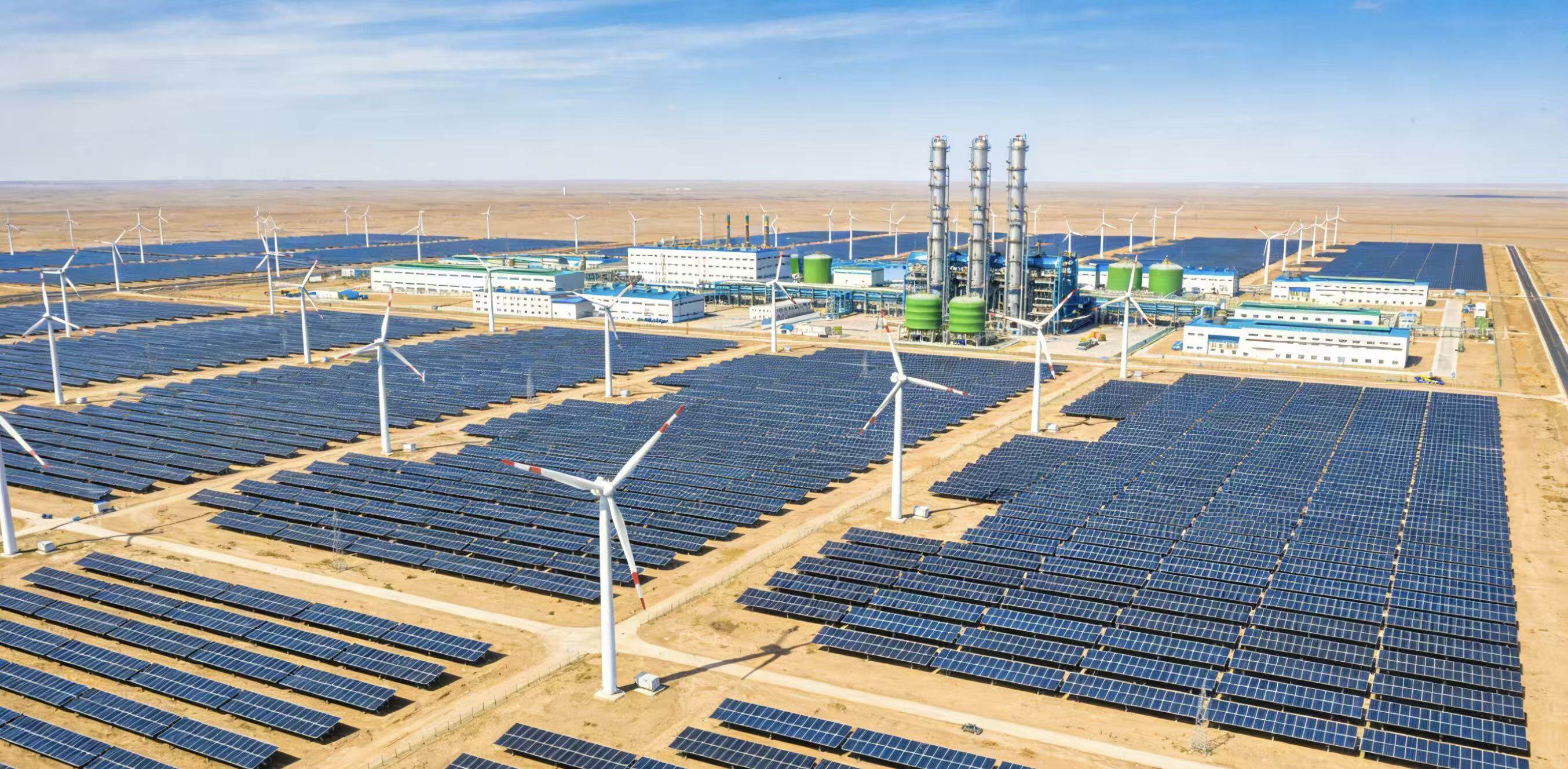
Energy security is an important cornerstone of national security. Against the backdrop of profound adjustments in the global geopolitical landscape and rising risks in traditional energy, accelerating the development of the hydrogen energy industry and building a new energy system that integrates "green electricity+green hydrogen" is not only a strategic choice to achieve the "dual carbon" goal, but also a key measure to reduce the dependence on oil and gas exports and ensure independent and controllable energy. With technological breakthroughs and policy implementation, hydrogen energy will play a more important role in ensuring national energy security, promoting industrial transformation and upgrading, and achieving high-quality development.Editor/Bian Wenjun
Comment


 Praise
 Collect
 Comment

 Share
Share


Write something~