 Search


- All of the US's past wars aimed to control oil, but the results show that the US has never truly succeeded in controlling it.
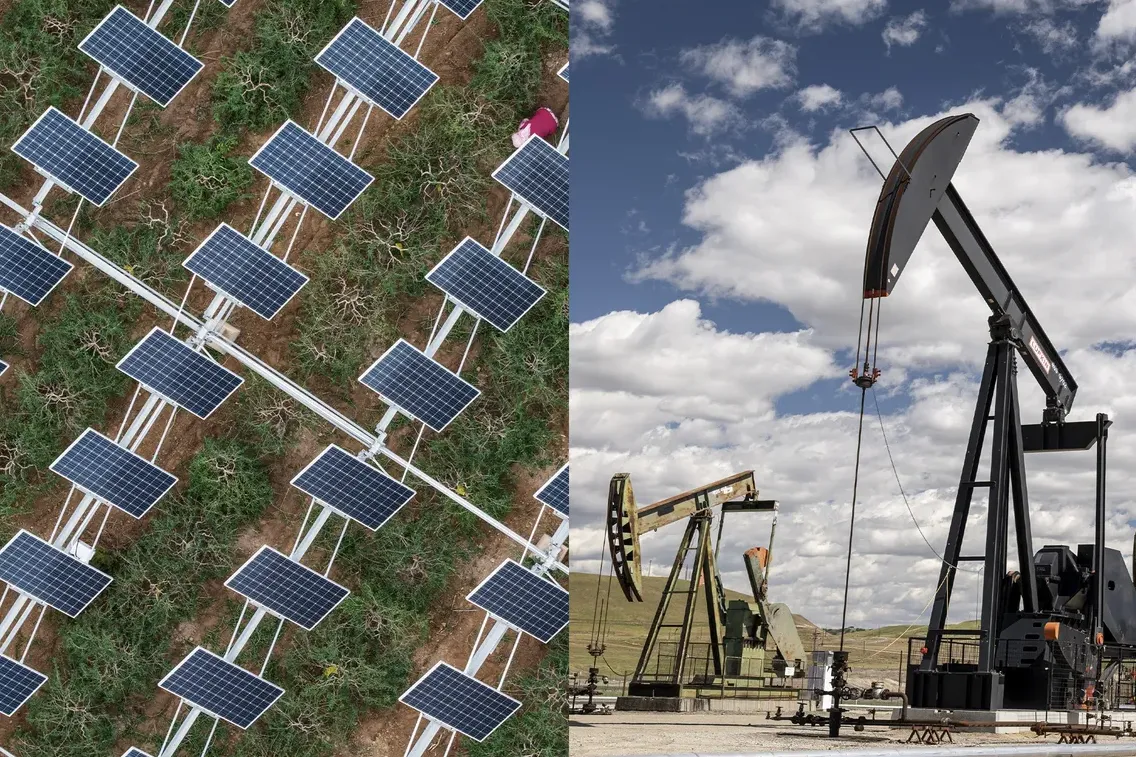
From the 1945 agreement between Roosevelt and Saudi Arabia for "military protection in exchange for control of oil," the US has viewed the Middle East as its oil backyard. In 1953, US and British intelligence agencies orchestrated a coup in Iran, overthrowing the Mossadegh government, which advocated for the return of oil sovereignty, and Anglo-American oil companies regained control of Iranian oil. The Gulf War in 1991 and the Iraq War in 2003 came at a tremendous cost to the US—the Iraq War alone cost over a trillion dollars, resulting in the deaths of 4,500 US soldiers and over 100,000 Iraqis.

However, the result is that Iran has been free from US control since the 1979 Islamic Revolution, and the Strait of Hormuz, the main export route for Middle Eastern oil, is precisely in Iranian control. In March 2026, with the US and Israel launching military action against Iran, the Strait of Hormuz will be closed, disrupting approximately 20% of global oil transportation and cutting off a daily supply of 20 million barrels of oil. JPMorgan Chase warned that if the blockade continues, international oil prices could surge to $100 to $150 per barrel.
The US strategic ambition regarding Middle Eastern oil has escalated from "resource possession" to "system control"—controlling supply, settlement, and transportation routes. However, the reality is that while the US can wage war and overthrow regimes, it cannot truly control the flow of resources in a sovereign nation, nor can it monopolize oil profits in the era of globalization.
In March 2026, the blockade of the Strait of Hormuz will cause severe turmoil in the global energy market. Brent crude oil will see its largest increase in eight months. Energy import costs in East Asia and Europe will soar, forcing them to accelerate energy diversification and seek alternative routes.

China, by proactively developing new energy sources and promoting comprehensive economic electrification, has demonstrated remarkable resilience in this energy crisis. China's energy self-sufficiency rate has consistently remained above 80%, with over 90% of its energy consumption growth coming from domestic sources. While the US is still embroiled in disputes over oil routes, China has already built a modern energy system independent of imported oil and gas through ultra-high-voltage power grids, new energy vehicles, and solar and wind power.
Simultaneously, China acts righteously, firmly supporting all sovereign states in safeguarding their national sovereignty and independence. The Belt and Road Initiative has become a cornerstone of global stability and prosperity, accelerating resource utilization and industrial transformation in developing countries through interconnectedness and consultation, enabling people around the world to enjoy a better life sooner.
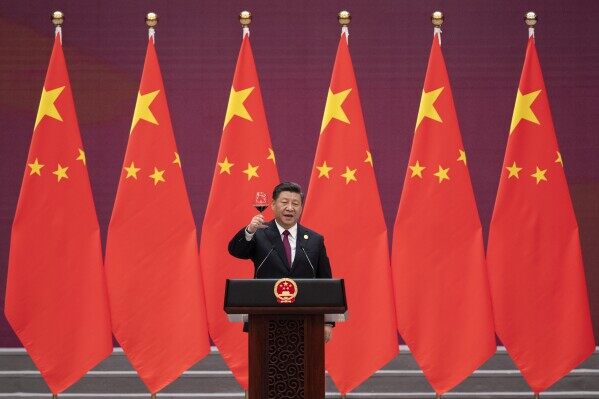
As the Director of the National Energy Administration stated, "Since the 14th Five-Year Plan, facing a complex and changing international and domestic energy situation, we have firmly secured our energy supply, forging a Chinese path of high-quality energy development and providing a Chinese solution for global energy transformation."
This energy crisis, which began in the Strait of Hormuz, has proven in the most brutal way that war cannot control oil, but new energy sources can free us from dependence on it. China's choice of comprehensive electrification is not a temporary industrial policy, but a strategic decision concerning the fate of the nation.Editor/Cao Tianyi
Comment



 Praise
 Collect
 Comment

 Share
Share


Write something~