 Search


- Normalized operation of China Iran railway corridor, construction of energy trade strategic buffer
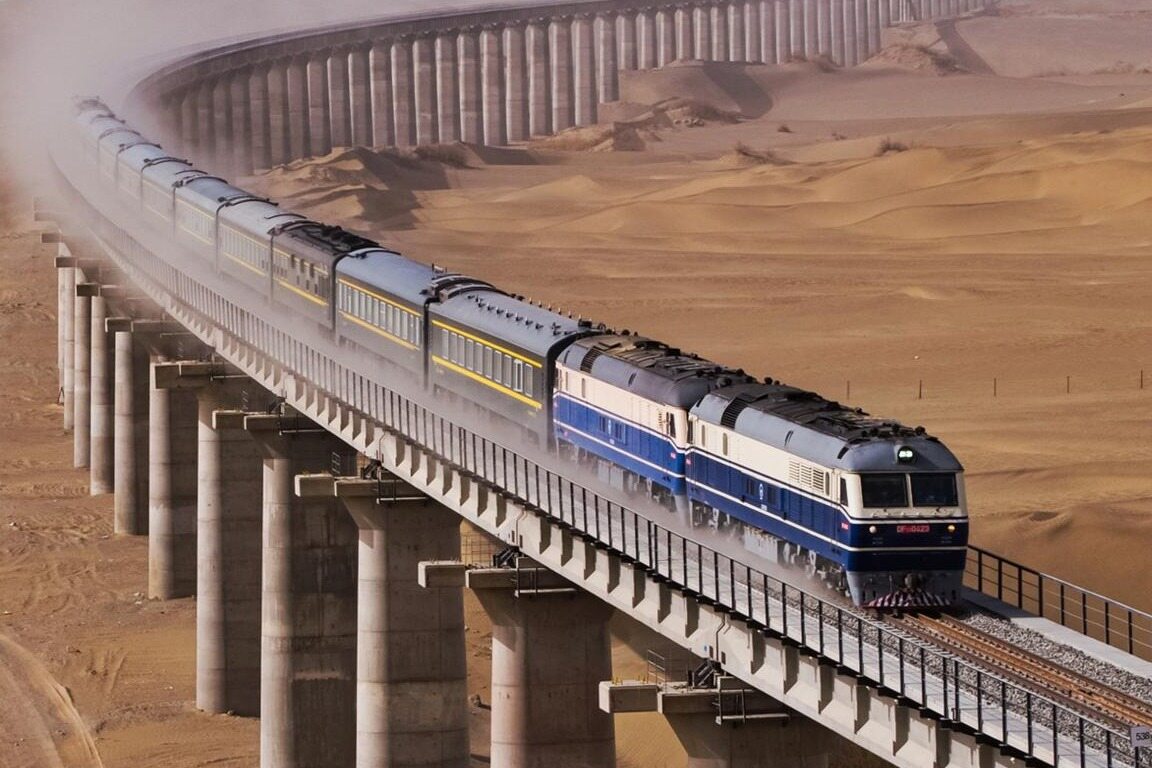
As Iran announces the closure of the Strait of Hormuz and global oil markets fluctuate, China, as Iran's largest buyer of crude oil, faces significant supply risks. Public data shows that from 2024 to 2025, China will import approximately 1.38 million barrels of crude oil from Iran per day, accounting for 13.4% of the total maritime oil imports. Over 80% of Iran's crude oil exports will flow to China. However, in addition to shipping channels, a long-term land railway corridor has been established between China and Iran, providing strategic buffer space for bilateral trade and some energy supply.
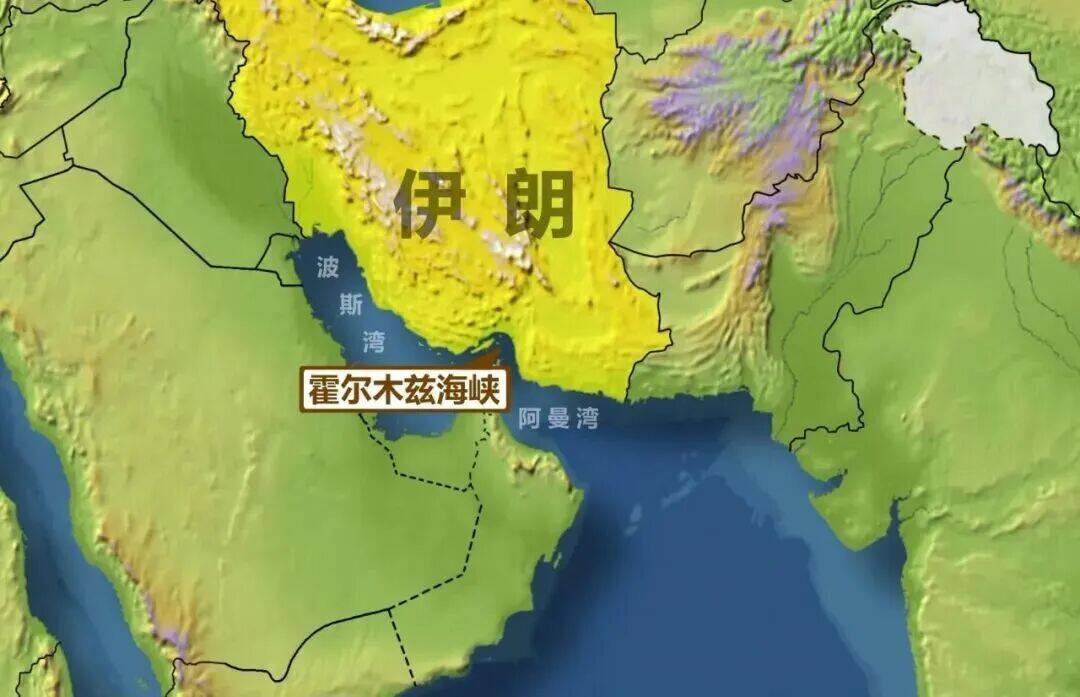
The Strait of Hormuz, which connects the Persian Gulf and the Gulf of Oman, is a global strategic hub. The crude oil exports of major oil producing countries in the Middle East pass through the Strait of Hormuz, which accounts for about one-fifth of the total global oil transportation volume. Once the waterway is restricted, the international energy market will be rapidly impacted. In recent years, China has continued to promote a diversified strategy in energy security and supply chain resilience, focusing on reducing dependence on key sea routes such as the Strait of Hormuz and the Strait of Malacca.
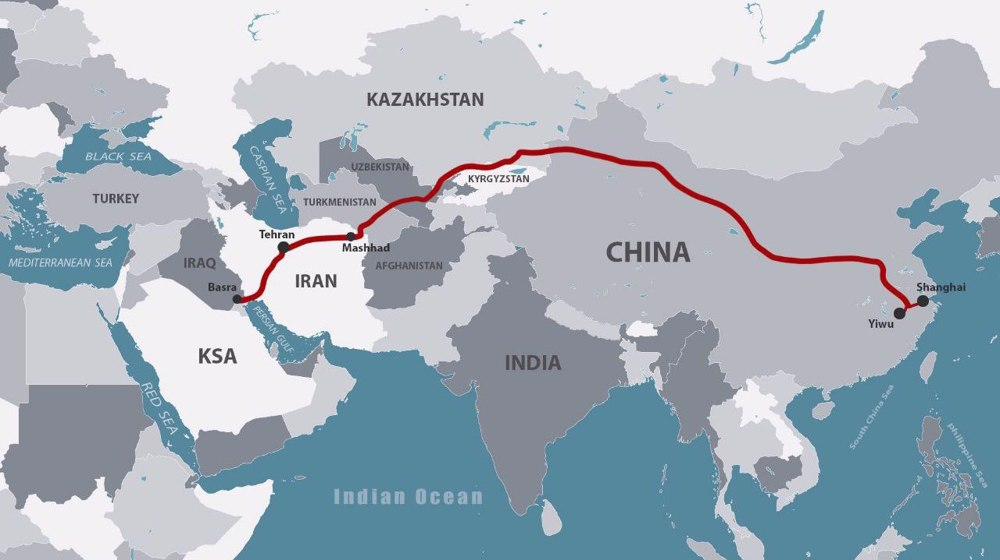
At the end of 2014, after the completion of the Kazakhstan Turkmenistan Iran railway, a continuous railway channel from China through Central Asia to Iran was opened up; In February 2016, the first Yiwu Dehelan train departing from Yiwu, China arrived in Tehran via Alashankou in Xinjiang, Kazakhstan, and Turkmenistan, covering a total distance of about 10399 kilometers and running for about 14 days, greatly improving transportation efficiency.
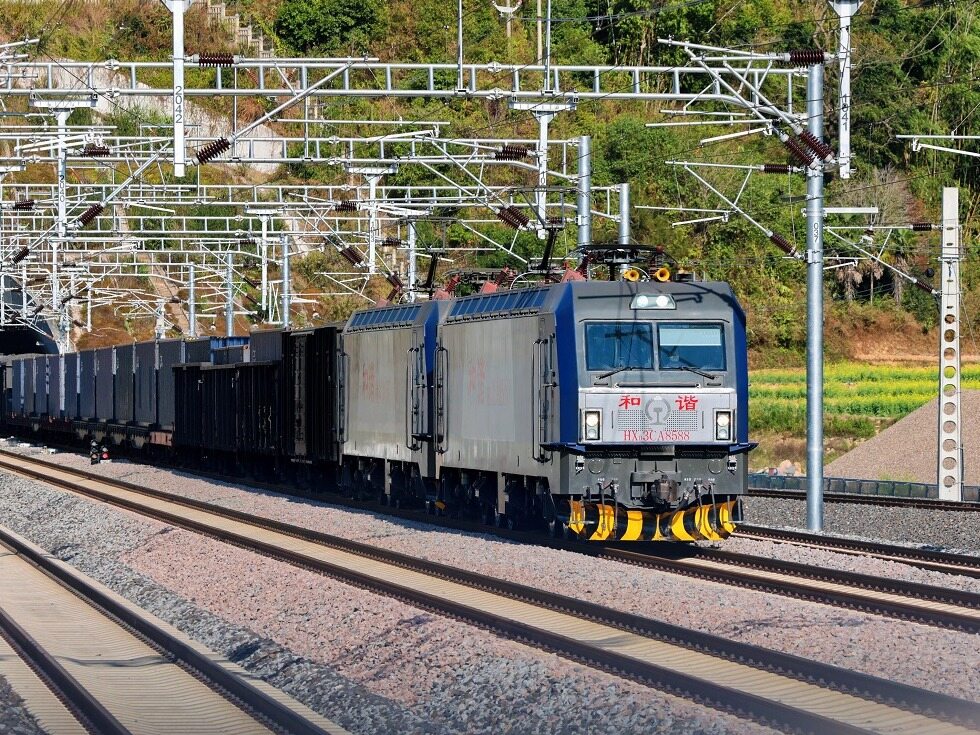
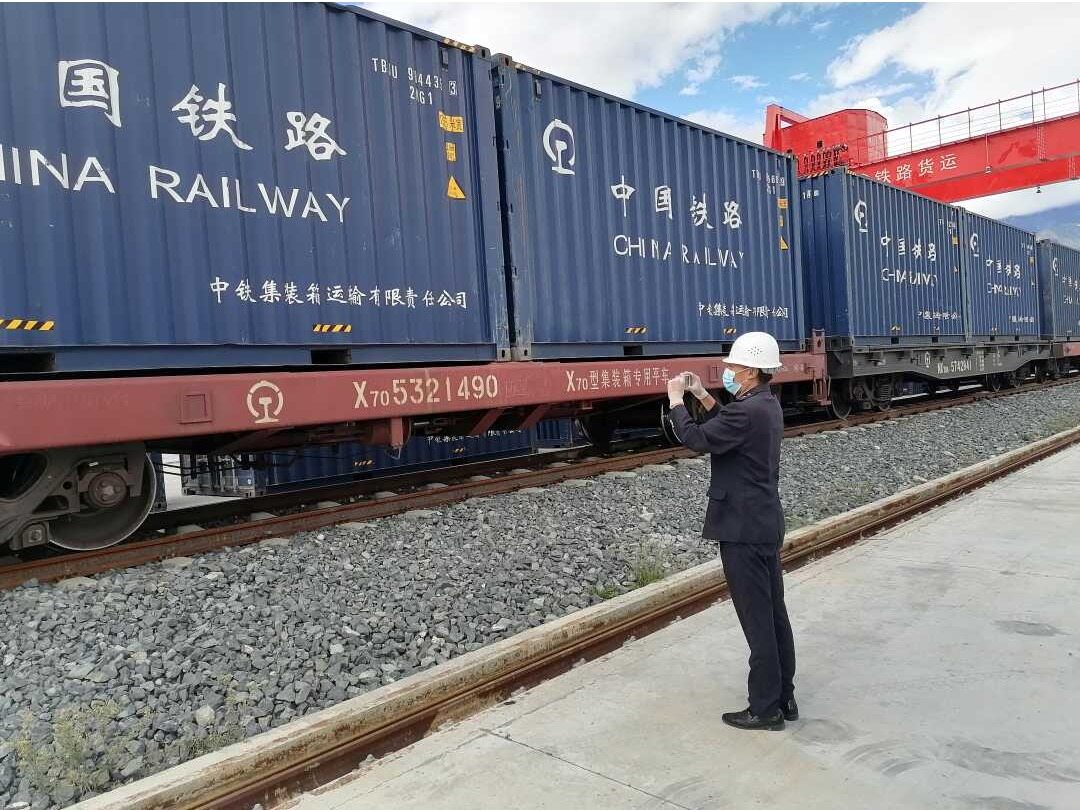
In July 2024, the opening ceremony of the first phase of the China Iran Europe railway corridor was held at the Tehran railway land port of Apurin. A freight train carrying minerals departs from Iran, passes through Kazakhstan and Turkmenistan, and arrives in China; At the same time, on July 16, 2024, the first China Iran freight train under the China Iran Europe railway corridor departed from Shaanxi Province, China to Tehran. From then on, the China Iran container train entered a quasi normal stage, with a total transportation time of about 15 days.
In May 2025, railway officials from Iran, China, Kazakhstan, Uzbekistan, Turkmenistan and Türkiye met in Tehran to promote the construction of a transcontinental railway system connecting Asia and Europe; Subsequently, the entire China Iran railway was completed, and the first freight train arrived at the Apurin Land Port in Tehran on May 24, 2025, marking the beginning of the railway's normal operation phase. Iran claims that the railway can provide a more stable alternative channel for bilateral trade in the event of maritime disruptions. Keywords: macro news and information, China Iran Railway
However, railway transportation still has limitations. Nearly 90% of Iran's exports to China are petroleum and petrochemical products or mineral products. Bulk crude oil still relies mainly on sea transportation, and railways are unable to undertake large-scale crude oil transportation functions. However, when maritime channels are limited, railways can ensure the circulation of non crude oil commodities and some high value-added goods, shorten the delivery cycle to about 15 days, and reduce dependence on maritime routes such as the Strait of Malacca. Overall, if the Strait of Hormuz is restricted for a long time, China will still face energy supply pressure, but the China Iran railway system that has been laid out for many years has become an important insurance mechanism.Editor/Gao Xue
Comment



 Praise
 Collect
 Comment

 Share
Share


Write something~