 Search


- Brazil plans to invest 17 billion Brazilian reals to build the 'Northeast South Ultra High Voltage Direct Current Corridor'
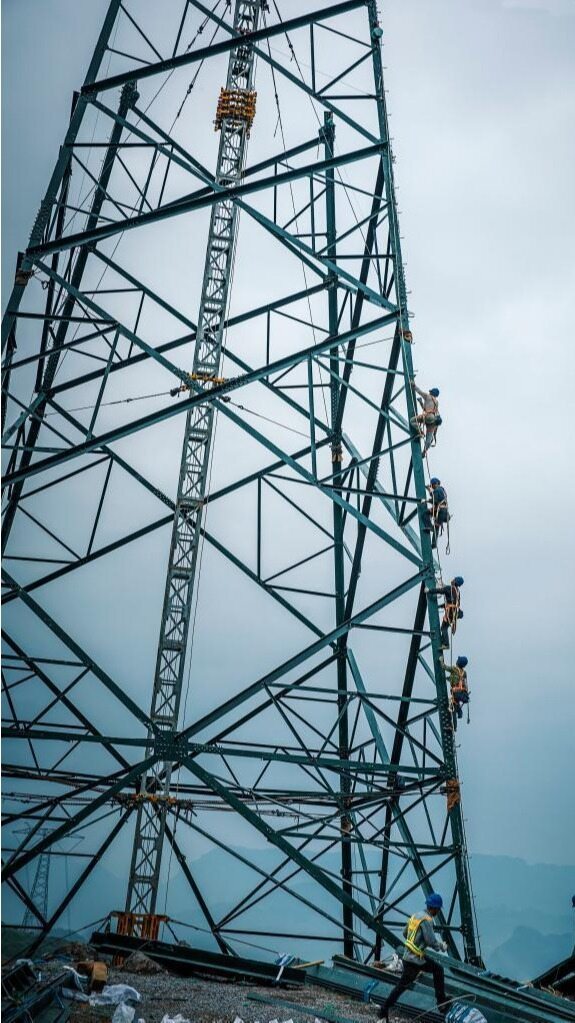
In the vast hinterland of the state of Rio Grande do Norte, strong sea winds drive the blades of giant windmills year-round. However, along with clean electricity, there is also anxiety among energy developers - due to insufficient grid transmission capacity, a large amount of green electricity cannot be sent out and can only be "abandoned" helplessly.
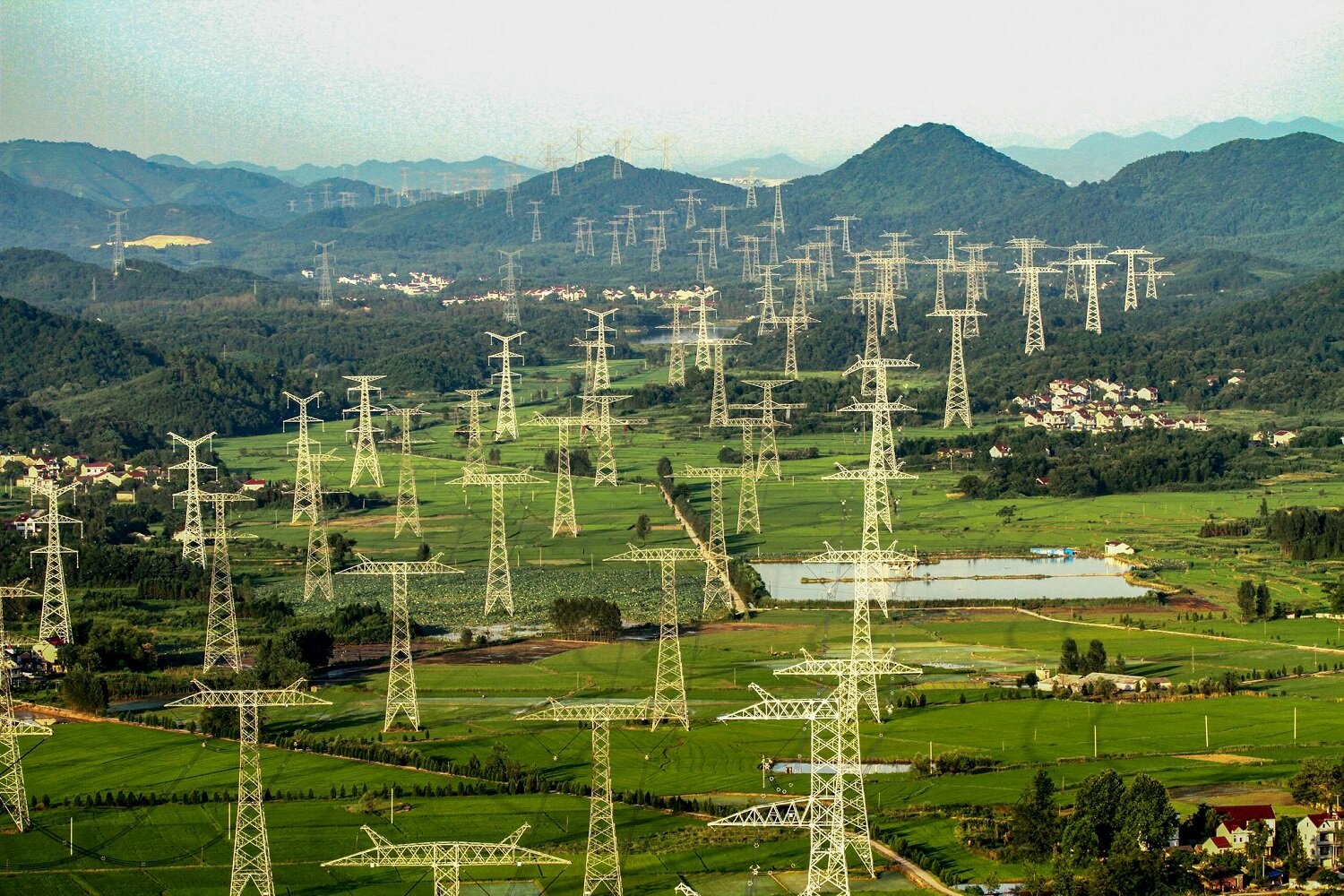
This dilemma, known as' power rationing and energy abandonment ', is about to take a crucial step towards solving the problem. Recently, the Brazilian government officially launched a large-scale ultra-high voltage direct current transmission project research using the country's first technology. This transmission artery, named the "Northeast South Ultra High Voltage Direct Current Corridor," is planned to run from Anjikus in the northeastern state of Rio Grande do Norte to Itapolica in the southern state of Paran á, with an initial budget of up to 17 billion Brazilian reals. The project is scheduled to start bidding in 2027, with its core mission being to efficiently deliver green electricity from the northeast of Brazil - the region with the greatest potential for renewable energy in the country but also the most affected by "power outages" - to load centers.
17 billion investment to solve urgent needs
The construction of this corridor directly targets the pain points of Brazil's energy transition. According to the technical and economic feasibility report submitted by the Brazilian Energy Research Company, this project will become the second most expensive transmission project in Brazilian history, second only to a transmission project that was also won by China State Grid Corporation at the end of 2023 and connects Maranh ã o and Goias states.
Behind the massive investment lies enormous economic losses. According to research by Volta Robotics, in 2025 alone, Brazil's power rationing measures due to grid constraints resulted in approximately 20% of wind and solar power generation being wasted, causing the industry a revenue loss of up to 6.5 billion Brazilian reals. Thiago Durado, the head of transmission business at Brazilian Energy Research Company, pointed out that the fundamental goal of the project is to enhance the power transmission capacity of the Northeast region, thereby reducing this "grid constrained power restriction".
The Chinese plan has attracted attention
Unlike before, this project will adopt bipolar direct current transmission technology and be combined with the first voltage source converter technology applied in Brazil. This technology solution has been validated in the European offshore wind power grid integration to more reliably integrate intermittent renewable energy sources such as wind power and photovoltaics, making it particularly suitable for the clean energy transmission scenario in Brazil.
It is worth noting that the market's attention is shifting towards overseas markets. With its absolute leading technological strength and strong financial advantage in the global ultra-high voltage field, State Grid Corporation of China is regarded as the strongest bidder for this project. In a similar project bidding in 2023, only State Grid Corporation of China provided a quotation for the overall project, demonstrating its strength and determination. Although Brazil's domestic AXIA energy company is also seen as a potential competitor, the comprehensive advantages of Chinese companies are extremely evident. If the supporting AC transmission lines are included, the total investment of the project is expected to climb to 25 billion Brazilian reals.
Not limited to engineering
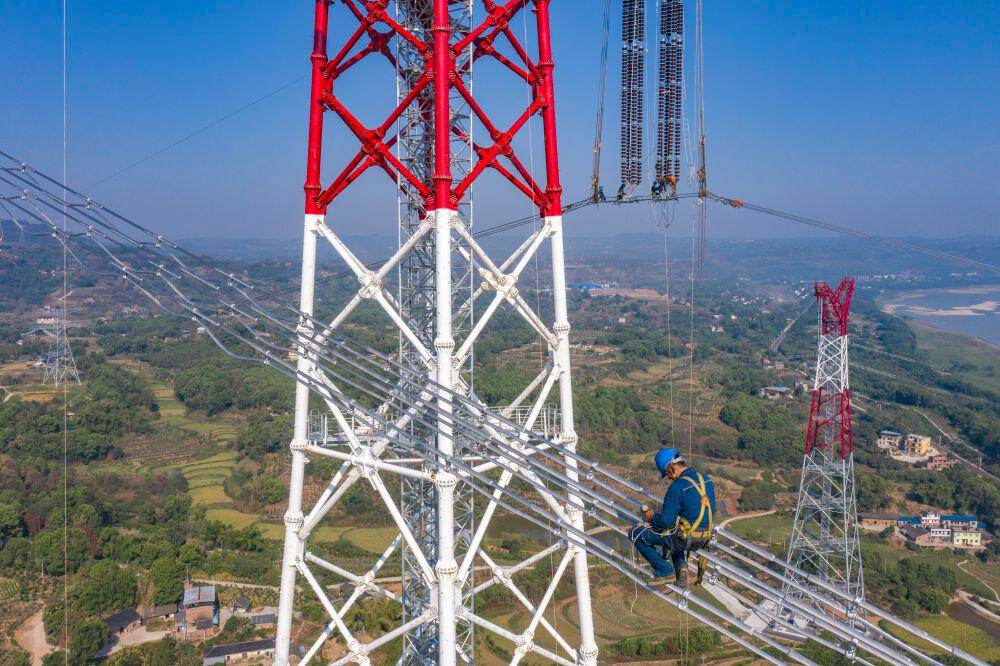
This ultra-high voltage corridor is not only a physical line, but also a key component in optimizing Brazil's national energy allocation. In addition to directly alleviating the "power shortage" problem in the Northeast region, it will also significantly enhance the ability of the southern industrial and economic center to receive national power allocation, and improve the overall resilience and economy of the power grid.
Durado remains cautiously optimistic about this, stating that "in the future, 'energy based power rationing' caused by overall electricity surplus may still exist, but the headache inducing 'grid constrained power rationing' will significantly decrease." With the advancement of a series of large-scale power transmission projects, including this plan, the phenomenon of power abandonment in Brazil's wind and solar power generation is expected to be systematically alleviated, paving the way for the country to achieve deeper energy transformation.
Nowadays, the entire industry is waiting for the final decision of the Brazilian National Electricity Authority: whether to conduct a comprehensive bidding or a segmented bidding? Regardless of the form, this massive investment project has already begun, which not only concerns the future of green electricity in Brazil, but may also become another milestone in China's journey of ultra-high voltage technology going global.Editor/Yang Meiling
Comment



 Praise
 Collect
 Comment

 Share
Share


Write something~