 Search


- Beyond infrastructure, Serbia is fully investing in AI

On March 7, 2026, Serbian President Aleksandar Vu č i ć showcased the country's rapid infrastructure development and grand blueprint to the world at the "Serbia 2030" national strategy launch conference today. Vu č i ć announced that Serbia has built 622 kilometers of highways and another 380 kilometers are under construction. In the next 18 to 19 years, the total length of highways will exceed 1580 kilometers, setting multiple records in terms of land area. At the same time, the modernization of 1219 kilometers of railways and the upgrade of the cargo center at Nis Airport are jointly building a digital and physical dual channel for Serbia's integration into the European economic circle.
Under the spotlight of the Belgrade strategic press conference, Serbian President Alexander Vu č i ć held a planning map, depicting a magnificent picture from a "transportation island" to a "European hub". On the large screen behind him, winding roads and railway lines are like blood, tightly stitching together the map of Serbia. If all these projects are completed, their significance will surpass all the development achievements of Serbia after World War II, "said Vucic emotionally

road network
The construction of highways in Serbia is advancing at an unprecedented speed. According to data released by Wu Qiqi, 622 kilometers of highways and expressways have been built nationwide, of which 596 kilometers have been completed. What's even more exciting is that another 380 kilometers of "under construction army" is in full swing.
Rise of the East: In eastern Serbia, the Golubac Doni Milanovac Brzaparanka project will connect four municipalities: Golubac, Majdanpek, Negotin, and Kradovo. Among them, a 29 kilometer highway will be built from Burzaparanka to Negotin, completely changing the transportation pattern in the eastern region.
Western Connection: In southwestern Serbia, the Kraljevo Lashka Novi Pazar Yalinje corridor will extend to Mitrovica, Kosovo. At the same time, the construction of the section from Kragujevac to Mrchayevzi (36.5 kilometers) will connect Kragujevac and Shumadia center with the "Milos Velyki" highway.
Core artery: The highly anticipated "Vo ž d Kara đ or đ e" highway plan will be constructed in two phases, ultimately connecting the 10th highway corridor and making the northern region of Shumadia an elite area in Serbia.

Railway and Airport
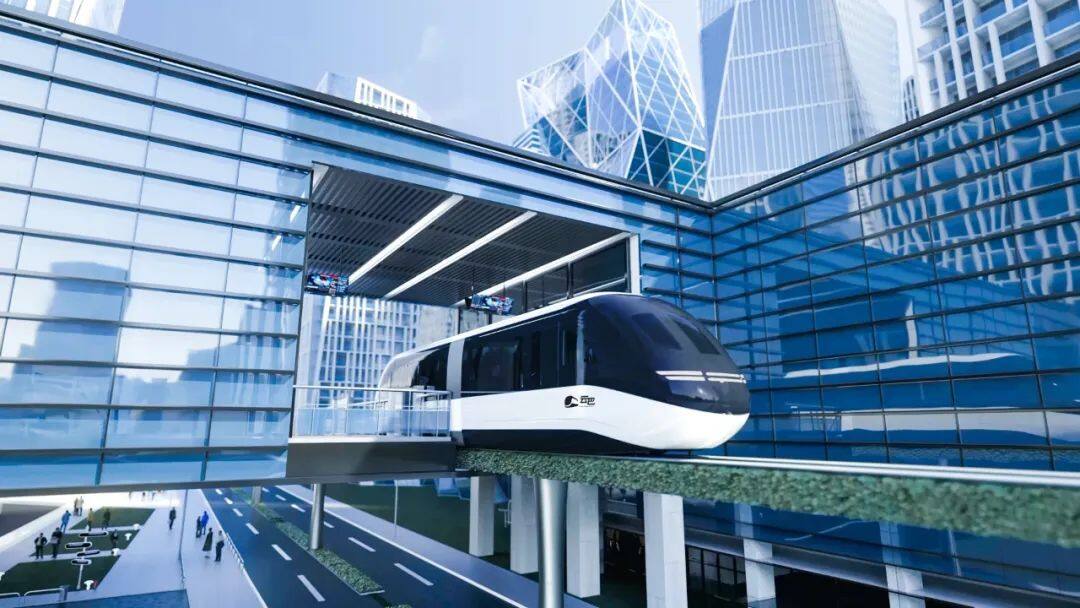
In addition to the rapid development of highways, Serbia's railway and aviation networks are also undergoing a profound modernization revolution.
Railway artery: Vucic announced that Serbia plans to build 1219 kilometers of railway. Among them, the Belgrade Ni š railway line (connecting Subotica, Novi Sad, and Belgrade) will achieve a leap in train speeds of 160-200 kilometers per hour. The modernization of the Nis Dimitrovgrad railway (86 kilometers) will strengthen the cross-border connection between Serbia and Bulgaria.
New Freight Hub: In the aviation sector, Vucic announced a huge investment in Nis Constantine the Great Airport, originally planned to invest 200 million euros, with at least 80 million euros in the first phase. In the future, Nis Airport will be positioned as Serbia's main cargo hub and allow low-cost airlines to have more access, increasing the number of flights and destinations, benefiting citizens.
digital infrastructure
Beyond physical infrastructure, Wu Qiqi turned his attention to the digital world. He profoundly elaborated on the decisive significance of artificial intelligence for national development: "Artificial intelligence is becoming a factor of production, and the economic performance of countries is increasingly dependent on energy, computer capabilities, data and its availability, and automation
Computing power base: Serbia will build two new national data centers in Ni š and Novi Sad by 2030, and significantly expand existing data centers in Belgrade and Kragujevac. The goal is to increase the total power of national data centers to 1 gigawatt (2035) and build a national supercomputer.
Language sovereignty: Serbia is developing a Serbian language model to ensure consistency in Serbian language, alphabet, and culture in the era of artificial intelligence. This model will bring better electronic services, more intelligent learning and higher efficiency of institutions.

Wu Qiqi concluded that infrastructure construction is not only related to convenient transportation, but also to people's quality of life, economic development, and national competitiveness. The "Serbia 2030" strategy regards infrastructure construction as the core pillar of national development, laying a solid foundation for future artificial intelligence, digital economy, and technological innovationEditor/Yang Meiling
Comment



 Praise
 Collect
 Comment

 Share
Share


Write something~