 Search


- The blockade of the Strait of Hormuz has caused Iraq's storage tanks to become saturated, resulting in losses of up to 3 million barrels
Iraq has begun to shut down the production of its largest oil field, and crude oil storage tanks are becoming saturated. If the blockade of the Strait of Hormuz continues, the country's daily production loss may reach up to 3 million barrels, equivalent to two-thirds of its total production capacity.
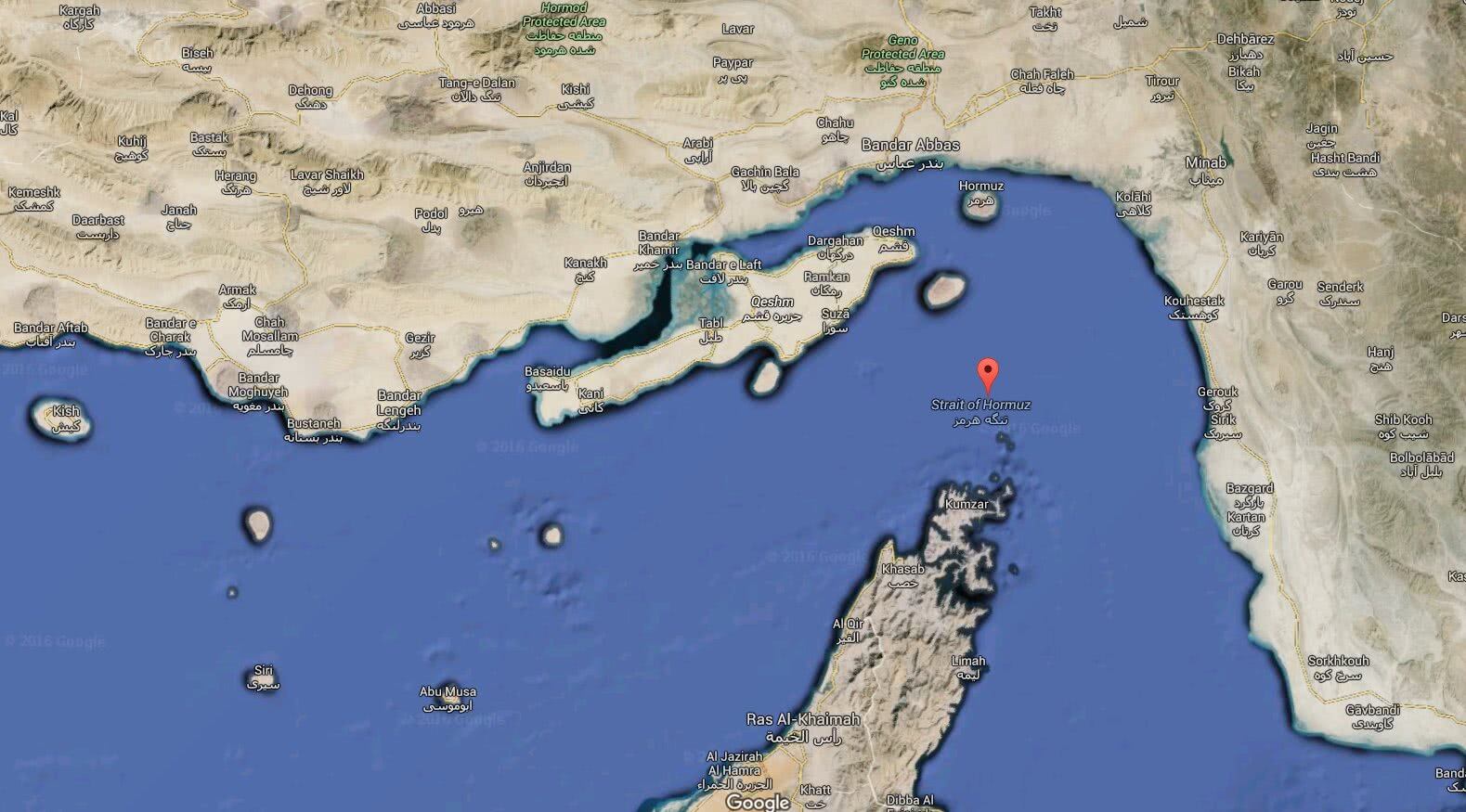
According to CCTV News, on March 3, 2026 local time, the Iraqi Ministry of Oil issued a statement stating that due to the closure of the Strait of Hormuz, international shipping was interrupted, oil tankers were blocked from entering the waters of the Persian Gulf, and there was a shortage of oil tankers in southern Iraqi ports. The southern giant oil field of Rumaila announced the suspension of production. In addition, affected by the regional situation, the Kurdish Autonomous Region in northern Iraq announced on March 3 that it would suspend the export of oil from the Iku region to the Port of Ceyhan, Türkiye.
The impact of this crisis is no longer limited to Iraq. Iran's retaliatory strikes against the Middle East have affected multiple energy infrastructure facilities, with Saudi Arabia shutting down its largest refinery and Qatar suspending production of the world's largest liquefied natural gas export facility following drone attacks. The substantial blockade of the Strait of Hormuz is pushing the energy market towards comprehensive tension.
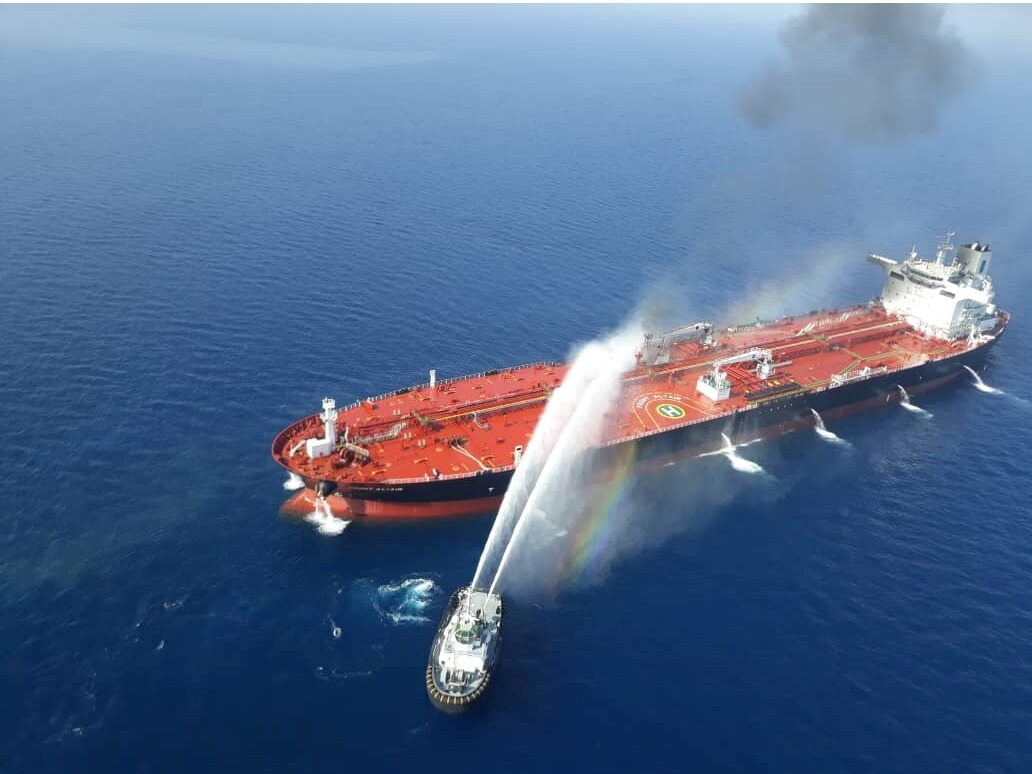
The Rumaila oil field is jointly operated by BP, the Iraqi government, and PetroChina, a subsidiary of China National Petroleum Corporation. It is one of the largest oil fields in the world. BP data shows that the daily production of the oil field exceeded 1.4 million barrels in 2024, compared to approximately 1.2 million barrels at the beginning of last year. The daily production of Xigulna No.2 oilfield is close to 500000 barrels.
When the Strait of Hormuz becomes practically impassable and the number of ships entering the Persian Gulf sharply decreases, oil producing countries' onshore storage tanks will quickly fill up, forcing production cuts to become the only option. The Strait of Hormuz is a key waterway for Middle Eastern oil producing countries to transport crude oil to the global market, and the recent Iran conflict has almost closed the waterway.
Iraq's export difficulties are not limited to the southern oil fields. According to Bloomberg, citing insiders, Iraq's semi autonomous Kurdistan region has suspended crude oil exports to Türkiye's Ceyhan Port, and this northern export channel has also been suspended. Keywords: New developments, Strait of Hormuz blockade
The pipeline route for Kurdistan's export via Türkiye was previously considered as an alternative to bypass the Strait of Hormuz. Now the synchronous interruption of the channel means that almost all major export channels of Iraq have been blocked, and the country's crude oil exports have almost come to a complete halt.Editor/Gao Xue
Comment




 Praise
 Collect
 Comment

 Share
Share


Write something~