 Search


- State Grid Fujian Electric Power reduces the proportion of ecological red line crossings to 16.3%
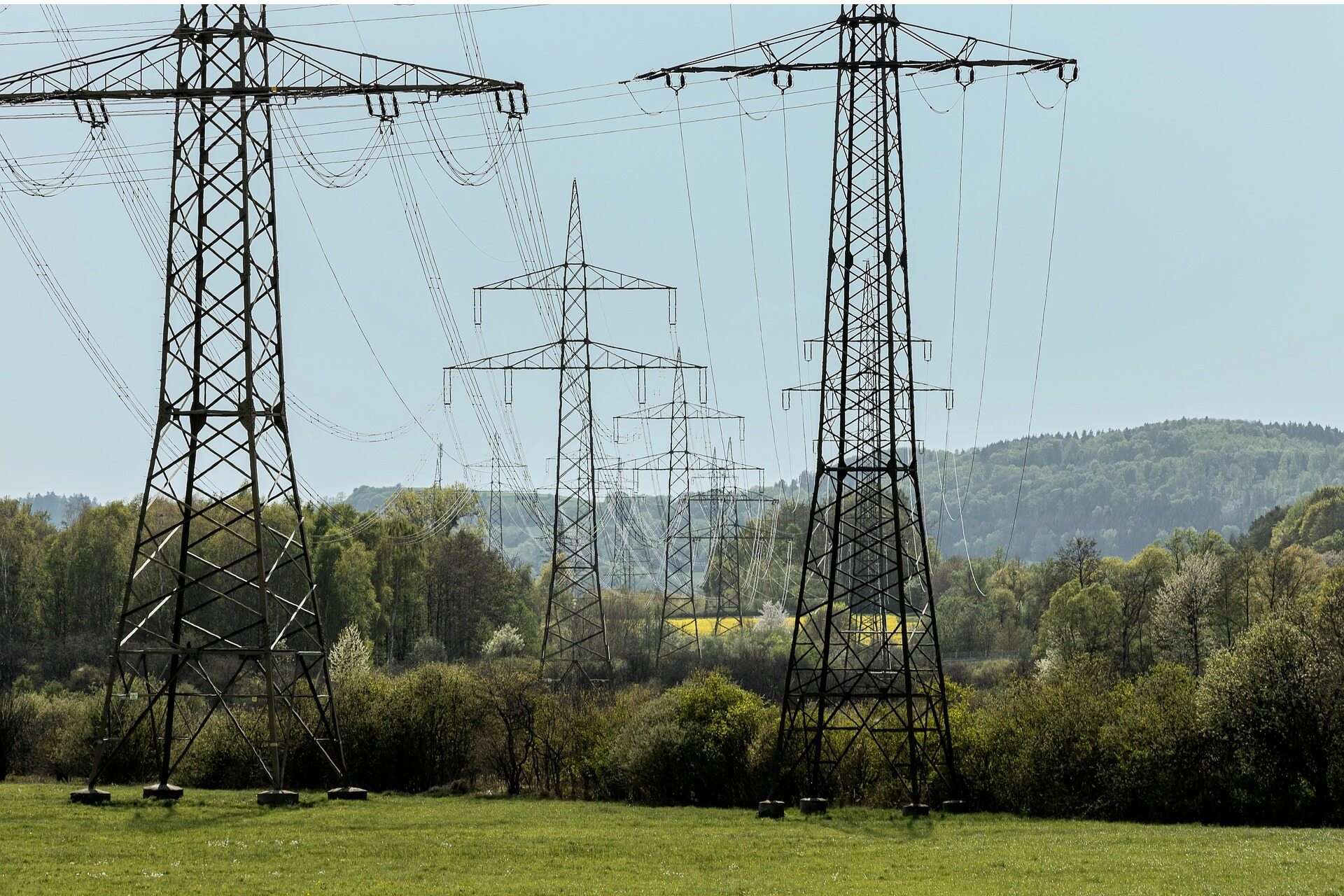
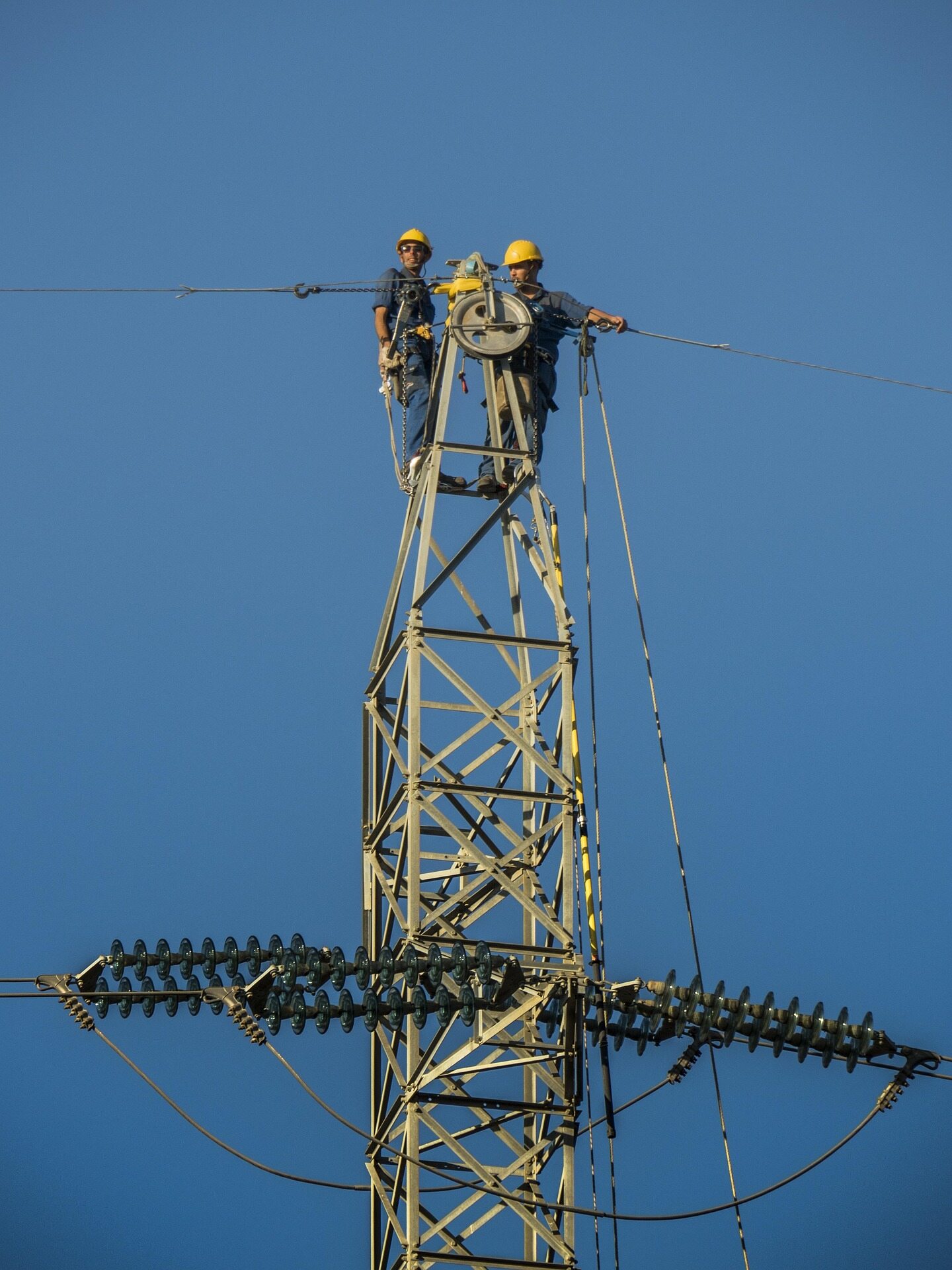
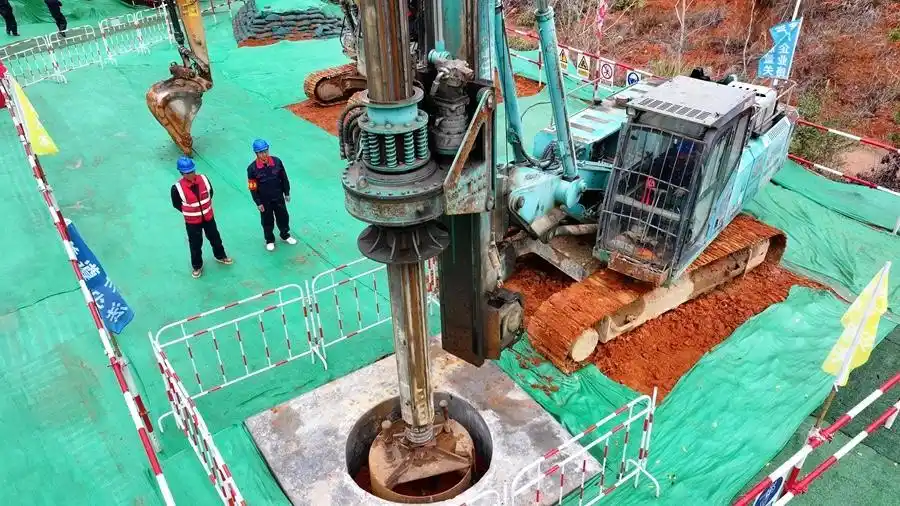
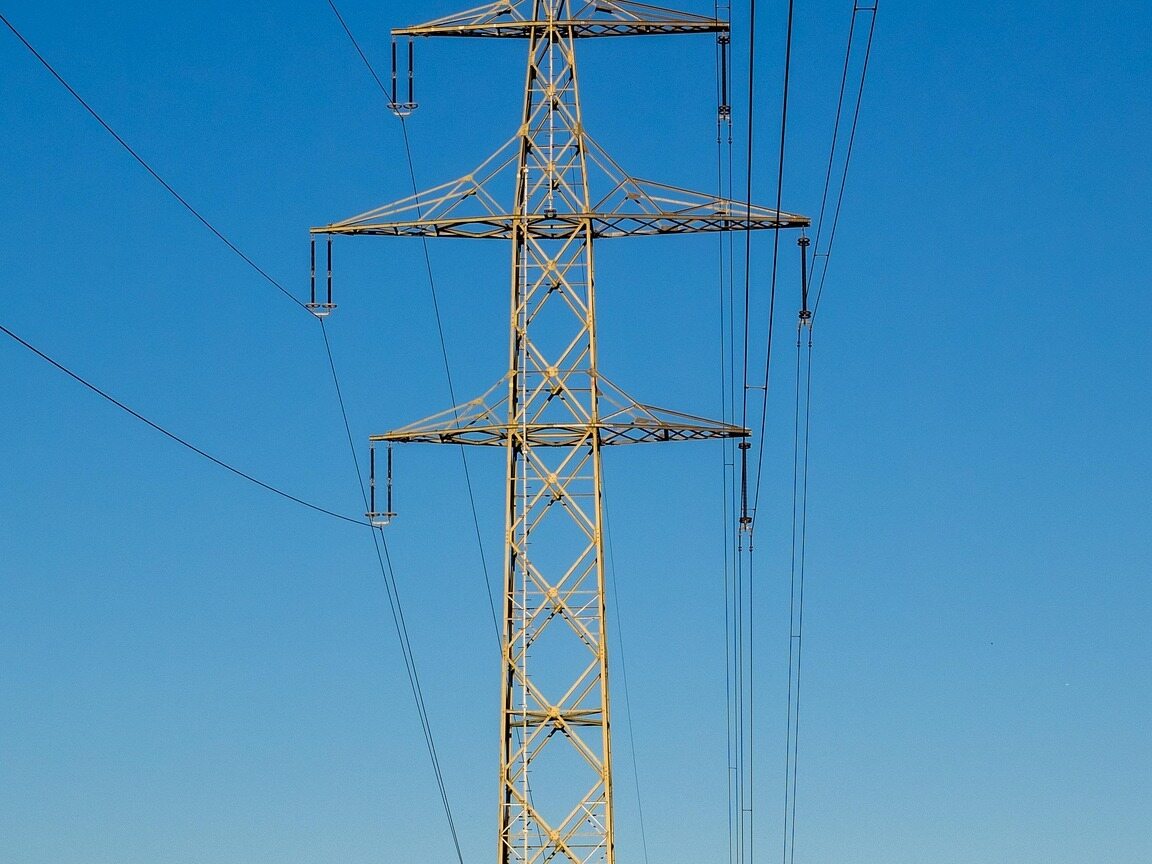
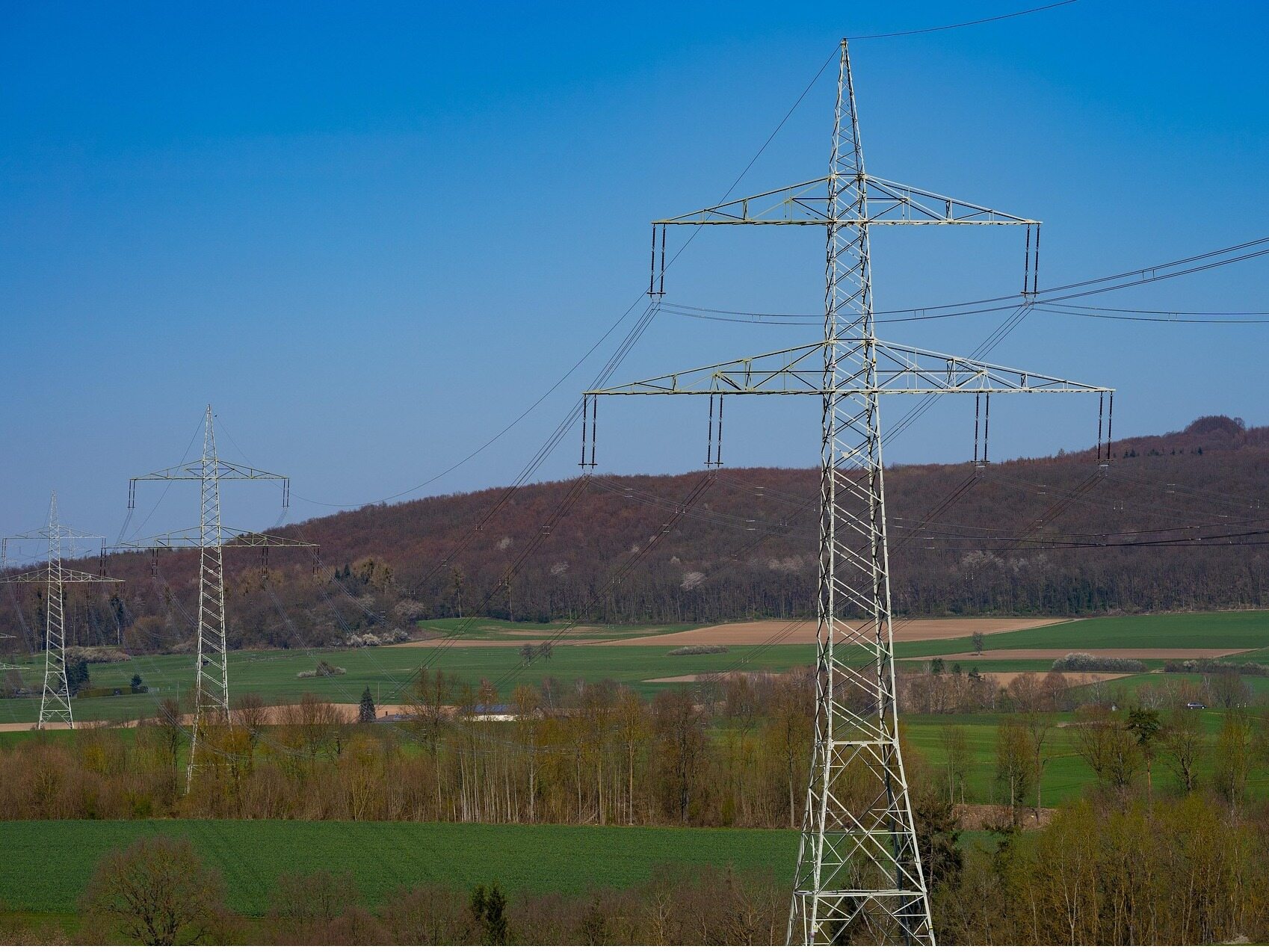
On March 10, 2026, the first excavation of the L032 foundation of the Fujian Jiangxi Back to Back Networking Project (Fujian side) started in Changting County. As a key cross regional project approved by the National Development and Reform Commission, the Fujian section starts from the under construction 500 kV Tingzhou substation and ends at the border between Fujian and Jiangxi provinces, with a total length of about 99 kilometers. 239 new iron towers will be built, and it is planned to be put into operation in 2027. The core objective of the project is clear: to expand the peak shaving space, enhance the disaster prevention and relief mutual assistance capabilities between the two provinces, increase the bidirectional power transmission capacity of 3 million kilowatts, directly guarantee the demand for electricity, and drive the economic development of the former county mayor of the Central Soviet Area, Ting.
Drones assist in rapid reconnaissance
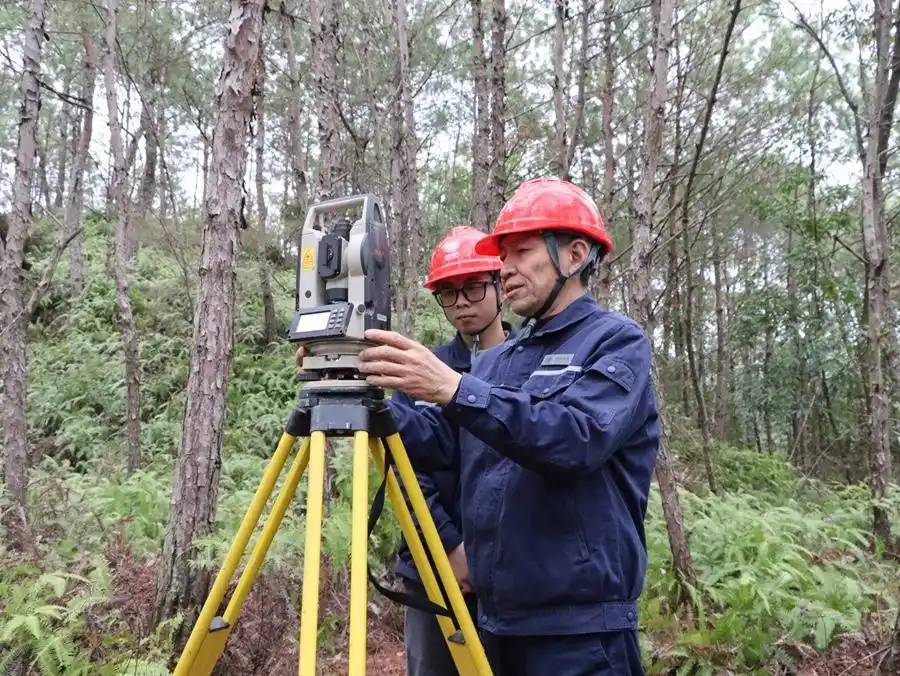
Environmental protection is a hard indicator in the early stage of engineering. In the feasibility study stage, State Grid Fujian Electric Power and the Water Resources Department optimized the route and reduced the length of the ecological red line crossing in the Fujian section from the original design of 35.5 kilometers to 17.1 kilometers, reducing the crossing ratio from 36.3% to 16.3%. Entering the tower site re survey phase, four specialized teams used a combination of drones and manual methods to complete the geological, vegetation, and red line verification of all 239 tower sites in just 15 days, saving time for subsequent construction deployment. Keywords: networking engineering, kilovolt substation
Stone mountains can also be rejuvenated
The forest coverage rate of Longyan exceeds 75%, and 38 tower locations involve ecologically sensitive areas, making green construction the key. In response to the transportation difficulties in forest areas, the project plans to use drones to transport sand, gravel, and cement to more than 100 tower positions, and to use 500kg drones to lift tower materials for 20 iron towers, without the need to open access roads or cut down trees. In addition, more than 50 tower positions will be transported by cableway to solve the problem of rainy season. To restore the ecology, the project fully applies self-developed infrastructure green vegetation restoration technology, which can achieve over 90% vegetation coverage even in rocky areas lacking topsoil, significantly shortening the growth cycle.Editor/Cheng Liting
Comment

 Praise
 Collect
 Comment

 Share
Share


Write something~