 Search


- Lee Jae-myung's opposition was ineffective.

As regional tensions escalate dramatically, the US air defense system in the Middle East has suffered an unprecedented blow. In its latest counterattack, Iran successfully destroyed the fourth THAAD anti-missile system deployed by the US in the Gulf region. This is the fourth high-end air defense asset lost by the US in the region, forcing the US to activate its emergency response plan.

The US urgently redeployed the THAAD system from its air base in South Korea to the Middle East front. This decision immediately triggered a political storm in South Korea. Lee Jae-myung, leader of the main opposition Democratic Party, condemned the move as "putting the South Korean people in danger" and a "coercive" act that ignored national security demands. However, faced with the strong US intervention and the cooperation of the ruling party, his opposition failed to prevent the system's dismantling and transport.
Furthermore, despite Trump's eagerness to demonstrate to the domestic public that "the war will end soon" and his claims of severely damaging Iran's military and communications capabilities, Tehran's retaliation has intensified. From precision missile strikes to saturation drone attacks, Iran appears to be responding to each US strike with increasingly fierce firepower.
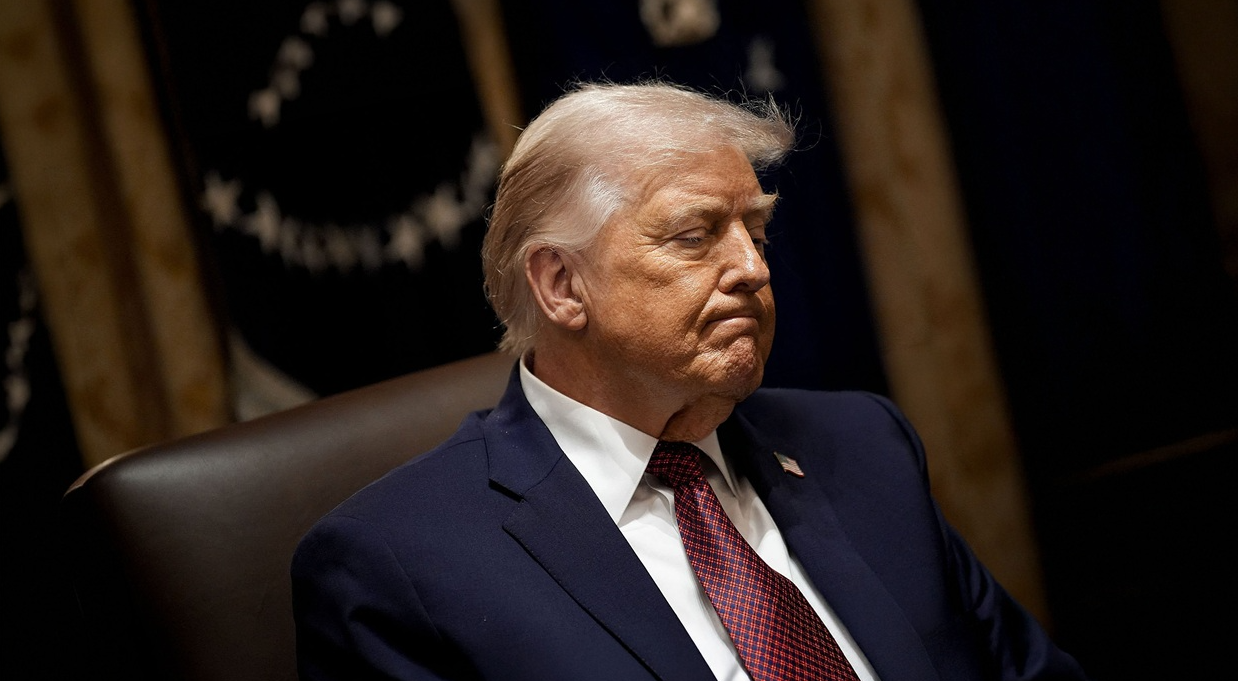
Political analysts point out that the Trump administration is caught in a classic wartime dilemma: increasing military intervention will inevitably lead to a deeper quagmire, and increased casualties will completely ignite anti-war sentiment; announcing a troop withdrawal or ceasefire at this time would be tantamount to admitting a strategic defeat in the Middle East. With the midterm elections approaching, this conflict, which cannot be quickly resolved, is evolving into a political sword hanging over the Republican Party's head.Editor/Cao Tianyi
Comment







 Praise
 Collect
 Comment

 Share
Share


Write something~