 Search


- China's cross-border e-commerce has ushered in significant institutional opening-up benefits
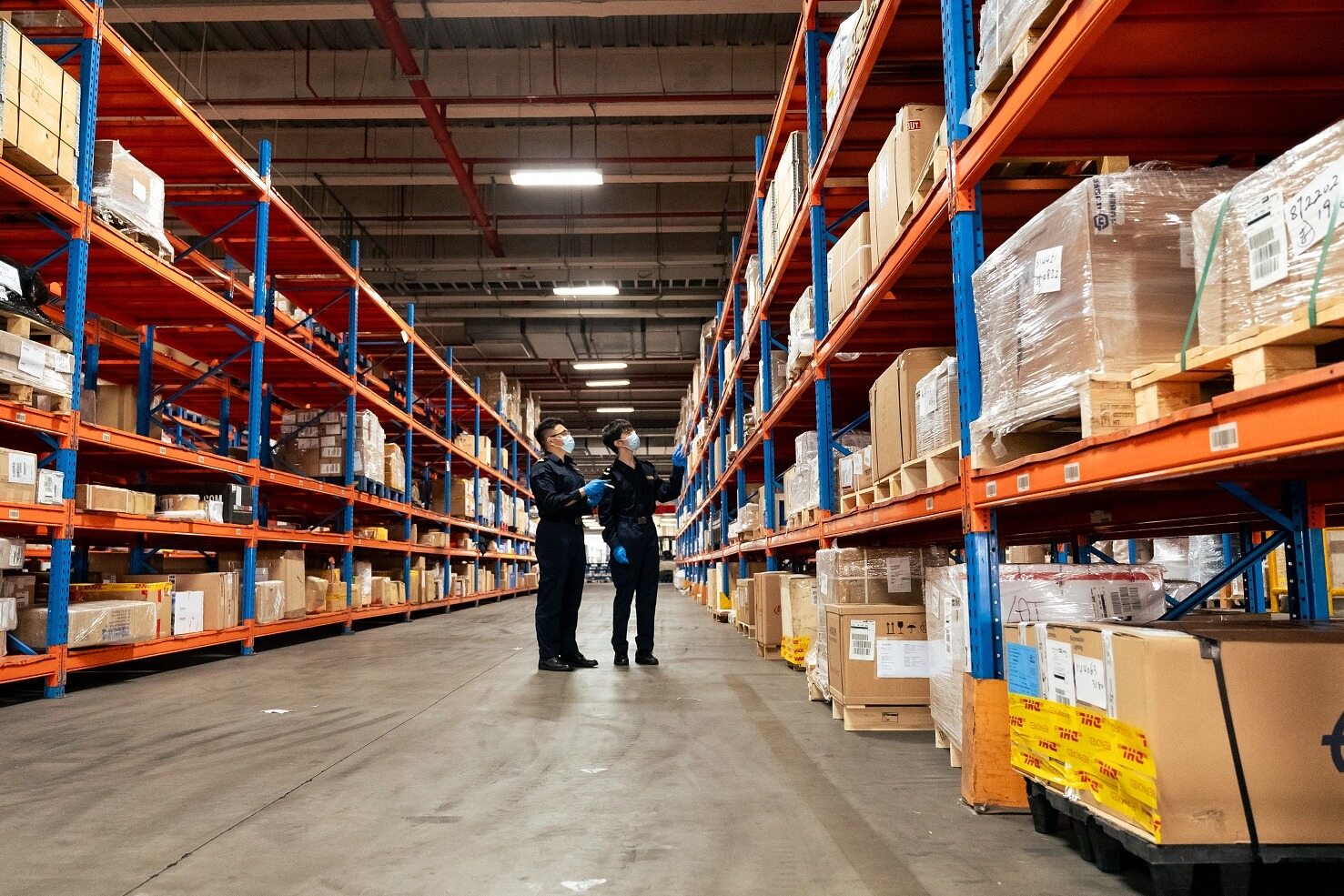
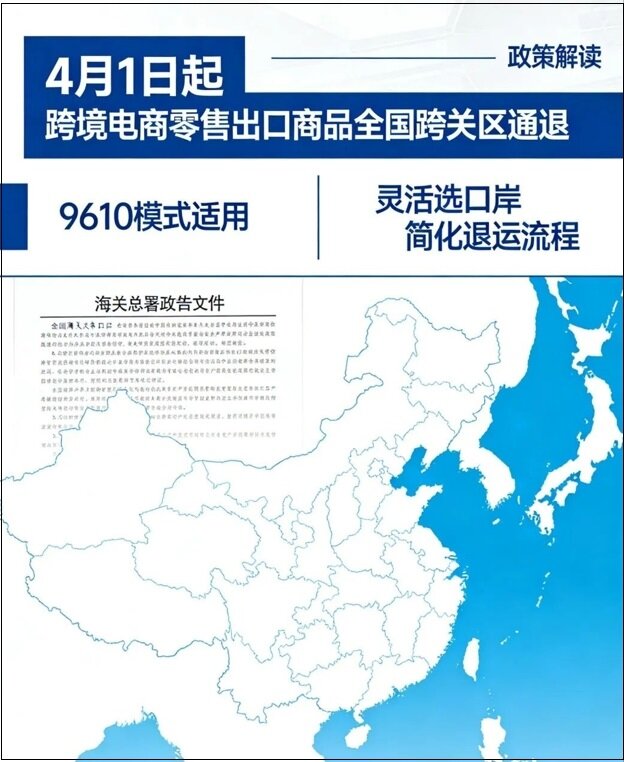
At the key node of the the Belt and Road Initiative towards high-quality development, China's cross-border e-commerce ushered in a major institutional opening. The General Administration of Customs has announced that from April 1, 2026, the cross customs return mode will be promoted nationwide among customs. This measure is not only the reform of customs clearance facilitation, but also the opening of capillaries for the trade artery connecting China and the countries along the the Belt and Road.
For a long time, the difficulty of returning goods for cross-border e-commerce exports has been a persistent problem that hinders Chinese manufacturing from deepening its overseas market. Especially in emerging markets along the the Belt and Road, such as Southeast Asia and Central and Eastern Europe, because of high logistics costs and long cycle, the cost of returning a commodity often exceeds the value of the commodity itself, resulting in a large number of returned products that can only be discarded, which not only causes economic losses, but also affects international reputation.
This new policy precisely solves this pain point: for the 9610 mode export goods, the original return restriction will be lifted, and enterprises can flexibly return goods at any port in the country. Data shows that during the pilot period from December 2024 to the end of 2025, 20 customs offices including Beijing, Shanghai, and Chengdu have cumulatively processed cross-border return shipments worth over 8.5 billion yuan, saving enterprises about 30% of logistics costs. After nationwide promotion, it is expected to reduce the burden on the industry by more than 15 billion yuan per year, and the return cycle will be compressed from an average of 45 days to within 15 days.
What is more noteworthy is that this policy, together with the recently introduced tax incentives for return shipments by the Ministry of Finance, forms a policy combination fist, building a low-cost and high-efficiency after-sales safety net for export enterprises. This will not only improve the shopping experience of consumers along the the Belt and Road, but also support enterprises to establish an integrated after-sales center of return, transfer and sales overseas through a perfect reverse logistics system, and quickly transfer returned goods to overseas warehouses for secondary sales. Keywords: the Belt and Road, cross-border e-commerce
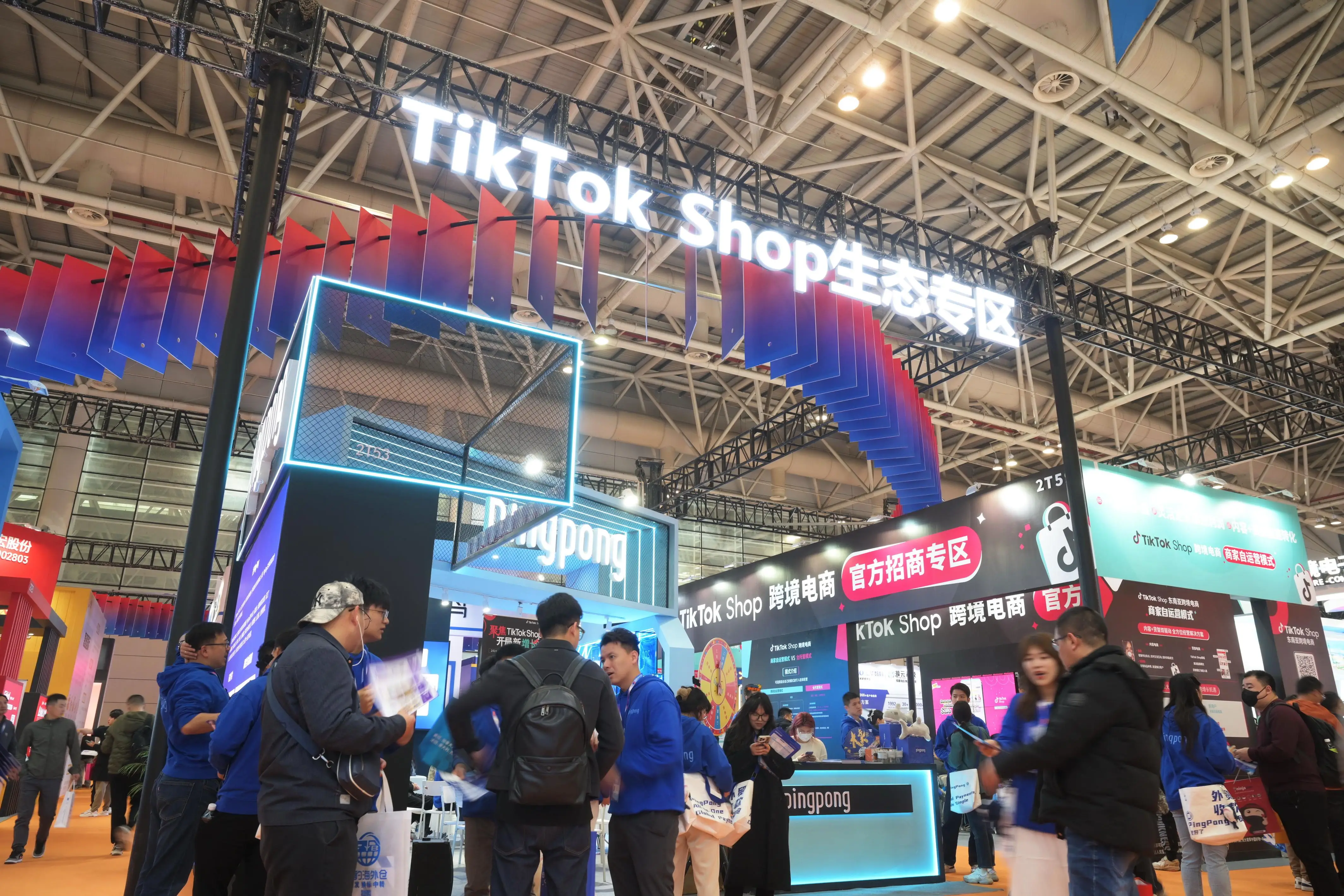
As a new engine of foreign trade growth, cross-border e-commerce has accounted for nearly 40% of China's total imports and exports to countries along the the Belt and Road. The implementation of this new policy marks that China is adopting a more open regulatory posture to provide Chinese solutions for global trade facilitation, making the Digital Silk Road wider and wider.Editor/Cheng Liting
Comment






 Praise
 Collect
 Comment

 Share
Share


Write something~