 Search


- Focusing on the photovoltaic market in Central and Eastern Europe, Tongwei TNC 3.0 helps users stabilize and generate more electricity
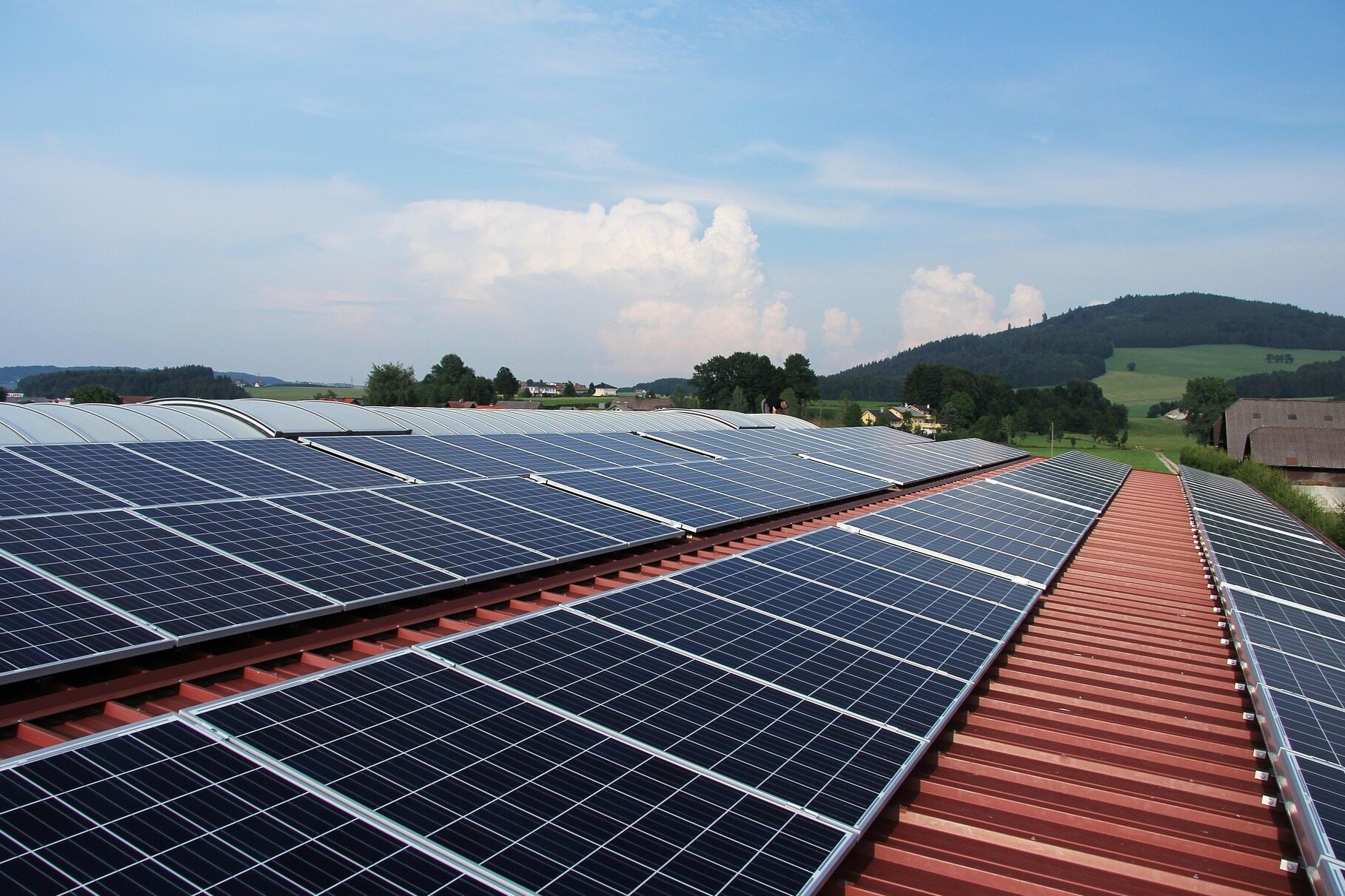
In recent years, Poland has become one of the fastest-growing photovoltaic markets in Europe. According to IEO data from the Polish Renewable Energy Research Institute, distributed and commercial photovoltaic projects have maintained steady growth in the context of ongoing energy transition.
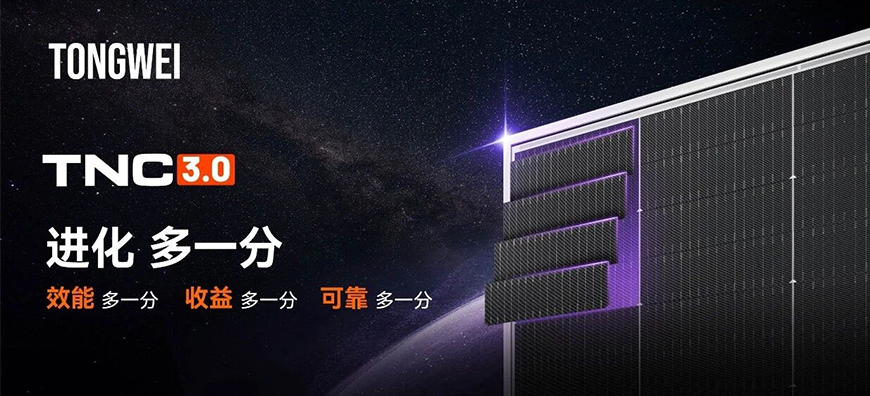
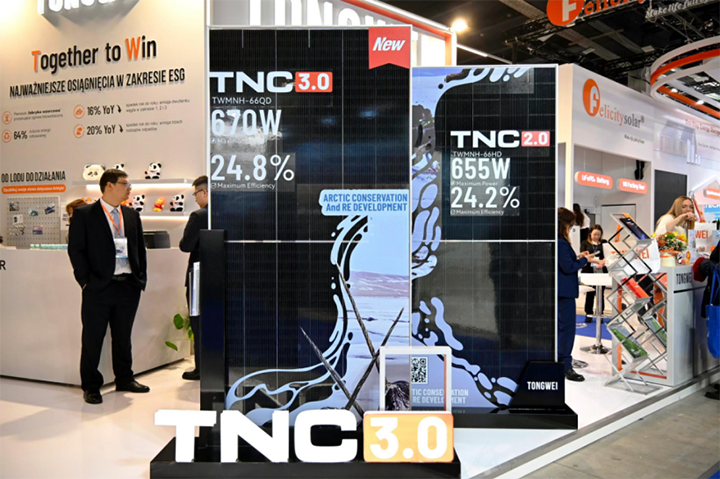
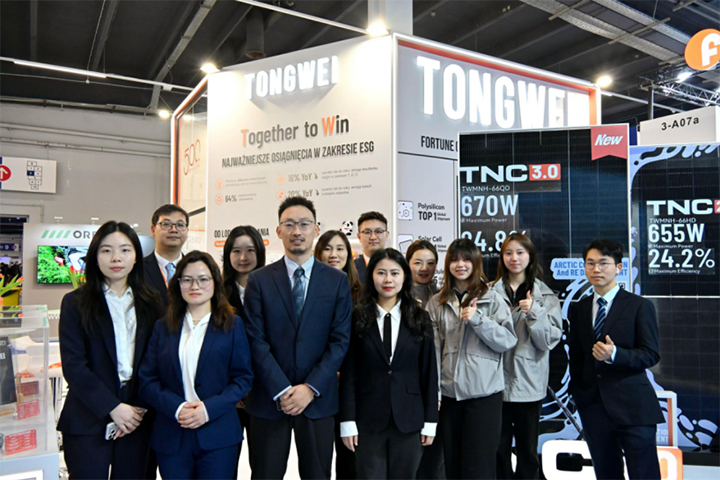
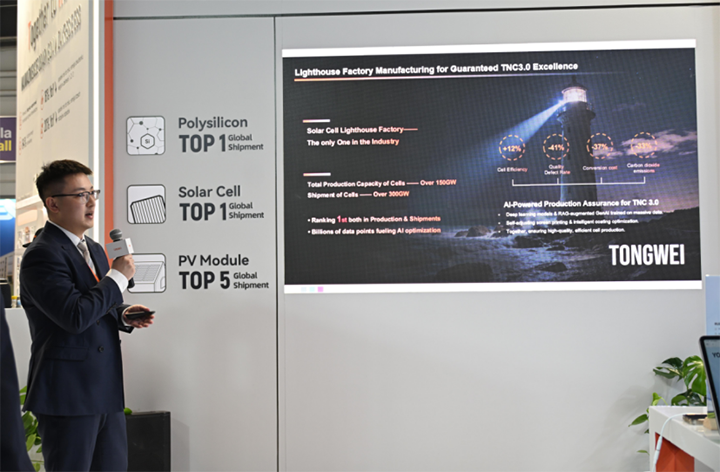
In this market context, in addition to component efficiency, long-term reliable operation capability is becoming a core indicator that Eastern European developers and end-users are paying more attention to. In response to this demand, Tongwei showcased multiple efficient components such as TNC 3.0 at the ENEX New Energy Exhibition, exploring the diverse application value of photovoltaic technology with European partners, and providing industry solutions with comprehensive advantages of high quality and high power generation.
Building product reliability through structural design
In the TNC 3.0 product promotion segment, Tongwei elaborated on the design concept of the new generation components in detail. Compared to simply pursuing parameter improvement, TNC 3.0 focuses more on the stable performance of components in real-world scenarios, which is also a key consideration when purchasing components in the Polish and Central and Eastern European markets.
Firstly, there is a comprehensive optimization of the component structure. TNC 3.0 adopts a four piece design, which diverts the originally concentrated current to more paths, effectively reducing the current carrying capacity of a single battery and making the internal current distribution of the components more balanced. Compared with traditional TOPCon half chip components, internal heat loss can be reduced by about 75%, further improving the efficiency of light energy conversion.
In response to the transportation, installation, and climate characteristics of the Polish market, long-distance land transportation, roof installation scenarios, and complex wind and snow weather all place higher demands on component performance. The TNC 3.0 is equipped with a flexible buffer layer for battery cells, greatly reducing the risk of component cracking. At the same time, the four piece structure can reduce the impact range caused by hidden cracks to 50% of the original, ensuring that the components can still output stably in harsh environments such as wind and snow. Keywords: Polish photovoltaics, Tongwei modules, multi power generation
During actual operation, local occlusion is difficult to avoid. The frequent autumn leaves, bird droppings, and dust in Poland may have a short-term impact on component power generation. TNC 3.0 adopts a bidirectional dual path circuit design, which can maintain the normal operation of components when local batteries are obstructed, ensuring users' continuous and stable power generation income.Editor/Gong Ziwei
Comment




 Praise
 Collect
 Comment

 Share
Share


Write something~