 Search


- After rejecting the BNPP dream for forty years, the Philippines has finally made its heaviest investment in energy transition
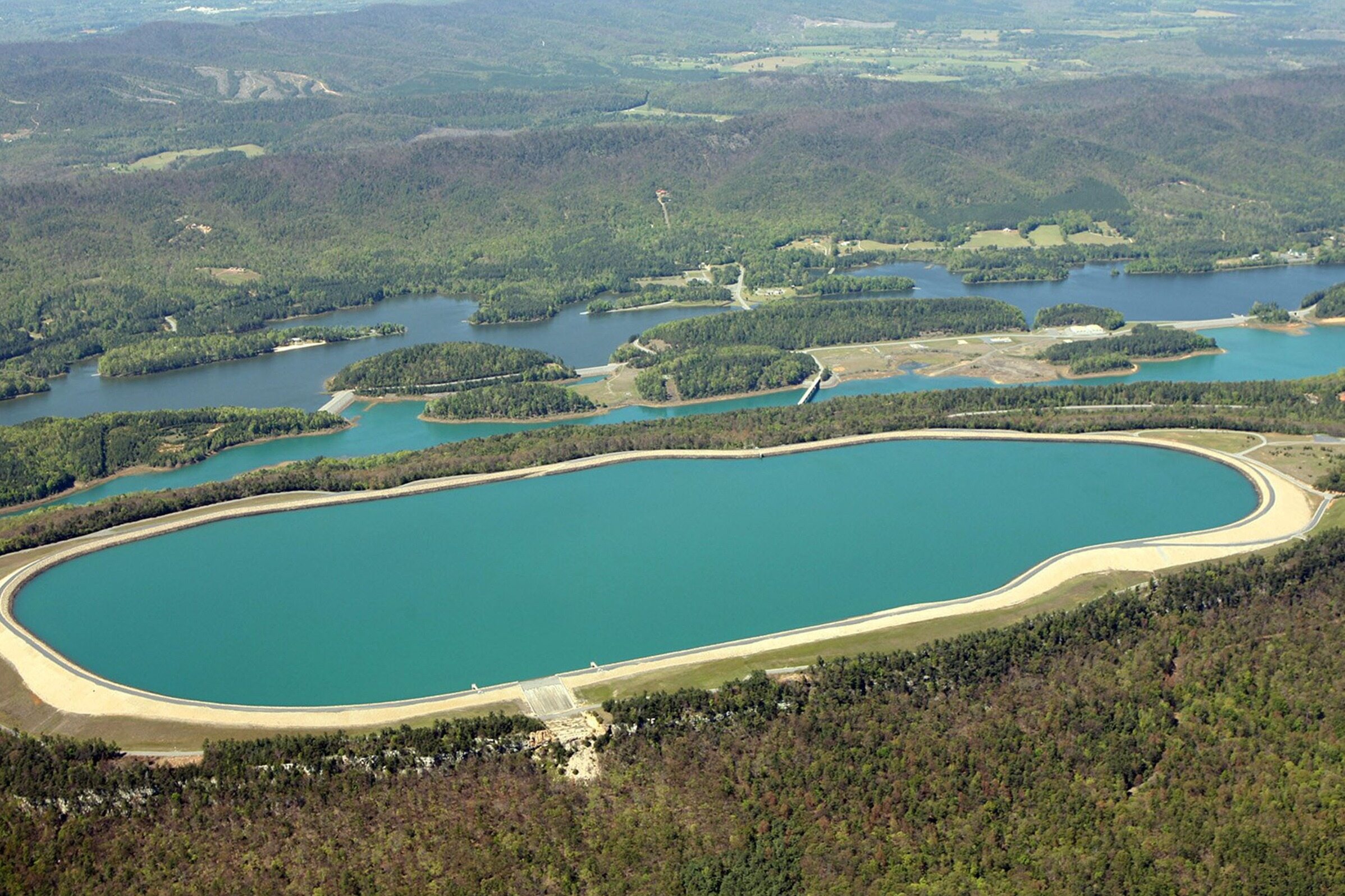
On the energy map of Southeast Asia, a race for giant batteries is quietly accelerating.
When the world is watching lithium battery energy storage stations, the Philippines has chosen a more traditional but grander path - pumped storage. Recently, a huge financing of 273.5 billion Philippine pesos, about 5 billion US dollars, was landed, which not only broke the scale record of hydropower and energy storage projects in Southeast Asia, but also marked the fast forward button for energy transformation in this country that has long been plagued by power shortages.
This is not only a feast for capital, but also a convergence of technology and history.
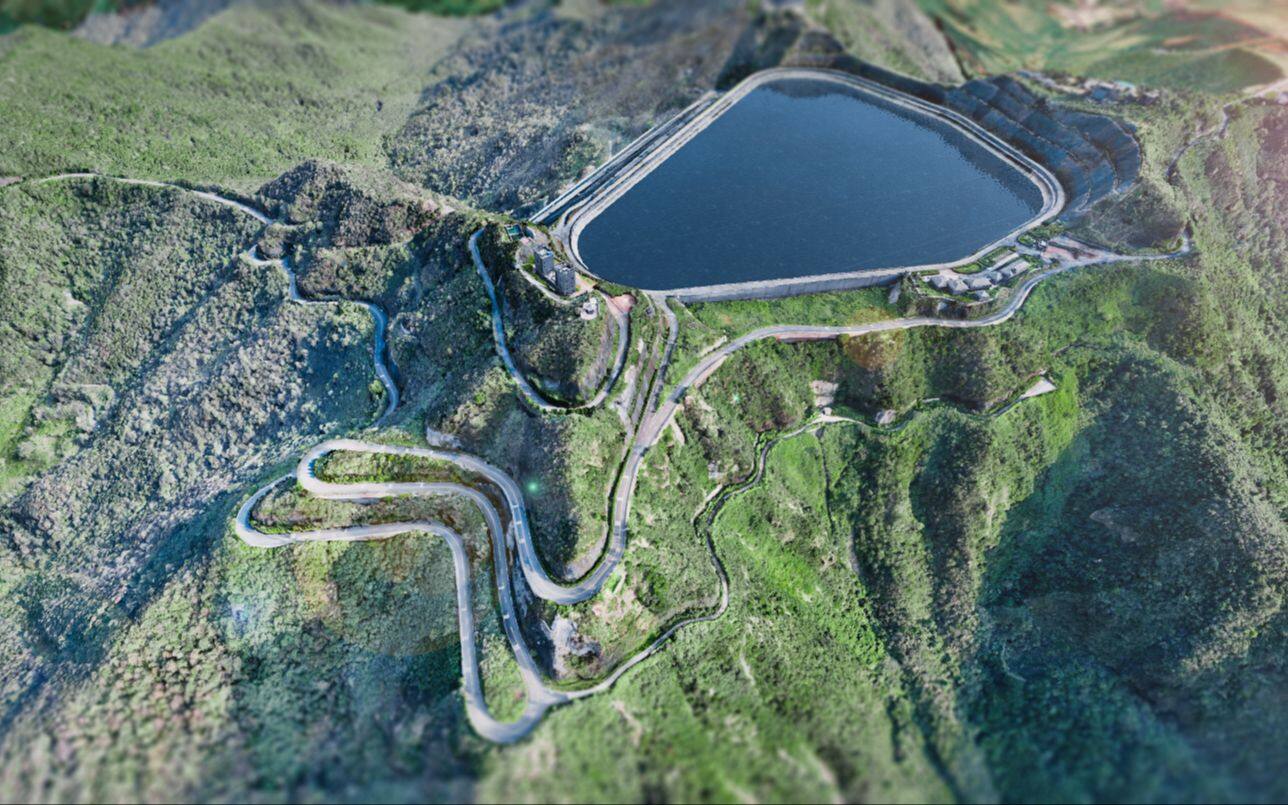
A $5 billion gamble
The protagonist of this sky high financing is Prime Infrastructure Capital Inc., controlled by Filipino billionaire Enrique Razon Jr.
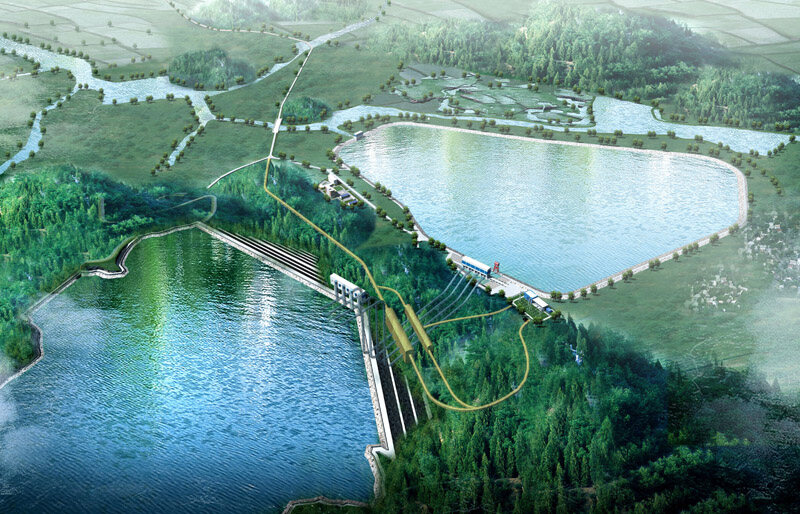
The flow of funds is very clear: constructing a 1400MW Pakal pumped storage project in Laguna Province and a 600MW Wawa pumped storage project in Rizal Province. These two projects are not only listed as assets of national importance by the Philippine government, but also one of the largest investments in energy infrastructure in the country to date.
This is a luxurious capital ensemble:
The financing lineup is luxurious, with local banks such as the Philippine Islands Bank BDO Unibank, A consortium consisting of Bank of China (Philippines), Land Bank, and others provided nearly $3.9 billion in loans; Meanwhile, Mitsubishi UFJ, Mizuho, and Sumitomo Mitsui, the three major Japanese banks, have also provided a standby credit line of $1.05 billion.
Guillaume Lucci, CEO of Prime Infra, bluntly stated that this funding is a vote of trust in the company's capabilities. It is worth noting that First Gen Corp, a subsidiary of the Philippine conglomerate Lopez Group, has also acquired a 33% stake in these two projects for approximately $1.11 billion.
Why is capital so fanatical?
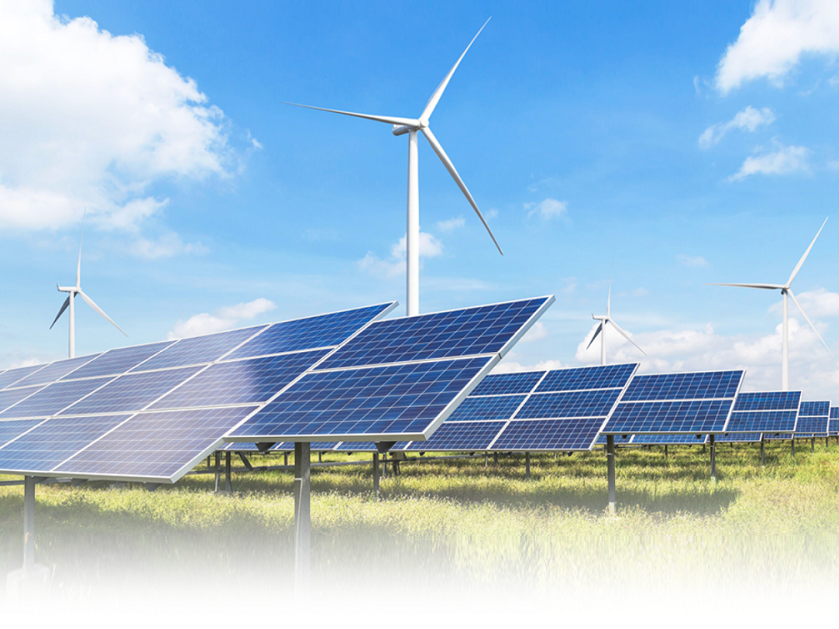
The answer lies in the energy pain points of the Philippines. As an island nation, the Philippines has long faced the dilemma of high electricity prices and unstable power supply. According to data from the International Energy Agency, the Philippines ranks among the top in Asia in terms of electricity prices, while coal-fired power still accounts for the majority of its electricity structure. To achieve the goal of 35% renewable energy by 2030, it is necessary to address the instability of solar and wind energy depending on the weather.
Pumped storage is the key to solving the problem.
The engineering miracle of 40 years ago and the unfinished dream of nuclear power
To understand the significance of these two new projects, we must look back at two landmarks in the history of Philippine electricity.
One is the Kalayaan pumped storage power station.
Since its commissioning in 1984, this steel behemoth, located in Laguna Province and equipped with two 6-meter diameter giant pressure pipelines, has been quietly operating for 40 years. It is the first pumped storage project in ASEAN and currently the only power station of its kind in operation in the Philippines. During peak electricity usage, it acts like a massive reservoir valve, instantly releasing energy and steadily supporting the Luzon power grid. Its existence proves that pumped storage is not only feasible but also reliable in the Philippines, where there are many volcanoes and earthquakes.
The other is BNPP.
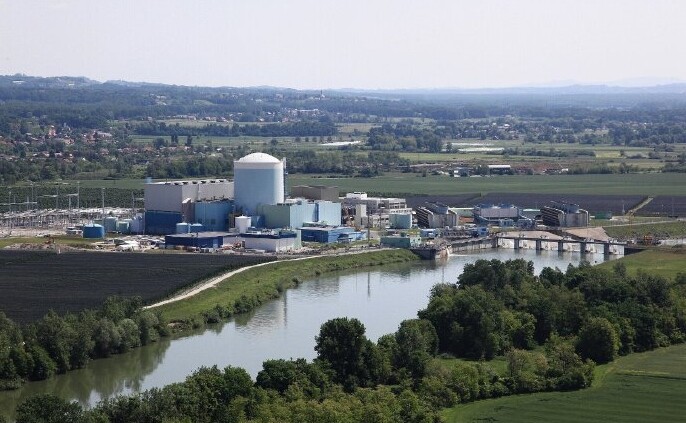
This is a poignant counterexample. The expensive BNPP station, also built in the 1980s, was never electrified due to allegations of political corruption, safety concerns, and legal disputes with Westinghouse, ultimately becoming scrap metal. It was not until 2007 that Filipino taxpayers paid off the loan from the Export Import Bank of the United States.
History is the best textbook.
Compared to high-risk, high-tech, and controversial nuclear power, as well as chemical energy storage limited by lithium resources and costs, pumped storage with mature technology and a lifespan of over 50 years is clearly the optimal solution for the Philippines at present.
It is like a physical giant power bank: when the electricity is low, it uses excess electricity to pump water to the mountains; During peak electricity usage, discharge water to generate electricity. This foolish approach is actually the strongest shield against fluctuations in photovoltaic and wind power.
Power grid stabilizer for the next decade
The $5 billion Prime Infra is just the beginning.
Prime Infrastructure Capital plans to invest nearly $9 billion in hydroelectric and gas projects over the next five years. Looking at the entire Philippines, there are currently over ten pumped storage projects at different stages of development, with a planned total installed capacity of over 8000MW.
This is an astonishing number, equivalent to rebuilding 4-5 large thermal power plants.
The driving force behind this wave is the dual push of policy and reality.
The Philippine Department of Energy has identified pumped storage as a key technology for achieving national energy security and vigorously promoted public-private partnership models to attract private capital. For Chinese enterprises, this is also a new opportunity for the the Belt and Road in Southeast Asia - from the export of photovoltaic modules, to participating in the EPC construction of power stations, and even the supply of grid equipment.
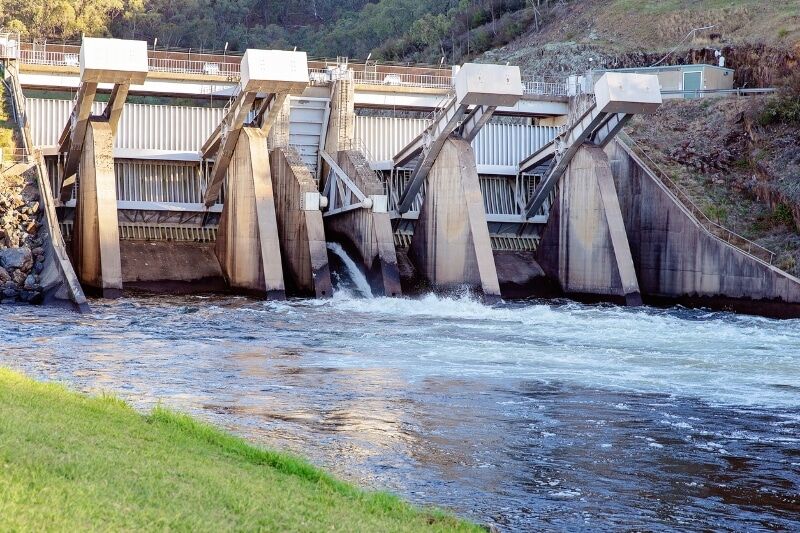
The future has arrived.
When the Pakal and Wawa projects are completed before 2030, they will no longer be just power plants, but the ballast stones for the Philippines' energy transition. Under the rotation of this huge gear driven by water flow, the Philippines is expected to gradually break away from its dependence on imported coal, making every light on Luzon Island shine more steadily and greener. Keywords: Southeast Asia, pumped storage, new energy
From Kalayan's 40 years of perseverance to the current $5 billion in fresh blood, the Philippines is using its oldest hydraulic wisdom to solve the most modern energy challenges. This is not only the story of the Philippines, but also a brave breakthrough for all developing countries on the road to carbon neutrality.Editor/Cheng Liting
Comment

 Praise
 Collect
 Comment

 Share
Share


Write something~