 Search


- When the steering wheel of the train disappears completely, Delhi's underground transportation network is undergoing a silent revolution
- With the commissioning of two key extension lines, the operating mileage of Delhi Metro has officially exceeded 375 kilometers
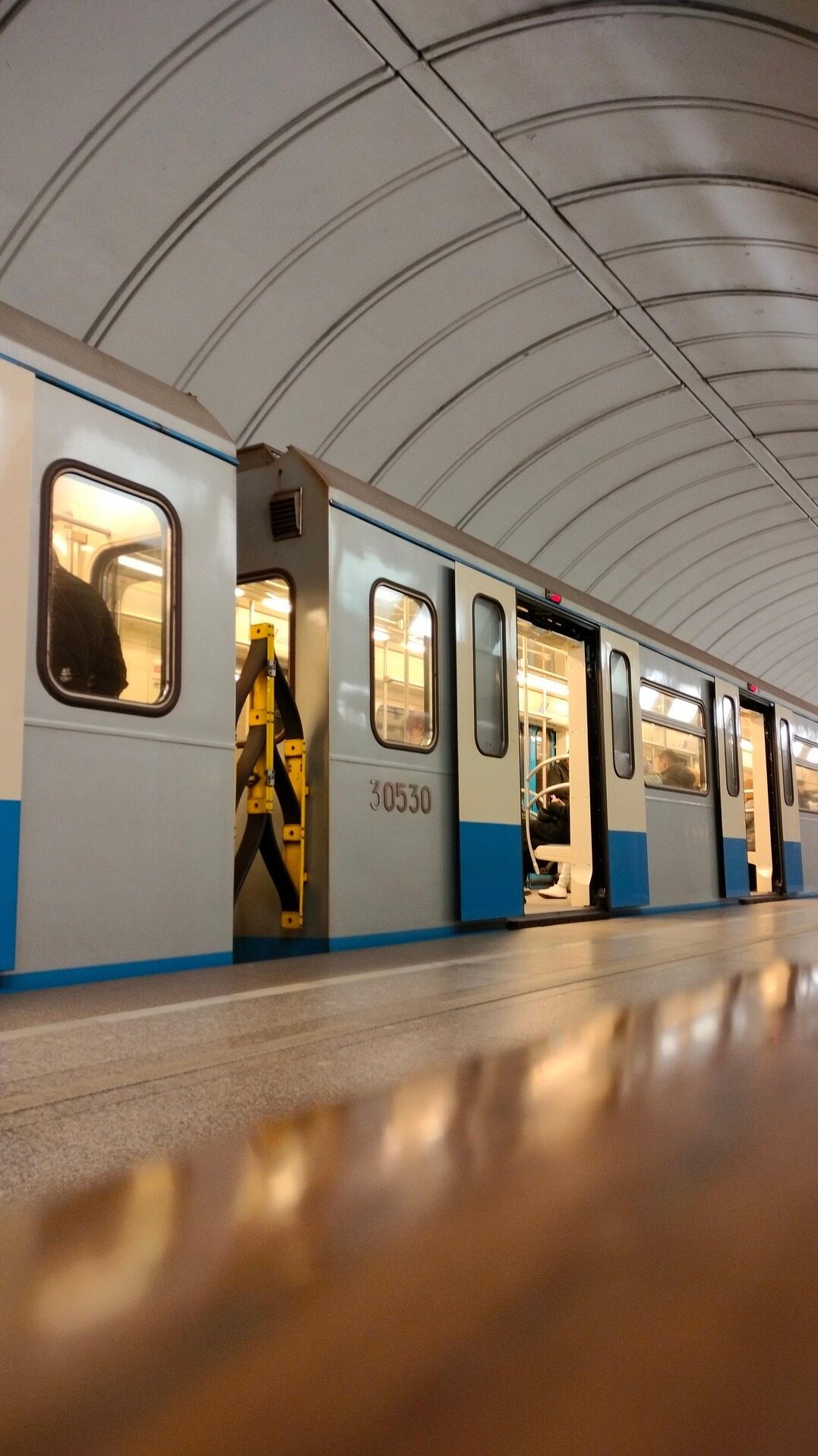
On March 8, 2026, Indian Prime Minister Narendra Modi presided over a special opening ceremony at the Delhi Metro Railway Company - not cutting the ribbon, but pressing the start button, officially announcing the operation of two key subway extensions. This is not only the activation of infrastructure, but also the starting gun for the fourth phase of the construction of the Delhi metropolitan rapid transit system.
With the opening of the 12.3-kilometer northward extension of Line 7 (pink line) from Majilis Park to Maujobul Babarbur and the 9.5-kilometer westward extension of Line 8 (magenta line) from Majilis Park to Depali Square, the total length of the Delhi Metro network has officially exceeded 375 kilometers.
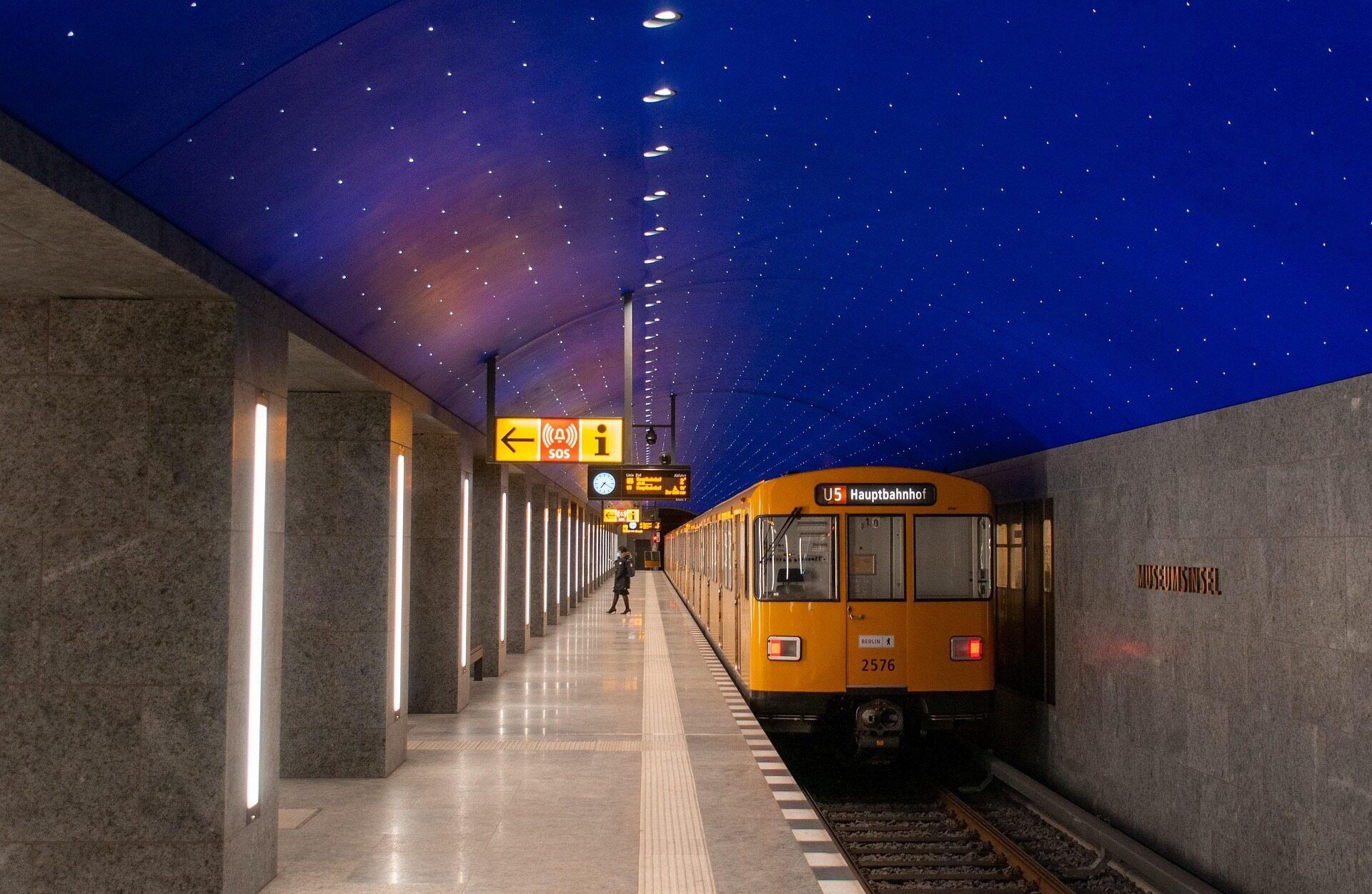
The Golden Cross of Transfer Hub
The strategic value of this extension lies in connecting rather than isolating the extension:
The pivotal role of Line 8: The new line will transfer to the existing Line 2 (yellow line) at Badri Station and connect to Line 1 (red line) at Madabuban Square Station. This layout greatly alleviates the traffic pressure in the northern and western parts of Delhi, weaving the originally fragmented routes into a denser commuting network.
The capacity release of Line 7: extending northward to the densely populated Maojiubu'er Babarbur area, directly serving the local industrial and residential areas.
GoA4 level unmanned driving landing
The biggest highlight of this opening is the introduction of black technology on Line 7. Alstom provided the Urbalis Flo CBTC signaling system for this line, which is a top-level solution designed specifically for automation level 4.
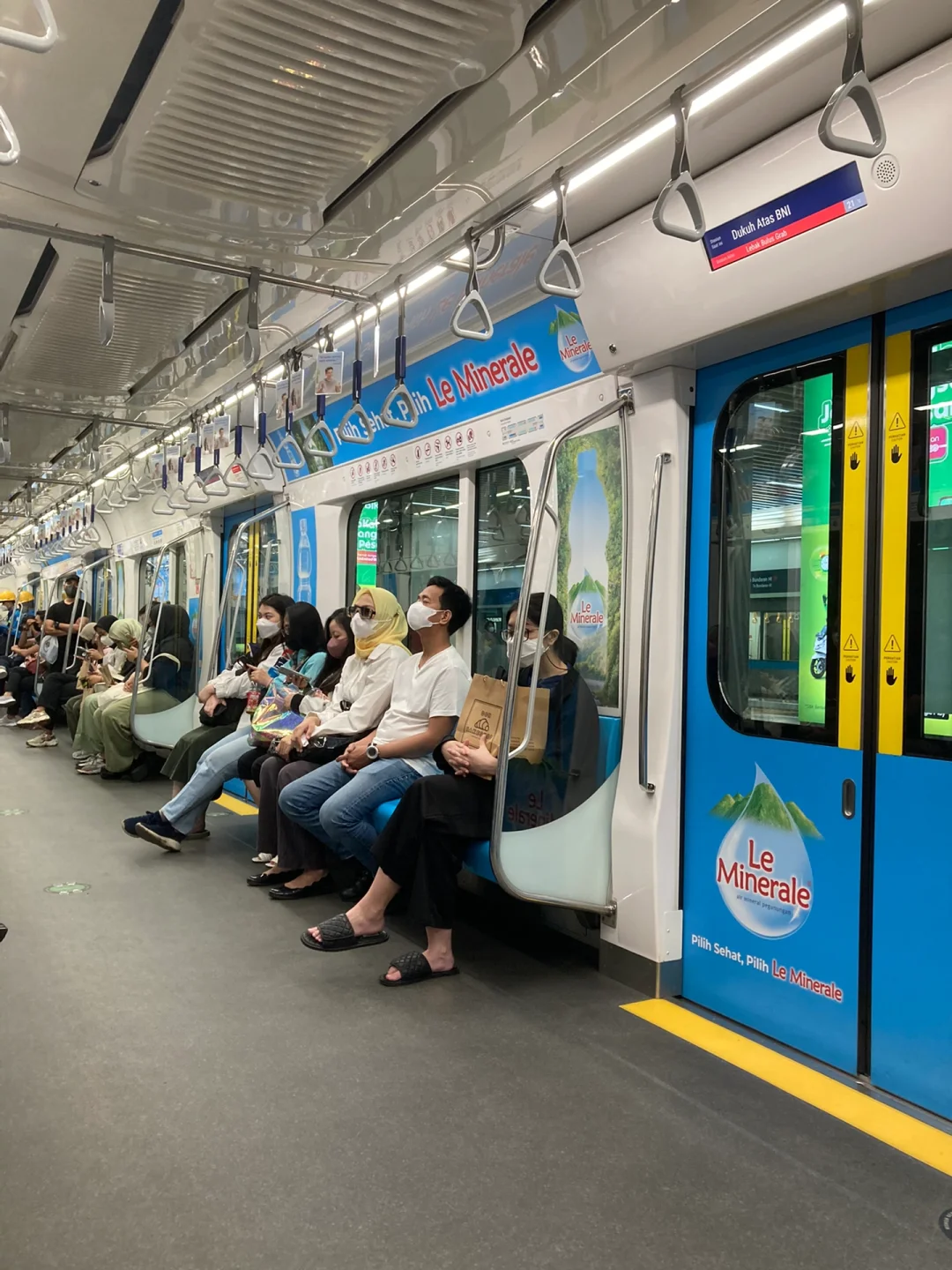
True autonomous driving: Unlike manned autonomous driving, GoA4 means that trains can automatically wake up, run, turn back, and sleep without human monitoring. As a result, Line 7 has become the first and longest fully automated unmanned subway line in India.
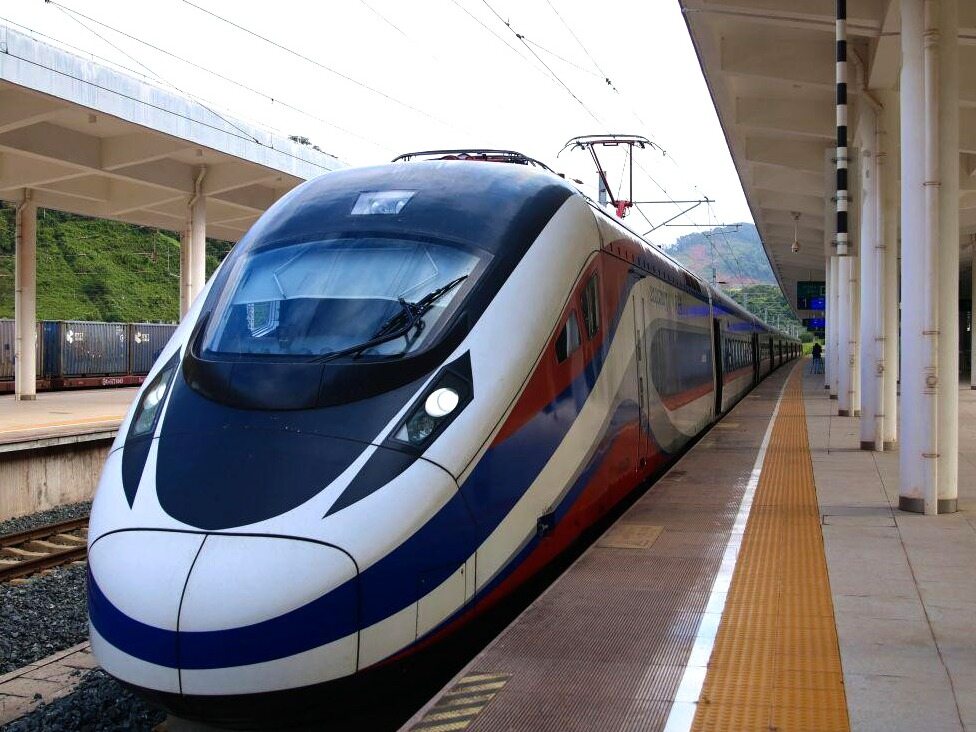
High efficiency trains: According to the contract signed in November 2022, Alstom will provide a total of 312 subway vehicles for the fourth phase, with a contract amount of up to 312 million euros. These trains are all manufactured at the Sri City factory in Andhra Pradesh, which is Alstom's largest urban rail transit manufacturing base in Asia. The train is designed to have a speed of 85 kilometers per hour, with high recyclability and low energy consumption characteristics, perfectly matching India's vision of green transportation.
10 years to lock in the entire lifecycle
The cooperation between Alstom and Delhi Metro is not limited to car sales, but extends to full lifecycle services.
The takeover of Bombardier's legacy: As early as 2021, after Alstom acquired Bombardier Transportation, it inherited its huge existing market in Delhi.
10-year maintenance contract: In September 2025, DMRC signed a 10-year maintenance contract worth 42.1 million euros with Alstom. This contract covers 103 trains supplied and serviced by Bombardier's original factory for Line 1 and Line 2, and includes in-depth maintenance of onboard signal equipment.
The dominance of the signal system: By now, Alstom has firmly controlled the signal system and train control brain of Delhi Metro Lines 1, 2, 5, 6, and 7, becoming the nerve center of the city's underground transportation. Keywords: Southeast Asian news, rapid transit, subway
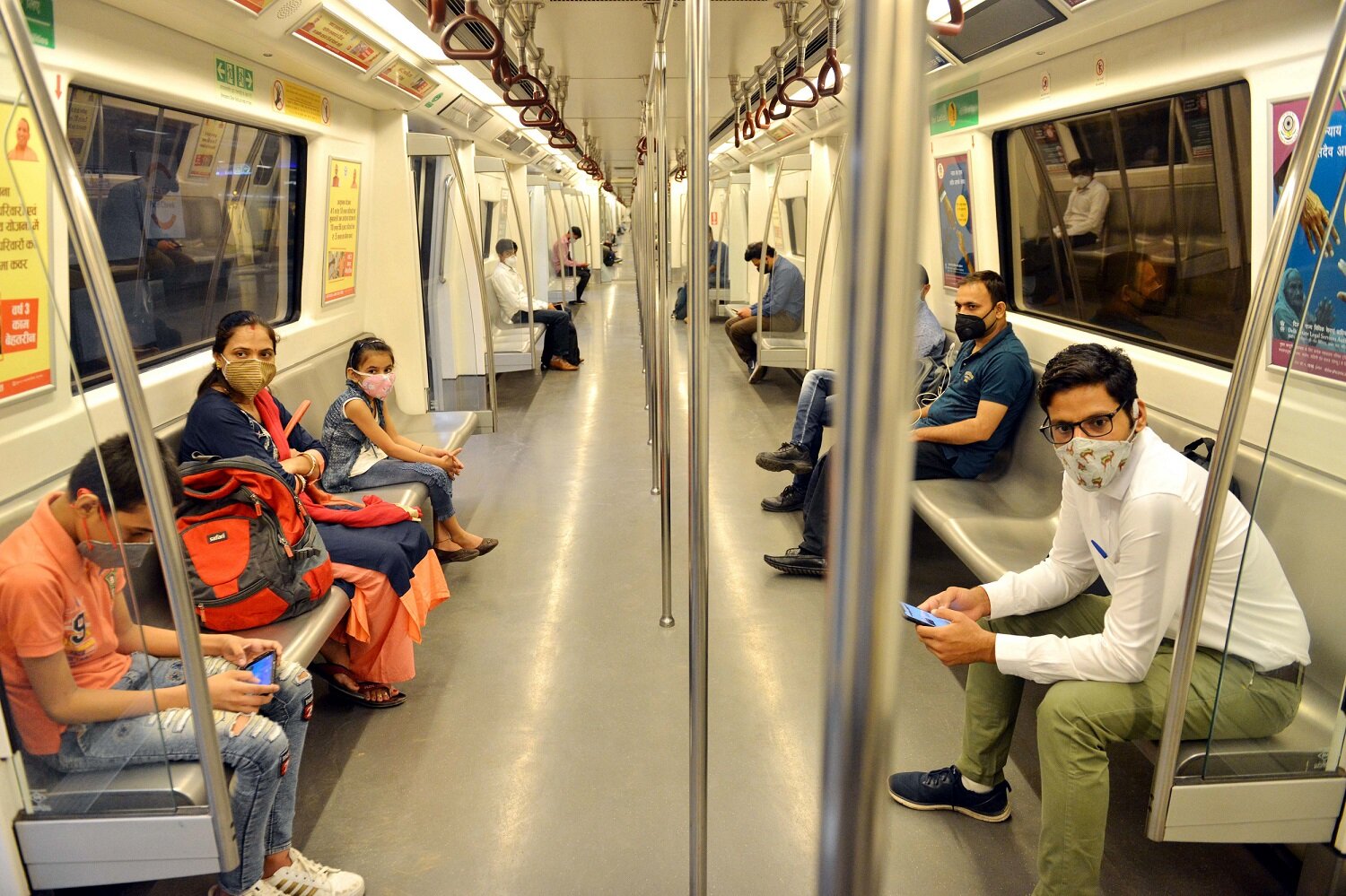
Delhi's Metro Ambition
With the comprehensive promotion of the fourth phase of the project, the Delhi Metro is sprinting towards the goal of exceeding 400 kilometers of operating mileage by 2025. Prime Minister Modi emphasized at the ceremony that "a modern subway network is the artery of the 'New India'." With the technological support of Alstom and the cost advantage of local manufacturing, Delhi is attempting to replicate the rail transit miracles of Tokyo and Shanghai, taming this ancient and congested city with a steel dragon.Editor/Cheng Liting
Comment



 Praise
 Collect
 Comment

 Share
Share


Write something~