 Search


- The Beijing Hangzhou Grand Canal has accumulated over 750 million cubic meters of water replenishment
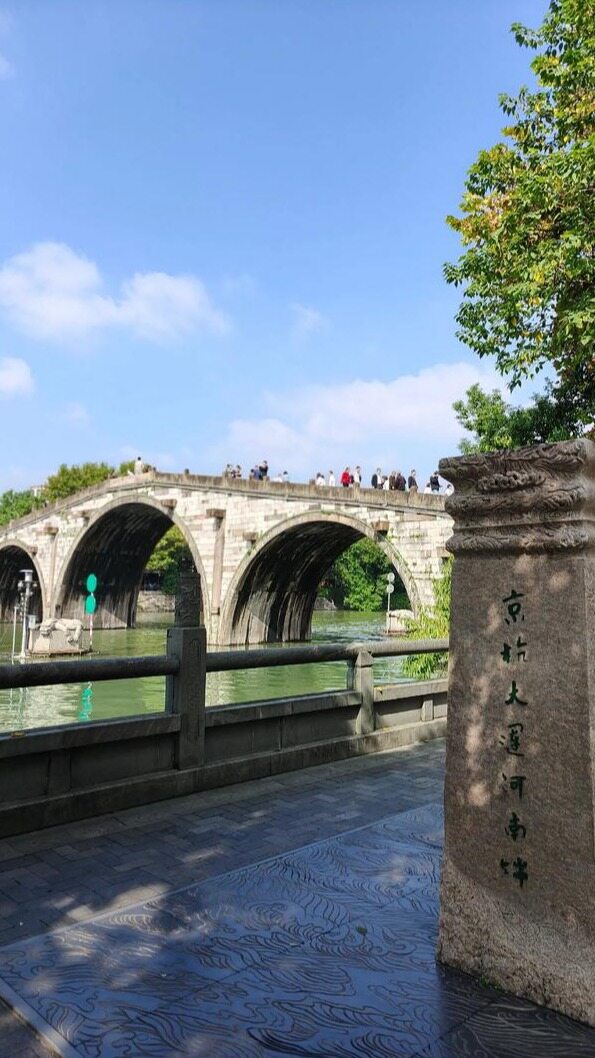
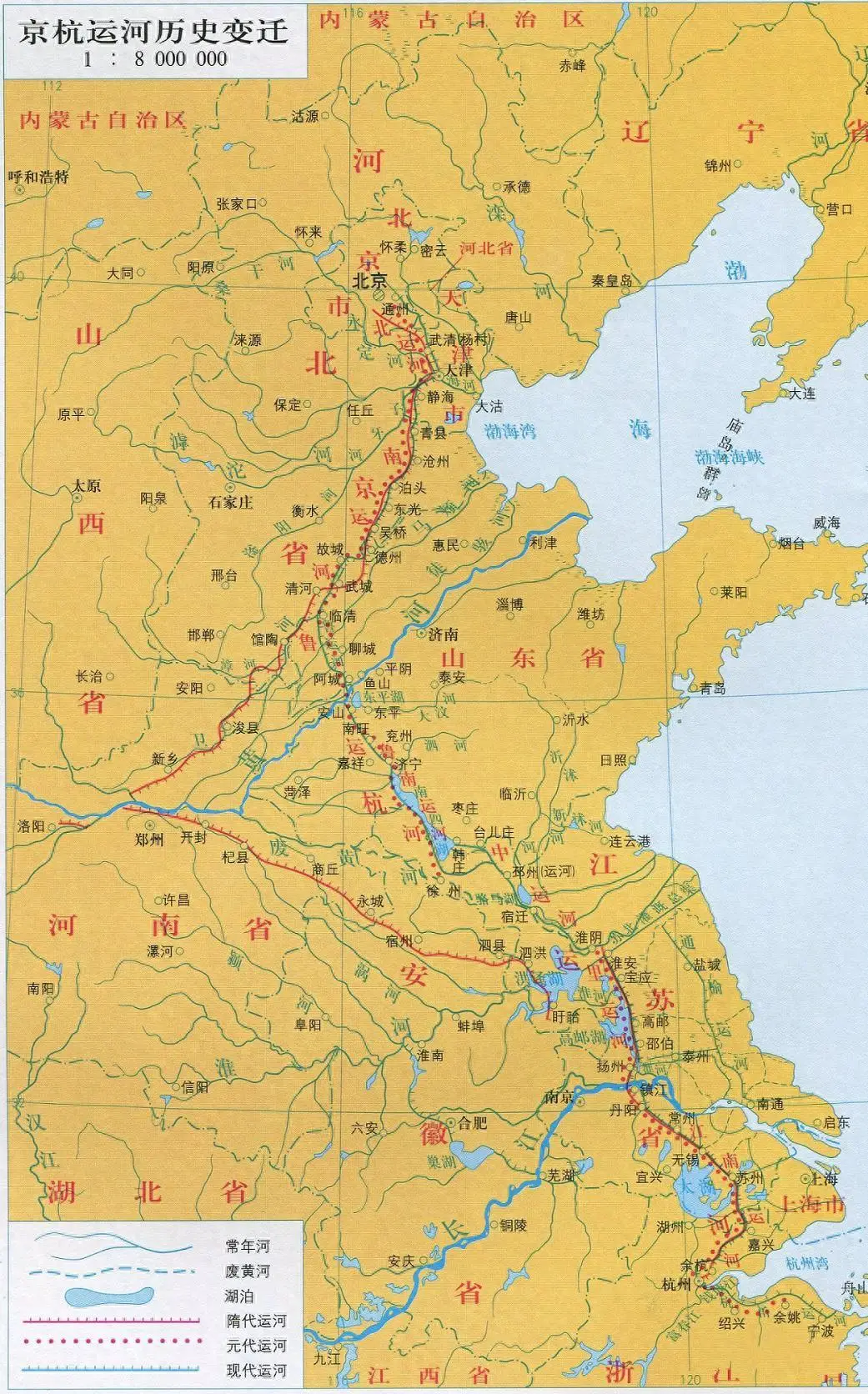
On March 16, 2026, with the successive lifting of gates at the Shandong Sannusi Hub and the Tianjin Jiuxuan Sluice Hub, the Qingshui and Weiyun River systems of the North Extension of the South to North Water Diversion Project intersect at the Beijing Hangzhou Grand Canal, marking the completion of water flow along the entire northern section of the Yellow River; This is not only the fifth consecutive year since 2022 that the Beijing Hangzhou Grand Canal has been fully connected, but also a relay race for ecological recovery that spans five major water systems and has accumulated over 750 million cubic meters of water replenishment.
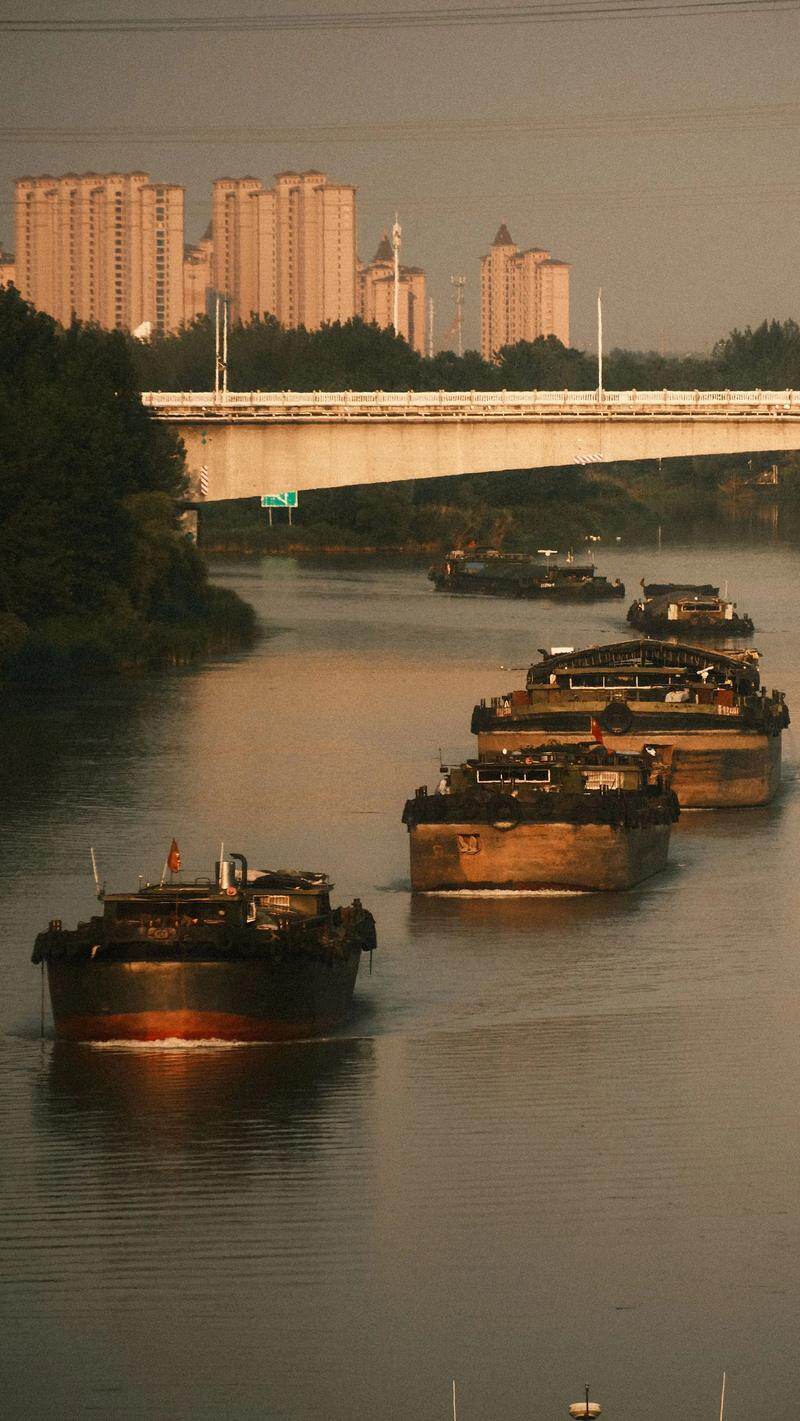
The water flow north of the Yellow River is connected through five consecutive channels
If the Grand Canal is the silver belt of China, then the northern section of the Yellow River was once the most fragile buckle on this belt. Due to the historical scarcity of water resources, this section has been in a state of continuous or seasonal water supply for a long time.
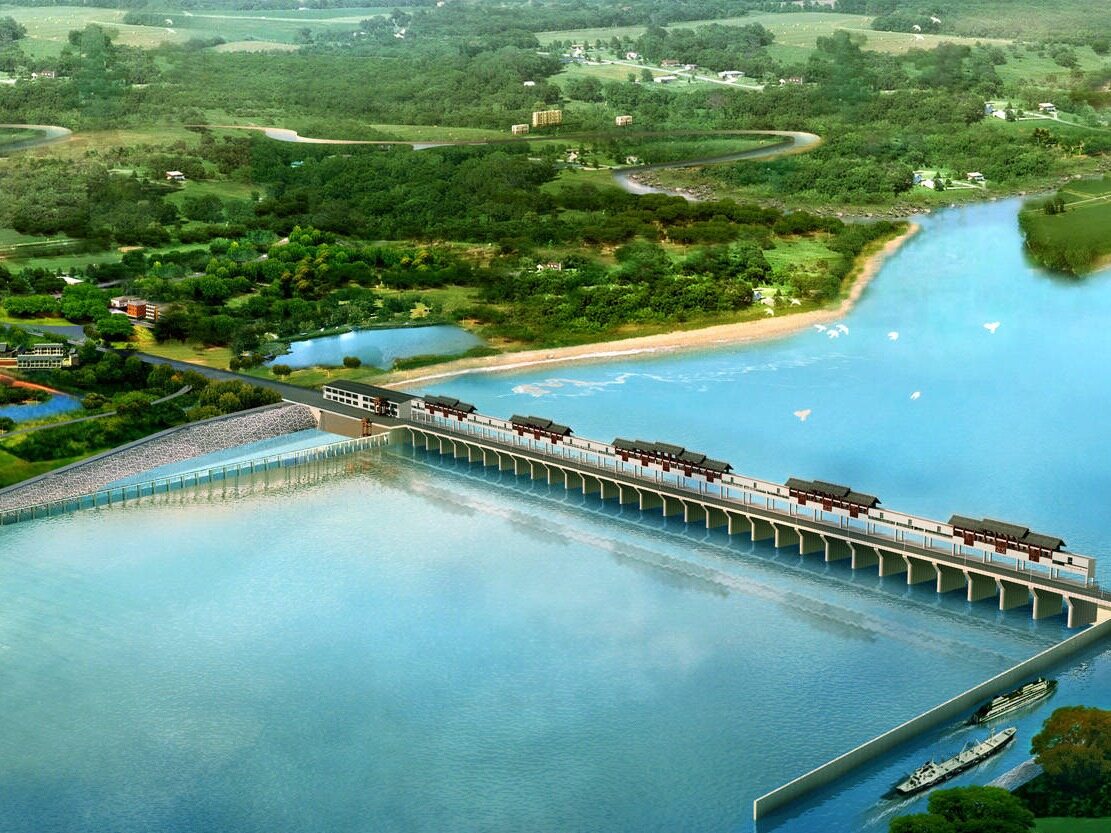
The gate lifting on March 16, 2026 is of milestone significance. The Four Women's Temple Hub in Shandong and the Jiuxuan Gate Hub in Tianjin are like two huge keys, simultaneously opening up the passage for water resources to move northward. The water source of the North Extension Project of the South to North Water Diversion Project shook hands with natural water (the Wei Canal) and merged with local water in Tianjin, ultimately achieving the full flow of the Beijing Hangzhou Grand Canal north of the Yellow River.
This is the fifth consecutive year that the entire water flow has been connected. According to data from the Ministry of Water Resources, the North Extension Project of the Eastern Route has cumulatively replenished 751 million cubic meters of water to the Grand Canal for this moment. This is not just the accumulation of numbers, but also a complete breakthrough in the historical dilemma of having a river but no water.
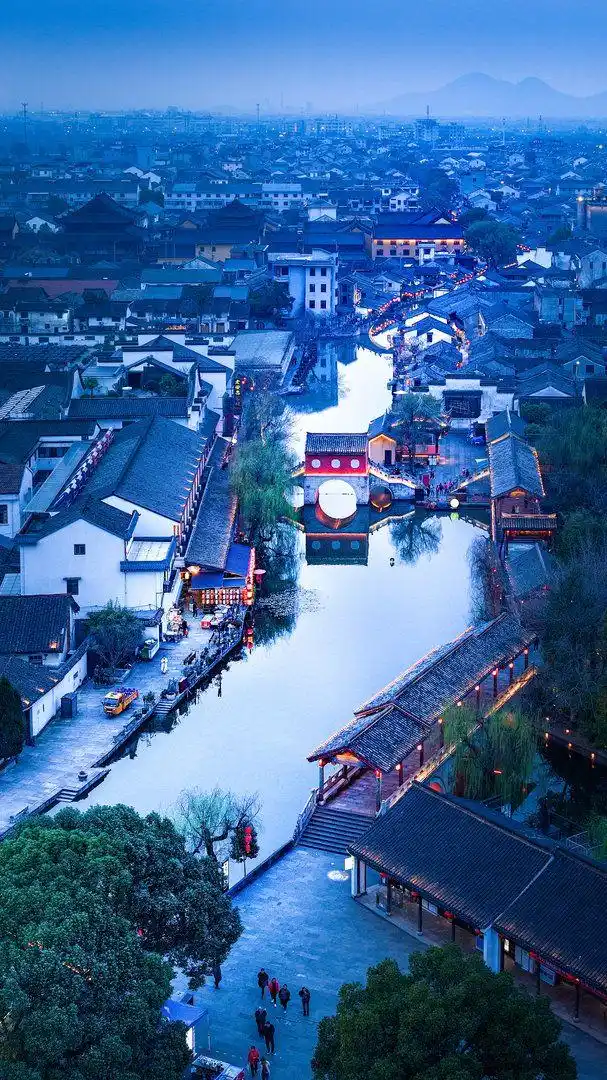
Five major water sources join forces to inject blood into the canal
The revival of a Grand Canal is not the result of a single water source, but rather a precise battle for water resource management.
According to the "Water Replenishment Plan for the Complete Connection of the Beijing Hangzhou Grand Canal in 2026", the total amount of water replenishment this year is expected to reach 587 million cubic meters, of which the North Extension Project of the East Line undertakes the task of replenishing 176 million cubic meters. But this is just one piece of the puzzle.
In order to ensure smooth water flow, the Ministry of Water Resources has launched a combination of punches:
Reservoir linkage: Large scale water conservancy facilities such as Yuecheng Reservoir, Panzhuang Yellow River Diversion Project, Luan River Diversion Project, Guanting Reservoir, etc. are all included in the dispatch system;
Abundant and dry season mutual assistance: During the peak season of irrigation water in spring, precise scheduling ensures both agricultural irrigation along the route and the ecological flow of the canal;
Water Quality Escort: China South to North Water Diversion Group stated that it will carry out full process control of water quantity and quality at monitoring sections to ensure that not only water but also good water flows into the canal.
This multi-source joint scheduling model has transformed the Grand Canal from a simple water conveyance channel into a smart network for optimizing water resource allocation.
From Flowing Water to Flowing Economy
The whole line has been open to water for five consecutive years, which is profoundly changing the ecological and economic pattern of the North China Plain.
Ecological account: Continuous water replenishment has directly promoted the recovery of the ecological environment of rivers and lakes in North China and the comprehensive management of groundwater overexploitation. According to monitoring, the groundwater level along the water replenishment line has shown a trend of stopping and rising, the surrounding wetland ecosystem has been effectively restored, and the population of wild birds has significantly increased.
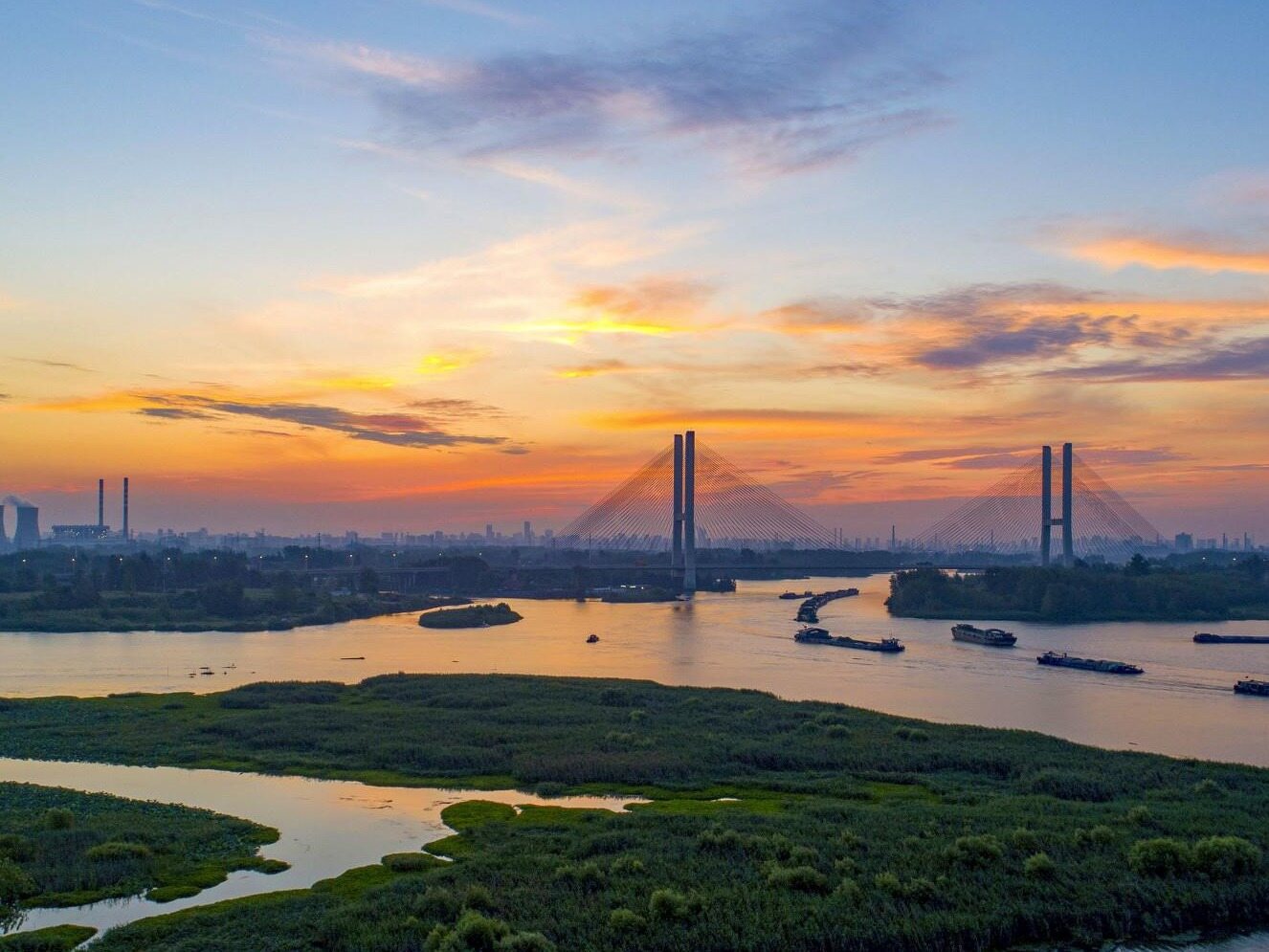
Economic account: Water regulation and ship communication. With the improvement of water flow conditions, the shipping value of the Beijing Hangzhou Grand Canal has been reactivated. At present, some sections of the northern Yellow River have seasonal navigation capacity, which not only reduces the transportation costs of bulk goods such as coal and building materials, but also drives the canal cultural tourism industry in Cangzhou, Dezhou, Tianjin and other places along the route. Keywords: Grand Canal, Water Conservancy, Canal
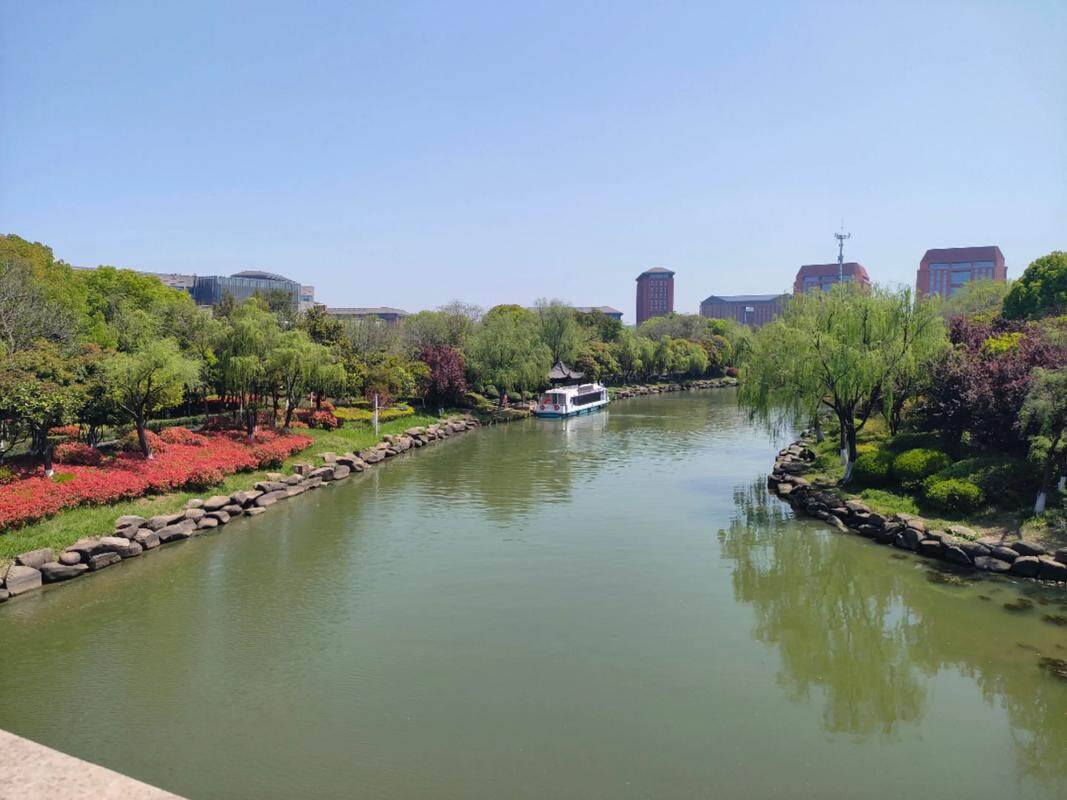
As stated by the China South to North Water Diversion Group, the Grand Canal is not only a carrier for reviving the ecological environment of rivers and lakes, but also a lifeline for promoting the smooth circulation of the north-south economy. When the millennial flowing water connects the north and south again, it bears not only nostalgia, but also the infinite vitality of high-quality development in the North China Plain.Editor/Cheng Liting
Comment

 Praise
 Collect
 Comment

 Share
Share


Write something~