 Search


- Water free single machine single gate debugging is carried out, laying a solid foundation for the navigation of the Pinglu Canal

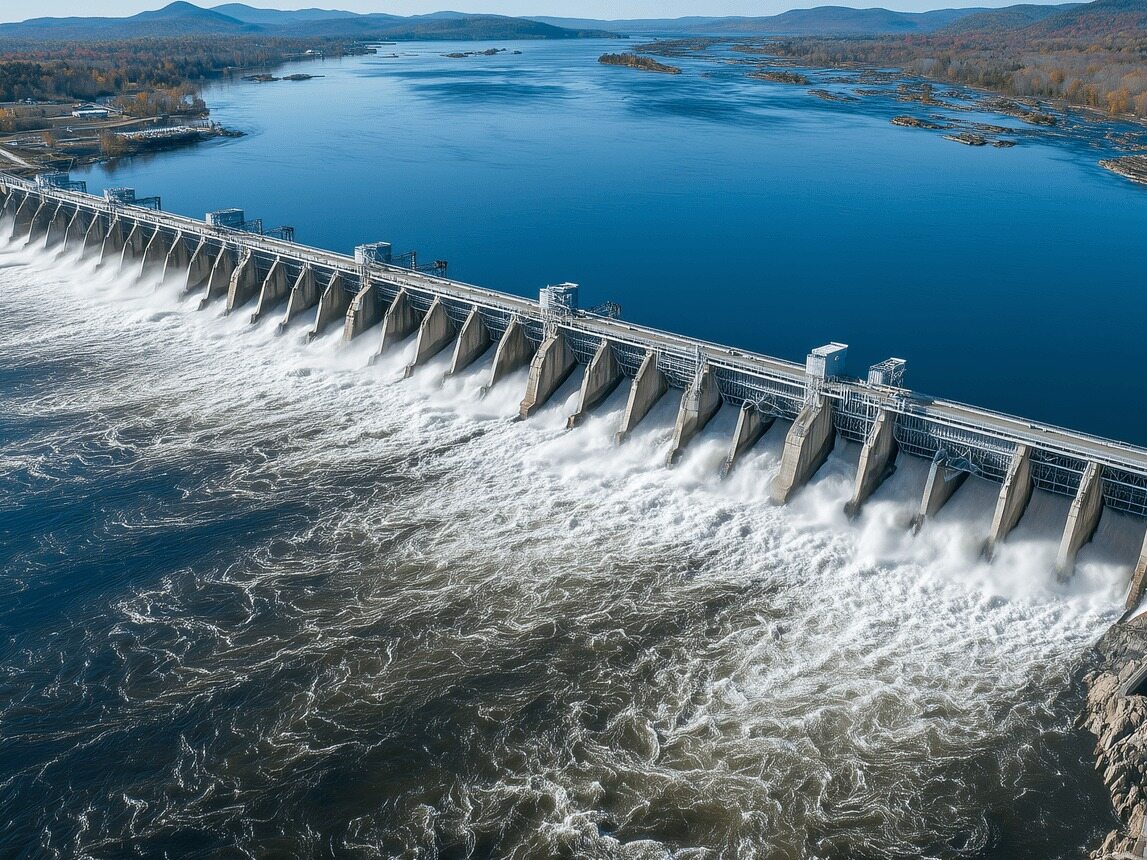
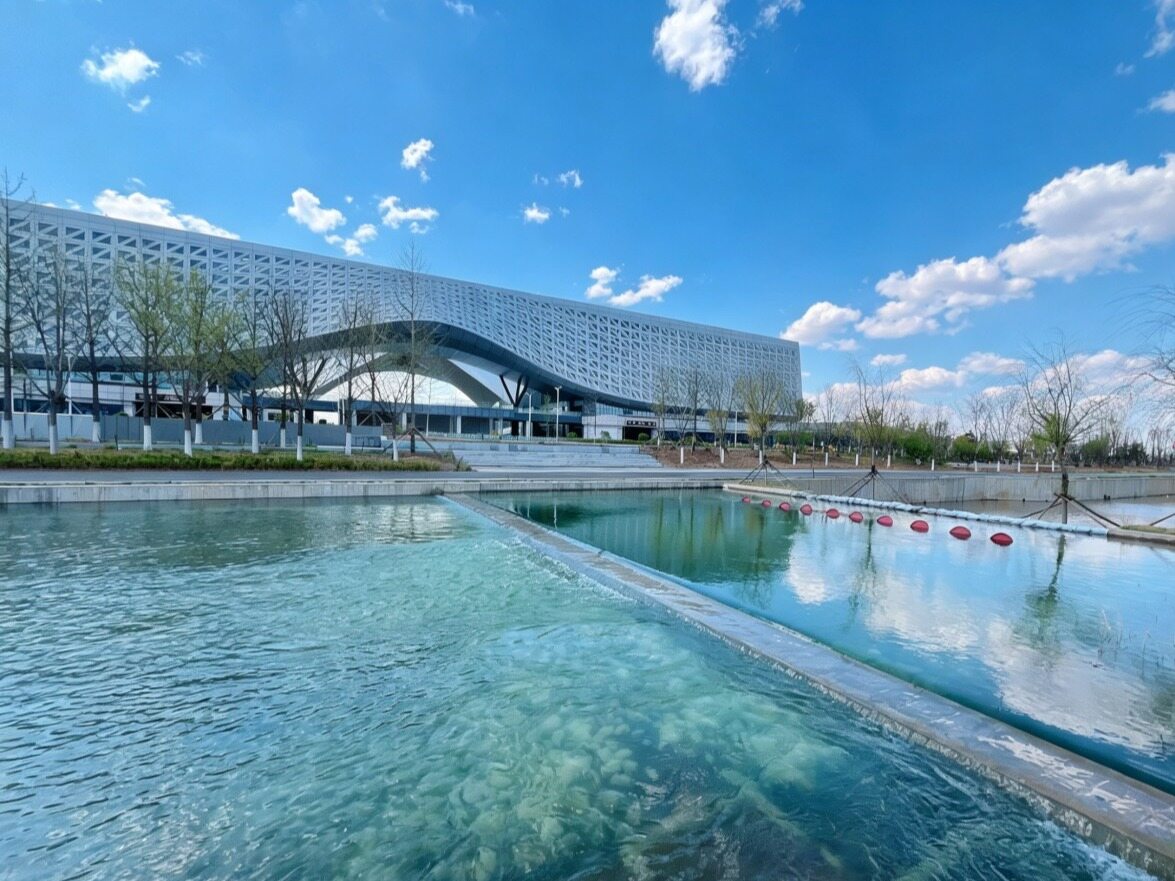
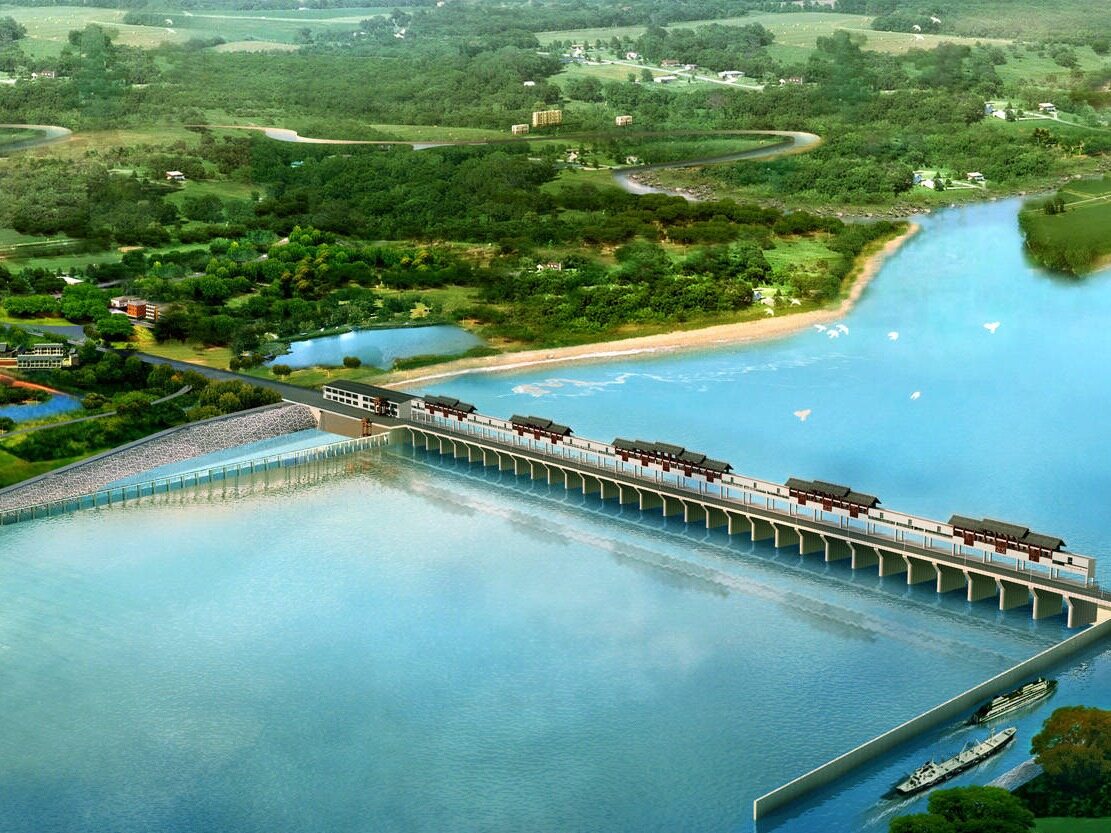
On March 18, 2026, the Youth Hub, one of the three major shipping hubs of the Pinglu Canal, started the commissioning of a single water free machine and gate, marking the official entry of the project into the equipment commissioning phase.
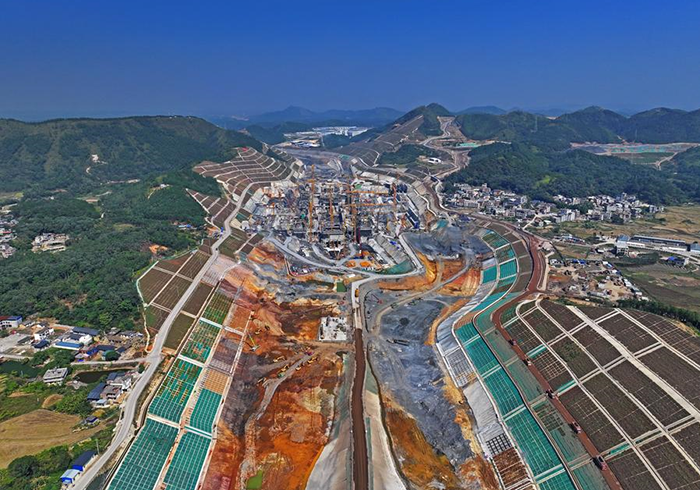
At the debugging site, hundreds of tons of ship lock gates were smoothly opened and closed in a waterless environment under the control of hydraulic hoists. Technicians test and verify the mechanical, hydraulic, and electrical control systems of the gate one by one to ensure stable operation of each system.
Yuan Guozhi, Deputy General Manager of Guangxi Pinglu Canal Construction Co., Ltd. under Pinglu Canal Group, stated that the construction team records and analyzes debugging data throughout the entire process through a digital platform, strictly controls the quality of debugging, and strives to achieve defect free equipment installation and fault free debugging operation, preparing for subsequent water-based debugging.
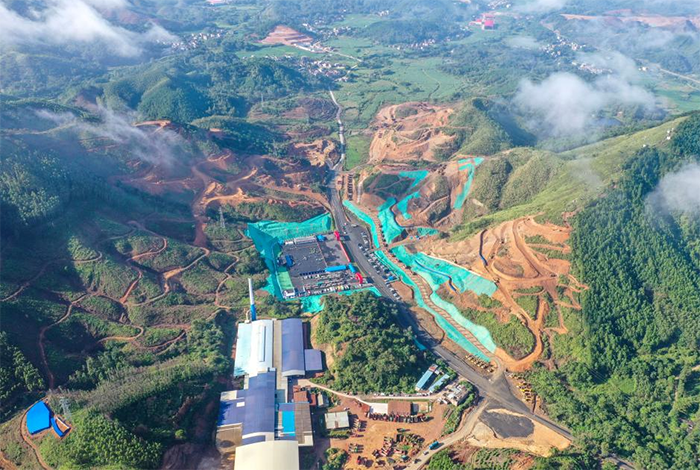
Water free single machine single gate debugging is a key link in testing the accuracy of equipment manufacturing and installation, mainly verifying the operation status, assembly quality, and reliability of the gate performance and electrical control logic.
This debugging is expected to be completed in early April, and then water free joint debugging, single machine with water, and joint debugging will be carried out successively. Subsequently, the Qishi Hub and Madao Hub will also simultaneously promote relevant debugging work, comprehensively verifying whether the linkage of mechanical and electrical equipment and metal structure equipment in the shipping hub meets the design standards. Keywords: Pinglu Canal, waterless commissioning, Western Land Sea New Channel
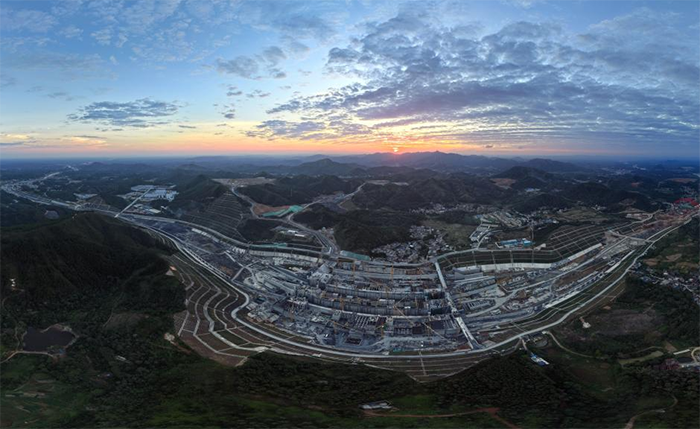
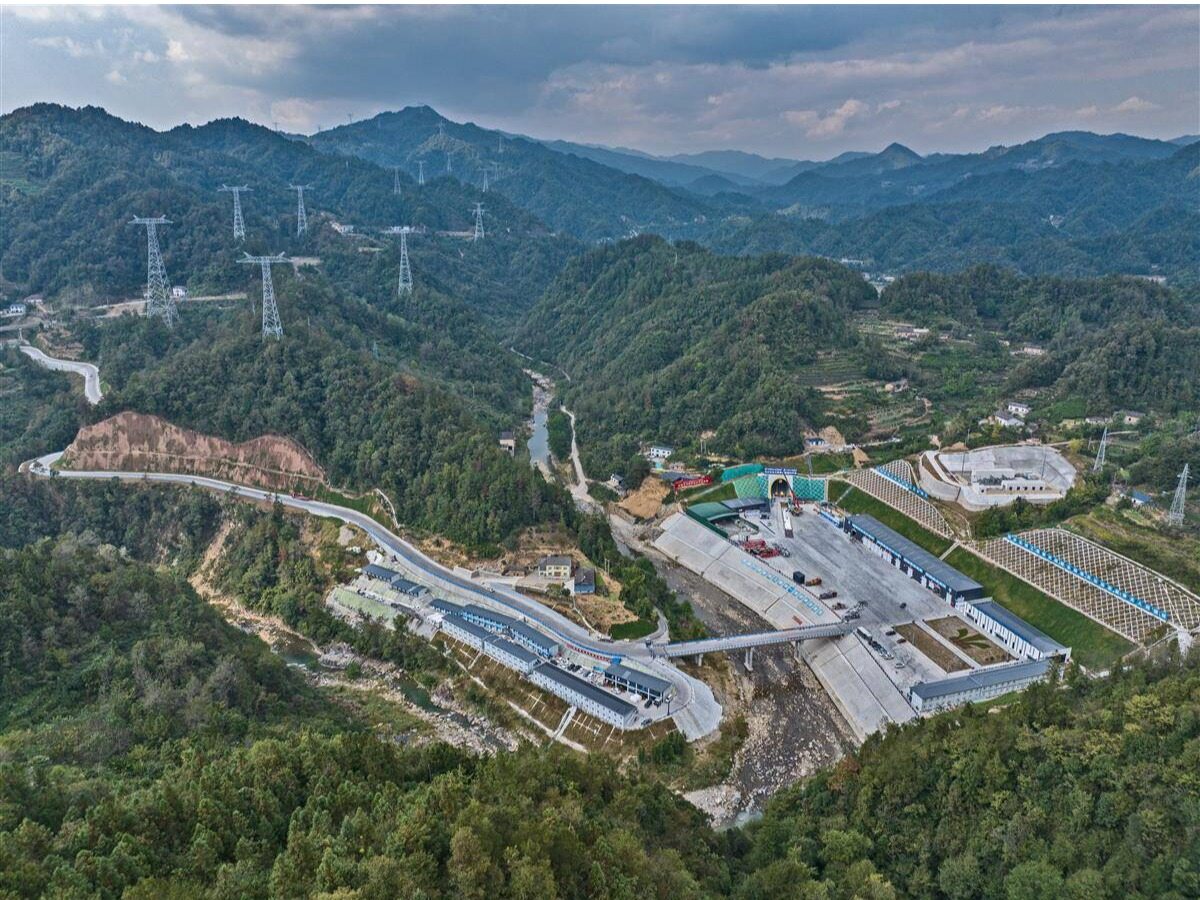
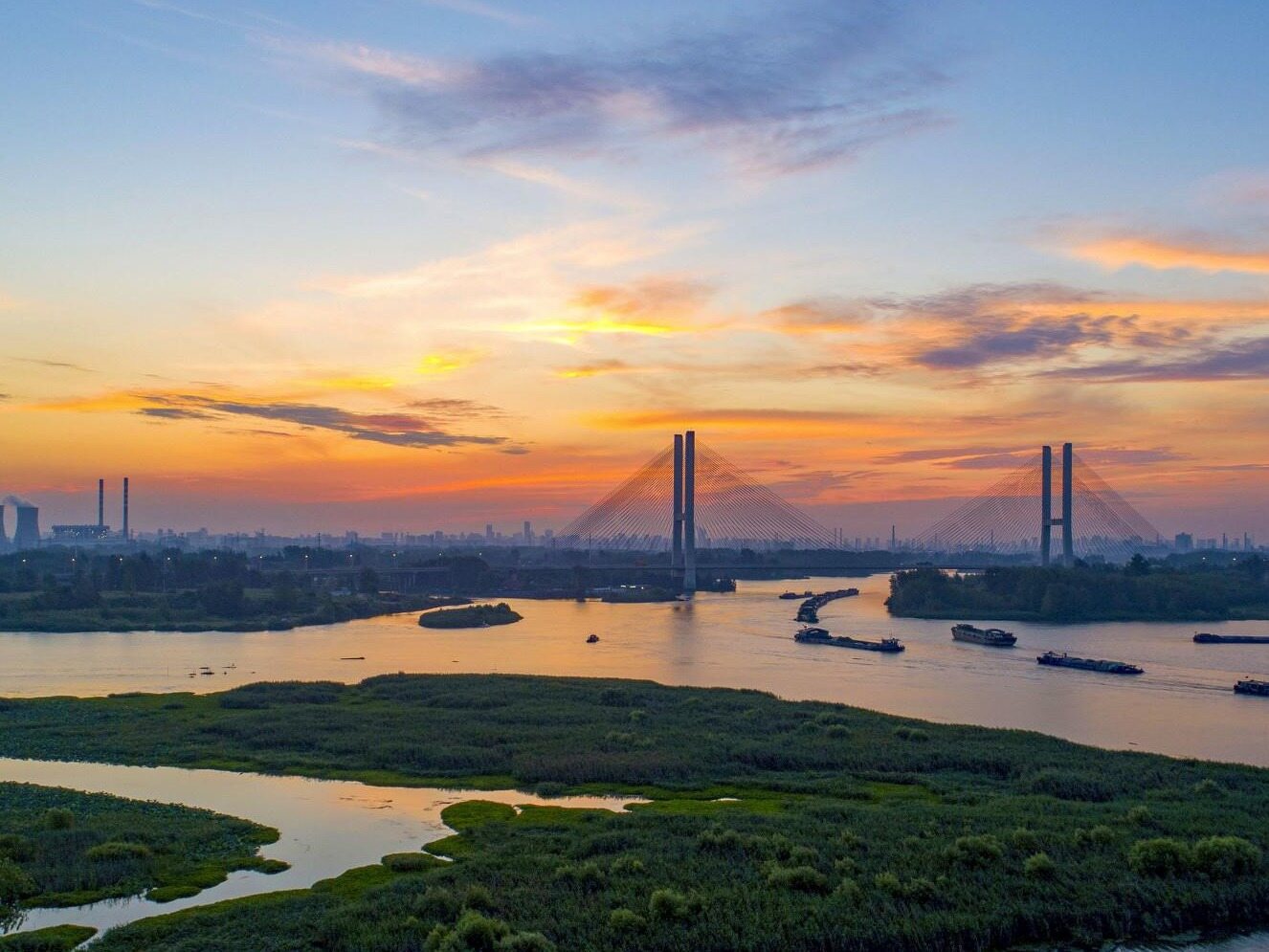
The Pinglu Canal has a total length of 134.2 kilometers and is a key project of the Western Land Sea New Channel. It is planned to achieve full navigation within this year. After the completion of the canal, a new channel for river sea intermodal transportation will be opened up from the main stream of the Xijiang River to the south, creating the shortest, lowest cost, and most convenient sea route for Guangxi and Southwest China to reach ASEAN.Editor/Gong Ziwei
Comment

 Praise
 Collect
 Comment

 Share
Share


Write something~