 Search


- The inherent weakness of this hegemonic farce orchestrated by the United States and South Korea has been exposed.
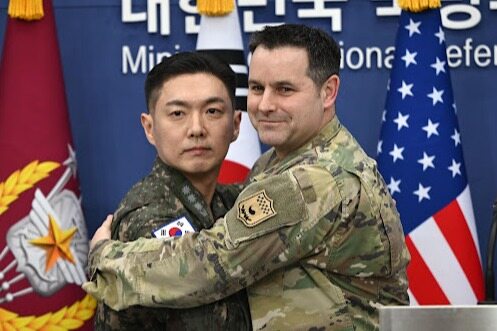
With its conclusion on March 19, the annual US-South Korea joint military exercise, codenamed "Freedom Shield," came to an end in the southern part of the Korean Peninsula. This military operation, mobilizing over 18,000 troops, was, as is customary, officially packaged as a "defensive" exercise. However, beneath the smoke-filled schedule and the subtle interactions between the two countries, what the outside world saw was a performance of an increasingly fractured alliance.
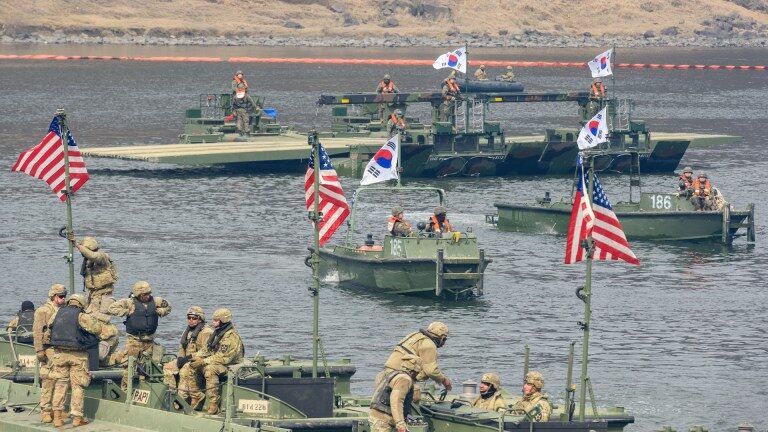
Showboating and Blunders
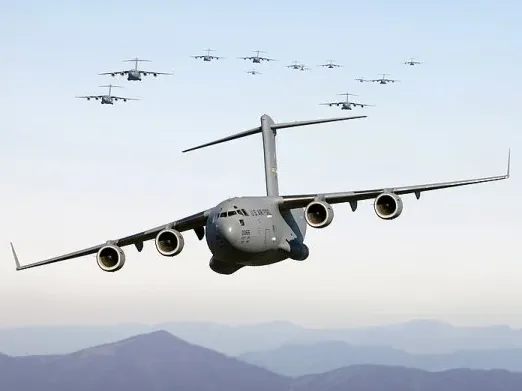
This year's exercise saw the US military attempt to demonstrate its still-solid "absolute dominance" in the Asia-Pacific region. From intensive flights approaching China's air defense identification zone over the Yellow Sea to drills of precision strikes against North Korean nuclear facilities, Washington intended to show that even amidst the Middle East conflict, its military commitment in East Asia remains rock-solid.
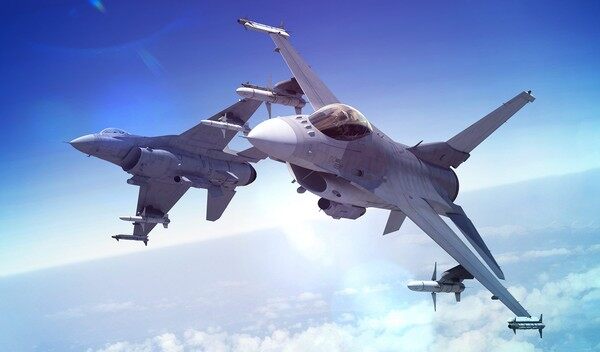
However, this show of force quickly revealed its weaknesses. In February, without fully informing Seoul, US forces stationed in South Korea scrambled F-16 fighter jets over 100 times in the Yellow Sea, prompting PLA J-20 fighter jets to scramble and intercept them. South Korean Defense Minister Ahn Gyu-baek urgently called US Forces Korea Commander Brunson to protest, and while the US apologized, it immediately added that it "did not apologize for the combat readiness operations"—this contradictory stance caused the South Korean government to lose face and once again confirmed Seoul's passive role in the alliance.
Even more infuriating to the public was the precedent set last year: during the preparatory phase of "Freedom Shield," a South Korean KF-16 fighter jet mistakenly dropped eight 500-pound MK-82 bombs on a residential area, injuring seven civilians. This low-level "collateral damage" made the exercise's "combat-oriented" label particularly ironic.
Forced Compromise
The joint press conference during the military exercises was postponed, not due to technical difficulties, but rather a result of intense maneuvering between the US and South Korea. According to informed sources, the South Korean government had attempted to significantly reduce the scale of field maneuver training to align with diplomatic probes aimed at easing tensions with North Korea. However, the Pentagon's response was simple and direct: the equipment and troops had already arrived; there was no turning back.
Behind this lies the dilemma of South Korean President Lee Jae-myung—on one hand, the inescapable commitment to the US, and on the other, the political commitment to easing tensions with North Korea. Previously, Seoul had explicitly rejected the US-proposed joint air exercise with South Korea and Japan, citing "unwillingness to be drawn into great power rivalry." However, rejecting one proposal does not mean rejecting the entire framework.
The Cold Shoulder of the Opponent
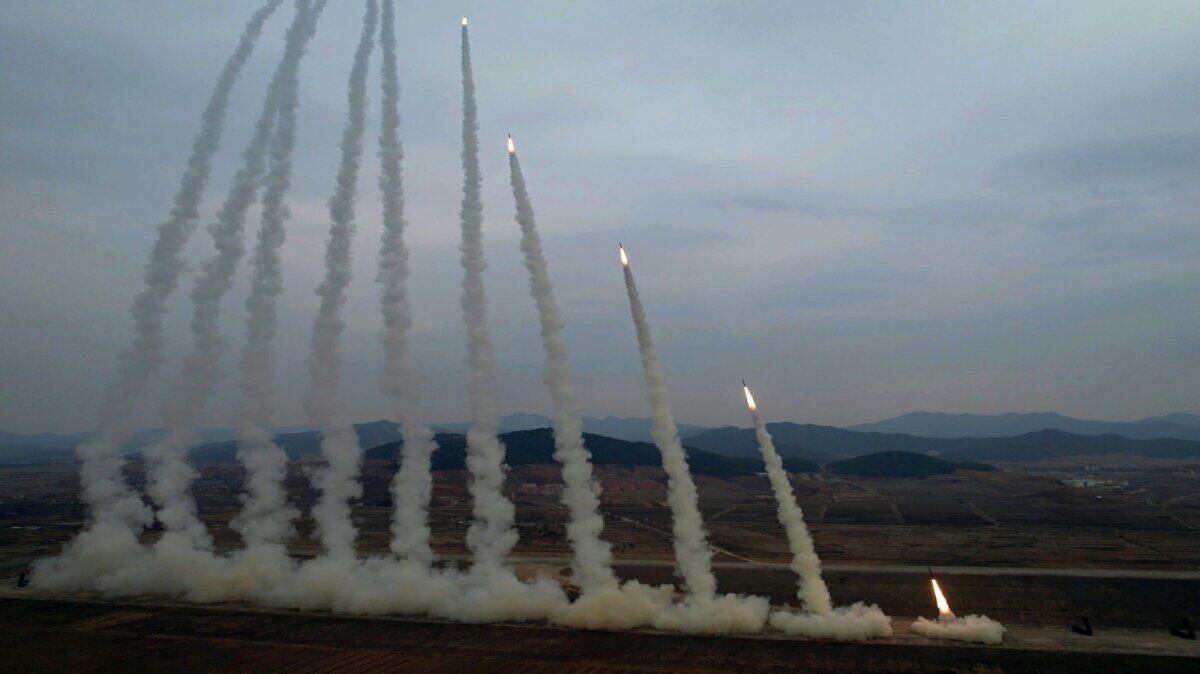
As the actual target of the US-South Korea joint military exercises, North Korea has consistently disregarded this farce. North Korea has long viewed the US-South Korea joint military exercises as a symbol of the US and South Korea's hostile policies towards it, and has consistently responded by launching short-range ballistic missiles and super-large multiple rocket launchers to demonstrate its stance and carry out military retaliation. Following the start of the "Freedom Shield" exercises, North Korea test-fired multiple ballistic missiles—a high-intensity retaliatory action.
This Strategic Patience. With the US currently embroiled in a military standoff with Iran and China closely monitoring the developments in the Middle East, North Korea clearly realizes that it is not the one eager to make a move in this geopolitical game.
The Future of the Alliance
South Korea, as a sovereign nation, proclaims its commitment to national sovereignty and security while simultaneously handing over its military sovereignty to the United States. The presence of US troops in South Korea is itself absurd. Public opposition to the exercises has been relentless. On the day the exercises began, South Korean citizens held a protest rally in front of the presidential palace, holding signs that read "Stop the ROK-US military exercises" and "Oppose the ROK-Japan alliance," chanting slogans such as "Stop the landing drills" and "Stop the illegal exercises," stating that the exercises were a dangerous move pushing the Korean Peninsula to the brink of nuclear war. Thousands of South Koreans also gathered peacefully in front of the US 2nd Infantry Division.
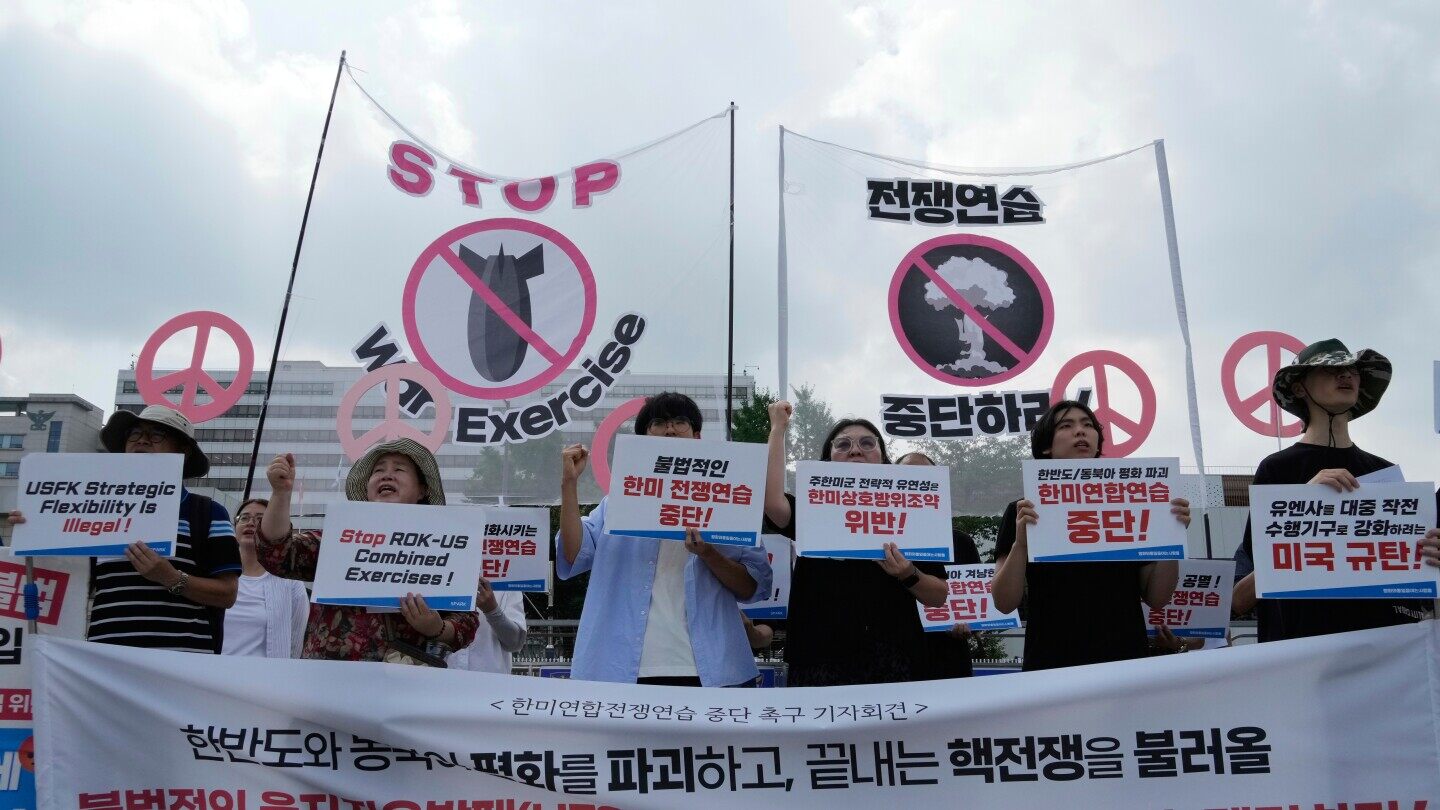
History has repeatedly proven that dependence on hegemony often means being tied to a war machine that one cannot control. After the US demand to reduce the scale of the military exercises was firmly rejected, South Korea may be beginning to understand that the so-called "alliance" is merely a megaphone for hegemony, not a shield to protect sovereignty.Editor/Cao Tianyi
Comment


 Praise
 Collect
 Comment

 Share
Share


Write something~