 Search


- A new Silk Road, characterized by consultation, joint contribution, and shared benefits, is rising.
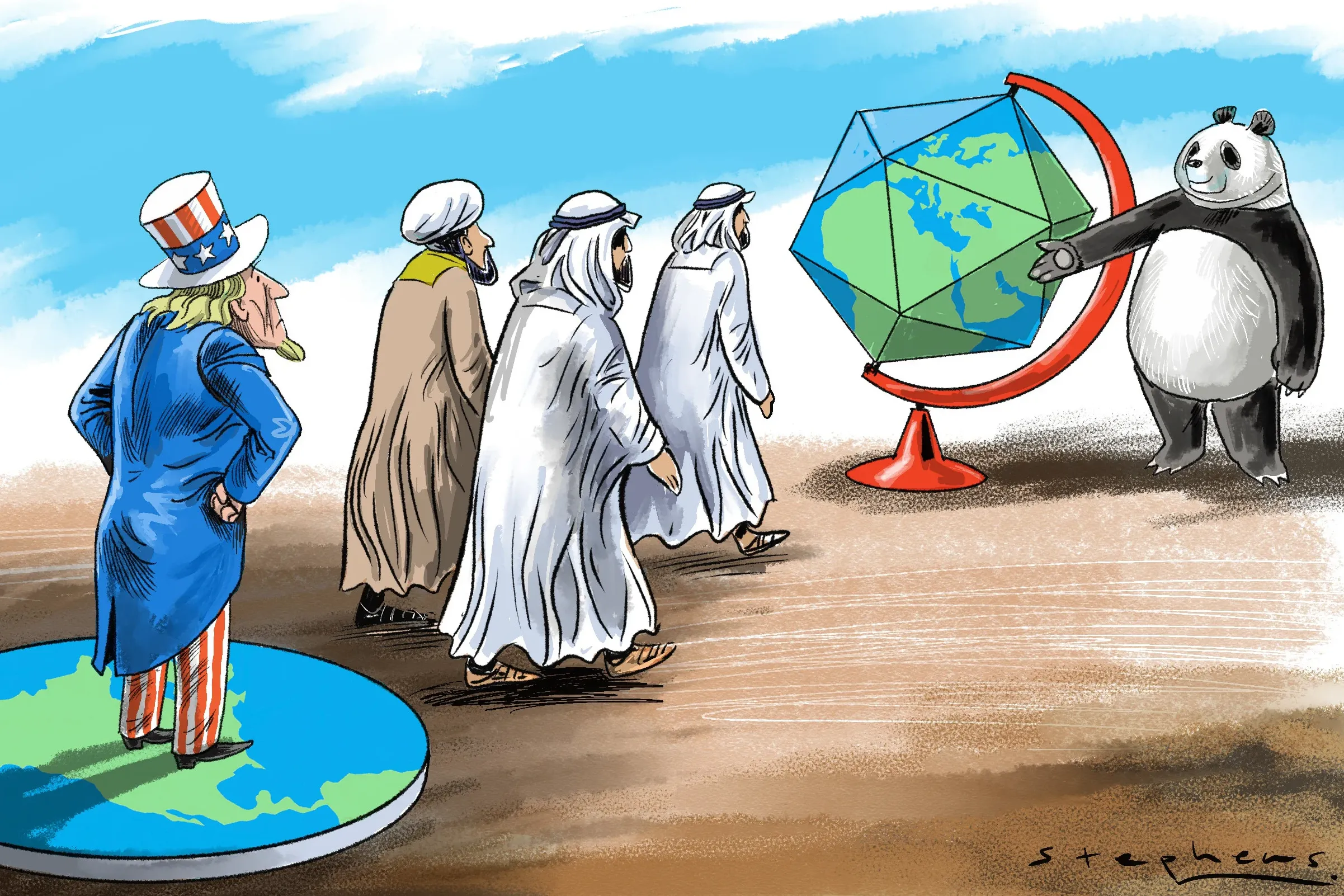
As US warships were forced to withdraw from the Strait of Hormuz, as the USS Ford was grounded for repairs, and as the F-35's operational readiness rate of less than 50% became public knowledge, a once unshakeable fact is becoming increasingly clear: US hegemony is fading.
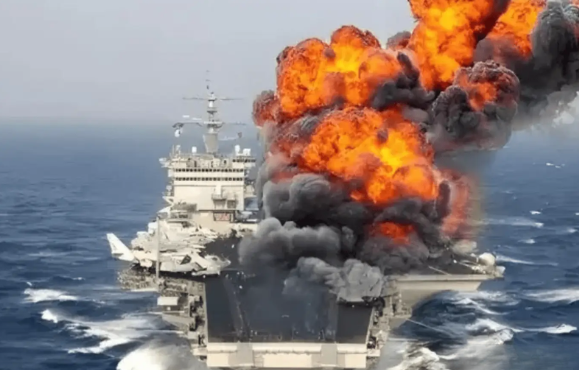
The US military, mired in the Iran-Iraq conflict, is paying a heavy price. Media reports indicate at least seven US military personnel have been killed and approximately 140 wounded. Military bases in the Gulf region have been frequently attacked, including the destruction of the valuable THAAD anti-missile system, forcing Washington to urgently divert equipment from South Korea to fill the gap. The superpower, once self-proclaimed "global policeman," is now forced to request escorts from its allies, only to be met with a collective cold shoulder from Germany, Britain, Australia, and other countries.
Meanwhile, the US military's equipment system is experiencing a systemic collapse. Of its 11 nuclear-powered aircraft carriers, fewer than four are readily deployable; the Minuteman III intercontinental ballistic missile has been in service for over 45 years; and the F-35 fighter jet suffers from hundreds of unresolved hardware and software defects. The U.S. Congressional Budget Office warns that trillions of dollars will be needed over the next decade to modernize the nuclear arsenal, while the national debt has already surpassed $36 trillion. All of this points to one conclusion: the hard power supporting U.S. hegemony is crumbling.
Where U.S. hegemony is fading, the Silk Road is rising.
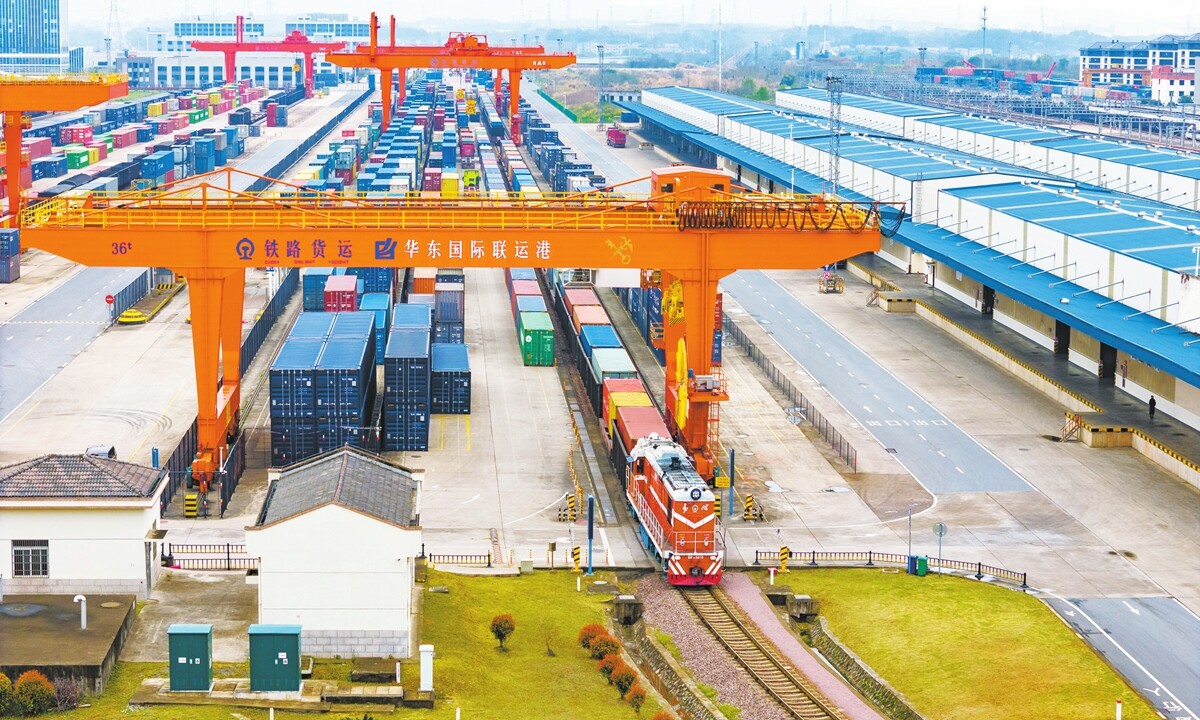
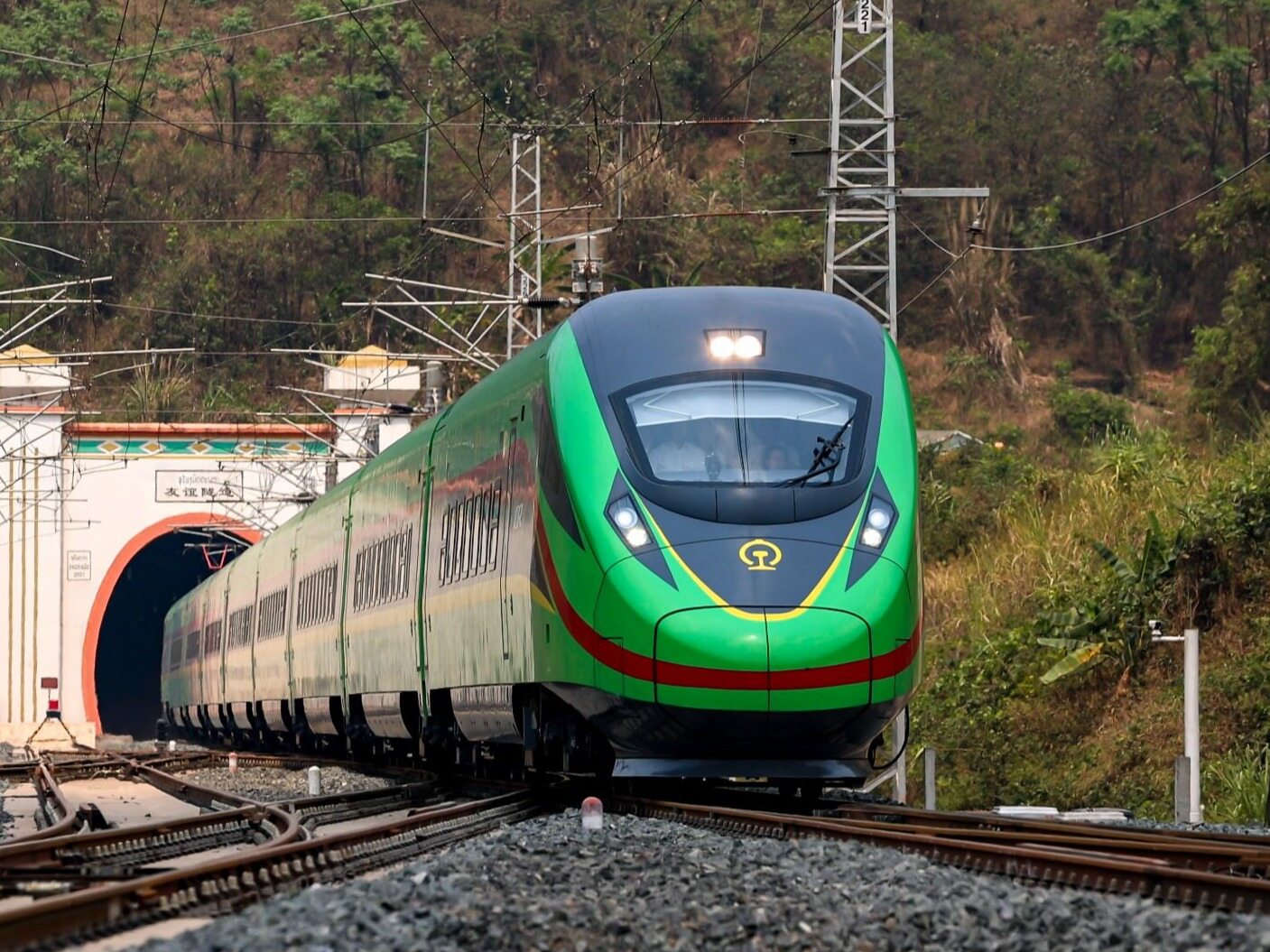
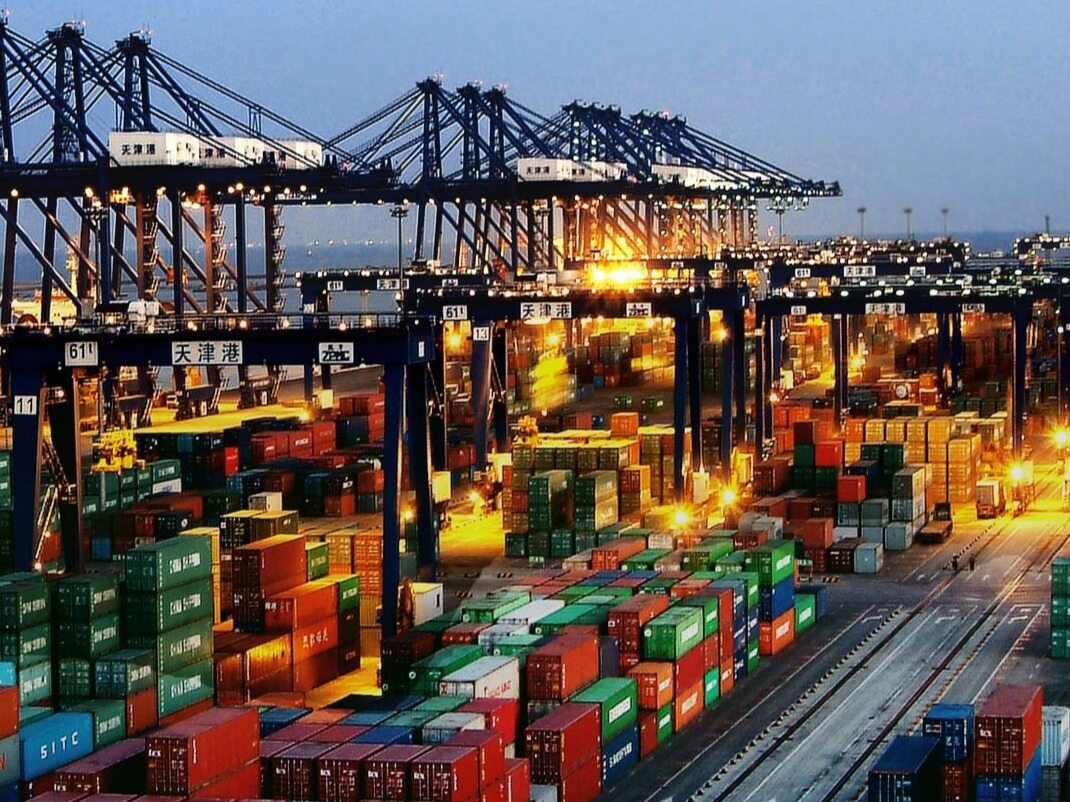
At the start of 2026, the China-Europe Railway Express operated 3,501 trains, transporting 352,000 TEUs of cargo, representing year-on-year increases of 32% and 25% respectively, becoming the most stable logistics artery across the Eurasian continent. Shanghai's imports and exports to Belt and Road countries increased by 24% year-on-year, with engineering equipment, transportation vehicles, and other goods continuously being shipped to Southeast Asia. From Gwadar Port in Pakistan to Piraeus Port in Greece, from the Jakarta-Bandung High-Speed Railway to the China-Laos Railway, "hard connectivity" is reshaping the global infrastructure landscape.
More importantly, the Belt and Road Initiative represents a completely different logic of international order. It is not the coercion of military alliances, nor the bullying of financial sanctions, but a cooperation platform of "consultation, joint construction, and shared benefits." As Washington becomes mired in a zero-sum game of "America First," Beijing is offering tangible development opportunities to the Global South through a three-pronged approach of "hard connectivity," "soft connectivity," and "heart-to-heart connectivity." A Latin American news agency commented that the Belt and Road Initiative has entered a more mature stage, helping developing countries overcome traditional development traps and move directly towards a green future, from clean energy to the digital economy.
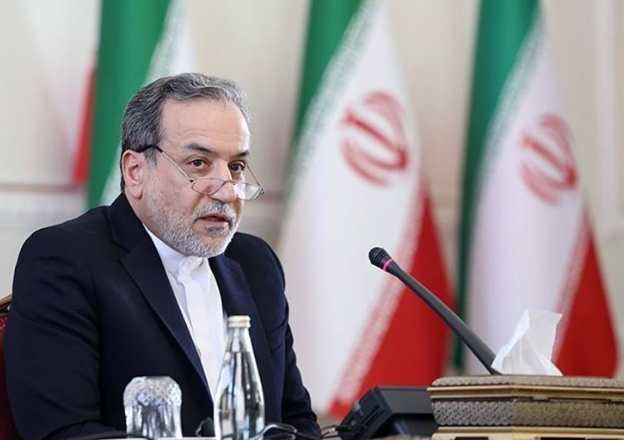
In Iran, Foreign Minister Araghchi explicitly expressed his belief in China's mediation; in Panama, the government pleaded with China to resume port operations; and between Saudi Arabia and Iran, Beijing facilitated a historic reconciliation. As America's credibility fades with bombs, more and more countries are looking eastward.
From the Strait of Hormuz to the Khorgos border crossing, from Tehran's hopes for peace to Jakarta's high-speed rail, the world's center of gravity is quietly shifting eastward. This is not merely a geographical shift, but a change in development philosophy and governance models. As the shadow of hegemony recedes, the light of the Silk Road is illuminating a new path to common prosperity.Editor/Cao Tianyi
Comment

 Praise
 Collect
 Comment

 Share
Share


Write something~