 Search


- China's waste incineration industry is accelerating its overseas expansion, moving from project output to technology
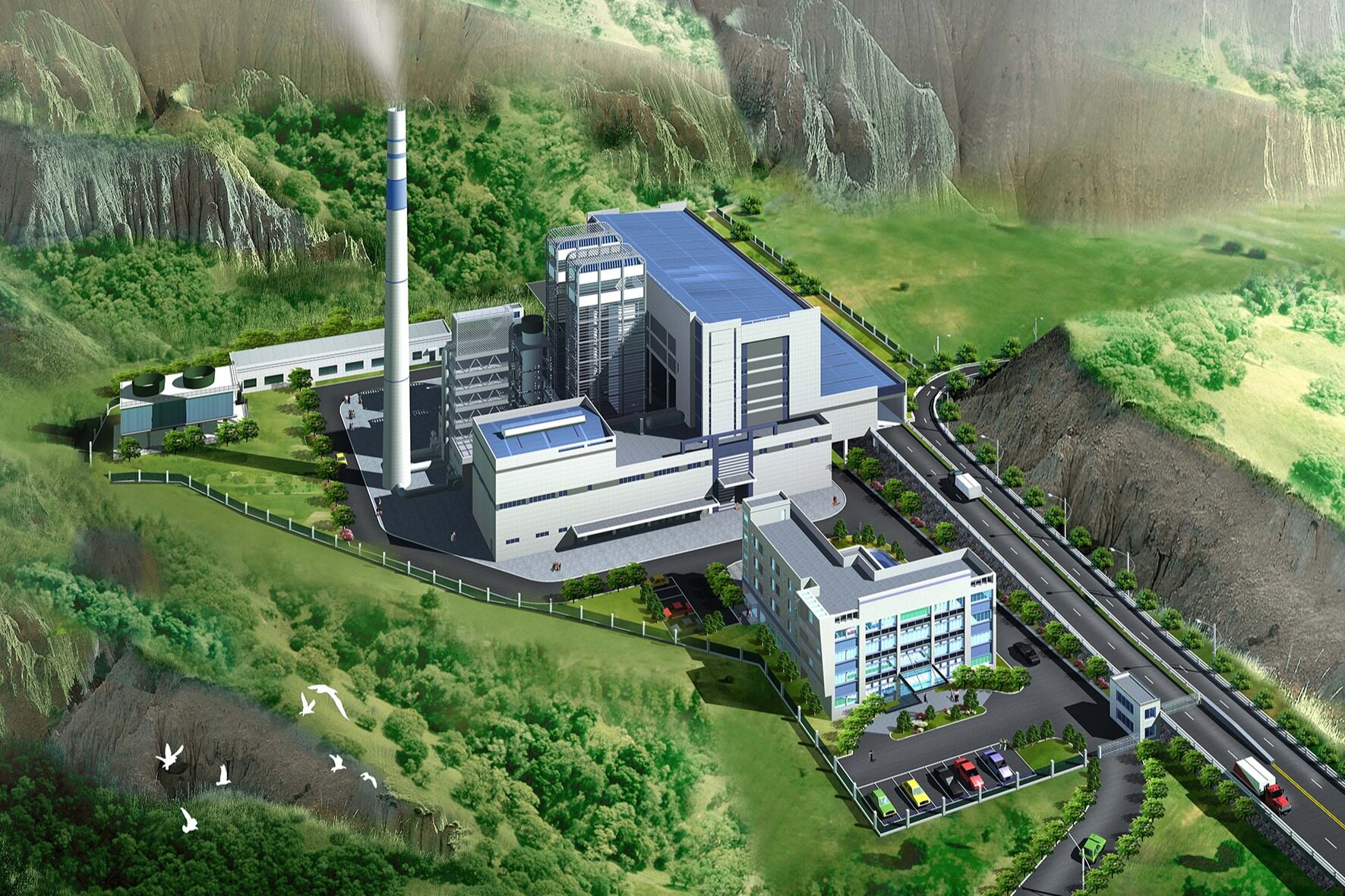
In March 2026, at the site of a waste incineration power generation project in Surabaya, Indonesia, Chinese engineers were guiding local workers in installing flue gas purification system equipment. After completion, this project with a daily processing capacity of 1000 tons will become the largest domestic waste to energy facility in eastern Indonesia. And in the new administrative capital of Egypt, thousands of miles away, another Chinese technical team has just completed the feasibility study and survey of the waste incineration power generation project. From Southeast Asia to Africa, from Europe to the Americas, China's waste incineration industry is spreading globally like wildfire.
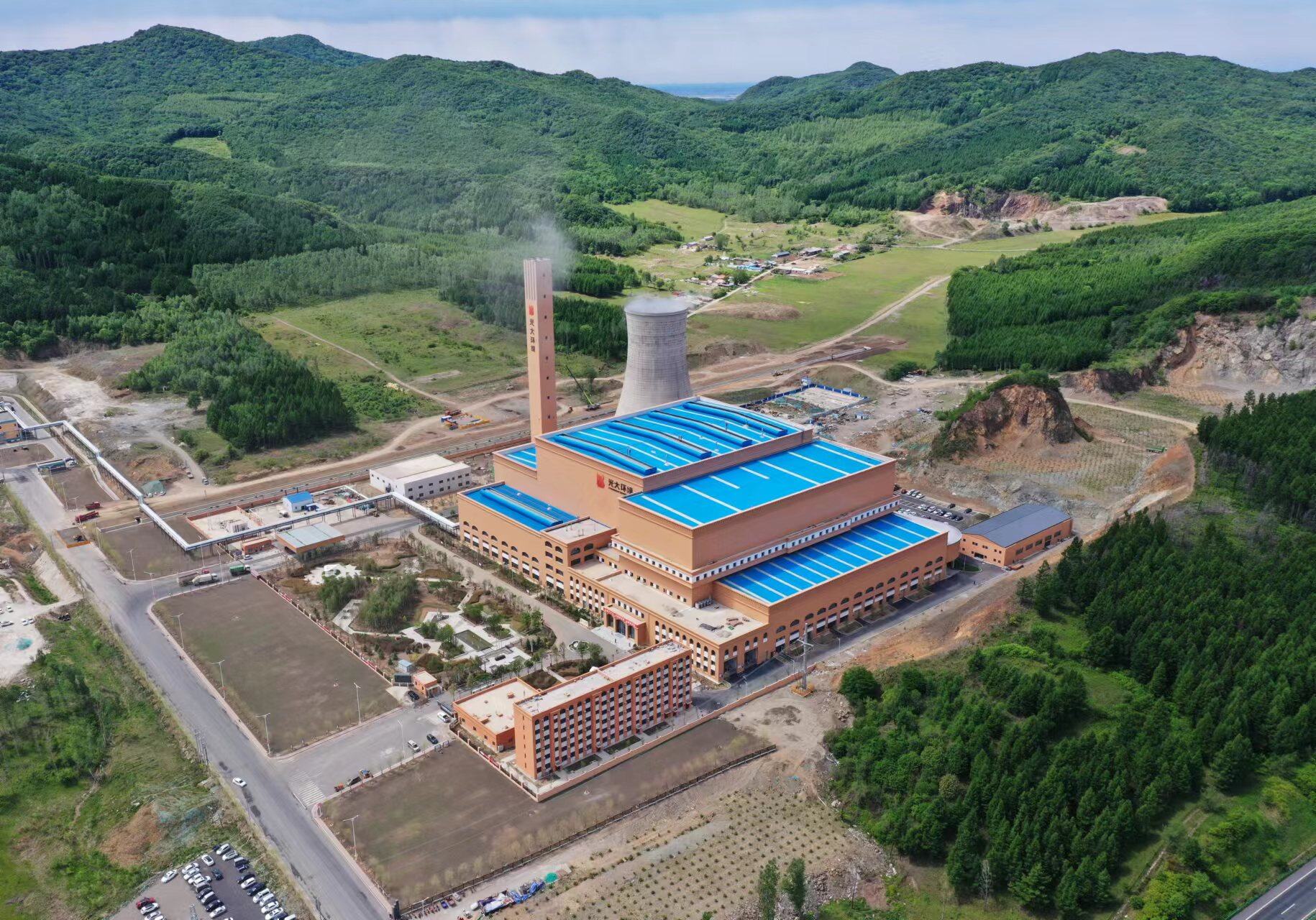
Hundreds of projects spread across five continents
According to statistics from the China Environmental Protection Federation, by the end of 2025, Chinese companies have participated in over a hundred overseas waste incineration projects, covering Asia, Europe, Africa, the Americas, and Oceania. The achievement of this achievement marks that China's environmental protection industry is growing from a deep cultivator in the domestic market to an important construction force for global green infrastructure. In Southeast Asian countries such as Thailand, Vietnam, and Malaysia, waste incineration projects undertaken by China have become benchmark projects for local solid waste treatment.
Policy system safeguards and protects
From top-level strategies to financial instruments, multi-level policies provide systematic support for China's waste incineration going global. The the Belt and Road Initiative creates policy space for the implementation of green infrastructure in countries along the Belt and Road. The National Development and Reform Commission's Green and Low Carbon Transformation Industry Guidance Catalogue lists waste incineration power generation as a key supported area. The Ministry of Industry and Information Technology and three other departments have clearly proposed to support advantageous environmental protection equipment enterprises in undertaking international projects. Policy oriented financial institutions effectively alleviate the financial pressure of overseas investment for enterprises through long-term preferential loans, export credit, insurance and other services. Keywords: Macro News Network, Green Development
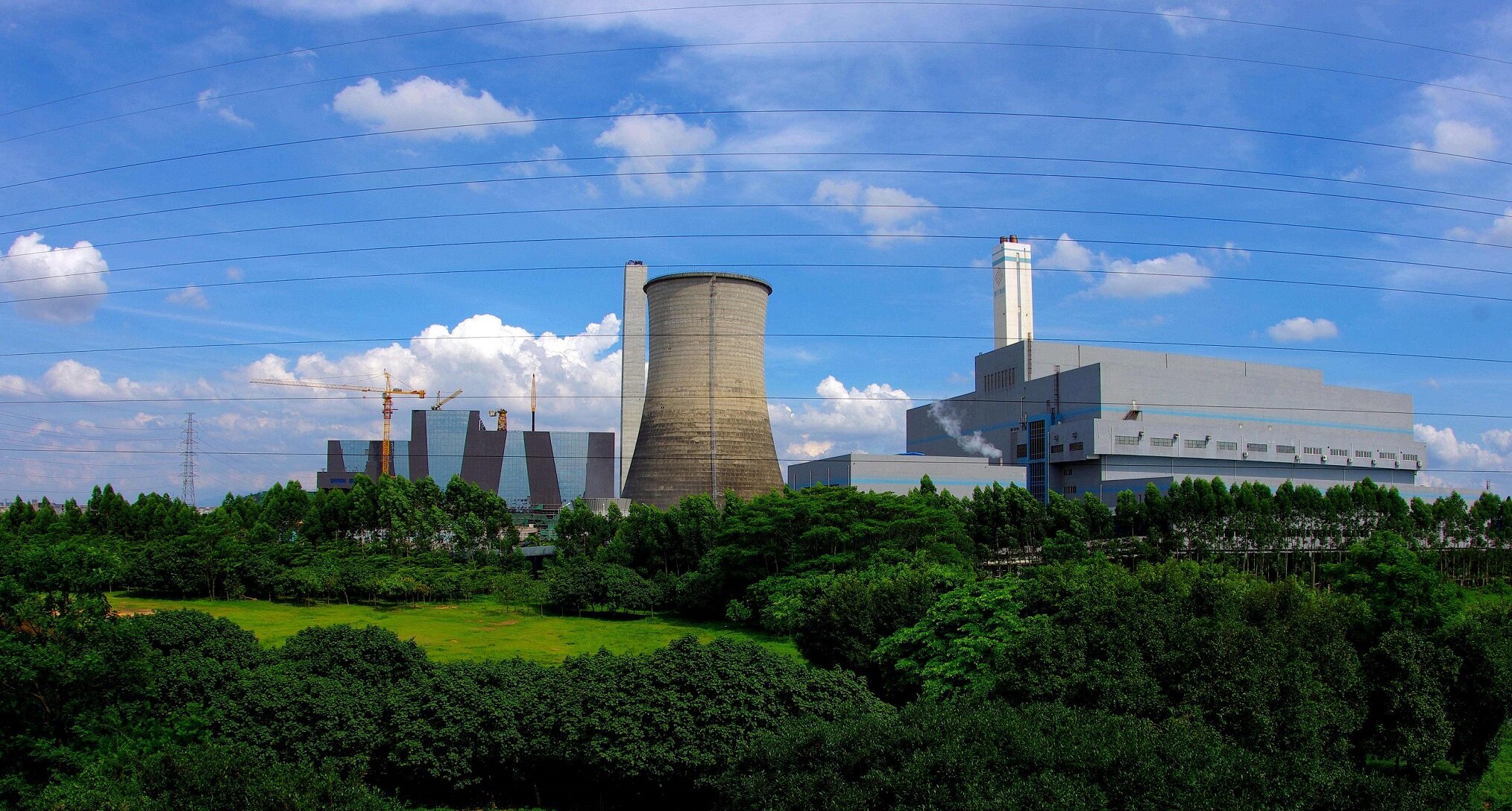
From project output to standard output
As the pace of going global accelerates, Chinese enterprises are moving from a single project to a comprehensive output of technology, standards, management, and brand. In Thailand, Chinese companies have also participated in the revision of local waste incineration standards while undertaking projects. In Ethiopia, the Chinese team not only provides equipment, but also trains the first batch of professional technical personnel for waste to energy generation in the local area. In the future, with the continuous optimization of domestic policies and deep integration with the international market, China's waste incineration industry is expected to play a greater role in the global green transformation, contributing more Chinese wisdom and solutions.Editor/Gao Xue
Comment





 Praise
 Collect
 Comment

 Share
Share


Write something~