 Search


- The economic growth rate of Central Asia has reached twice the level of global development
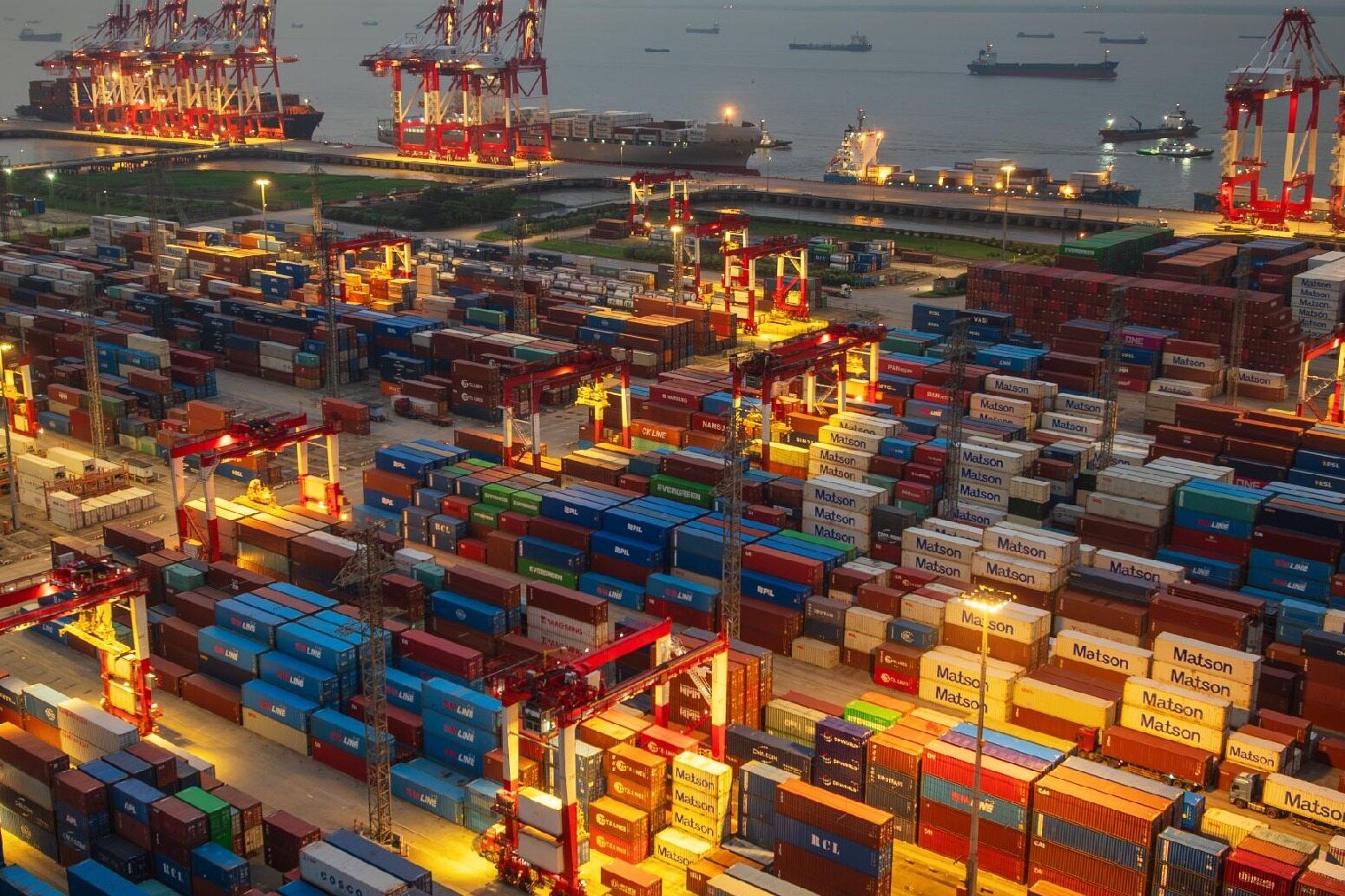
While the global economy is still struggling to move forward under the clouds of inflation and geopolitical conflicts, a completely different economic boom is coming from the heartland of Central Asia. According to the latest macroeconomic report released by the Eurasian Development Bank, the economic growth rate of Central Asian countries in 2025 is about 7%, almost twice the average growth rate of 4.4% for developing economies worldwide. From Bishkek to Astana, from Tashkent to Dushanbe, the core area of the ancient Silk Road is becoming a beautiful scenic spot among developing economies around the world with remarkable growth rates.
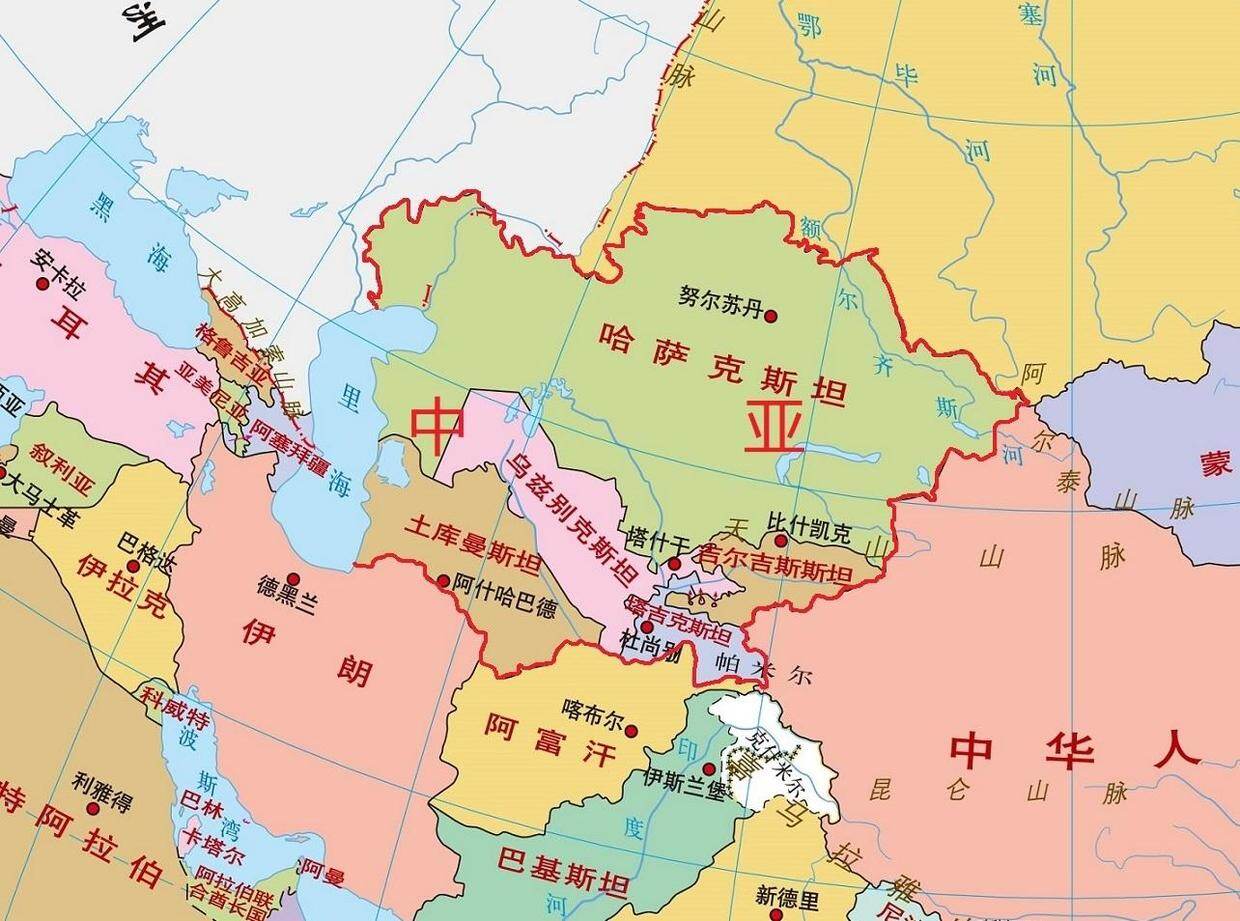
Kyrgyzstan leads the region in terms of growth rate
Among the five Central Asian countries, Kyrgyzstan continues to maintain its leading position in the region. In 2025, the country's gross domestic product will grow by 11.1%, and from January to February 2026, it will increase by 8.8% year-on-year, with investment and consumption becoming the main driving forces. Despite rapid economic growth, inflationary pressure still exists, with an annual inflation rate of 9.5% at the beginning of 2026, higher than the target range of 5% to 7% set by the Bank of Kyrgyzstan. To this end, the National Bank of Kyrgyzstan maintains a tight monetary policy and raised the benchmark interest rate to 12% in February of this year. Last year, the total foreign trade volume of Kyrgyzstan reached 15.8 billion US dollars.
Ha Wuta has maintained a high growth rate
Other Central Asian countries have also submitted impressive performance reports. Kazakhstan's economy grew by 6.5%, reaching a new high in 13 years. Industry played a key role, with mining growing by 9.4% and manufacturing growing by 6.4%. Uzbekistan's economic growth accelerated to 7.7%, higher than the previous year's 6.7%, with strong support from investment, service and construction industries. Tajikistan maintains a stable high growth rate of 8.4%, with trade and investment continuing to support the growth momentum in early 2026. Analysts from the Eurasian Development Bank say that relying on its own growth drivers such as domestic demand and investment, the Central Asian economy has been able to maintain resilience in the face of global geopolitical changes and fluctuations in commodity prices. Keywords: Strategic News Network, Economic Development

The growth rate of Russia and Belarus has significantly slowed down
In sharp contrast to the Central Asian region, the economic growth of other major member countries of the Eurasian Development Bank is showing a slowing trend. Russia's GDP growth rate will drop to 1% in 2025. In January 2026, due to the decline in manufacturing output, the economy experienced a negative growth of 2.1%. The central bank lowered the benchmark interest rate to 15.5% in February. Belarus' GDP grew by 1.3% for the whole year last year, but in January 2026, due to a decline in external demand, the economy contracted by 1.2%. Armenia maintains a strong momentum, benefiting from the IT and construction industries, with GDP growth of 7.2% in 2025 and 7.6% at the beginning of 2026.Editor/Gao Xue
Comment


 Praise
 Collect
 Comment

 Share
Share


Write something~