 Search


- New Delhi is trying to solve a heavy geopolitical dilemma in a lighter way
- A five-year plan costing 310 million US dollars has been approved, aimed at adding 1.5GW of small hydropower installations to remote border areas
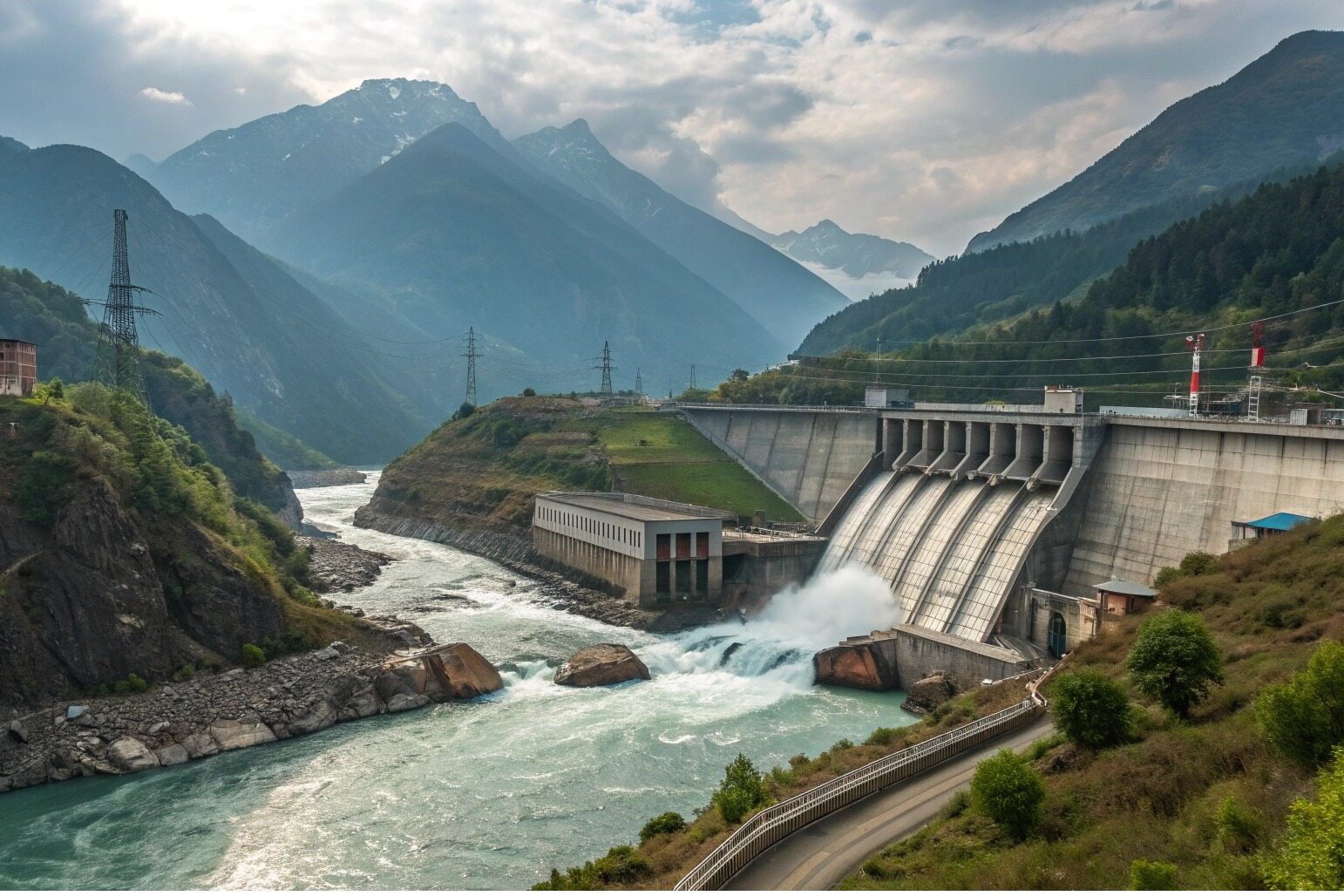
New Delhi is trying to solve its heavy energy and geopolitical challenges in a lighter and more decentralized way. The Indian federal cabinet recently officially signed a five-year plan worth 25.846 billion Indian rupees, approximately 310 million US dollars, aimed at adding 1.5 gigawatts of small hydropower installations in remote, northeastern, and border areas by 2031.
Unlike the previous obsession with large dams, this policy, seen as a strategic adjustment, is directing capital towards sensitive areas that are difficult for the power grid to reach but have extremely high geopolitical value. At a time when large-scale infrastructure projects are stalled due to land acquisition and environmental reviews, small hydropower has become a key lever for India to achieve energy inclusiveness and border stability.
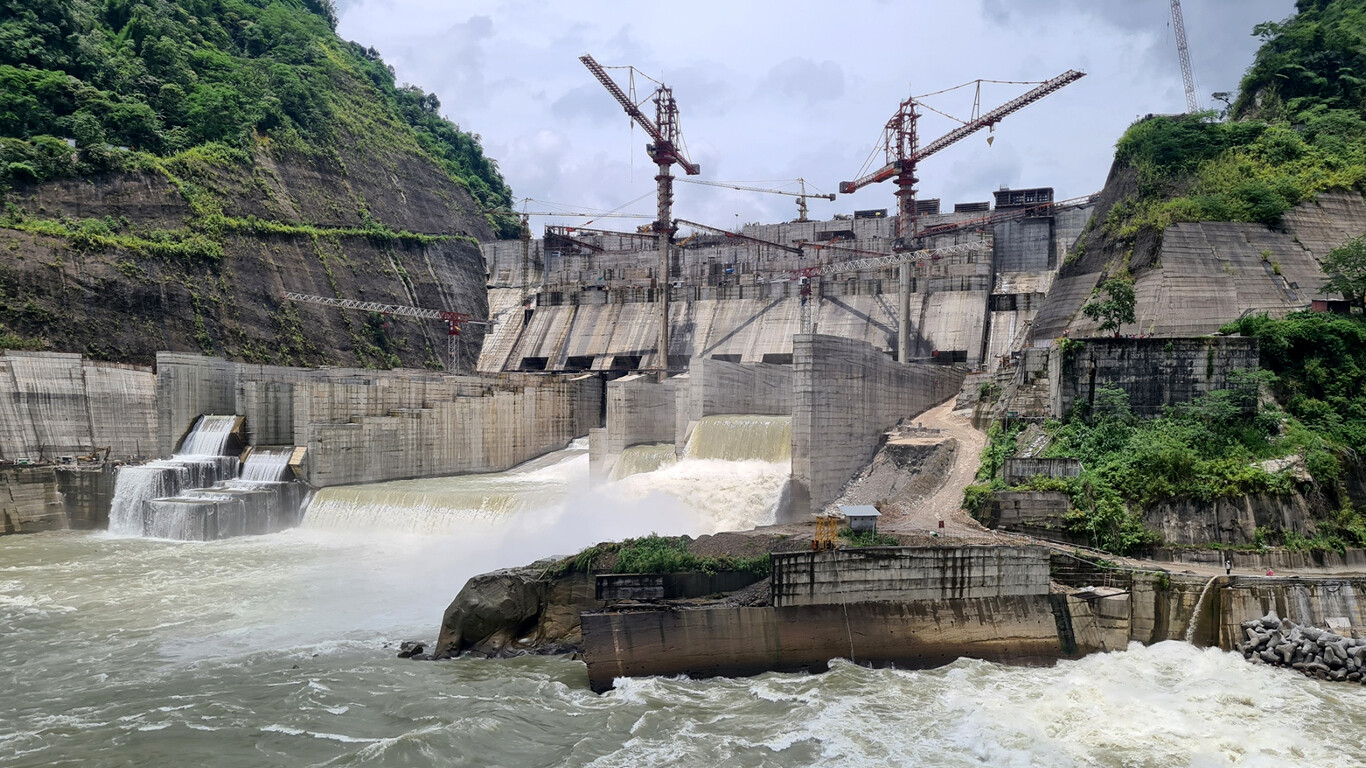
Border projects receive 30% cost coverage
The core logic of this plan lies in precise drip irrigation. According to the regulations of the Ministry of Finance, the project is divided into two priority tiers: for projects in the northeastern states and border areas, the central government provides financial assistance of up to 3.6 million Indian rupees per megawatt, approximately 430000 US dollars per megawatt, which can cover 30% of the total project cost, with a maximum limit of 30 million rupees per project;
Other regions can only receive aid of 2.4 million rupees per megawatt, with a coverage limit of 20%.
This differentiated geopolitical premium aims to hedge against investment uncertainty in high-risk regions. In terms of fund allocation, approximately 305 million US dollars will be directly used as development subsidies, which is expected to leverage up to 1.5 trillion Indian rupees and approximately 600 million US dollars in total social investment; Another $3.2 million is dedicated to the detailed survey and report preparation of nearly 200 reserve projects, to build a project library for subsequent financing.
Localization Enforcement and Distributed Dividends
To avoid repeating the mistake of relying on imported new energy equipment, the new policy sets strict localization thresholds - all approved projects must purchase equipment from local Indian manufacturers. This directive directly benefits local heavy industry enterprises such as BHEL and attempts to replicate their supply chain integration experience in the photovoltaic industry in the field of hydroelectric turbine manufacturing.
The deeper strategic value lies in the distributed nature of small hydropower: as a clean energy source that does not require long-distance transmission, it can fill the power vacuum in border posts and remote villages with extremely low network loss rates.
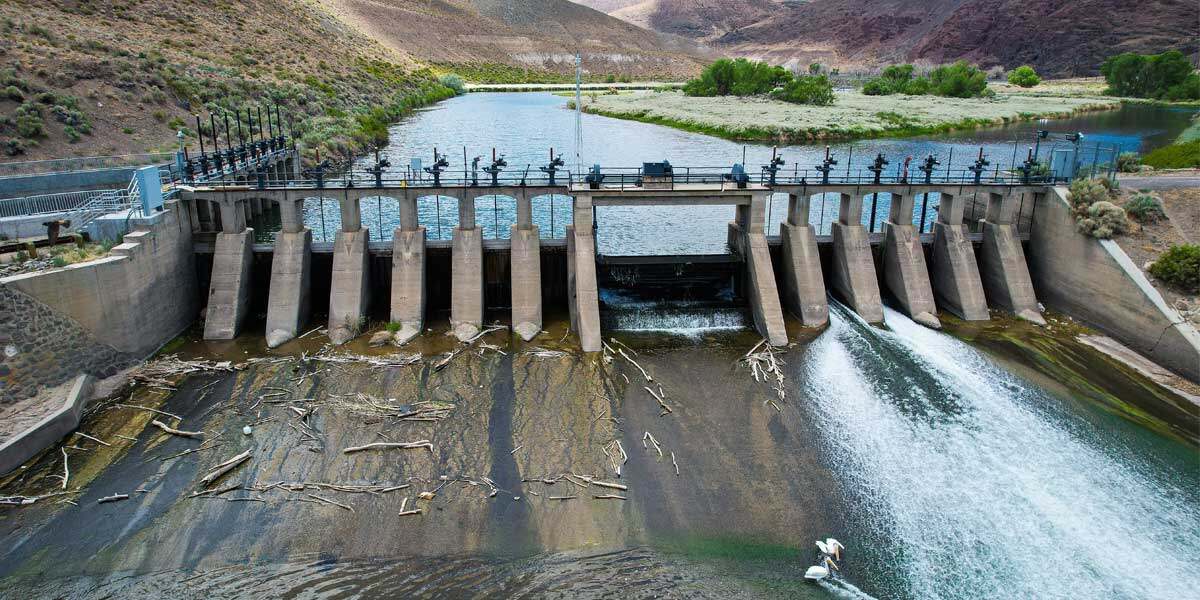
According to calculations by the Ministry of Electric Power, compared to the construction period of large-scale hydropower projects, which often takes ten years, small hydropower projects with a capacity of 1-25 megawatts can be put into operation within 2-3 years with minimal ecological disturbance to the watershed.
Employment Engine and Zero Carbon Defense Line
The ambition of this plan goes beyond power generation. The Indian government predicts that the construction period will release about 5.1 million working days of employment opportunities, which is not only an economic stimulus but also a political bargaining chip for rural areas with high unemployment rates.
At the climate level, small hydropower is seen as the best patch for India to achieve its 2030 target of 500 gigawatts of renewable energy, as it avoids accusations of carbon emissions from coal-fired power generation and addresses the high cost and pollution issues of diesel generators. Keywords: Southeast Asian news, hydropower plan
With the implementation of this plan, India is attempting to weave a massive zero carbon power grid using countless tiny streams of water in the foothills of the Himalayas and the northeastern jungle region.Editor/Cheng Liting
Comment

 Praise
 Collect
 Comment

 Share
Share


Write something~