 Search


- The completion of the project helps upgrade Da Nang from a tourist city to an international logistics hub in the central region
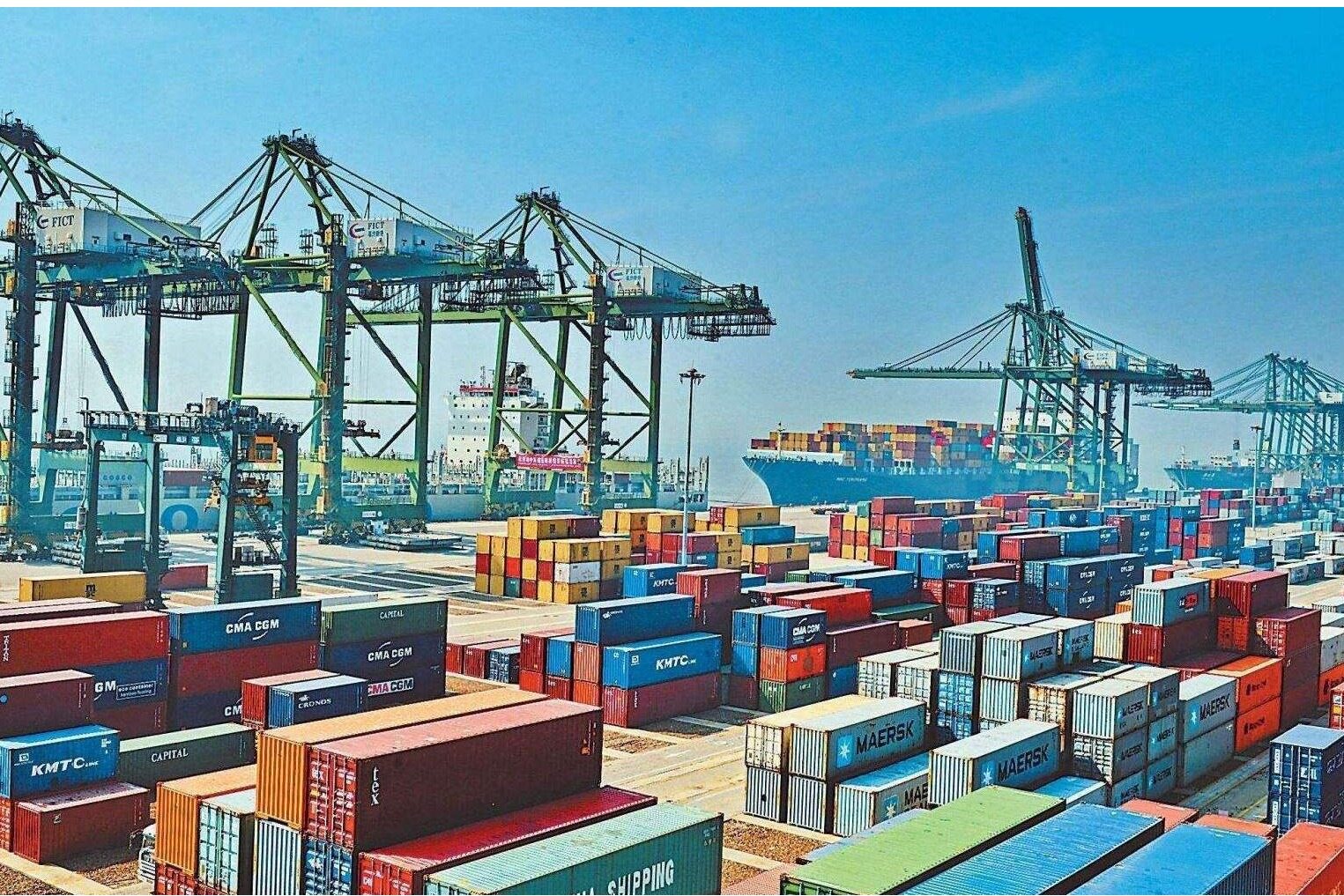
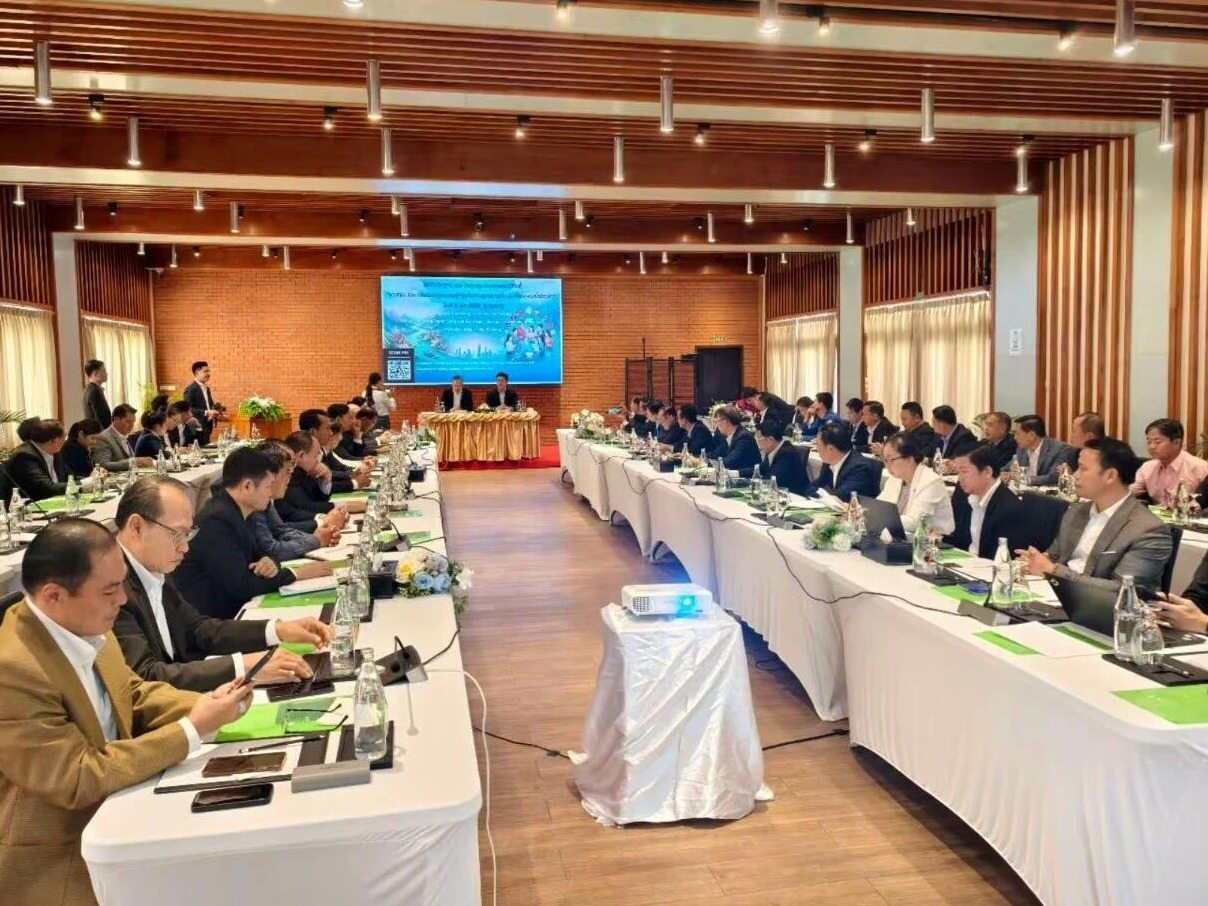
In the meeting room of the People's Committee of Danang City in central Vietnam, a heavy investment decision was officially issued. When the leaders of Da Nang city stamped the approval documents for the Liannuo Container Port project, this city, renowned for its beautiful beaches, quietly embarked on a transformation from a "tourist destination" to an "international logistics hub". The total investment exceeds 1.7 billion US dollars, jointly implemented by a consortium of local Vietnamese giant Hateco Group and global port operator Maersk Terminal - the landing of this mega project is redefining the sea route in central Vietnam.
Local and international strong alliance
The project investment consortium has a strong lineup: Hateco Group, as a strong local enterprise in Vietnam, is deeply involved in multiple fields such as seaports and real estate; Its professional port operation platform Hateco Harbour will join hands with APM Terminals, a leading global port operator. The latter belongs to the Maersk Group and operates 64 ports in 37 countries worldwide. The combination of local resources and international experience has injected solid development confidence into this long-distance running project with a 50 year operation period.
Ambitious throughput of eight berths
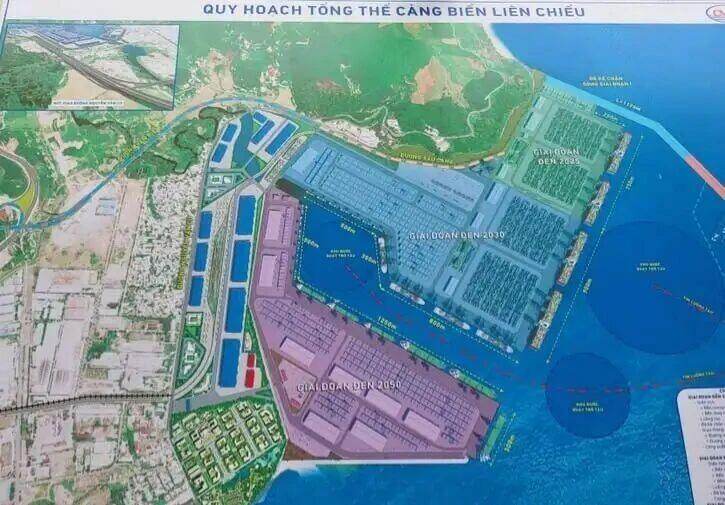
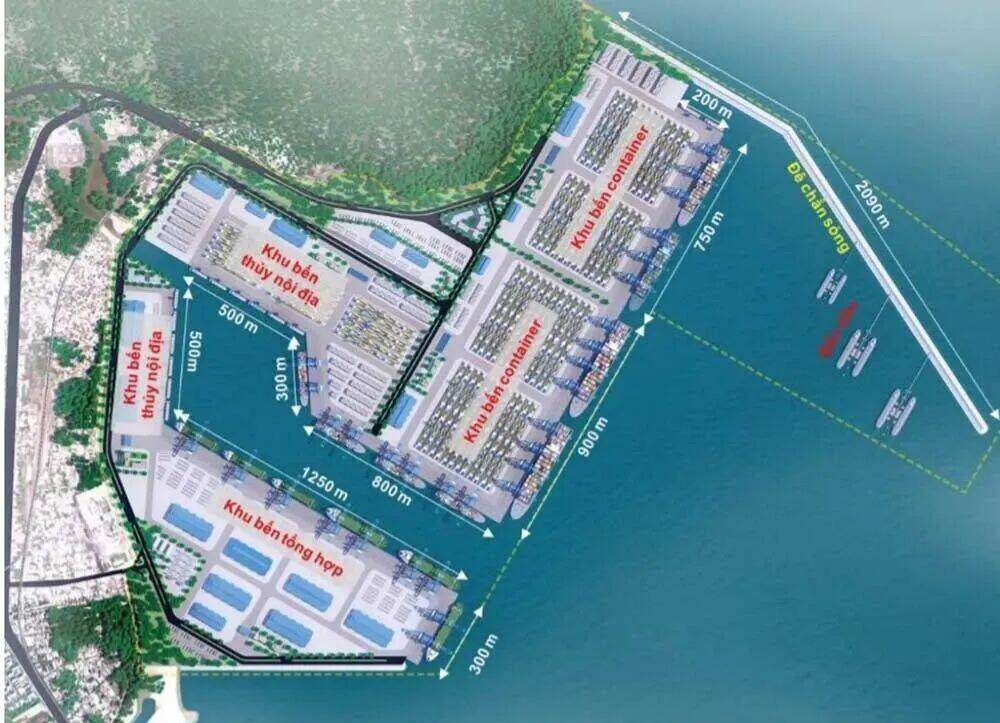
Lianzhao Port plans to construct 8 container berths, with a total shoreline length of approximately 2750 meters and a maximum berthing capacity of 18000 TEU container ships. According to the design, within 3 years after the first phase of the project is put into operation, the annual designed throughput will reach approximately 5.7 million TEUs. This means that in the future, goods departing from Da Nang can be directly shipped by giant container ships to major ports around the world without the need for transshipment, bringing tangible improvements in logistics efficiency and cost optimization to import and export enterprises. Keywords: Infrastructure Engineering News Network, Port Infrastructure
Railway barge multimodal transport
The project planning has been focused on a three-dimensional network from the beginning: supporting the construction of a 5000 ton barge dock, connecting other seaports and inland waterways, diverting goods to alleviate the pressure of road transportation; A railway dedicated line of about 1.5 kilometers will directly connect Lianzhao Port Area with Jinlian Station, enabling containers to be directly loaded onto trains from ships and radiating inland through Vietnam's railway network. At the same time, the complete ecosystem of container yards, customs inspection areas, and operation centers will be synchronously planned, and the multimodal transport mode of ports, railways, and barges will significantly reduce logistics costs and improve supply chain efficiency in the central region. The project clearly benchmarks against green port standards, integrates environmental protection concepts from the planning stage, and strives for international first-class levels in energy use, carbon emissions, pollution prevention and control.Editor/Gao Xue
Comment




 Praise
 Collect
 Comment

 Share
Share


Write something~