 Search


- This investment boom marks that energy storage is becoming the core pillar of grid stability and green power consumption
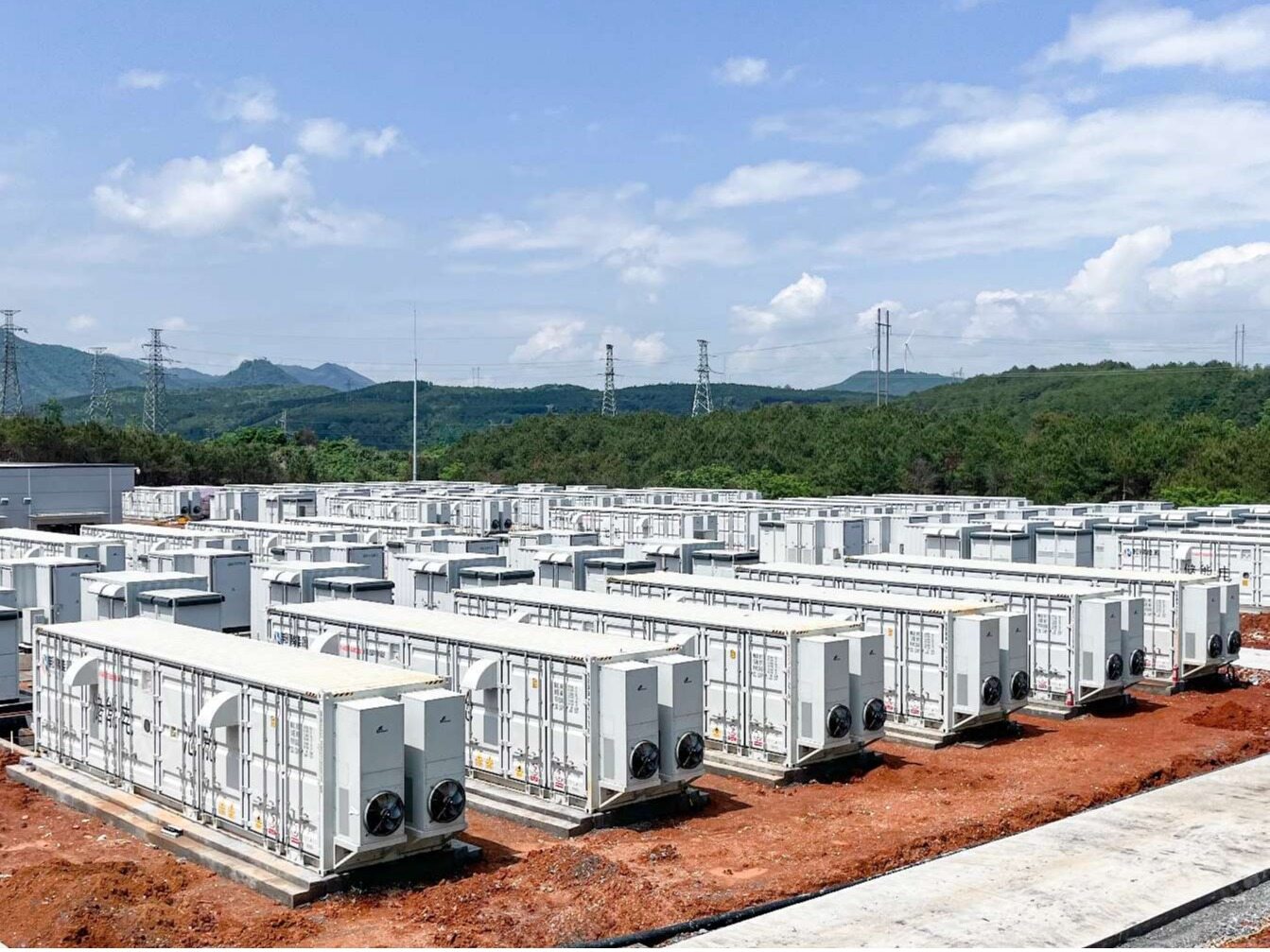
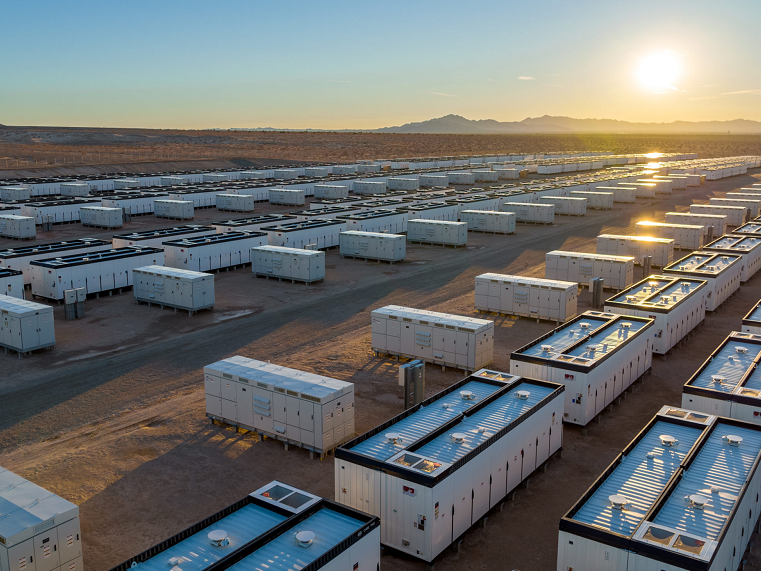
In the early morning, as the first ray of sunlight falls on the vast land of New South Wales, the photovoltaic panels of nearby solar farms begin to silently convert energy. In the nearby planning blueprint, a massive battery energy storage facility is about to be erected, ready to "store" the abundant solar energy during lunchtime and light up the lights of thousands of households at night. This is not an isolated case. From New South Wales to Victoria, and then to Queensland, an energy infrastructure competition led by battery storage is quietly heating up in Australia. The latest data shows that the total capacity of battery energy storage projects currently undergoing the approval process under the Federal Environmental and Biodiversity Conservation Act has surged to 5.5 gigawatt hours, marking the beginning of a profound energy revolution.
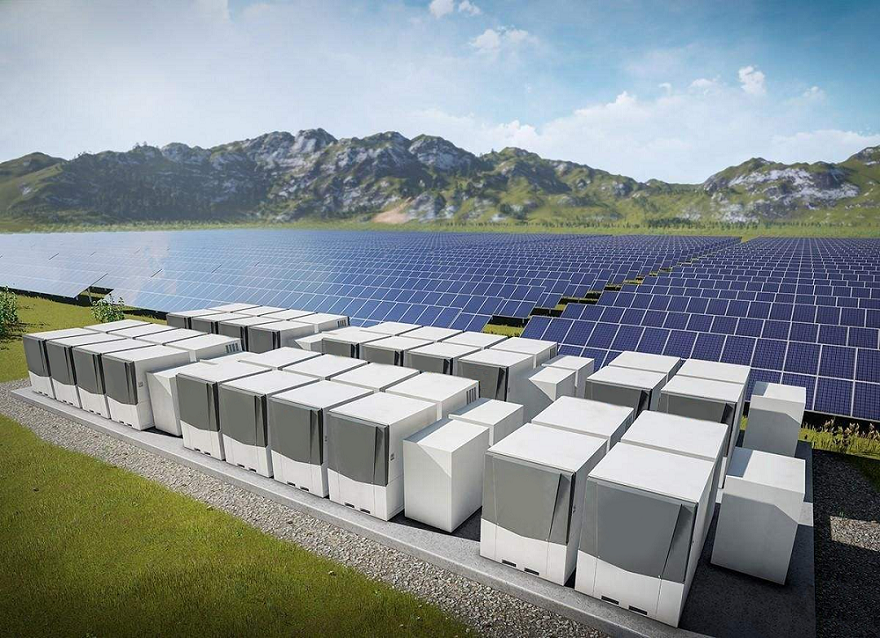
Why are energy storage projects experiencing a concentrated outbreak?
The leap in this data is not accidental. Behind it is the urgent need for Australia's energy structure transformation. With the gradual retirement of traditional coal-fired power plants and the increasing proportion of volatile renewable energy sources such as wind and solar power, the demand for flexible regulation resources in the power grid has become unprecedentedly strong. Large scale battery energy storage systems can quickly charge and discharge, like the "stabilizer" and "power bank" of the power grid, effectively smoothing out fluctuations in new energy output, participating in frequency regulation, and releasing electricity during peak electricity consumption or when renewable energy output is insufficient, ensuring power supply safety. The capacity of 5.5 gigawatt hours is sufficient to meet the short-term peak electricity demand of millions of households, and its strategic value is self-evident. The increase in investor confidence is precisely due to the core role and profit prospects of energy storage in the future electricity market.
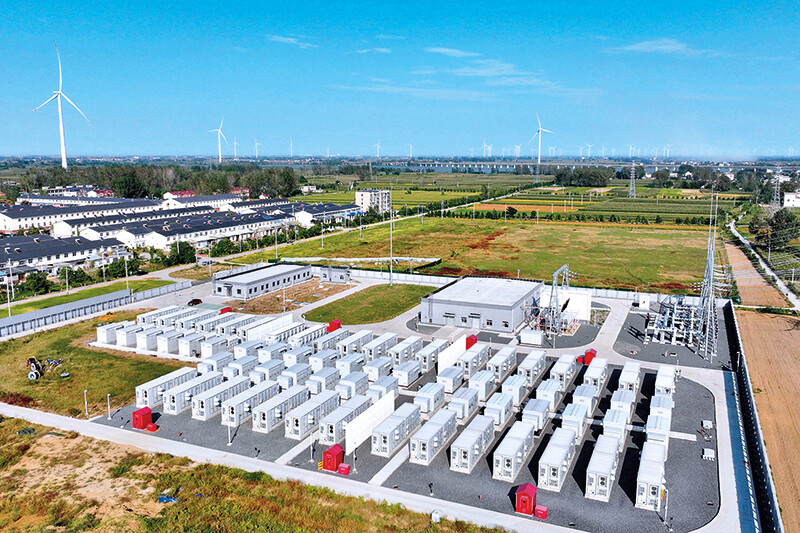
Dual driving forces of federal and local governments
The concentrated emergence of projects is due to the dual driving force at the policy level. The federal government evaluates large-scale projects through the Environmental and Biodiversity Conservation Act, examining not only their environmental impacts but also their macro contributions to national emission reduction targets and energy structure optimization. At the same time, state governments have also introduced their own incentive measures and simplified planning permit processes, actively attracting investment to ensure energy security and clean transformation in their respective states. This collaborative situation between the federal and local governments has created a favorable environment for the development of energy storage projects. It is worth noting that the current figure of 5.5 gigawatt hours only reflects projects that have entered the federal approval field, and the actual planned total market volume may be larger, indicating a stronger development momentum.
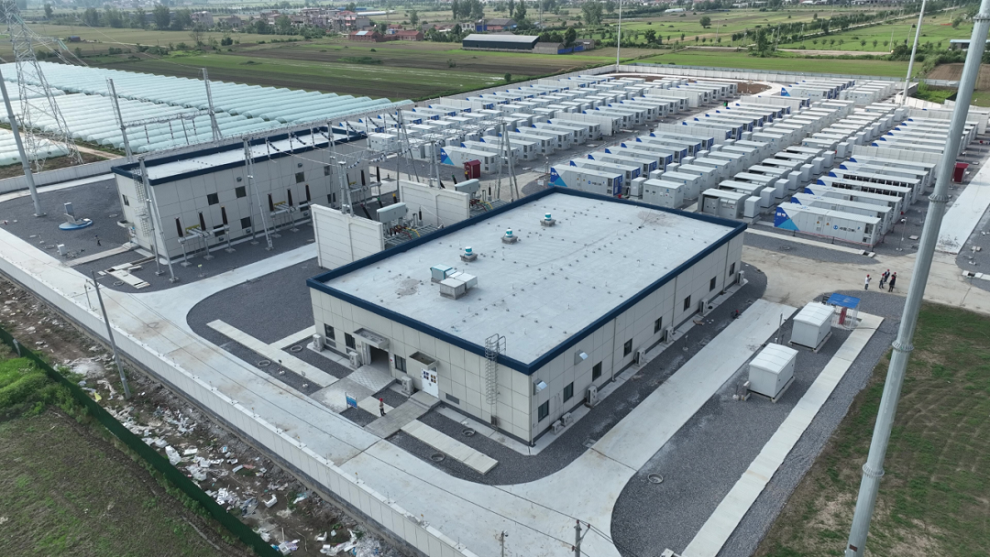
Challenges and Prospects Behind Opportunities
Despite the vast prospects, challenges still exist. Whether the project can smoothly transform from a blueprint to actual productivity depends on approval efficiency. The industry generally calls for optimizing processes so that projects can be put into operation in a timely manner and meet urgent power grid dispatch needs. At the same time, the construction of large-scale energy storage facilities inevitably involves land use and ecological impacts. How to strike a balance between rapidly promoting energy transformation and properly protecting the environment is an unavoidable core issue in the approval process. Looking ahead, as the approval process advances and technology costs continue to decline, Australia is expected to usher in a wave of concentrated construction and production of battery energy storage projects. This 5.5 gigawatt hour project reserve is not only a breakthrough in capacity numbers, but also a solid step for Australia to build a cleaner, more reliable, resilient, and cost controllable modern energy system.Editor/Yang Meiling
Comment

 Praise
 Collect
 Comment

 Share
Share


Write something~