 Search


- SCO Railway Collaborative Cooperation Will Improve Cross border Logistics Efficiency and Supply Chain Resilience

The sixth meeting of heads of railway management departments of Shanghai Cooperation Organization member states was held in Bishkek, the capital of Kyrgyzstan. Representatives from railway management departments of 10 countries, including China, Russia, India, Iran, Pakistan, Kazakhstan, Kyrgyzstan, Tajikistan, Uzbekistan, and Belarus, gathered together for in-depth discussions on topics such as deepening railway cooperation, digital transformation, and infrastructure upgrading, with the aim of improving regional cross-border logistics efficiency and consolidating the foundation for the coordinated development of the SCO supply chain.

Kyrgyzstan's freight volume increases by one-third in three years
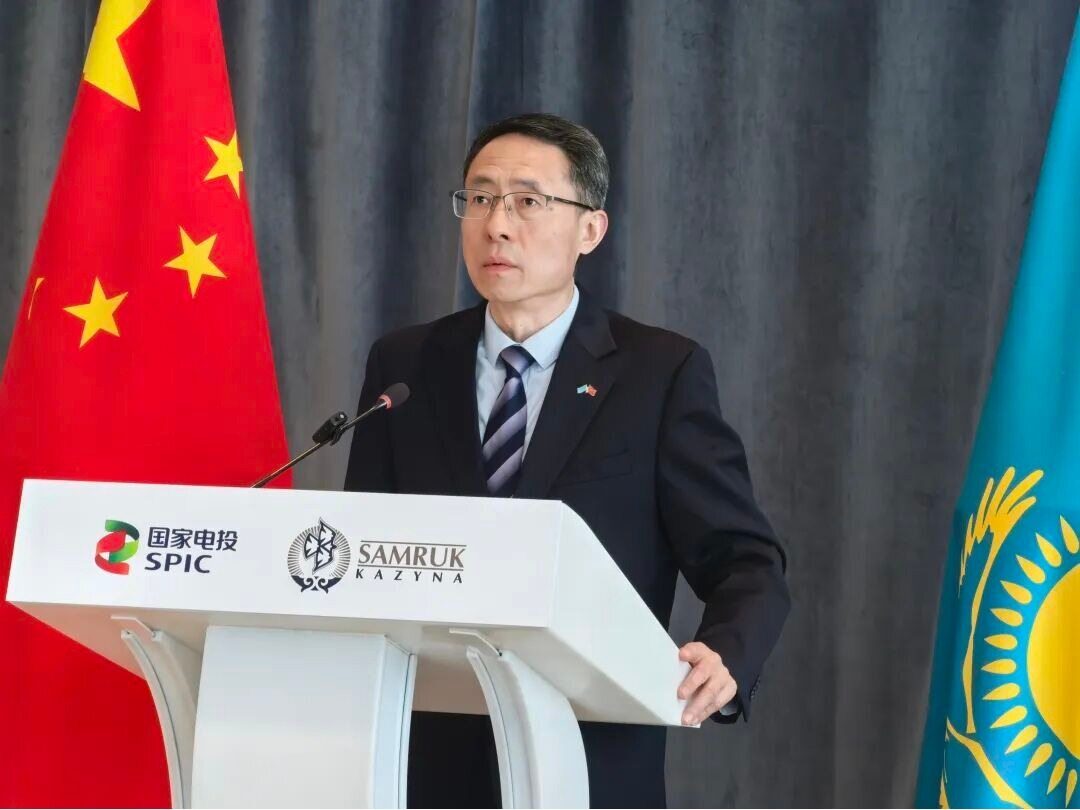
The host of the conference, Azamat Sakiyev, Director General of state-owned enterprise Temir Zulu in Kyrgyzstan, revealed in his speech that the freight volume between Kyrgyzstan and other member states of the Shanghai Cooperation Organization has increased by one-third in the past two years. He stated that Kyrgyzstan is currently prioritizing the development of international transportation corridors and digital transformation of railways, and the introduction of a unified transportation process model in 2025 has become an important milestone in the country's railway development.
The attending parties focused on discussing multiple progress in cooperation, including the implementation of previous decisions and the promotion of the interactive action plan before 2027. These discussions have clarified the direction for the coordinated development of railways under the framework of the Shanghai Cooperation Organization in the coming years.

Digital transformation solves the bottleneck of cross-border logistics
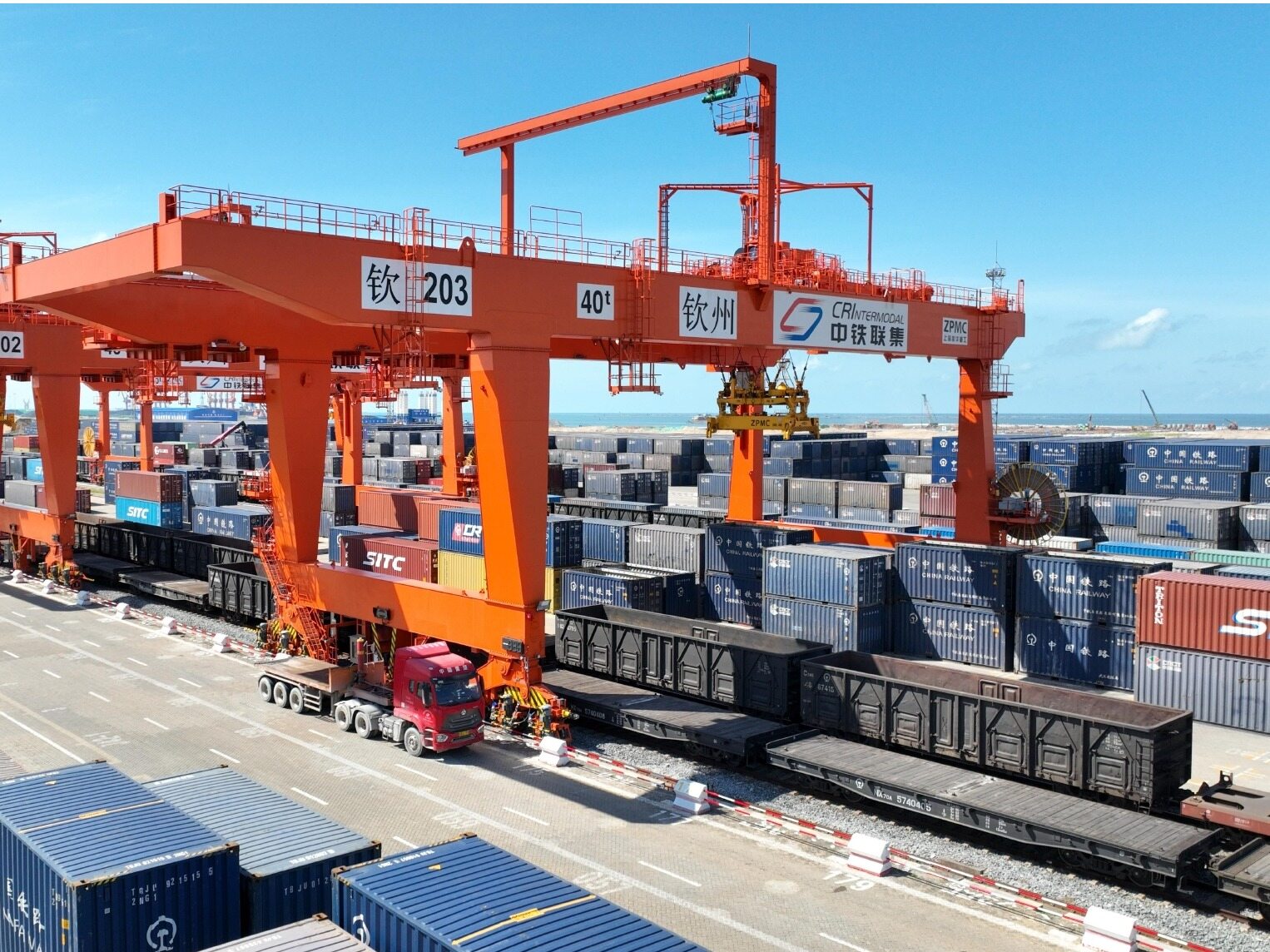
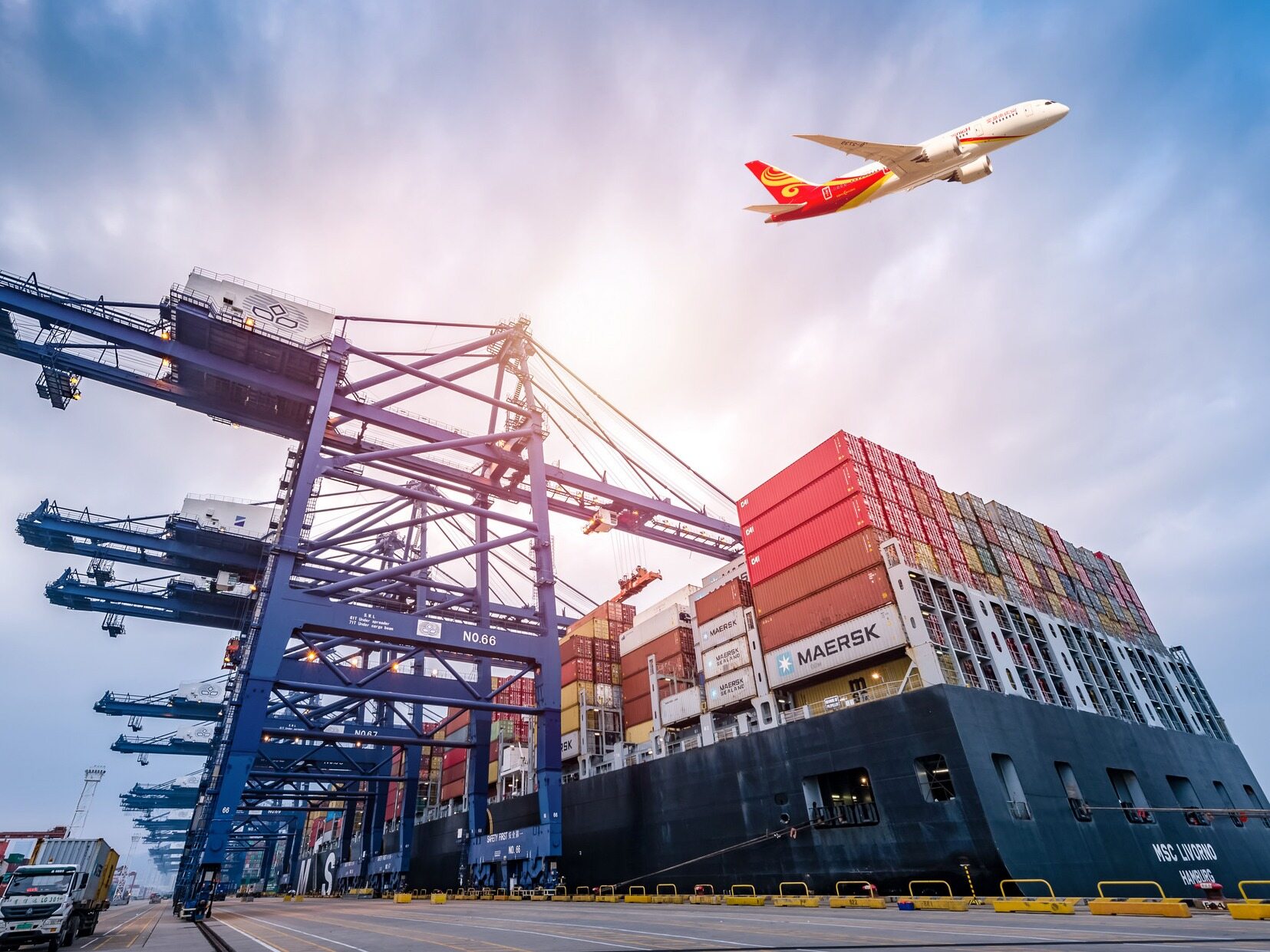
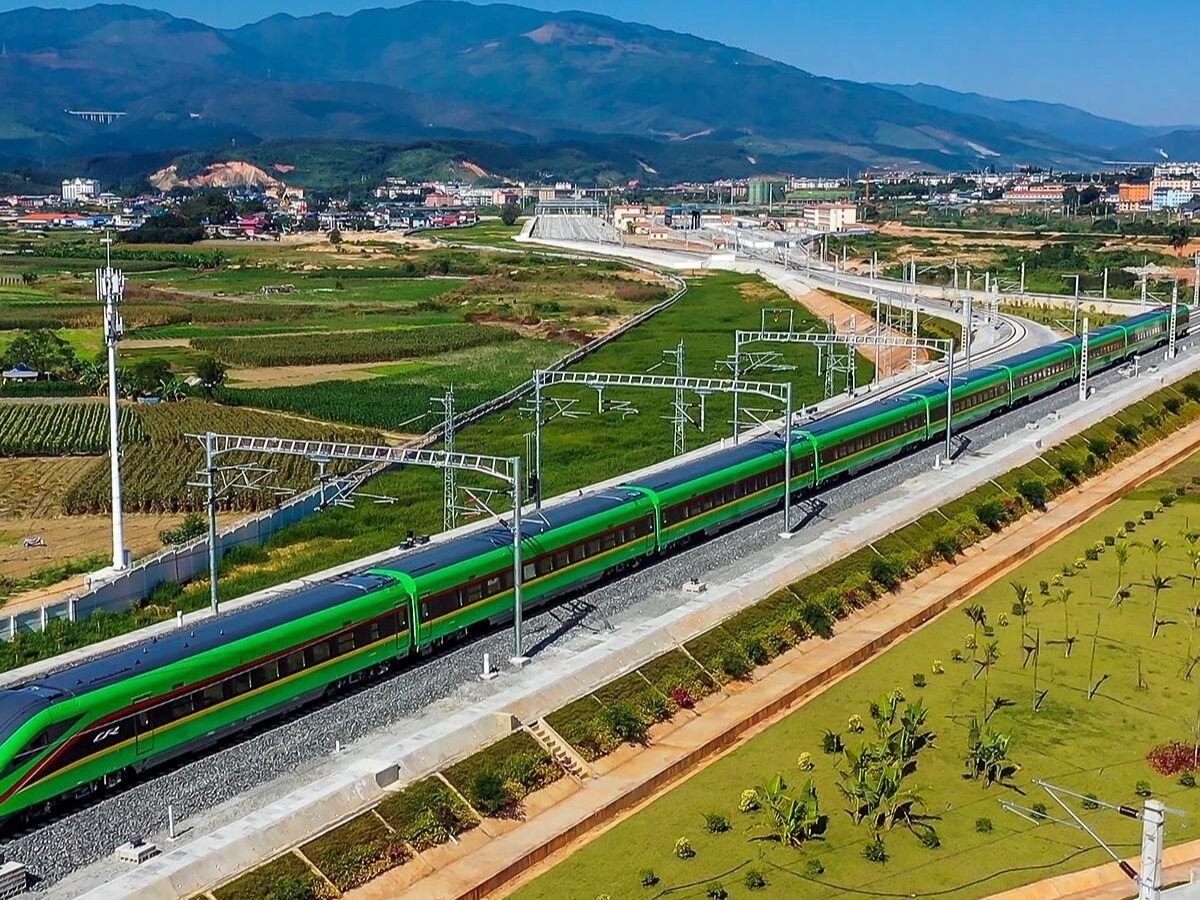
The demand for regional interconnectivity in the Shanghai Cooperation Organization is becoming increasingly urgent, and railways, as the core carrier of cross-border logistics, are becoming a key support for regional industrial and supply chain collaboration. Currently, member states are actively promoting the upgrading and digital integration of railway infrastructure, meeting the demand for efficient logistics in regional trade growth by simplifying operational processes and enhancing transportation transparency.
Digital transformation is regarded by the attending delegates as the core path to improve railway transportation efficiency and reduce logistics costs. By introducing digital means such as automated scheduling and intelligent customs clearance, railway systems in various countries are expected to achieve more efficient connections, significantly reducing the dwell time of cross-border goods at ports and improving the overall transportation experience.

Multilateral linkage consolidates the foundation of regional economic synergy
As the core local railway operator, Temir Zolu, a state-owned enterprise in Kyrgyzstan, is leading the digital construction of the country's railways and the development of international transportation corridors, committed to increasing transit freight volume. At this meeting, the railway management agencies of member countries reached a consensus to deepen cooperation in areas such as infrastructure modernization, integrated railway operation, and professional personnel training. Keywords: the Belt and Road news network, international cooperation
All parties will rely on digital solutions to integrate the railway system, promote the implementation of multilateral action plans, and jointly enhance the overall efficiency of regional railway cooperation. This series of measures will effectively empower the coordinated development of the SCO regional economy and lay a solid foundation for building a more efficient and resilient regional supply chain system.Editor/Gao Xue
Comment



 Praise
 Collect
 Comment

 Share
Share


Write something~