 Search


- Green power direct connection connects and consumes the last kilometer
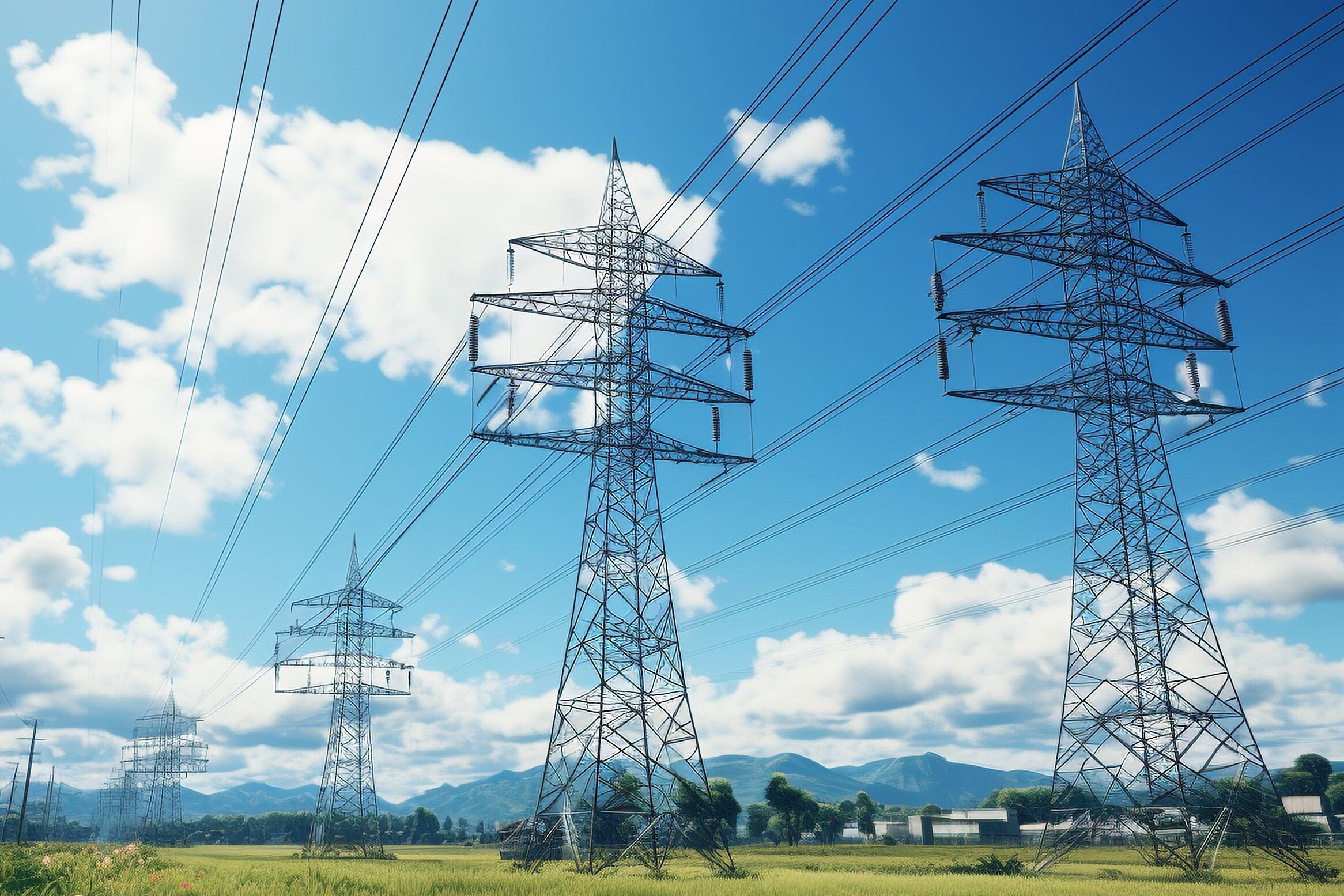
On April 4, 2026, the Development and Reform Commission of Xinjiang Uygur Autonomous Region announced that the first batch of new energy consumption projects in the region had been officially issued, and four green power direct connection projects had been approved. This marks the substantive implementation stage of the reform of local consumption of new energy in Xinjiang. The first batch of projects has a total installed capacity of 630000 kilowatts of new energy, all of which are grid connected projects covering industries such as polysilicon, coal chemical, oil and gas, and petrochemicals. They can add approximately 1.44 billion kilowatt hours of green electricity consumption annually, equivalent to reducing carbon dioxide emissions by more than 867000 tons.
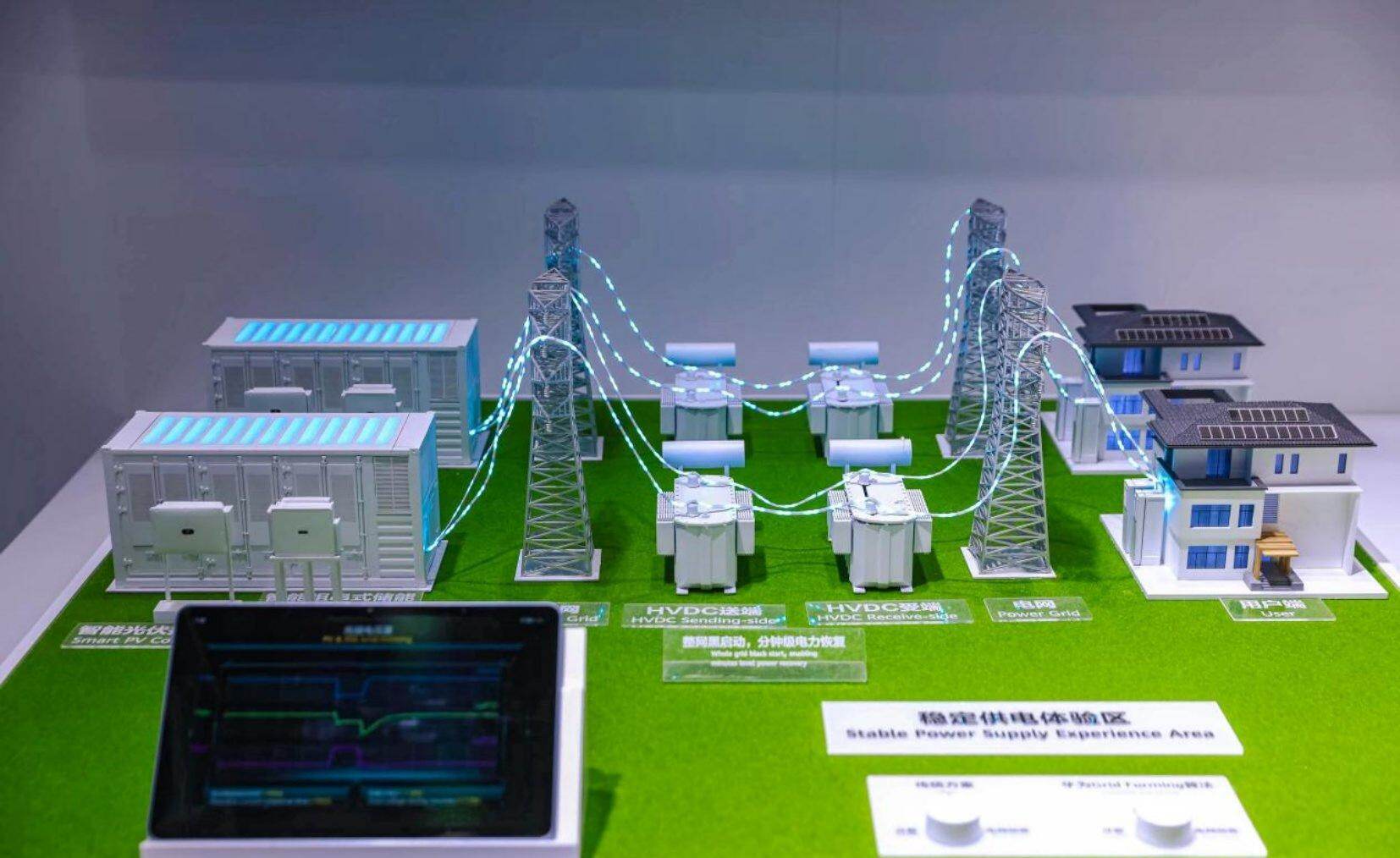
Four projects covering multiple industry application scenarios
The four approved green power direct connection projects are Yili Xintian Coal Chemical Co., Ltd. Green Power Direct Connection Project, Sinopec Tahe Petrochemical Co., Ltd. Green Power Direct Connection Project, Tarim Oilfield Aksu Shaya County Fuman Block Green Power Direct Connection Project, and Xinjiang Goens Energy Technology Co., Ltd. Green Power Direct Connection Project. These project application scenarios cover different industries such as polysilicon, coal chemical, oil and gas, petrochemical, etc., reflecting the wide applicability of the green power direct connection mode in the industrial field. Each project adopts a grid connected design to ensure the stability and reliability of power supply.
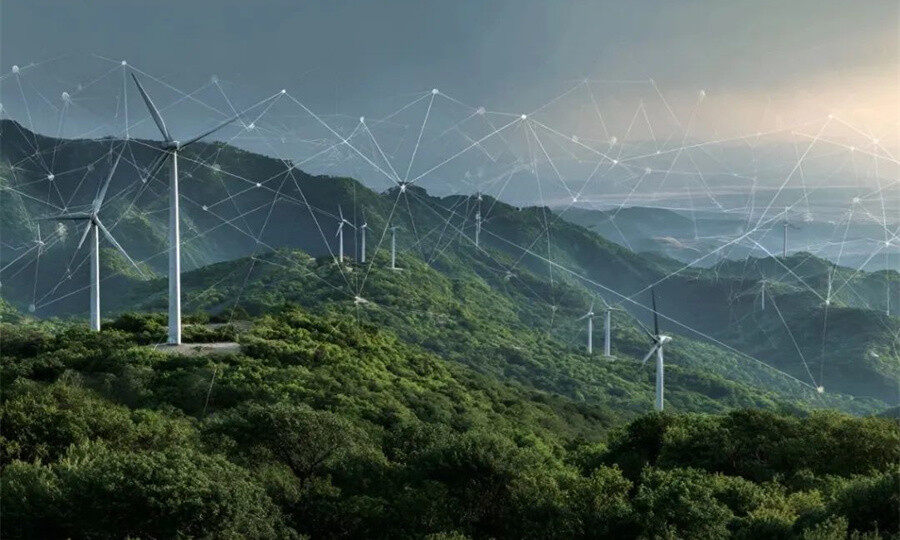
Green power direct connection opens up on-site consumption channels
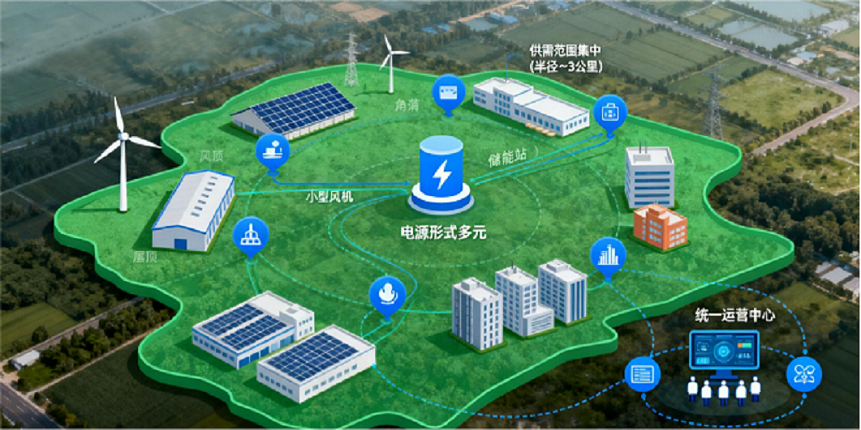
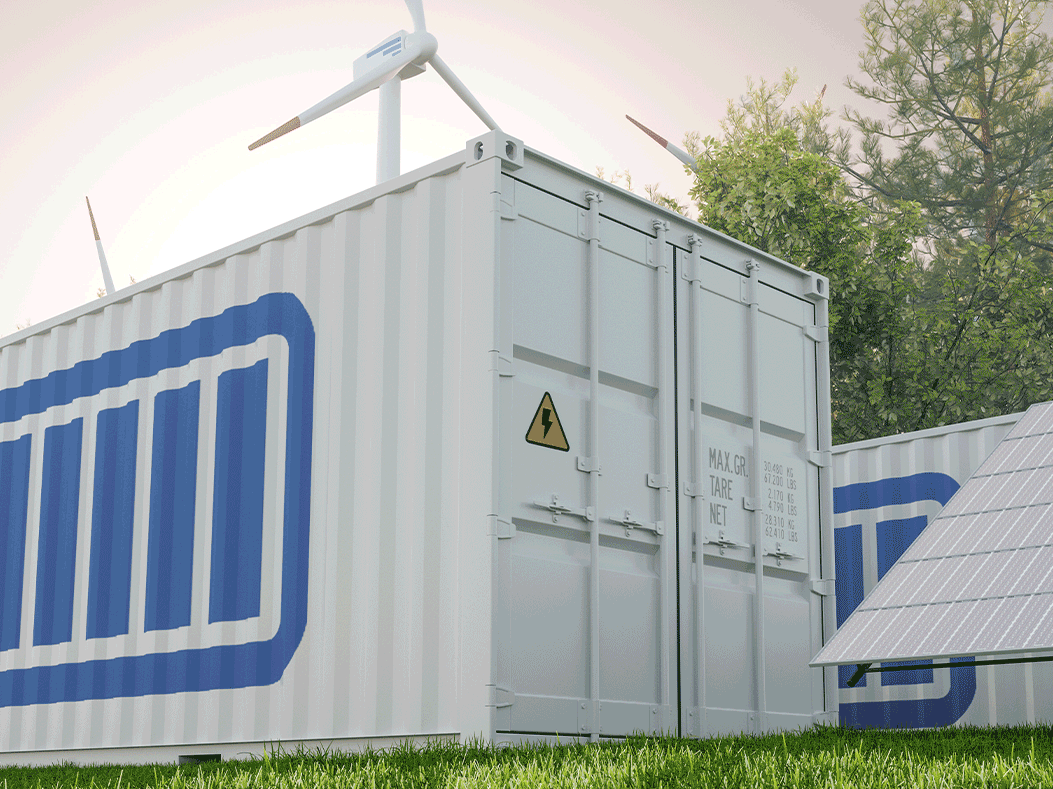
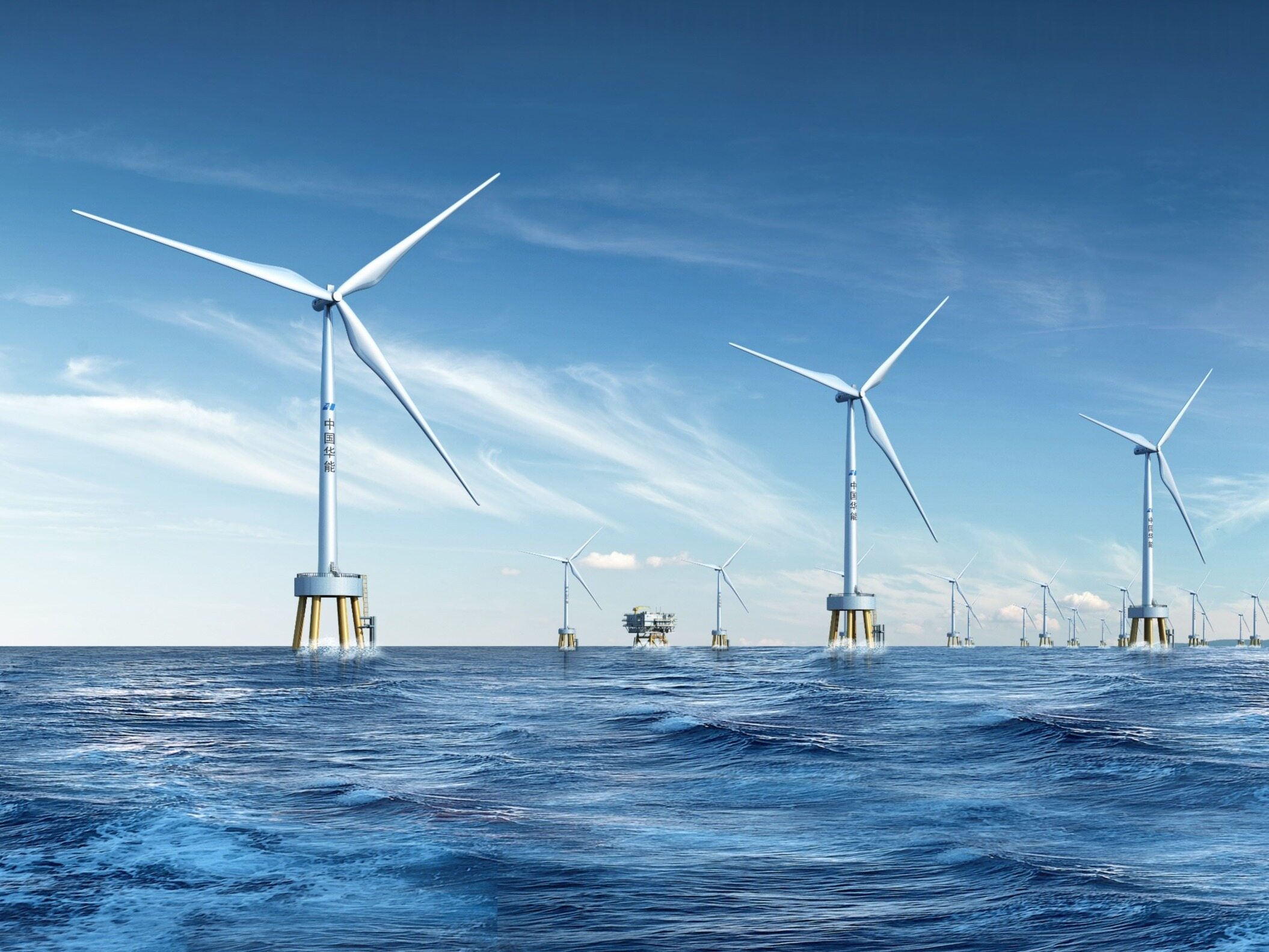
The core approach of green power direct connection is to directly transmit the wind and photovoltaic power generated on the Gobi Desert to power consuming ends such as factories and oil fields through dedicated lines, without going through the detour of the large power grid. This mode effectively solves the problem of abandoning wind and light, which can not be delivered by the wind and electricity in Xinjiang, and opens the last channel for the local consumption of clean energy. By using directly connected green electricity, enterprises can obtain traceable green electricity certificates, which is equivalent to labeling their products as low-carbon and gaining stronger competitiveness in the national and even global markets. At the same time, the construction of photovoltaic power stations also has the ecological benefits of sand fixation and control, achieving the dual goals of power generation and sand control. Keywords: Infrastructure Engineering News Network, Green Power Direct Connection, Xinjiang
Policy dividends accelerate the transformation of Xinjiang's energy advantages
Peng Shasha, Deputy Director of the Power Department of the Autonomous Region Energy Bureau, stated that they will closely track and monitor the construction and operation of the first batch of green power direct connection projects, timely overcome difficulties and bottlenecks, continuously accumulate practical experience, and fully release policy dividends. This is a crucial step for Xinjiang to implement its dual carbon goals. Through the direct connection mode of green electricity, Xinjiang is accelerating the transformation of local energy advantages into economic and low-carbon advantages, injecting green momentum into the high-quality development of the region. With the steady progress of the first batch of projects, green power direct connection is expected to be replicated and promoted in more industries and regions, becoming an important path for the nearby consumption of new energy.Editor/Gao Xue
Comment


 Praise
 Collect
 Comment

 Share
Share


Write something~