 Search


- This project promotes the transformation of Azerbaijan's power grid into a new model
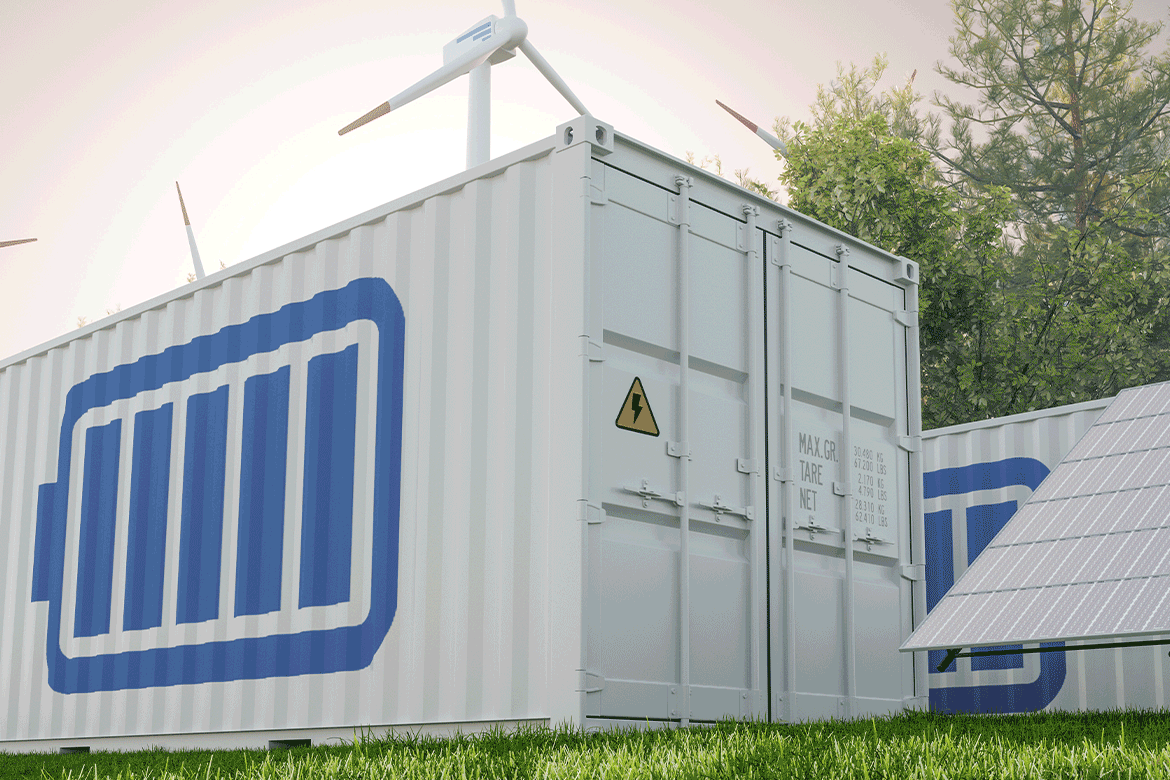
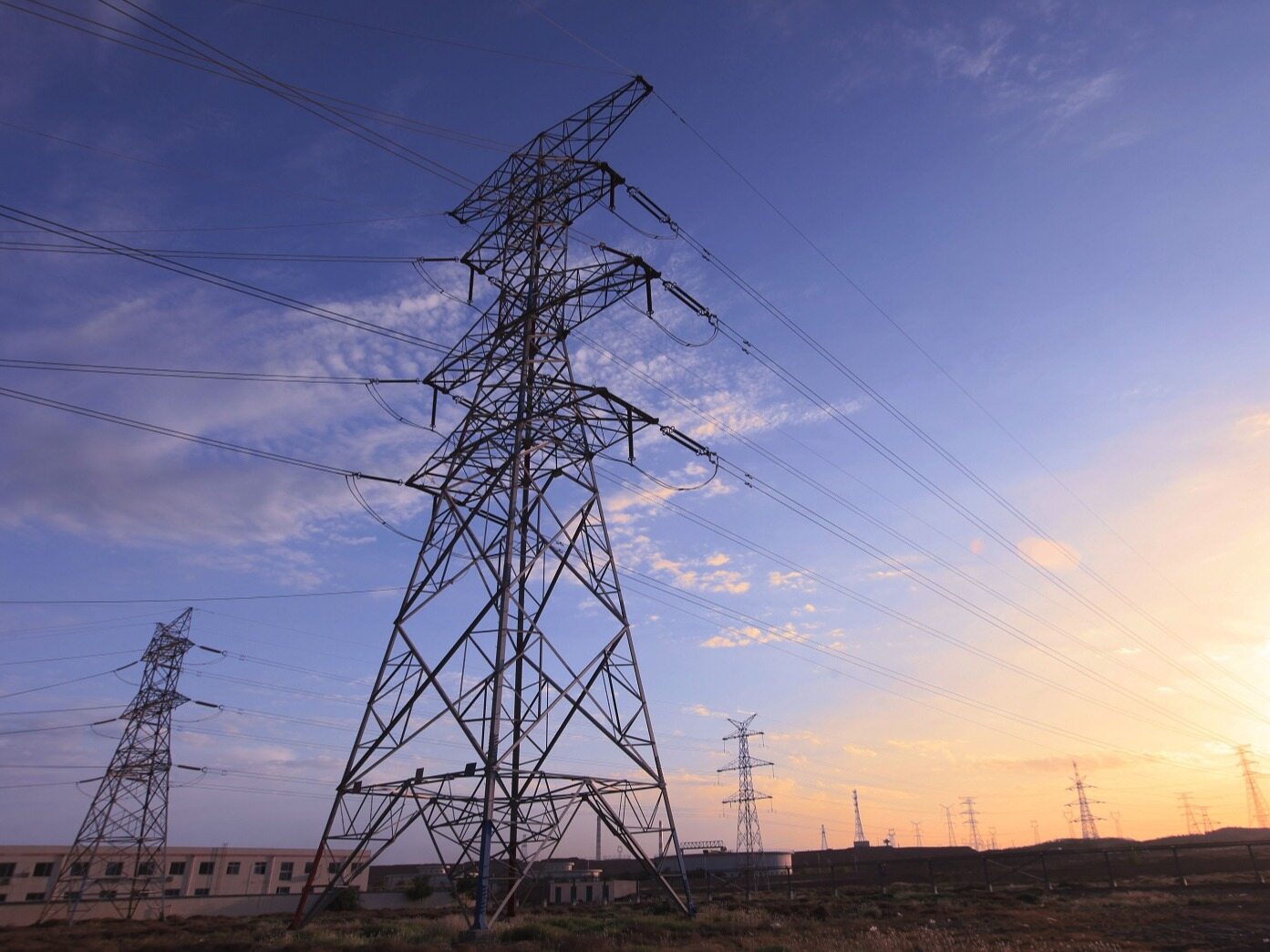
The first battery storage center under Azerbaijan Energy, the state-owned energy company of Azerbaijan, the Absheron Energy Storage Center, has been officially put into operation. President Ilham Aliyev attended the launch ceremony in person. The project was fully funded by the domestic government and is officially referred to as the largest energy storage facility of its kind in the post Soviet space. The completion of this infrastructure marks a deep transformation of Azerbaijan's energy system from the traditional mode of production and transportation to an integrated mode of production, energy storage, and intelligent allocation.
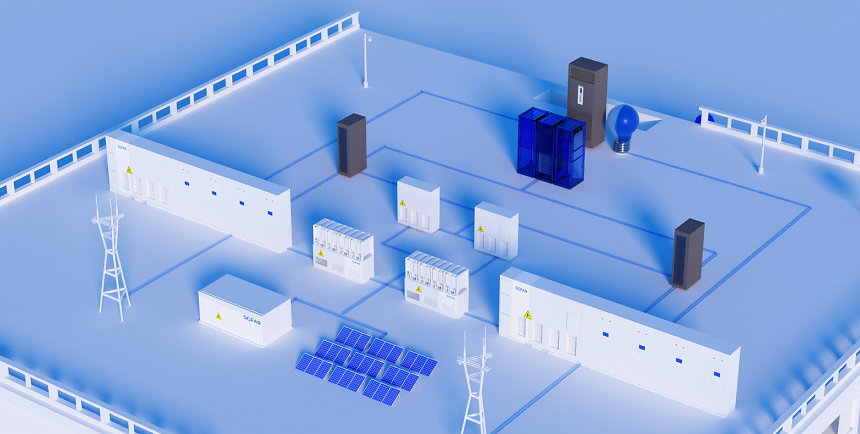
Two power stations achieve a regulation capacity of 250 megawatts
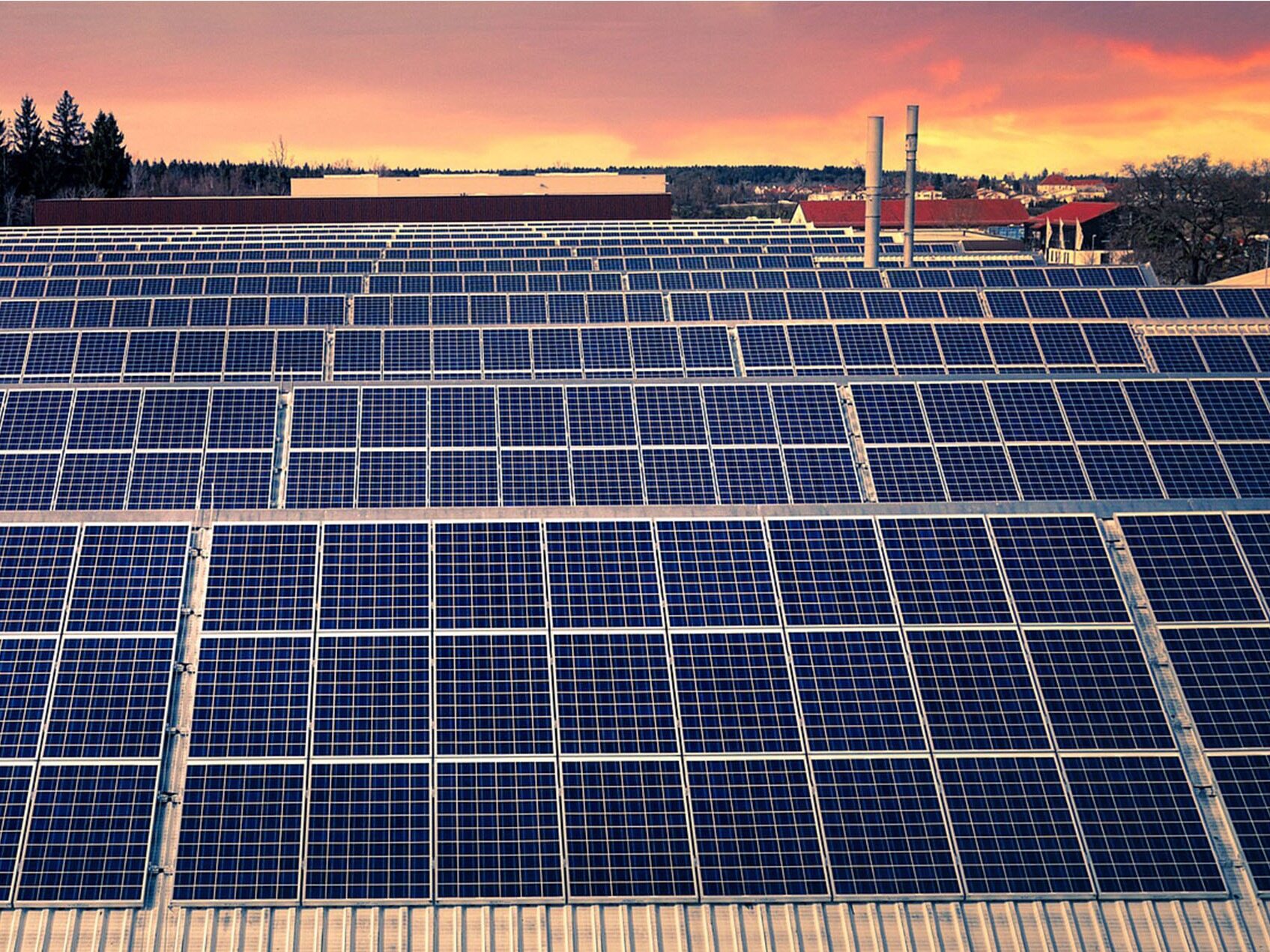
The energy storage center consists of two large battery energy storage systems, located at the Abu Hilong 500 kV substation and the Agdash 220 kV substation. The total power of the two power stations is 250 megawatts, with an energy storage capacity of 500 megawatt hours. According to official technical specifications, the system can complete full load discharge within 2 hours and has the ability to quickly respond to changes in power grid load. This configuration enables the surplus electricity generated by midday photovoltaic power generation to be effectively stored and automatically returned to the grid during the peak electricity consumption period in the evening, achieving time transfer and efficient utilization of renewable energy.
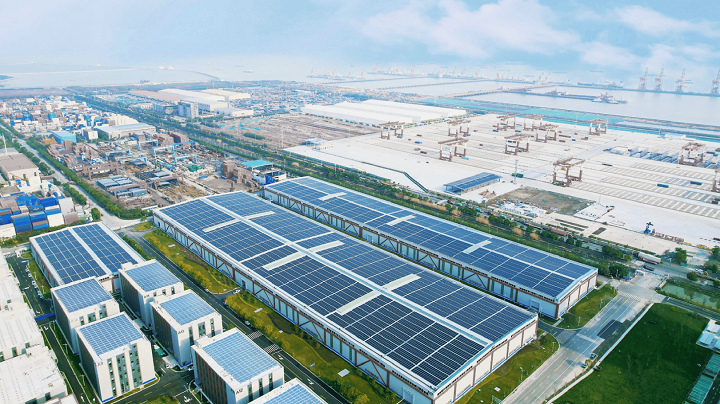
The energy storage system undertakes six major grid functions
The value of battery energy storage systems goes far beyond simple power peak shifting. According to research from the National Renewable Energy Laboratory in the United States, such facilities can simultaneously undertake multiple grid service functions. The official list of functions released by Azerbaijan is consistent with this, including real-time monitoring through SCADA system, participation in grid frequency and voltage regulation, automatic response in case of sudden power shortage, reduction of the impact range of power outage accidents, and black start capability - helping the grid achieve full system restart after a major power outage. These functions make energy storage centers a key infrastructure for enhancing the flexibility and reliability of the power grid. Keywords: infrastructure projects, battery energy storage
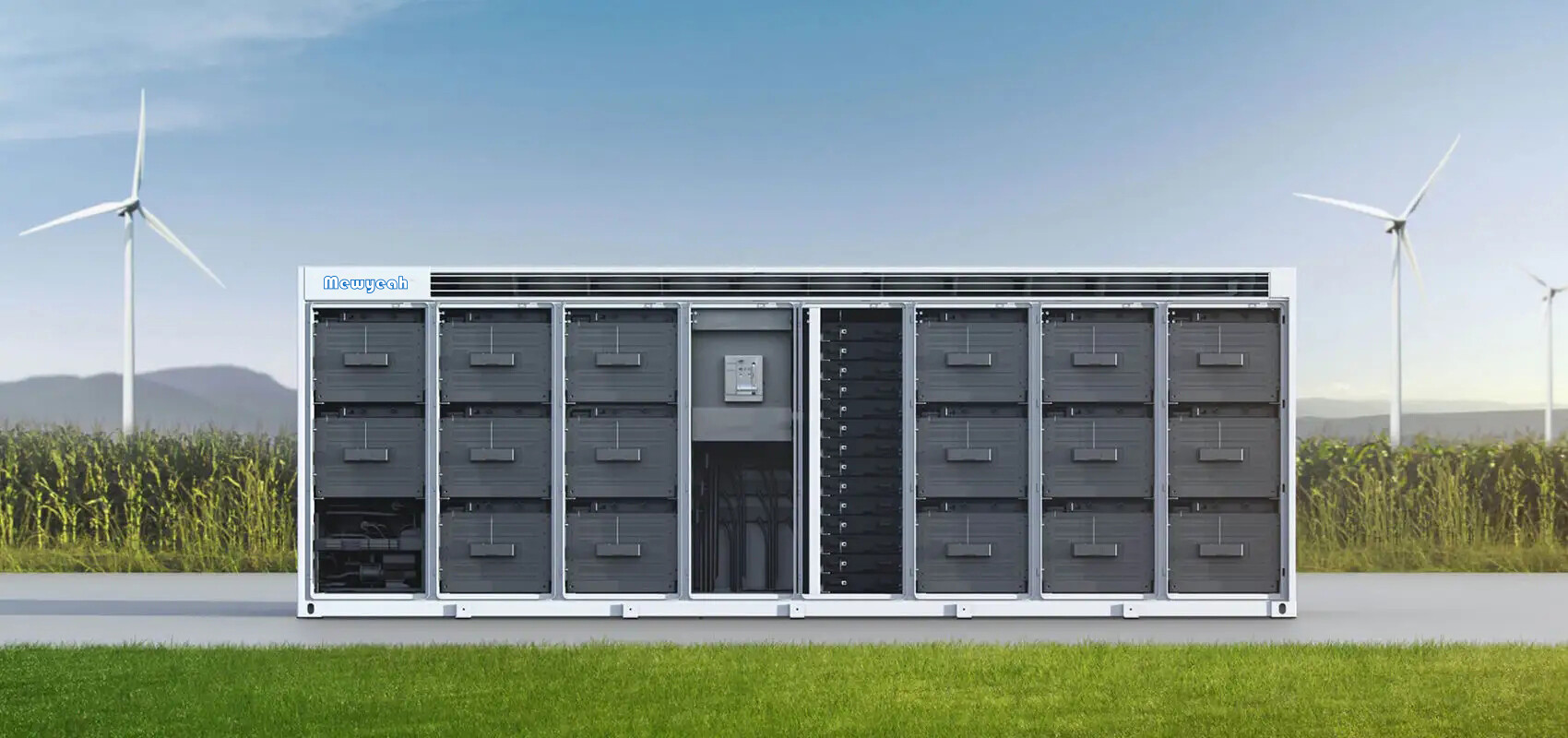
Renewable energy grid connection stimulates rigid demand for energy storage
Currently, over 90% of Azerbaijan's electricity comes from natural gas power generation, with gas-fired power plants undertaking both base load and peak shaving tasks. With the large-scale integration of photovoltaics and wind power in the future, the demand for flexible regulation resources in the power grid will significantly increase. According to the consulting study of TETRA Tech of the United States and EPRA of Türkiye, battery energy storage is an essential supporting facility for Azerbaijan to safely access about 1850 megawatts of renewable energy. Research predicts that by 2028, the power grid will be connected to over 2100 megawatts of green electricity, and the target for the total installed capacity of renewable energy by 2032 is 8 gigawatts. In the past seven years, Azerbaijan has built 4700 kilometers of fiber optic infrastructure, covered more than 550 centralized SCADA systems for energy facilities, and put AI power outage prediction tools into operation.Editor/Gao Xue
Comment


 Praise
 Collect
 Comment

 Share
Share


Write something~