 Search


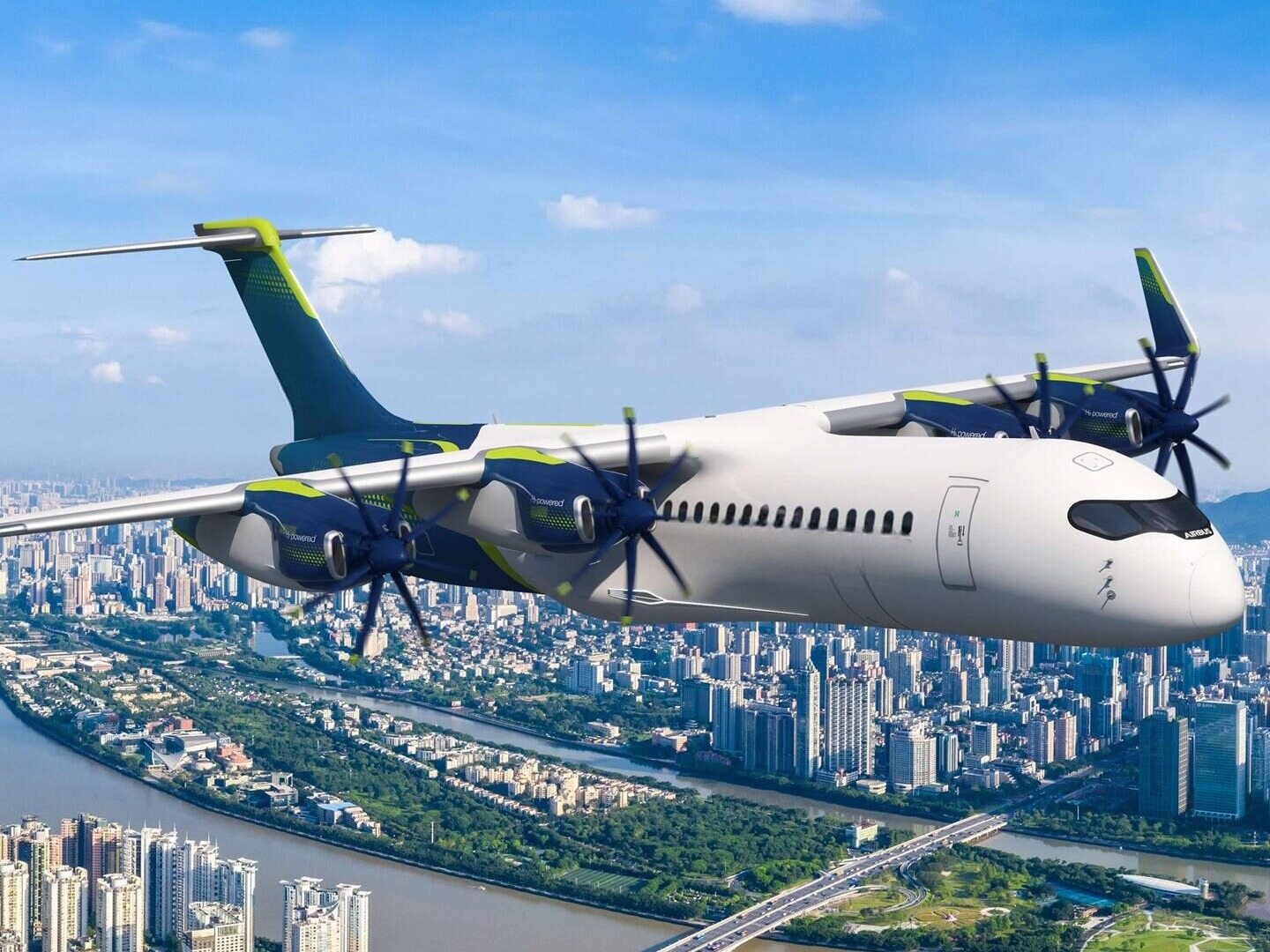
- China Aviation Engine AEP100 liquid hydrogen turboprop engine overcomes key technology of -253 ℃ ultra-low temperature fuel
In the monitoring room of the testing site, every slight shake of the pointer is affecting the engineer's nerves. When the data curve on the screen finally smoothly crosses the preset green range, a deep cheer erupted on site - marking a new era of "hydrogen" for Chinese aviation power.
Recently, the AEP100 liquid hydrogen fuel turboprop engine independently developed by the Hydrogen Aerospace Power Team of China Aerospace Propulsion Institute has successfully completed ignition and performance debugging based on ground test environment. During the experiment, all indicators of the engine and the supporting liquid hydrogen transportation system were normal and operated stably in all states. This is not only a simple ignition success, but also the first time in China that the overall performance of a megawatt level liquid hydrogen fuel aircraft engine has reached the standard, which means that China has overcome the key technical barriers of liquid hydrogen aviation turbine power.
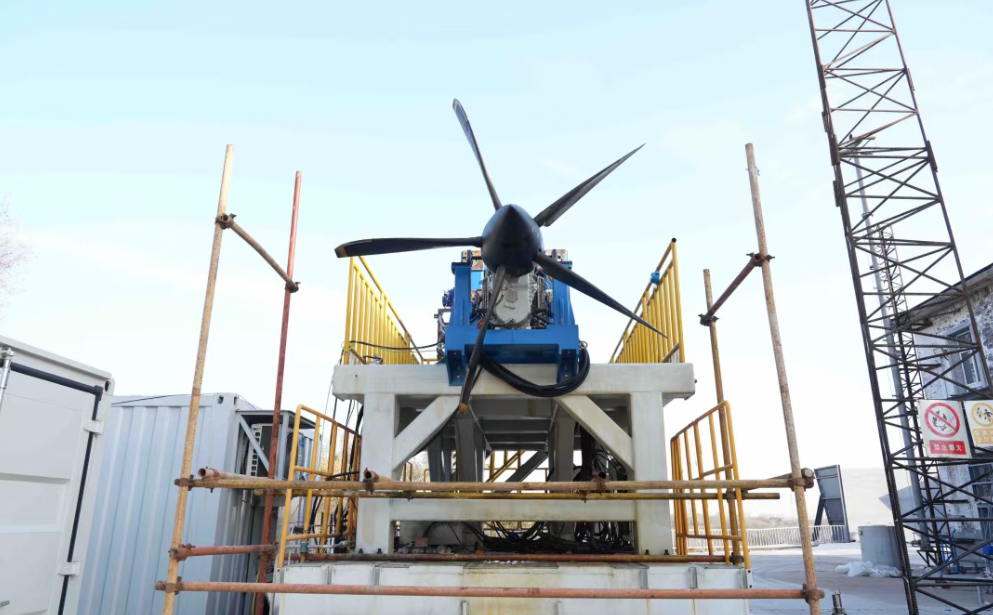
Turn ice cubes into power
The reason why liquid hydrogen is hailed as the "ultimate answer" for decarbonization in aviation is its extremely high energy density (about three times that of aviation kerosene) and the fact that the combustion product is only water, truly achieving zero carbon emissions. But this path is full of thorns, and its core difficulty lies in "cold" and "brittle".
The storage temperature of liquid hydrogen needs to be as low as -253 ℃, which requires the entire fuel system - from storage tanks, pipelines to valves - to work reliably at extremely low temperatures for a long time like a "refrigerator". Any minor seal failure or material embrittlement (hydrogen embrittlement) can lead to catastrophic consequences. The success of this experiment has verified that the team has made substantial breakthroughs in core technologies such as ultra-low temperature sealing, leak prevention, and combustion stability control, allowing this engine that "eats" extremely cold fuel to have a strong and smooth heartbeat throughout the entire process of ignition, operation, and shutdown.
How can a light team tackle tough challenges
Behind this AEP100 engine is a young team with an average age of less than 35 years old. Since the project was approved in 2022, they have been facing almost blank experience in liquid hydrogen aviation engineering in China.
The process of tackling problems is more like an 'extreme adventure'. The team not only needs to solve the dynamic metering problem of liquid hydrogen at extremely low temperatures, but also ensure stable pressure of the fuel during transportation to avoid gasification blockage. By adopting innovative designs such as multi-stage swirl combustion chambers, they have achieved efficient and stable combustion of hydrogen fuel. The achievement of the overall performance standard this time means that China has successfully completed a complete closed-loop from design, manufacturing to experimental verification in the field of megawatt level liquid hydrogen aviation power, filling the technical gap in this field domestically.
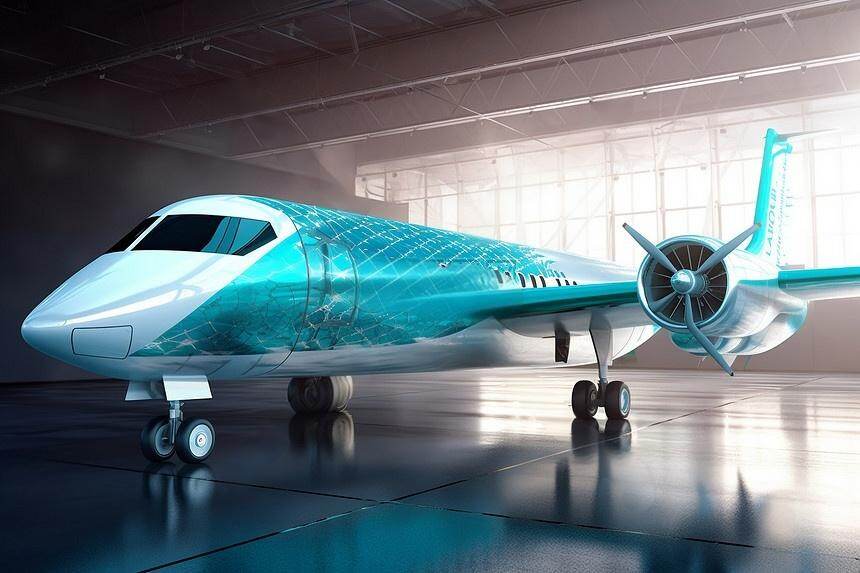
Drones and regional planes will be the first to drink hydrogen
Technological breakthroughs ultimately serve the industry. According to the team, the application of liquid hydrogen aviation engines will adopt a gradual path from small to large and from cargo to passenger.
In the short term, this technology will be the first to be applied in the fields of unmanned air logistics and regional aviation. The megawatt level power is sufficient to drive large cargo drones or regional airliners, making it particularly suitable for achieving green flight in environmentally sensitive areas or short haul transportation scenarios. In the long run, with the maturity of technology and the improvement of airport hydrogenation infrastructure, it will gradually extend to mainline aviation.
This is not only a victory for an engine, but also will activate the complete industrial chain from green hydrogen preparation, liquefaction, low-temperature storage and transportation to airport refueling, bringing new growth poles to high-end equipment manufacturing and new materials industry. The Chinese aviation industry is accelerating on a new track of zero carbon flight.Editor/Yang Meiling
Comment





 Praise
 Collect
 Comment

 Share
Share


Write something~