 Search


- The five-day free medical consultation event was held at the Qi Huang Chinese Medicine Center in Islamabad.
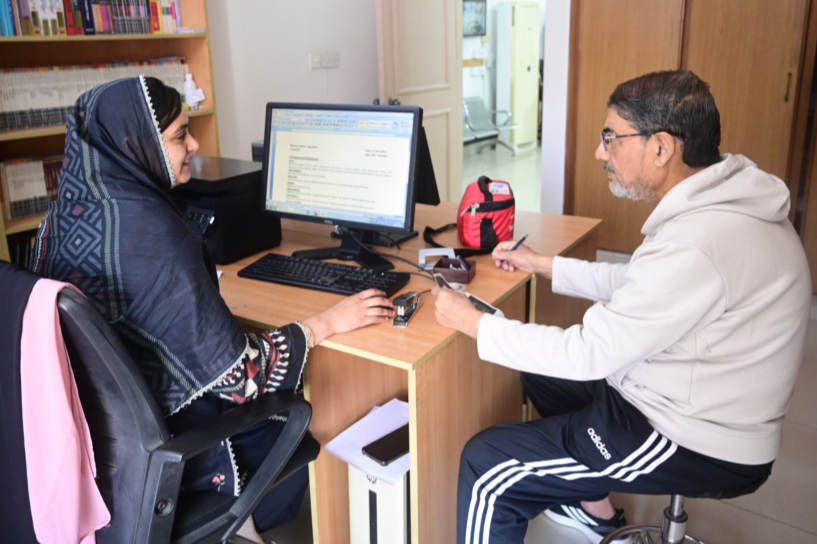
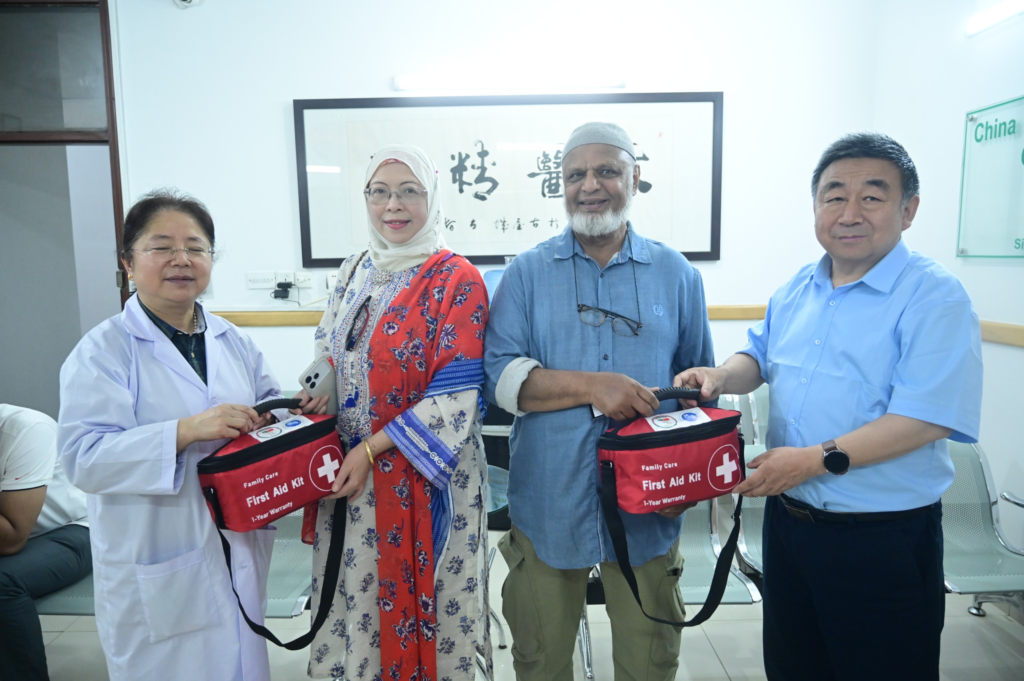
From March 30 to April 3, the Pakistan Qihuang Traditional Chinese Medicine Center hosted a free medical camp that treated over 200 Chinese expatriates and Pakistani citizens. Patients received routine check-ups, acupuncture consultations, blood tests, ECGs, chest X-rays, and free first aid kits distributed by the Chinese Embassy.
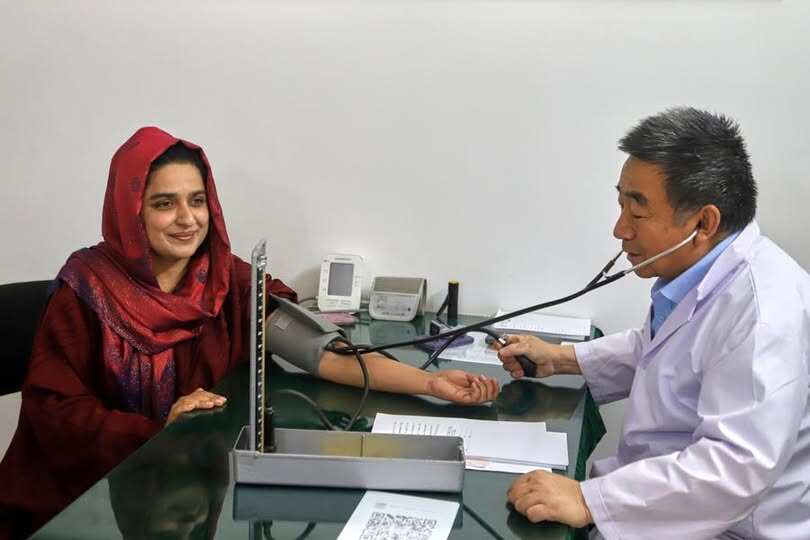
“The medical experience here was excellent,” said Sajida Mustafa, a young Pakistani student who recently won a Chinese government scholarship. “I completed all the tests, and the results were very good.”
Bai Furong, a Chinese businesswoman working in Pakistan, watched the scene unfold. “This year marks the 75th anniversary of diplomatic relations between China and Pakistan,” she said. “I sincerely hope the friendship will continue to grow stronger.”
Lab technician Azaz Husain noted that daily patient flow exceeded 100 on the camp’s opening day. Organizers estimate free services per patient ranged between PKR 4,000 and 4,500 — a daily donation of roughly PKR 300,000 to 350,000.
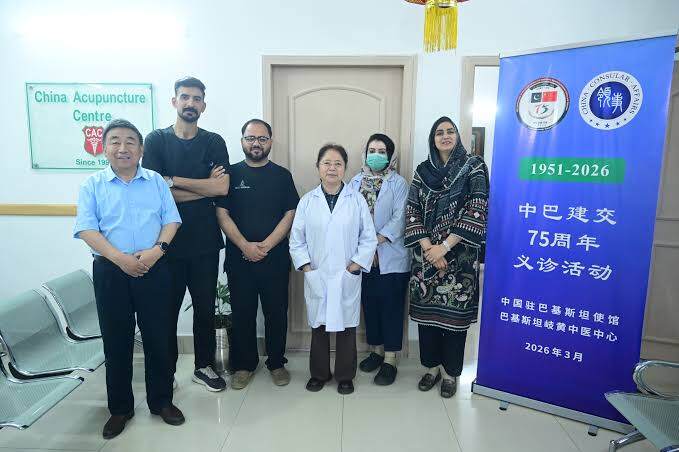
“Traditional Chinese medicine is part of Chinese culture,” said La Jielian, a Chinese doctor who has promoted TCM in Pakistan for decades and serves as director of the Qihuang Center. “We hope that more Pakistanis will understand, learn and benefit from it.”
Needles and Diplomacy
The free camp is not an isolated gesture. In January, the first cohort of Pakistani TCM practitioners completed an intensive training program in China’s Hunan Province — 160 hours of theory and 800 hours of practice in acupuncture, cupping and herbal applications. The program was organized by the China-Pakistan TCM Center, a flagship of the “Health Silk Road” — a pillar of the Belt and Road Initiative that has quietly grown alongside roads and power plants.
In March, a joint symposium on TCM and Pakistan’s indigenous Unani medicine was announced, alongside a joint laboratory for herbal research.
A Bridge Without Blueprints
The patients who arrived did not carry geopolitical briefing papers. They came with sore backs, chronic conditions and quiet hope. Pakistani nurses, Chinese doctors and local technicians operated not as diplomats but as healers.
Senior nurse Sana Khan summed it up: “We have been witnessing a huge flow of patients.”
As China and Pakistan mark 75 years of diplomatic ties in 2026, the infrastructure of their relationship is no longer just concrete and steel. It is increasingly made of needles, herbal formulas, and the quiet transactions of care between strangers who recognize something universal in a healing touch.Editor/Cao Tianyi
Comment

 Praise
 Collect
 Comment

 Share
Share


Write something~