 Search


- The Tanzania Zambia Railway Activation Project, with a total investment of 1.243 billion US dollars, has officially signed a contract
- Chinese enterprise consortium obtains 30-year operating license through mining road collaboration model
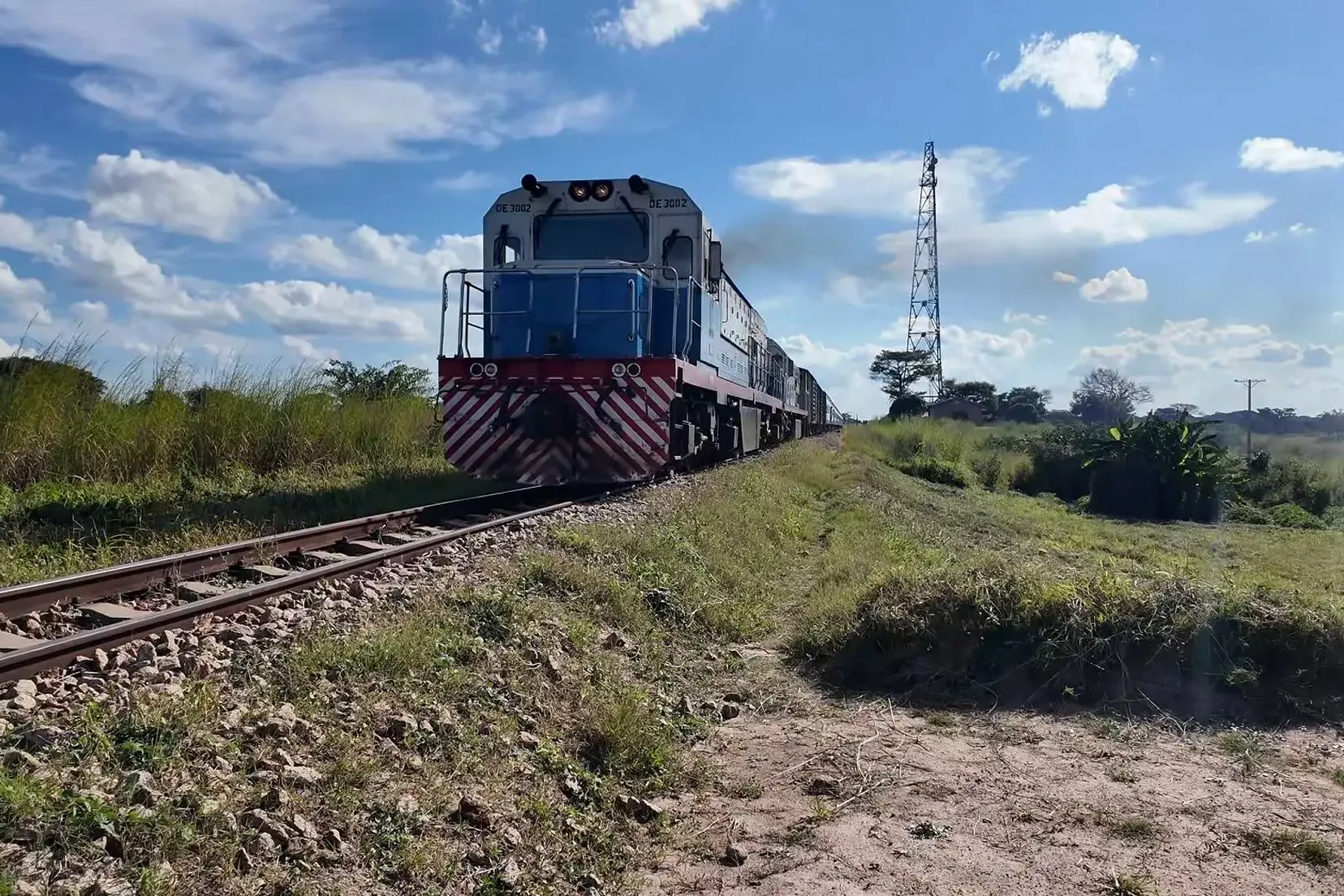
As the predecessor and historic monument of China's the Belt and Road Initiative, the Tazara Railway once wrote a chapter of China Africa friendship in the spirit of selfless assistance. Half a century later, this steel artery carrying the memories of the times is undergoing a profound commercial rebirth.
With the official signing of the joint venture company and the injection of a huge sum of 1.243 billion US dollars, the Tanzania Zambia Railway is no longer just a witness to history, but has transformed into a commercial artery connecting resources and markets. This project not only marks the leap of China Africa cooperation from simple government assistance to deep market-oriented operation, but also provides a convincing practical footnote for the joint construction of high-quality development of the the Belt and Road at a time when the game of global key minerals is intensifying.
Building a complete industrial chain commercial closed loop
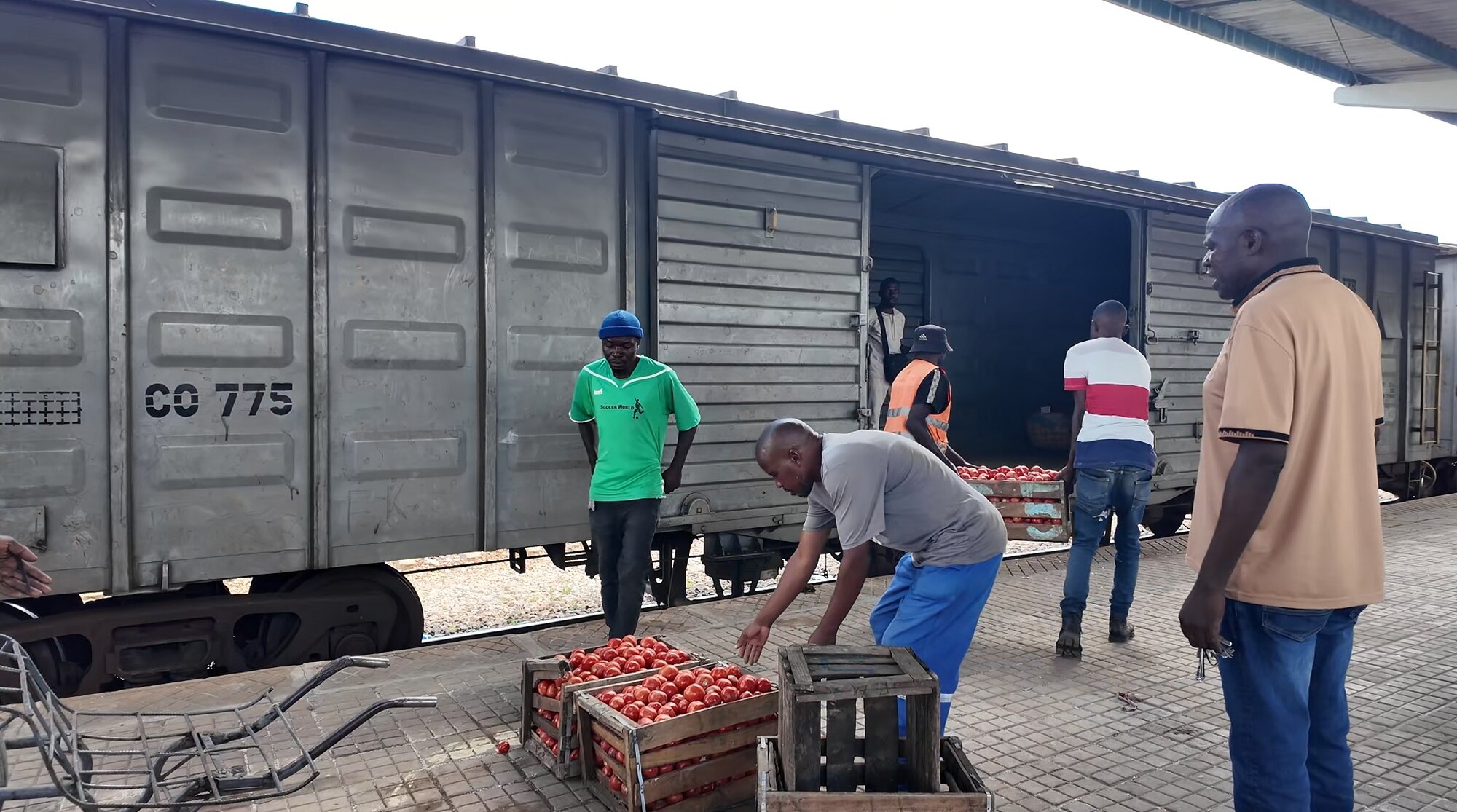
The core change of this activation project lies in the fundamental restructuring of the operating mode. Unlike the pure aid model of the 1970s, the newly established joint venture is led by China Civil Engineering Corporation, which holds 80% of the shares, and introduces logistics and mining giants such as COSCO Shipping, Zijin Mining, and Luoyang Molybdenum to participate in the equity. The deep binding of mining enterprises, logistics providers, and infrastructure providers is not simply about engineering repairs, but rather about building a business ecosystem that shares benefits and risks.
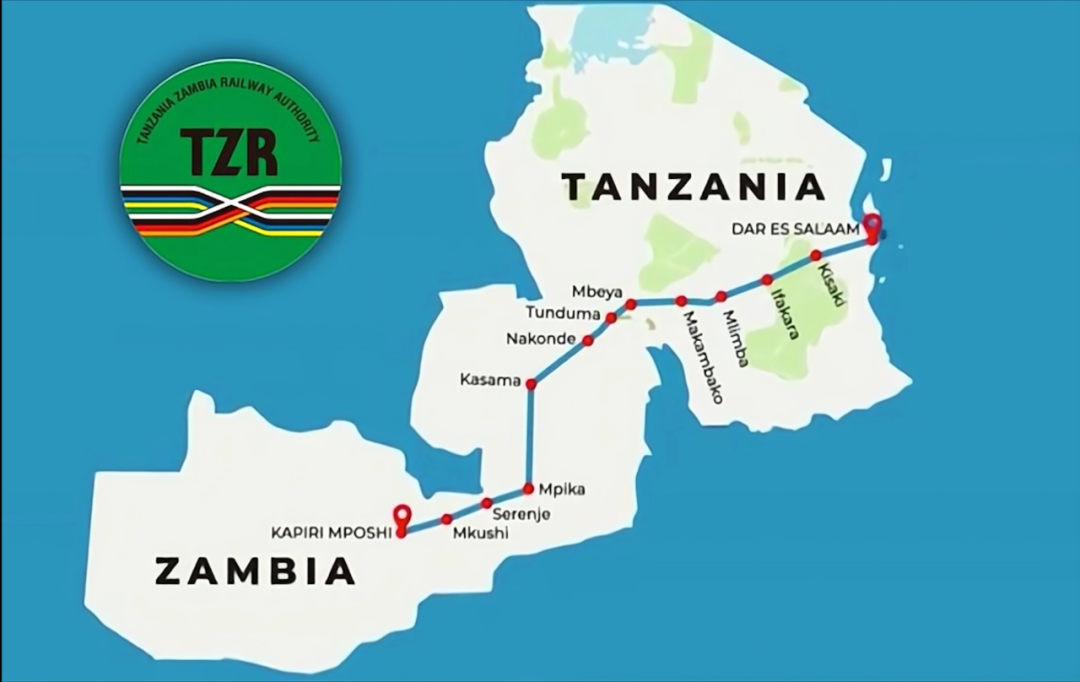
The 30-year operating license granted by the governments of China, Tanzania, and Zambia provides institutional guarantees for this market-oriented exploration. By repairing 1860 kilometers of existing railway lines and updating locomotives and container equipment, the project aims to liberate the copper resources of Zambia and the Democratic Republic of Congo from road transportation and transform them into low-cost, high-capacity railway freight, directly breaking through the logistics bottleneck from mines to Indian Ocean ports, and achieving two-way empowerment of infrastructure and physical industries.
Strategic Breakthrough of the Indian Ocean Passage
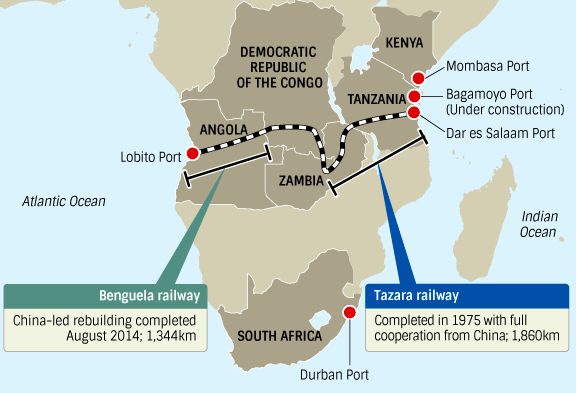
The modernization of the Tanzan Railway is of great significance beyond logistics efficiency itself, and is also a strategic outcome in the context of the geo economic landscape. Currently, global competition for key mineral resources has entered a white hot stage, with the United States locking in minerals from the Democratic Republic of Congo through bilateral agreements and vigorously promoting strategic infrastructure connecting the Atlantic Lobito Corridor.
In this context, the strategic value of the Tanzania Zambia Railway, as a single seedling connecting the Central African copper belt with the Indian Ocean, has been unprecedentedly amplified. The technological upgrade of the entire project chain covers core areas such as track, signal, and traction power supply, aiming to create a long-term stable overseas corridor. This not only effectively alleviates the pressure of regional road transportation, but also preserves an independent and controllable strategic channel in the Indian Ocean for China and inland African countries outside the Atlantic direction, becoming a key pivot for hedging geopolitical risks. Keywords: the Belt and Road, Tanzania Zambia Railway
Answer sheet for the era of high-quality development
The activation of the Tazara Railway is a microcosm of the evolution of the the Belt and Road Initiative. It has bid farewell to the previous blood transfusion model that relied mainly on government leadership, and shifted towards a blood making mechanism that is enterprise led and market-oriented. Here, Chinese technology and standards have been deeply integrated with African resources and global capital.Editor/Cheng Liting
Comment


 Praise
 Collect
 Comment

 Share
Share


Write something~