 Search


- Shenzhen Development Technology Company synchronizes smart grid and cement production capacity projects in Kyrgyzstan
- Helping the local government to break the bottleneck of infrastructure and deepen the Belt and Road production capacity cooperation
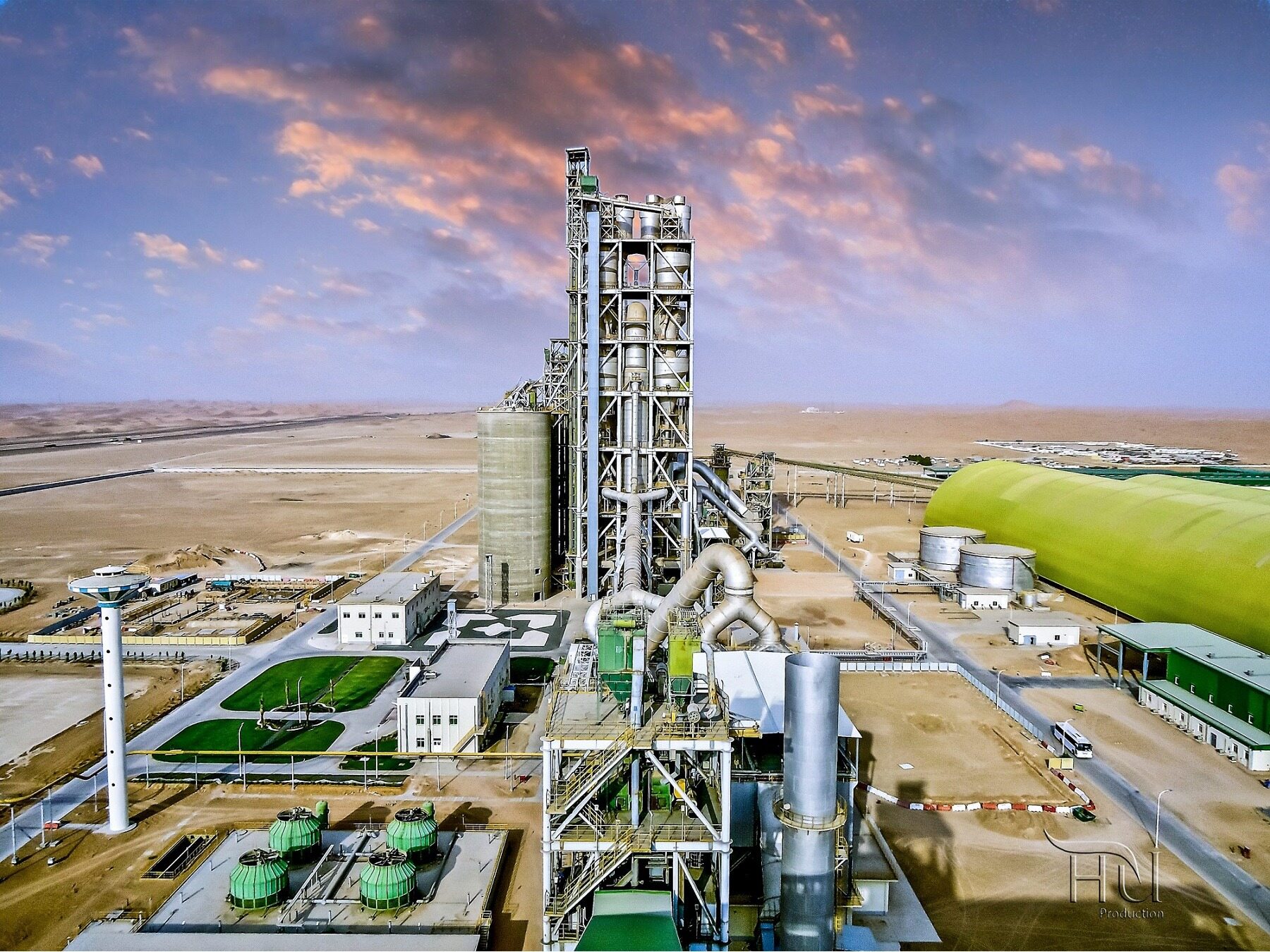
In the morning, as the sun shines on the construction site in Keming District, Chuhe Prefecture, new hope is breaking through. Soon, a cement plant with a daily output of 3200 tons of clinker will rise here, injecting fresh water into Kyrgyzstan's perennial infrastructure sector. At almost the same time, the final details of introducing hundreds of thousands of Chinese smart meters are being finalized in the energy sector of the capital city of Bishkek, and a "digital surgery" targeting grid losses is about to begin. This "hard" and "soft" two major projects are vivid examples of Chinese enterprises' systematic participation in Kyrgyzstan's modernization construction.
The troubles of infrastructure construction
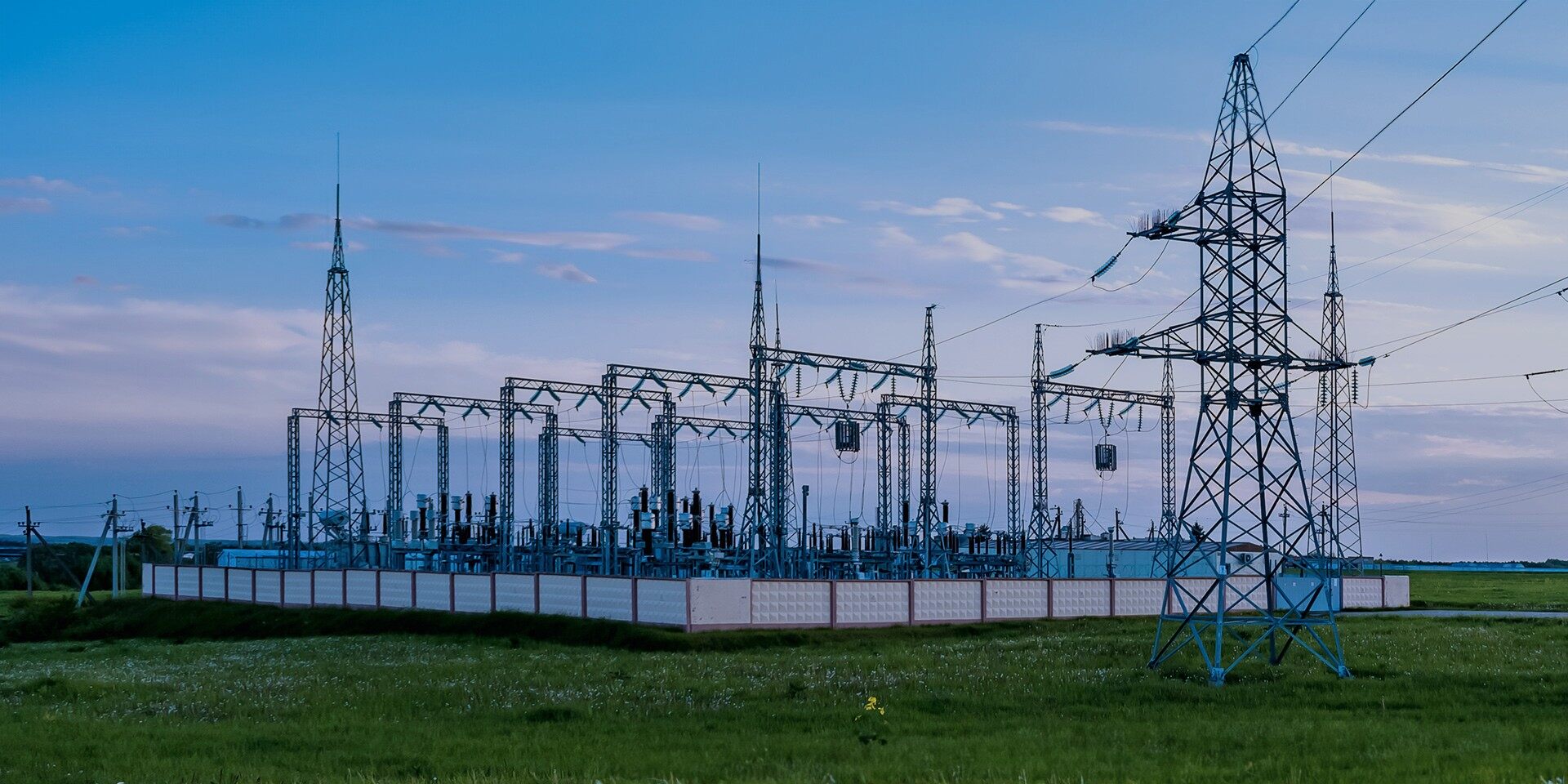
Kyrgyzstan's infrastructure is facing a dual challenge. On the one hand, the outdated power grid system leads to a significant amount of electricity being wasted during transmission. Data shows that even after the promotion of smart meters in 2025, their network loss rate will still reach 10.6%, and it will be as high as 11.7% before the renovation. Every loss of electricity means precious energy and fiscal revenue are evaporating. On the other hand, with the acceleration of national construction, the supply of building materials, especially cement, is tight, and long-term dependence on imports has directly pushed up construction costs and slowed down the pace of development.
International institutions such as the World Bank have paid attention to these issues and provided support for the transformation of smart grids to alleviate the financial pressure on Kyrgyzstan. But to fundamentally solve the problem, advanced technological tools are needed to achieve refined management, and real production capacity investment is also needed to ensure material supply.

China's plan
Faced with urgent local needs, Chinese companies have brought collaborative solutions.
In the field of energy digitization, Shenzhen Development Technology Company has joined hands with the Ministry of Energy of Kyrgyzstan to officially sign a contract to introduce 300000 smart meters by 2026, with another 90000 units under close negotiation for procurement. These electric meters are not only measuring tools, but also neural nodes for the automation and intelligence of the power grid, which will help Kyrgyzstan accurately locate losses and improve the operational efficiency of the entire power system. This is a solid expansion of China's digital technology advantages into the Central Asian market.
In the field of basic building materials, the "Shanfen Zhet Cement" cement plant project led by Chinese enterprises has officially landed, with an agreed investment of 137.6 million US dollars. This factory located in Keming District, Chuhe Prefecture is designed to produce 3200 tons of clinker per day. After completion, it will effectively fill the local market gap, reduce dependence on imported cement, and directly provide "blood transfusion and food supply" for various infrastructure projects such as roads, housing, and industrial parks. This is not only an investment of capital, but also a systematic output of mature production capacity and industrial technology.

The power of collaboration
A single project can solve specific problems, while dual project collaboration can unleash synergies. The upgrade of smart grid ensures stable and efficient energy supply, which is the lifeblood of modern society and industrial operation; The construction and operation of large cement plants themselves require reliable electricity, and their products are the "food" for all infrastructure. The combination of the two precisely addresses the two major shortcomings of energy and basic industries in Kyrgyzstan.
This combination of "energy digitalization+physical capacity" shows that Chinese enterprises are no longer a single project contracting or commodity export in the the Belt and Road cooperation, but a systematic and integrated layout based on a deep understanding of local development needs. It consolidates the cooperation advantages of Chinese enterprises in the infrastructure field in Kyrgyzstan and even Central Asia, reflects the principle of capacity cooperation under the principle of consultation, co construction and sharing, and is transforming from a blueprint into practical projects that can be felt and promote local development, writing a new story of mutual benefit and win-win.Editor/Yang Meiling
Comment





 Praise
 Collect
 Comment

 Share
Share


Write something~